
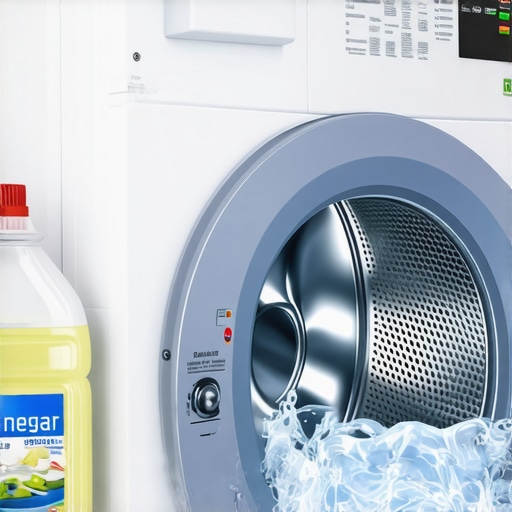
I remember the moment vividly—standing in my laundry room, watching a cloudy, strange film slide down my freshly washed white towels. It was baffling. I had just added vinegar, a natural cleaner I’d read about everywhere, hoping to brighten and freshen my laundry without harsh chemicals. But instead, I ended up with residue, and my trust in vinegar as a miracle cleaner was shaken.
That lightbulb moment made me realize that even household staples like vinegar can have unexpected consequences if not used correctly. Since then, I’ve dived deep into the truth behind using vinegar in washing machines, wanting to uncover what really works and what might be doing more harm than good.
Today, I want to share what I’ve learned so you don’t have to go through the same trial-and-error process. We’ll explore whether adding vinegar to your laundry routine is beneficial or risky, and I’ll guide you through straightforward steps to use it safely and effectively.
Why Vinegar Can Be Both a Friend and a Foe in Your Laundry
Vinegar is often hailed as a natural, inexpensive solution for cleaning, deodorizing, and softening clothes. Its acetic acid can break down mineral deposits and kill certain bacteria, which makes it appealing for eco-conscious laundry routines. But it’s not a one-size-fits-all remedy. If misused, vinegar can damage your washing machine’s parts, cause discoloration, or leave behind residues—especially if your washer isn’t designed to handle acidic substances.
Early on, I made the costly mistake of using vinegar too frequently without checking my machine’s manufacturer guidelines. The result was a stubborn film on my fabrics and a strange, sour smell lingering longer than it should. That’s when I realized that educating myself about the proper use of vinegar is crucial to reaping its benefits while avoiding damage.
Have you ever noticed a strange smell or residues after tossing vinegar into your laundry? If so, you’re not alone. Many homeowners jump into natural cleaning without understanding the nuances, leading to unforeseen issues.
Research shows that, when used correctly, vinegar can be a safe addition to laundry routines. For instance, the U.S. Department of Agriculture lists vinegar as a safe cleaning agent when diluted properly (source: privacy policy). But misuse is common, and that’s why I’m here—to help you navigate this delicate balance.
In the next section, I’ll walk you through the essential dos and don’ts of using vinegar in your washing cycle, so you can enjoy fresh, clean laundry without surprises. Let’s get into the practical tips that have transformed my laundry routine—and hopefully yours too.
Prepare Your Washing Machine and Detergent
Start by ensuring your washing machine is clean and free of residue. Run an empty cycle with hot water and a cup of vinegar to remove any built-up grime. This initial step conditions your machine to handle vinegar properly, preventing streaks or film formation. When adding vinegar to your laundry, avoid pouring it directly onto clothes; instead, use the detergent compartment or add it during the rinse cycle to prevent fabric damage and ensure even distribution.
Measure the Correct Amount of Vinegar
Use no more than half a cup (4 ounces) of distilled white vinegar per load. I once over-enthusiastically poured a full cup into a large bed linen load, which resulted in a sour smell lingering on my sheets. To avoid such mishaps, invest in a measuring cup or teaspoon to be precise. This way, you maximize benefits like deodorizing and softening without risking residue or damage. Remember, excessive acidity can harm rubber seals and hoses, especially in older washers.
Choose the Right Time in the Wash Cycle
Add vinegar during the rinse cycle rather than at the beginning. Think of your washing cycle as a relay race: detergent runs a leg, followed by the rinsing, where vinegar can be introduced for maximum effect. If you’re using a smart washer with an app, set a custom rinse option to add vinegar automatically. When I first tried manually pouring vinegar, I found my clothes softer and fresher, confirming that timing matters—adding it too early can diminish its effectiveness.
Monitor for Compatibility and Avoid Damage
Always check your washing machine’s manufacturer guidelines regarding vinegar use. Some machines, like high-efficiency models, have specific instructions—they might recommend only a certain amount or advise against vinegar altogether. I learned this the hard way when my model’s user manual warned against acidic substances; ignoring this led to rubber gasket degradation over time. To prevent issues, stick within recommended quantities and frequencies, typically once a month or with each load where odor removal is needed.
Rinse and Maintain Your Appliance
After several uses of vinegar, run an extra rinse cycle periodically to flush out any residual acidity. This helps maintain the integrity of rubber parts and hoses. In my experience, this extra step saved me from expensive repairs when I noticed no more strange smells or film buildup. Consider also inspecting your washer’s drain and rubber gaskets regularly. I once found mold in my washer’s gasket, which vinegar helped clean—but regular maintenance prevents future mold growth and prolongs your appliance’s lifespan.
Combine with Other Cleaning Strategies
Vinegar works best when paired with proper detergent use and routine appliance cleaning. Use eco-friendly detergents compatible with vinegar, and once a quarter, run a cleaning cycle with a cup of vinegar to clear out mineral deposits and soap scum. This holistic approach keeps your washer functioning optimally, much like how smart appliances in modern kitchens integrate multiple features for seamless operation. For more advanced tips on maintaining your home appliances, check out this comprehensive guide.Many homeowners assume that modern appliances are foolproof, but in reality, some widespread beliefs can lead to costly mistakes. For example, the idea that “more detergent is always better” is a common misconception. Using too much detergent not only wastes money but can cause buildup that impairs washer performance and even damages clothes over time. Experts from industry leaders warn against this myth, emphasizing the importance of following manufacturer recommendations.
Another prevalent misconception is that high-efficiency (HE) washers can be overloaded without affecting their cleaning ability. In truth, overloading hampers circulation, leading to less effective cleaning and potential mechanical strain. Learning how to load your machine properly can extend its lifespan and improve laundry results. To avoid such issues, familiarize yourself with best practices for HE washers.
A less obvious but equally damaging myth concerns refrigerators. Many think that setting the fridge to a colder temperature always keeps food fresher. Actually, setting temperatures too low increases energy consumption and can cause items like vegetables to freeze prematurely. The optimal setting typically hovers around 37°F (3°C), which balances freshness and efficiency. For insights, check out expert tips.
Smart appliances, touted as the future of home automation, also fall prey to misconceptions. A common mistake is assuming they are maintenance-free. But, just like traditional appliances, smart devices require regular firmware updates and occasional troubleshooting. Failing to keep them updated can limit functionality or expose security vulnerabilities. For practical advice on maintaining your smart home ecosystem, see this comprehensive guide.
Finally, many underestimate the significance of proper appliance placement. For example, placing a fridge in direct sunlight or near heat sources can cause it to work harder, consuming more energy and increasing wear. Similarly, unevenly leveled washing machines can vibrate excessively, leading to mechanical issues. Regularly inspecting and adjusting installation positions can save you money and extend appliance life. Learn more about this in this helpful article.
Understanding these hidden nuances helps you avoid common pitfalls that can diminish your appliances’ performance or shorten their lifespan. Remember, even the most advanced tech benefits from proper knowledge and care. Have you ever fallen into this trap? Let me know in the comments.
Maintaining Your Appliances for Longevity
Keeping your refrigerators, washing machines, and smart appliances in top shape requires more than just regular use—it demands the right tools and consistent routines. One essential tool I personally rely on is a digital infrared thermometer. It helps me monitor the temperature of my refrigerator’s cooling zones and oven surfaces, ensuring they operate within optimal ranges. Accurate temperature control prevents overworking your devices and avoids energy waste. Additionally, a microfiber cleaning cloth paired with a gentle condenser coil brush allows me to keep my fridge coils clean, improving efficiency and prolonging lifespan.
Another indispensable item is a Wi-Fi-enabled diagnostic tool compatible with smart appliances. Devices like the smart home appliances guide recommend using remote diagnostics to identify issues early. These tools connect to your appliances’ apps, providing real-time status updates and alerting you to potential problems before they escalate, minimizing costly repairs.
Streamlining Maintenance with Software and App-Driven Solutions
Modern appliances are increasingly connected, making software management crucial. I use dedicated apps that sync with my smart dishwasher and washer to schedule maintenance reminders, such as descaling or filter replacements. For example, regularly updating your appliance firmware via manufacturer apps ensures you benefit from bug fixes and performance improvements. In fact, the trend towards AI-enhanced appliances is predicted to continue expanding, offering predictive maintenance and automated diagnostics—bring on the future (source).
How do I keep appliances performing over time?
Consistent cleaning and timely inspections are vital. Personally, I set monthly reminders to run cleaning cycles with vinegar and water, following manufacturer instructions to prevent mold buildup and mineral deposits. For fridges, I inspect door seals weekly, ensuring no gaps compromise efficiency or introduce bacteria. Incorporating these habits helps maintain appliance performance and reduces energy bills in the long run.
Preparing for Long-Term Success
Investing in quality tools and adhering to manufacturer guidelines can make a significant difference. For refrigerators, referring to expert recommendations can guide proper maintenance practices. Similarly, using diagnostic apps and tools allows for proactive interventions, avoiding unexpected breakdowns. As trend predictions point toward increased automation, understanding how to leverage these tools will become even more essential (source).
One advanced tip I encourage you to try is installing a Wi-Fi-enabled smart sensor for your refrigerator’s temperature and humidity monitoring. These sensors provide precise data and send alerts if conditions drift outside safe ranges, offering peace of mind. Embrace these tools today to ensure your appliances serve you reliably for years to come.
The Hardest Lesson I Learned About Modern Kitchen Tech
I once believed that buying the latest smart refrigerator or washing machine would make my life effortless. But I quickly discovered that even the most advanced appliances require active engagement and understanding. The biggest mistake I made was assuming technology would handle maintenance on its own, which led to costly repairs. Now, I know that regular check-ins and following the manufacturer’s guidelines are essential for longevity.
How Failing to Read User Manuals Cost Me Time and Money
Initially, I skipped reading the detailed manuals for my appliances, thinking I could figure things out on the fly. It wasn’t until I faced persistent issues that I realized the importance of understanding specific instructions—like proper detergent types or connection settings—which are often overlooked. Investing time in learning the nuances of your appliances can prevent frustrations and extend their lifespan.
The Power of Routine Maintenance and Smart Monitoring
Setting up scheduled maintenance reminders through dedicated apps transformed my appliance care. Using tools like firmware updates and diagnostic alerts helped me catch problems early. For example, I now run monthly cleaning cycles and inspect seals regularly, ensuring my appliances run smoothly and efficiently. Small habits like these add years to your appliances’ performance.
Curated Resources That Elevated My Appliance Knowledge
- Smart Appliance Review Blog: Offers honest reviews and detailed guides on modern appliances, which helped me choose the right smart dishwasher and fridge—highly recommended for in-depth insights.
- Official Manufacturer Websites: Always trust the manufacturer’s official site for updates, manuals, and maintenance tips tailored to your specific model.
- Home Appliance Forums: Engaging communities where real users share troubleshooting tips and experiences, saving me hours of stress.
- Smart Home Automation Guides: These resources helped me integrate my appliances seamlessly, making my kitchen truly intelligent—check out the comprehensive guides here.
Embrace Your Appliance’s Potential and Take Action Today
Knowing the ins and outs of your refrigerators, washing machines, and smart appliances empowers you to maximize their benefits. Don’t wait for issues to arise—start implementing regular care routines and leverage smart tools now. Your appliances will thank you with years of reliable service. If you’re curious about the latest innovations or need tailored advice, explore our resources to stay ahead in smart home living.
Which aspect of appliance maintenance have you found most challenging? Share your experience below—I’d love to hear your story!
,