
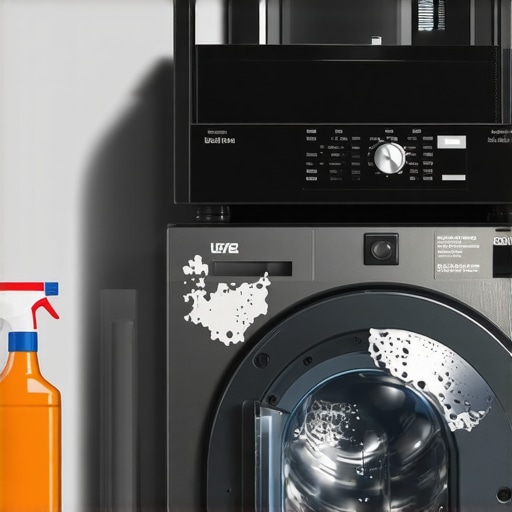
Have you ever opened your high-efficiency washer, expecting that fresh laundry scent, only to be met with a damp, musty odor that instantly ruins your day? I remember the first time I experienced it; I was convinced I had a forgotten sock lurking somewhere, but no matter how many cycles I ran, the smell persisted. It was frustrating, and honestly, a bit gross. That lightbulb moment for me came when I realized this isn’t just about dirty clothes—it’s a common issue rooted in how these modern machines operate.
Understanding Why Your High-Efficiency Washer Smells Like Mold
Is the Technology To Blame? Or Am I Doing Something Wrong?
It’s a question many home owners ask: “Why do my supposedly bacteria-free, eco-friendly washer smell so bad?” The truth is, high-efficiency washers are designed to use less water and energy, which sounds great until you realize they also create the perfect environment for mold and mildew to thrive. When I first bought mine, I made the mistake of assuming it was self-cleaning and never needed extra attention. That was my first mistake. Early on, I overlooked the importance of maintaining the door gasket and leaving the door open after cycles—a minor habit change that made a world of difference.
Research confirms that mold growth in washers stems primarily from residual moisture and soap scum, especially in hidden areas like the door gasket and detergent dispenser. According to industry experts, neglecting these parts accelerates mold development and causes that offensive smell, which can be tough to eliminate once settled. Luckily, with a few simple steps, you can keep your machine smelling fresh and functioning optimally.
In the sections ahead, I’ll guide you through practical, proven methods to banish odors and maintain a hygienic washer environment—saving you from future frustration and costly repairs. Ready to make your laundry experience fresh again? Let’s dive into the solutions that worked for me—and will work for you too!
What You Need to Know Before You Start Cleaning
Kickstart with a Deep Clean of the Gasket and Detergent Dispenser
Pull back the rubber door gasket and check for stubborn dirt or soap scum buildup. Use a damp cloth dipped in a mixture of equal parts vinegar and water to wipe down the gasket, paying special attention to crevices where mold can hide. Remove and clean the detergent dispenser thoroughly—soaking it in warm vinegar solution for 10 minutes helps dissolve residue. I once had a sock caught in the gasket, and cleaning this area immediately stopped the musty smell from seeping into my laundry. Regular maintenance prevents buildup, ensuring your washer stays fresh.
Run an Empty Hot Water Cycle with Cleaning Agents
Measure a cup of white vinegar and half a cup of baking soda, then add them directly to the drum. Set your washer to the hottest cycle and let it run through a full wash. The vinegar acts as a natural disinfectant, breaking down mold and soap scum, while baking soda neutralizes odors. I applied this method when my washer smelled terrible after a camping trip; within the cycle, the foul smell vanished. Doing this monthly keeps mold at bay and maintains optimal hygiene.
Address Hidden Nooks and Crannies
Use a soft brush or an old toothbrush to scrub areas around the door seal and detergent drawer. For tough spots, dip the brush in a bleach solution (1 part bleach to 10 parts water), then gently scrub. Be careful not to damage rubber components. I once ignored these spots, only to realize mold was lurking—cleaning them eradicated persistent odors.
Keep the Door Ajar After Each Use
Leave the door slightly open after laundry cycles to promote airflow and prevent residual moisture from stagnating. Think of it like leaving a window open to air out a damp room. I started doing this after noticing my washer smelled worse over time, and it immediately reduced humidity inside. For an added layer of freshness, consider placing a small fan nearby to circulate air when possible.
Regular Inspection and Maintenance
Set a monthly reminder to inspect the door gasket and clean the filter or drain pump if accessible. Cleaning lint and debris from these parts ensures efficient operation and prevents odors. When I noticed slow draining, cleaning the filter resolved the issue and eliminated smell-causing bacteria. Staying proactive reduces the need for costly repairs and keeps your washer performing at its best.
Many consumers believe that smart appliances are set-it-and-forget-it devices capable of handling maintenance independently. However, this misconception can lead to costly mistakes. For instance, the common myth is that smart refrigerators automatically optimize their performance without user intervention, but in reality, regular manual checks and firmware updates are crucial to prevent malfunctions. An advanced understanding reveals that neglecting these updates can expose vulnerabilities, including security risks, as highlighted in expert analyses from industry reviews. Furthermore, a prevalent trap is assuming sensor-based systems flawlessly detect issues; yet, sensors can become misaligned or dirty over time, leading to false readings or overlooked problems. Do you know how to troubleshoot these hidden nuances? Dive into our detailed guide on smart home appliances and learn how to stay ahead of these subtle pitfalls. Always remember, proactive maintenance and continuous education are the keys to longevity and optimal performance of your devices. Have you ever fallen into this trap? Let me know in the comments.
How do I maintain my smart home appliances over time?
Keeping your smart appliances running smoothly requires more than just initial setup; it involves strategic use of the right tools and consistent maintenance routines. I rely heavily on specific diagnostic software like the Smart Appliance Diagnostic App, which helps me monitor real-time performance metrics and identify issues before they escalate. This proactive approach extends the lifespan of my devices and minimizes unexpected breakdowns.
Beyond software tools, I recommend investing in quality ultrasonic cleaners for routine gasket and filter maintenance. These cleaners efficiently remove stubborn grime and mold spores without damaging sensitive components, significantly reducing the risk of odors and malfunctions. Regularly inspecting and maintaining components like filters, sensors, and seals ensures your appliances operate optimally and energy-efficiently.
In terms of hardware, I swear by a versatile set of precision screwdrivers and inspection mirrors. They allow me to access hard-to-reach areas and perform minor repairs or cleaning tasks with precision. Coupling these with a handheld digital multimeter enables you to diagnose electrical issues quickly, often saving a trip to the technician.
Looking ahead, the trend favors even smarter maintenance routines powered by AI and IoT integration. Future appliances will self-diagnose and alert you proactively about potential problems, reducing manual checks. As this technology evolves, having a solid foundation of manual maintenance skills remains invaluable, especially when troubleshooting advanced systems—without relying solely on automation.
To truly master appliance longevity, I challenge you to adopt a weekly maintenance ritual that combines software diagnostics and manual inspections. For instance, using a smart diagnostics app, run a quick health check on your washing machine, then manually wipe down filters and seals. This dual approach ensures early detection of issues, saving money and prolonging device life.
Remember, consistent maintenance not only preserves your appliances but also enhances their energy efficiency, saving you money on utility bills. If you want to dive deeper into tools that can elevate your home management, check out our latest AI-enabled dishwashers and explore how integrated smart features can simplify your routines. Take action today—try incorporating a digital multimeter or a specialized cleaning device into your routine and experience the difference firsthand. With the right tools, you’ll enjoy trouble-free performance for years to come!
What I Wish I Knew Before Tackling Washer Odors
- Trusting the self-cleaning feature without regular maintenance was my biggest mistake; I learned that even the smartest machines need human care to stay fresh.
- Fresh laundry isn’t just about detergents; it’s about creating an environment inside your washer that discourages mold—small habits make a huge difference.
- The secret to prolonged appliance life isn’t just in high-tech features but in consistent manual interventions that complement smart functions.
Key Tools That Made the Difference in My Maintenance Routine
- Investing in a reliable ultrasonic cleaner transformed gasket and filter cleaning from an unpleasant chore into a quick, effective task—trust me, it’s worth every penny.
- My smart diagnostics app has been a lifesaver, alerting me to potential issues before they turn into costly repairs—embrace technology to extend your washer’s lifespan.
- A handful of quality precision screwdrivers and inspection mirrors give you the power to troubleshoot minor issues yourself, saving time and money.
Embrace the Future—Your Laundry Day Will Thank You
You’re now equipped with insider wisdom to keep your smart washer running smoothly and smelling fresh. By combining routine manual maintenance with high-tech tools, you’ll turn laundry from a mundane chore into a testament to your smart home mastery. Start small—set reminders, invest in a good cleaner, and stay curious about your appliance’s needs. Every effort you put in today ensures your laundry routine tomorrow is effortless and satisfying. Have you ever struggled with hidden mold in your washer gasket? Share your experiences below and let’s troubleshoot together!