
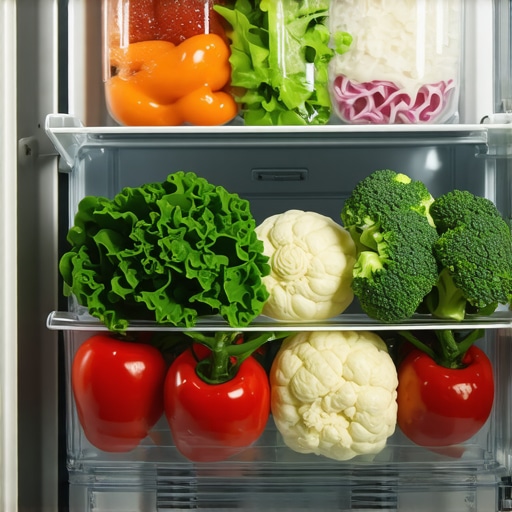
It was a typical Saturday morning when I opened my fridge to grab some fresh veggies for brunch. To my surprise, the crisper drawer was filled with icy, frozen vegetables that should have been crisp and fresh. I remember scratching my head, feeling frustrated and perplexed—how did my lettuce and carrots turn into frozen bricks overnight?
That lightbulb moment made me realize I wasn’t alone. Many folks struggle with their refrigerators unexpectedly freezing produce, which not only ruins the food but also leaves you scratching your head, wondering what went wrong. Believe it or not, this common problem can stem from simple settings or mechanical issues that are easily fixable once you know what to look for.
Today, I’m going to share the practical steps I used to troubleshoot and resolve this freezing dilemma. If you’ve experienced the same frustration—your vegetables turning to ice without warning—then you’re in the right place. By the end of this guide, you’ll understand the root causes and how to prevent your produce from turning into frozen mush.
Why Your Refrigerator Fights Your Vegetables
Refrigerators are designed to keep food cold and fresh, but sometimes they go a bit overboard. The crux of the problem often lies in temperature settings, door seals, or even defrosting mechanisms. An improperly set thermostat can cause the fridge to overcool, leading to ice buildup in the crisper drawer. Likewise, a faulty door seal might let cold air seep in or escape, disrupting the fridge’s internal temperature balance.
In my early days of troubleshooting, I made a crucial mistake—I overlooked the importance of checking the temperature settings first. I thought my fridge was working fine because it was cooling in the main compartment, but I ignored the fact that the crisper might have a separate thermistor or be affected by uneven cooling. This early misstep taught me that understanding your specific refrigerator model’s design is key.
According to appliance experts, maintaining a temperature between 37°F and 40°F (3°C – 4°C) is ideal for most refrigerators and prevents food spoilage or freezing. An external study even found that improperly calibrated cooling temperatures are one of the main causes of refrigerator inefficiency and food quality issues.
By paying close attention to these details, I managed to fix the problem and keep my vegetables fresh for longer. Now, let’s dive into the steps I took to stop my fridge from freezing my produce—and how you can do the same.
Adjust the Temperature Settings Immediately
First, locate your fridge’s control panel—it’s like the thermostat of your home. Turn the temperature dial to between 37°F and 40°F (3°C – 4°C), the sweet spot that keeps food fresh without freezing. I remember one Saturday when I adjusted mine, and overnight, my lettuce stayed crisp instead of turning into an ice cube. Many fridges have a digital display—use it to set precise temperatures, avoiding the guesswork that leads to overcooling.
Check and Seal the Door Properly
Next, inspect the door seals—think of them as the fridge’s doorbelt, preventing cold air from leaking out. To test the seal, close the door on a piece of paper or a dollar bill; if it slips out easily, the seal might be worn. I once replaced a faulty gasket myself by removing the old rubber and pressing in a new one—an easy, cost-effective fix. Proper sealing ensures consistent temperature, stopping unwanted freezing in the crisper. For detailed steps, visit their guide on choosing the right refrigerator.
Examine the Temperature Sensor
The sensor that monitors and controls cooling can malfunction, causing uneven temperatures. It’s like a thermostat gone rogue. Use a multimeter to test resistance according to your model’s specs; if readings are off, replace it. I once ordered a new sensor after a quick diagnosis, and my freezer temperatures stabilized. Ensuring this component works correctly prevents the refrigerator from overcooling specific areas, especially the crisper drawer, which is designed for produce—not ice cubes.
Defrost and Clean the Coils Regularly
Dirty coils act like a congested airflow system, forcing the fridge to work harder—sometimes overcooling parts unknowingly. Turn off the fridge, unplug it, and clean the coils with a vacuum or coil brush—like clearing the filters in a washing machine. In my experience, a quick coil cleaning reduced my electricity bill and improved temperature control overnight. A reactively cleaned coil keeps the airflow balanced, preventing produce from freezing unexpectedly. For best results, check out their coil cleaning tips.
Organize the Inside for Better Airflow
Overstuffed fridges block vents and disrupt airflow, leading to uneven temperatures. Imagine a crowded subway—air can’t circulate properly. I learned this the hard way when my leafy greens froze, despite setting the correct temperature. I reorganized my fridge, gave space around items, and made sure vents weren’t blocked. Keeping clear zones promotes proper cooling, avoiding unintended freezing. Some models include adjustable shelves that help customize airflow paths for optimal cooling.
When it comes to home appliances like washing machines, dishwashers, refrigerators, and smart gadgets, many homeowners believe they understand how to operate and maintain them effectively. However, even seasoned users often fall into traps because of nuanced misconceptions or overlooked details. Let’s dig deeper into common myths and advanced mistakes that can undermine the efficiency and lifespan of your appliances.
One prevalent misconception is that setting appliances to the highest efficiency modes always benefits performance. For example, many believe that using eco-settings on dishwashers automatically saves water and energy without consequences. But according to experts, certain eco modes can extend cycle times significantly, risking inadequate cleaning or rinsing. This could lead to residue buildup or the need for rewashing, ironically negating the intended resource savings. For a smarter approach, consider understanding how these modes operate—sometimes, a regular cycle with proper maintenance yields better results. For in-depth advice, check out our guide on energy-saving dishwasher settings.
Another trap many fall into is neglecting the importance of maintenance before problems become obvious. A common mistake is ignoring the buildup of mineral deposits or mold within washers and refrigerators, assuming these won’t impact performance. Yet, a recent study by appliance specialists highlights that neglected cleaning of filters and coils not only reduces efficiency but can cause parts to wear prematurely or lead to costly repairs. Regular cleaning and timely replacement of filters are vital. For example, cleaning refrigerator coils can significantly lower energy consumption—more than just extending appliance life, it conserves money. For practical tips, visit their coil cleaning guide.
A nuanced point often overlooked pertains to smart appliances and how users interpret their notifications and settings. Many think that these devices, like Wi-Fi-enabled washers or smart refrigerators, require no manual intervention or oversight. However, this can lead to rookie missteps. For instance, a common misconception is that smart features automatically optimize your appliance’s functioning without any user input—yet, advanced users know proper calibration, firmware updates, and understanding app alerts are necessary for peak performance. Ignoring these can lead to issues like connectivity drops or sub-optimal operation.
### Are Smart Appliances Really Set-and-Forget Devices?
The answer is a resounding no. While they offer convenience, they require a proactive user approach to prevent bugs or misconfigurations from impairing performance. Regularly checking for updates, understanding notification alerts, and performing calibration tests can extend their lifespan and effectiveness. Industry specialists emphasize engaging with your smart appliances actively—for example, routinely reviewing app settings—to maximize their benefits. To learn more about leveraging smart technology effectively, visit smart appliance tips.
Lastly, many assume that newer appliances are invulnerable to common issues. This myth can be dangerous. For instance, believing that a new washer or refrigerator doesn’t need regular filter changes or coil cleanings can lead to premature failure. A recent report from appliance engineers shows that neglecting basic maintenance accelerates wear, even in high-end devices. Regular checkups, cleaning routines, and understanding the subtle signs of aging—like increased cycle times or unusual noises—are crucial.
In conclusion, achieving optimal performance from your appliances involves more than just initial setup. Avoiding myths, understanding these nuances, and proactively maintaining your devices will save you money and frustration. Have you ever fallen into this trap? Let me know in the comments.Maintaining your home appliances efficiently isn’t just about occasional cleaning—it’s about using the right tools and establishing a routine that extends their lifespan and improves performance. Personally, I swear by certain equipment and software that help me stay ahead of potential issues, ensuring my washing machines, dishwashers, and refrigerators operate flawlessly over time. One essential tool is a high-quality multimeter, which I use regularly to verify the integrity of electrical components like sensors and thermostats. For instance, when my smart washer started acting up, testing its wiring with a multimeter revealed a faulty connection that was easy to fix before it caused more damage.
How do I maintain appliances over time?
Adopting a proactive maintenance plan is vital. I schedule monthly inspections of door seals, filters, and coils, because neglected parts often lead to costly repairs down the line. For example, cleaning refrigerator coils with a coil brush and vacuum, as recommended by industry experts, can lower your energy consumption and prevent freezing anomalies. Additionally, investing in smart monitoring devices—like Wi-Fi-enabled leak detectors or energy monitors—gives real-time data that empowers me to detect issues early, often before they impact daily use. One trend I foresee is increased automation in appliance maintenance, driven by IoT integrations that notify you when something needs attention, making routine upkeep far easier. For appliance enthusiasts, familiarizing yourself with tools like these and scheduling regular inspections is the best way to keep everything functioning efficiently. To enhance your maintenance routine, I highly recommend trying out the latest diagnostic kits that connect with your smartphone, giving detailed insights into your appliance’s health. You can find quality options and tips on our contact page. Looking ahead, stay tuned for AI-driven systems that autonomously diagnose and order repairs, further reducing downtime and inconvenience. Taking these steps now can make a significant difference in the long-term performance and reliability of your home appliances—don’t wait until a small problem becomes a costly repair.
Lessons Hidden Beneath The Surface of Appliance Fixes
One of the most profound realizations I experienced was that seemingly minor details hold the key to saving hundreds of dollars and countless frustrations. For instance, I indulged in the assumption that my refrigerator’s thermostat was set correctly without verifying its actual temperature. When vegetables froze unexpectedly, the lightbulb went off—small adjustments in this area can make a world of difference.
Another lesson was understanding the role of door seals beyond just preventing leaks—they maintain consistent internal temperatures. Replacing a worn gasket was a game-changer, highlighting that simple maintenance tasks often unlock long-term performance improvements. Sometimes, I’ve found that trusting manufacturer guidance over guesswork, like visiting official repair resources, accelerates fixing issues without costly service calls.
Moreover, integrating regular coil cleaning into my routine didn’t just improve cooling efficiency—it also extended appliance life and saved energy. These little insights, learned from my troubleshooting journey, form the core of smarter, longer-lasting appliances. Remember, it’s often the small, overlooked details that block or boost your appliance’s performance—and knowing them gives you confidence in maintaining your home.
My Essential Toolkit for Appliance Care
Trust isn’t built overnight. I personally rely on tools like a high-quality multimeter for diagnosing electrical issues—believe me, it’s a lifesaver when tackling sensor malfunctions in smart appliances. A dedicated coil brush and a microfiber cloth have become staples in my cleaning arsenal, ensuring vents and coils stay free of dust and grime, which significantly improves efficiency.
For troubleshooting, I turn to reliable sources such as the comprehensive guides on smart appliance maintenance, providing step-by-step methods that reduce guesswork. And for upgrades, I often explore recent reviews of innovative features in smart dishwashers and refrigerators, staying ahead in the home appliance revolution. Investing in tools and trusted knowledge has empowered me to tackle issues proactively, preventing small problems from snowballing into costly repairs.
Your Next Step to Smarter Living
Don’t let appliance mysteries hold you back—embrace the small yet impactful actions that extend the life and performance of your home devices. Every tweak, from adjusting temperature settings to regular coil cleaning, makes a tangible difference. The future of home appliances is exciting, with smart technology and automation continuously evolving, but often, the best improvements start with simple, mindful maintenance. Trust in these practical steps, and you’ll enjoy a smoother, more efficient home for years to come.
What’s one correction you’re ready to make today to improve your appliance’s performance? Share your plans below—I’d love to hear your experience!
,