

I remember the moment vividly—standing in my kitchen late at night, hearing that steady humming from my fridge, only to realize it wasn’t cooling my groceries anymore. It was a lightbulb moment for me. That familiar hum, which once signaled normal operation, suddenly felt like a warning sign. Fridges are supposed to keep our food fresh, not turn our kitchen into a tropical paradise or a frozen wasteland without any warning.
Dealing with the Fridge That Sounds Fine but Drinks Are Warming Up
It’s frustrating, isn’t it? The hum is steady, almost reassuring, but your food isn’t cold enough. You start questioning—”Did I forget to set the thermostat? Is the compressor acting up?” Before you panic or call in an expensive repair, I want to share some insights based on my own experience and deep dives into appliance troubleshooting. Today, we’ll uncover the common causes behind a humming fridge that’s not cooling and, more importantly, how to fix them.
Is It Really Worth Fixing, or Should I Just Replace It?
Initially, I thought every problem meant I needed a new fridge. But after some research—and a few failed attempts—I learned most issues are fixable, especially if caught early. Did you know that according to appliance repair experts, many common fridge problems can be solved with simple maintenance or minor repairs? So, don’t jump to conclusions just yet. To avoid costly replacements, start with diagnosing the real issue. Want to dive deeper? Check out tips from industry experts on choosing the right refrigerator to ensure your next model lasts longer.
Now, you might be wondering: why does a humming noise sometimes mean trouble instead of normal operation? Well, that’s what we’re about to explore. But first, I want to ask—have you ever faced this specific problem with your fridge? Drop a comment below or visit our contact page if you’re ready for tailored advice.
Check the Condenser Coils
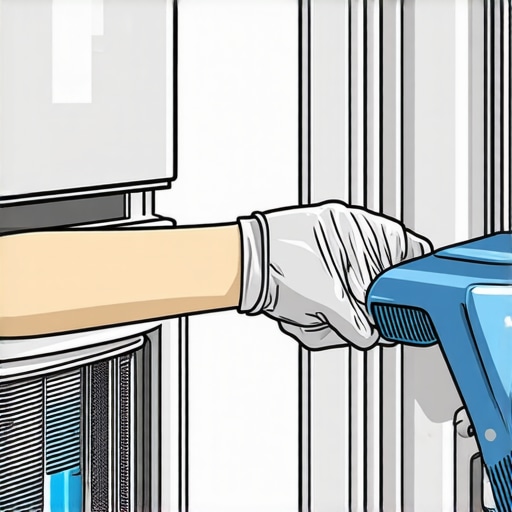
Start by unplugging your fridge and locating the condenser coils, usually at the back or beneath the unit. Use a vacuum or a coil brush to clear dust and pet hair buildup, as clogged coils make the compressor work harder, often resulting in humming sounds and reduced cooling efficiency. I once spent an hour cleaning my coils, and the fridge started cooling normally again, saving me a costly repair.
Inspect the Evaporator Fan
Open the fridge door and listen for the fan noise when the compressor runs. If the fan blades are obstructed or the motor is failing, it can cause both humming and inadequate cooling. To test, gently spin the blades; they should turn freely. If they don’t, remove any debris or ice build-up. Replacing a faulty fan motor is straightforward and can be DIY with some basic tools. Learn more about common smart fridge issues here.
Examine the Compressor
The compressor is the heart of your fridge, and a humming noise here can indicate it’s struggling or failing. Feel behind the unit for excessive heat or vibration. If the compressor vibrates loudly or runs continuously without cooling efficiently, it may need professional repair or replacement. Sometimes, re-seating the compressor’s connections or ensuring it’s well-ventilated helps. Remember, compressor issues are more complex; consult a technician if simple fixes don’t work.
Test the Start Relay and Capacitor
These components help the compressor start and run smoothly. If faulty, they can cause humming without cooling. Unplug the fridge, locate these parts on the compressor, and test with a multimeter. Replacing a bad start relay is an inexpensive fix that can restore normal operation. Properly functioning start components are vital for compressor health and quiet operation.
Verify the Thermostat Settings
Sometimes, the issue isn’t mechanical but settings-related. Ensure your thermostat is set to an appropriate temperature, typically between 37°F and 40°F for fresh food. A setting that’s too high can make the fridge seem warm despite a hum, which is normal. Adjust the thermostat, and give the fridge several hours to stabilize.
Assess for Evaporator Coil Freezing
If the coil is frozen over, airflow diminishes, and the compressor runs constantly, causing humming. Defrost the fridge completely if you notice ice buildup, then monitor if the cooling improves. Regular defrosting and cleaning prevent ice accumulation, especially in older models without automatic defrost features.
Many homeowners assume they understand how their appliances work, but in reality, several widespread beliefs are myths that can lead to mishandling and premature repairs. For instance, a common misconception is that all dishwashers require rinse aids for optimal drying, but recent models with advanced technology reduce or eliminate this need, saving you money and effort. Similarly, many think that refrigerators should be turned off during vacations to save energy; in truth, a well-set, properly maintained fridge consumes minimal electricity even when you’re away, and turning it off risks food spoilage. Regarding washing machines, it’s often believed that overloading ensures thorough cleaning, yet this actually strains the machine’s motor and hampers effectiveness. Instead, following the manufacturer’s load recommendations yields better results and prolongs the appliance’s life. Navigating smart appliances can be especially tricky; many users mistakenly assume that they require constant internet connectivity, but many smart models are designed to function offline with local controls, enhancing privacy and reliability. A key trap to avoid is the belief that higher temperature settings always mean cleaner dishes or clothes. While heat aids in disinfection, excessively high temperatures can damage fabrics or seals, and modern machines often feature optimal settings that balance cleanliness with preservation. Experts warn that ignoring these nuances can lead to waste and frustration; for example, using the highest energy modes indiscriminately increases utility bills without necessarily improving performance. To get the most from your appliances, understanding these subtleties is crucial. For instance, choosing refrigerators with adaptive cooling can keep food fresher longer and reduce energy consumption—check out what the top features are in 2025. Likewise, smart dishwashers equipped with AI can optimize water and detergent use, a trend detailed in the latest innovations in dishwashers. Recognizing these misconceptions not only saves money but also extends the lifespan of your appliances. Have you ever fallen into this trap? Let me know in the comments.
Equip Yourself with Precision Tools for Appliance Care
Maintaining modern appliances like smart refrigerators and efficient washing machines requires more than just basic know-how—having the right tools can dramatically extend their lifespan. I personally rely on a high-quality digital multimeter to test electrical components such as start relays and capacitors, ensuring early detection of failing parts before they cause major issues. Additionally, a compressed air blower and soft brushes are indispensable for cleaning dust and debris from coils and filters, which directly impacts performance and energy efficiency. Using these tools allows me to perform detailed diagnostics and routine cleanings without unnecessary professional interventions, saving time and money.
Adopt Digital Tools for Optimal Performance Tracking
Beyond physical tools, I’ve integrated smart monitoring apps tailored for home appliances. For instance, the app connected to my smart dishwasher alerts me when maintenance is due or if a spray arm needs cleaning—preventing breakdowns. Modern smart appliances often feature diagnostic modes accessible via their dedicated apps; exploring these can give you insights into operation inefficiencies. I recommend regularly updating device firmware through official apps, as manufacturers frequently release improvements and security patches that enhance long-term functionality. For example, staying on top of firmware updates has helped me prevent unexpected shutdowns and optimize energy use, aligning with trends highlighted in the future trends for 2025.
Focus on Long-Term Results Through Consistent Care
Consistent maintenance is key. I schedule bi-annual deep cleans of filters and coils, using recommended cleaning solutions and brushes like the ones discussed in this guide. Additionally, keeping detailed logs of repairs and replacements has allowed me to identify recurring issues and proactively address them. For example, tracking compressor vibrations helped me notice when a mount was loosening, preventing costly failures. Implementing routine checks and utilizing diagnostic tools can significantly reduce the need for emergency repairs and maintain appliance efficiency over the years.
Scaling Up Maintenance Efforts for Larger or Multiple Devices
If you’re managing several appliances, automation tools can be game-changers. Smart hubs and integrated apps can synchronize maintenance schedules, send reminders, and even suggest optimization settings. For instance, I connect my refrigerator, washer, and dishwasher to a smart home hub, allowing coordinated updates and troubleshooting across devices. As the smart appliance market evolves, I predict a move toward AI-powered predictive maintenance, where appliances learn usage patterns and alert us to potential faults before they occur. Keep an eye on emerging technologies like predictive diagnostics, which are set to revolutionize appliance care further. Dive into the latest innovations with this comprehensive review.
How do I maintain appliances over time?
The key is establishing a consistent routine of inspections, cleaning, and firmware updates while leveraging the right diagnostic tools. Regularly scheduled maintenance complemented by smart monitoring ensures your appliances function efficiently and last longer. I encourage you to try integrating a multi-meter or diagnostic app into your routine—these tools provide immediate insights into underlying issues, preventing minor hiccups from becoming major failures. Investing in these tools today can save substantial expense and hassle tomorrow.
What I Wish I Knew Before Ignoring Routine Checks
- Learned that small daily habits, like quick coil inspections, can prevent major breakdowns—saving money and frustration.
- Discovered that trusting intuition about unusual sounds often leads to early fixes, rather than waiting for problems to worsen.
- Realized that modern appliances are smarter but require equally smart maintenance routines; neglecting firmware updates can cause unexpected glitches.
Tools and Resources That Have Transformed My Care Strategy
- A high-quality digital multimeter has become my go-to for diagnosing electrical issues, giving me peace of mind and quick fixes.
- Smart monitoring apps connected to my appliances provide real-time alerts and tips, making proactive maintenance simple and accessible.
- Online communities and expert blogs like this guide have offered invaluable insights that I trust for long-term appliance health.
Taking Action Can Honestly Revamp How You See Appliance Maintenance
“Your decision to start small with routine diagnostics today can lead to a future where your appliances serve you longer and better. Embrace the learning curve, trust your tools, and become the home maintenance hero you were meant to be.” Do you remember a time when a minor fix saved you from costly repairs? Share your story below!