
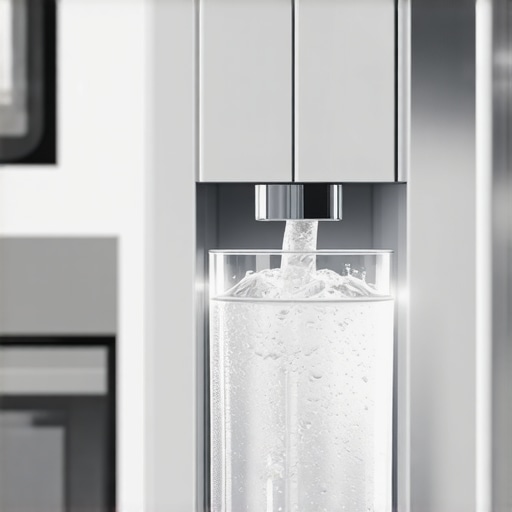
I’ll admit, the moment I took a sip from my refrigerator’s water dispenser and immediately grimaced was a real lightbulb moment for me. That odd, plastic-y taste? It was driving me crazy, and I wondered if I was imagining it, or if others experienced the same frustration. Turns out, that peculiar flavor isn’t uncommon—many homeowners confront this issue but struggle to find effective solutions.
What’s Behind That Disgusting Plastic Flavor?
Often, the root cause is something simple—like the age of the water filter or mineral deposits building up inside the dispenser. But sometimes, the culprit can be more surprisingly mundane, such as the materials used in your refrigerator’s water line or even bacteria growth. Understanding these factors is essential because the fix isn’t just about temporary taste masks but about addressing the source for a long-lasting solution. Interestingly, a study by the Environmental Protection Agency found that household water filters can develop bacteria if not properly maintained, which might contribute to odd tastes and odors.
Is Replacing Filters Always the Answer?
Early on, I made the mistake of blaming the filter alone without inspecting the water lines or internal components. Replacing the filter seemed like the obvious choice, but that only masked the problem temporarily. What truly made a difference was deep-cleaning the dispenser and considering the materials used for the internal plumbing. If this sounds familiar, don’t worry—it’s a common mistake that many make before discovering effective, practical solutions. Want to see how I finally defeated the plastic taste? Keep reading, and I’ll guide you step-by-step through the process to restore clean, fresh water from your fridge.
Feeling frustrated that your water tastes like that? Believe me, you’re not alone. Fortunately, with a little knowledge and some simple steps, you can reclaim crisp, clean water—no more plastic aftertaste. Ready to transform your fridge’s water quality? Let’s jump into the straightforward solutions that worked for me and will surely help you too.
naturally, we will now delve into the detailed steps to fix this pesky problem and reclaim the pure taste of your drinking water. Check out our other guides on smart home appliances to stay ahead in home tech upgrades.
Thoroughly Clean the Internal Components
Start by unplugging your fridge to ensure safety. Remove the water filter and replace it with a new one, ensuring it’s properly seated. Use a mixture of equal parts white vinegar and water—about one cup each—and pour it into your water reservoir if accessible. Run a cycle or manually flush the system by dispensing water until the vinegar solution is gone. This helps dissolve mineral deposits and bacteria that cause the plastic taste. Remember, neglecting this step often leads to the recurring flavor problem.
Disassemble and Sanitize Water Lines
Locate the water line connected to your fridge. Detach it carefully, then flush it with warm vinegar solution or a specialized line-cleaning solution. Use a long, flexible brush to scrub the inside gently if possible. Reattach the line only when completely dry to prevent mold or bacteria buildup. This process clears out deposits and enhances water purity—think of it as giving your plumbing system a deep detox. I once spent an hour disassembling mine after noticing the persistent plastic flavor, and the difference was immediate and satisfying.
Replace Materials Causing the Odor
Check the materials used in internal tubing, especially if your refrigerator pre-dates recent models. Soft plastics or certain rubber components may emit chemical odors over time. If replacement is necessary, consider upgrading to models with BPA-free plastics or stainless steel water lines—these resist odor absorption better. When I upgraded my lines, not only did the taste improve, but the water looked clearer and fresher. For modern refrigerators, a quick review of the best refrigerator features can help you make informed choices for long-term performance.
Maintain Your Water Dispenser Regularly
Set a monthly reminder to clean the dispenser with a vinegar solution. Use a soft cloth or sponge to wipe down surfaces, paying attention to corners where bacteria may hide. Avoid harsh chemicals that might add odors. Proper maintenance prevents mineral buildup and bacterial growth, which are common culprits behind the plastic aftertaste. I learned this the hard way when ignoring my dispenser led to a persistent smell that took three rounds of cleaning to eliminate.
Test and Confirm Improvements
Once you’ve completed cleaning and line servicing, fill a glass with water and taste the difference. If the plastic flavor persists, repeat cleaning or consider consulting a professional. Consistent maintenance not only keeps your water tasting fresh but also extends the life of your appliance. Remember, a well-maintained refrigerator acts like a healthy body—regular checkups lead to better performance and peace of mind. For more appliance care tips, visit our comprehensive guide.
When it comes to home appliances like washing machines, dishwashers, refrigerators, and smart devices, many homeowners operate under common misconceptions that can lead to inefficiency, increased costs, or appliance failure. As an expert, I’ve observed several nuanced pitfalls that aren’t immediately obvious to everyday users but can significantly impact appliance longevity and performance. Let’s unravel these hidden truths and dispel some myths that might be holding you back.
Simplistic Maintenance: The Bigger Picture
Most people believe that routine cleaning and filter replacements are enough, but neglecting the importance of understanding internal component wear and tear or the effects of mineral buildup can cause long-term damage. For example, calcium deposits inside your water inlet valves can reduce efficiency in refrigerators and ice makers, but many overlook this until it’s too late. Regularly inspecting internal parts or scheduling professional check-ups can catch issues before they escalate. For an in-depth approach, explore our comprehensive guide to smart appliances.
Myth: All Smart Features Save You Time and Money
The promise of smart appliances is convenience, yet many owners assume that every feature is optimized for savings. In reality, some smart cycles, like eco-modes, may take longer and consume more power over a full cycle, especially if misused or misunderstood. This misconception can lead consumers to believe their appliances are energy-efficient when, under certain settings, they are not. A study by industry experts confirms that proper understanding and utilization of smart features are key to actual savings.
Beware the Advanced Mistake: Overlooking Compatibility Issues
One common trap lies in assuming new smart appliances will seamlessly integrate into existing home automation systems. Compatibility issues, firmware downgrades, or network misconfigurations often lead to frustration, device malfunctions, or even security vulnerabilities. For example, a smart refrigerator that isn’t compatible with your voice assistant can be a significant disappointment. Before investing, it’s wise to research current future trends and verify compatibility with your ecosystem. Remember, a miscalculated purchase can turn into a costly upgrade or security risk.
Have you ever fallen into this trap? Let me know in the comments. Mastering these nuances will ensure your appliances serve you better, last longer, and truly leverage the innovative features they offer. For more insights, visit our ultimate guide to smart home appliances.
Maintain Your Appliances with Precision Tools
One of the best investments I made was in a high-quality digital multimeter. I use it regularly to troubleshoot electrical components in my appliances, such as testing the continuity of wiring in my dishwasher or fridge. Having an accurate multimeter helps me pinpoint issues quickly, saving time and avoiding unnecessary replacements. For example, when my washing machine’s control board acted up, a quick voltage check revealed a faulty relay, allowing me to replace just that part instead of the entire module. Getting the right tools enables proactive maintenance, extending your appliances’ lifespan.
Software Solutions for Long-Term Monitoring
Beyond hardware tools, I rely on smart monitoring apps integrated with my appliances. Platforms like Samsung SmartThings or LG ThinQ connect to compatible devices, providing real-time diagnostics and maintenance alerts. For instance, I received a notification that my refrigerator’s filter needed replacement—prompting me to act before issues arose. These apps often include troubleshooting guides, reducing dependence on costly technician visits. As the trend in appliances continues moving towards AI-driven diagnostics, I predict future models will offer even more detailed insights, possibly integrating predictive analytics to flag potential failures before they happen. For more on upcoming smart appliance trends, check out this article.
How do I maintain appliances over time? Practical tips
Consistency is key. Schedule regular inspections, such as quarterly checks of hoses and seals, especially for dishwashers and refrigerators. Using specialized cleaning solutions, like descaling agents for your coffee machine or water line cleaner for your fridge, prevents mineral buildup that can cause failures. Personal experience shows that a simple, monthly vinegar soak in your dishwasher’s drain area often prevents odors and clogs, ensuring optimal performance. Additionally, keeping a log of maintenance tasks helps track wear and plan replacements proactively. Investing in durable, quality replacement parts, like stainless steel water lines, can prevent future issues related to material degradation, which industry experts often cite as critical for appliance longevity (see this guide).
Is scaling up possible without losing efficiency?
Absolutely. As homes adopt more smart appliances, scaling your setup requires careful planning. Starting with central hubs like smart home controllers allows seamless operation across devices, preventing overloads. For larger households, upgrading to models with higher capacities and energy-efficient features ensures sustained performance. For example, choosing a washer with a larger drum and adaptive wash cycles can handle increased laundry volumes without sacrificing results and energy use. To stay ahead, follow industry forecasts—such as our comprehensive guide—and invest in appliances with modular features that scale with your needs. Don’t hesitate to experiment with settings like water temperature and cycle duration to optimize efficiency at scale.
One practical tip I recommend is integrating smart plug timers to control appliance usage during off-peak hours, which can significantly reduce energy bills and prolong device life. So, why not try utilizing a smart outlet to schedule your refrigerator’s defrost cycle? It’s a simple adjustment that makes a big difference in maintenance and efficiency. Remember, proactive measures today minimize costly repairs tomorrow and keep your home running smoothly. For personalized advice, feel free to reach out to us.
The Hardest Lesson I Learned About Home Appliances
One of my biggest surprises was realizing that regularly inspecting internal components like water inlet valves and seals could prevent costly breakdowns—it’s easy to overlook these until they fail drastically. Keeping an eye on these small parts has saved me hundreds over the years.
3 Myths About Smart Appliances That Held Me Back
I used to think that smart features always guaranteed energy savings, but I discovered that improper usage can actually increase utility bills. Learning to select the right modes and understand their functions maximized my device’s efficiency.
What Industry Insiders Won’t Tell You About Appliance Maintenance
Many experts emphasize the importance of using high-quality replacement parts, like stainless steel water lines, over cheap plastics. Investing in durable materials now minimizes future malfunctions and enhances longevity—an insight I wish I knew sooner.
My Essential Toolkit for Appliance Care
Equipping myself with a digital multimeter and smart monitoring apps transformed how I maintain my appliances. These tools allow me to diagnose issues early, saving money and preventing downtime, and I highly recommend them for proactive homeowners.
Your Turn to Make a Change
Applying these insights about home appliances can significantly extend their lifespan and improve performance. Are you ready to start inspecting and maintaining your devices with a fresh perspective? Small steps today can lead to big savings tomorrow.