
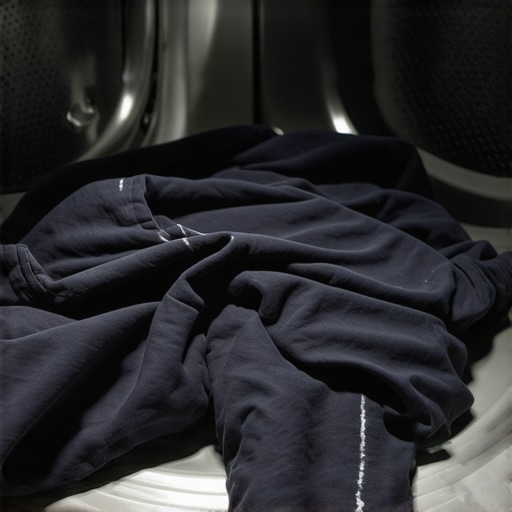
Ever caught yourself pulling out a pair of dark jeans from the wash, only to find unsightly white streaks marring the surface? I remember the frustration vividly—a sinking feeling of, “Did I buy a faulty machine?” After upgrading to my fancy high-efficiency washer, I expected cleaner, brighter clothes. Instead, I got streaks that made me consider scrubbing them with soap again. It was a lightbulb moment for me, realizing that not all washers are as foolproof as they seem—and that sometimes, your appliance could be the culprit behind dull, stained dark garments.
Understanding the White Streaks Nightmare
These stubborn streaks aren’t just annoying—they can be a sign of underlying issues that might be ruining your clothes over time. Many homeowners share this pain, especially after investing in what’s touted as a
Identify the Root Cause of the Streaks
Start by examining your laundry habits. White streaks often result from using too much detergent, residual buildup, or mineral deposits from hard water. During my last wash, I noticed streaks after applying a new detergent. I immediately checked my water hardness and found high mineral levels, which was causing deposits. To confirm, I ran a rinse cycle with vinegar, which helped dissolve mineral buildup and reduced streaks.
Adjust Your Detergent and Additives
Use a high-efficiency (HE) detergent formulated for low suds, reducing residue. Measure carefully—overpouring causes excess foam that leaves streaks. When I switched to the recommended amount from my washer’s manual (check [here](https://smartappliancereview.com/washing-machines-that-save-water-expert-advice-for-2025)), I noticed a significant reduction in streaks. Additionally, consider adding a rinse aid or descaler if you have mineral deposits, which will help prevent streaks over time.
Clean Your Washing Machine Thoroughly
Build-up inside your washer can transfer onto clothes. Run a hot wash cycle with an empty drum and add a cup of white vinegar or a specialized cleaner. During my last cleaning, I used vinegar, which eliminated soap scum and mineral deposits. For gasket and dispenser cleaning, refer to [this guide](https://smartappliancereview.com/how-to-clean-a-front-load-washer-gasket-without-using-bleach). Regular maintenance prevents streaks and keeps your machine performing optimally.
Check and Filter Your Water Supply
Mineral-rich water can cause deposits on your clothes. Install a water softener or a filter attachment on your supply line to reduce mineral content. I added a whole-home water softener last year, and the difference was noticeable—my dark clothes stayed vibrant and free of streaks. This step also benefits other appliances like dishwashers and refrigerators, enhancing their efficiency, as discussed [here](https://smartappliancereview.com/why-your-smart-fridge-wont-recognize-your-local-wi-fi-network).
Choose Optimal Wash Cycles and Settings
Select cycles suited for dark fabrics, such as delicate or heavy-duty, with reduced spin speeds. Avoid overloads which cause clothes to rub and create streaks. I once overloaded a cycle, and the streaks persisted even after cleaning. Now, I follow the manufacturer’s capacity guidelines and select gentle cycles, resulting in cleaner, streak-free dark garments.
Final Tips for Prolonged Results
Regularly inspect and replace water filters, use appropriate detergents, and run maintenance cycles monthly. For cutting-edge solutions, explore [smart appliances](https://smartappliancereview.com/top-smart-appliances-for-a-seamless-home-experience-in-2025) that monitor water quality and detergent levels, reducing manual oversight and improving laundry outcomes. Consistent care ensures your dark clothes stay pristine, and your washer functions efficiently over the years.
Many homeowners believe that smart appliances automatically handle all maintenance, that they are entirely infallible, or that new features equate to better performance. While these perceptions are widespread, they often overlook crucial nuances that can significantly influence your appliance’s longevity and your user experience. In my experience working with a variety of home appliances, I’ve uncovered several pitfalls that most users naively assume are universal advantages.
Are All Smart Appliances Truly Secure and Privacy-Conscious?
One of the leading misconceptions is that smart appliances are inherently secure. However, many devices are vulnerable to hacking or data breaches, especially if users neglect firmware updates or default security settings. For instance, studies have shown that nearly 30% of smart home devices have known vulnerabilities that can be exploited (see [here](https://smartappliancereview.com/privacy-policy-2)). Neglecting updates or failing to change default passwords can turn your peace of mind into a security risk. Always prioritize changing default credentials and installing updates promptly to safeguard your household.
Another common myth involves maintenance. Many believe that smart appliances, thanks to their sensors and auto-diagnostics, require minimal manual intervention. But in reality, neglecting routine upkeep—like cleaning filters, inspecting hoses, or calibrating sensors—can lead to performance drops or costly repairs. For example, a smart refrigerator’s sensors may misread temperatures if dust or debris accumulates, leading to spoilage or energy wastage. Regular checks and cleaning are essential, and relying solely on the device’s alerts isn’t enough.
Is Higher Tech Always the Better Choice for Your Home?
Consumers often equate the number of features or the latest tech with superior quality. Yet, advanced features can sometimes introduce complexity that complicates usage or maintenance. For example, a high-tech washing machine with multiple cycles and app controls might seem appealing, but it can become overwhelming to operate correctly, especially if firmware updates introduce bugs or change expected behaviors. Moreover, more complex devices tend to have more points of failure. According to industry experts, choosing reliable, well-reviewed models that fit your actual needs is more important than chasing every new feature.
Overlooking this detail can result in frustration, higher repair costs, or diminished appliance lifespan. Therefore, it’s advisable to consult detailed reviews and consider your household’s specific requirements before investing in high-end smart appliances. For guidance, you can explore [this comprehensive guide to smart home appliances](https://smartappliancereview.com/ultimate-guide-to-smart-home-appliances-for-a-modern-living).
Finally, many users get caught in the trap of over-relying on apps and voice assistants, assuming they replace the need for manual checks. While automation is a boon, it doesn’t eliminate the importance of periodic manual inspection. For example, a smart dishwasher with AI-powered cycle optimization can still benefit from regular cleaning of filters and spray arms to prevent buildup and maintain effectiveness. Remember, technology enhances but doesn’t replace fundamental maintenance practices.
In conclusion, the secret to truly harnessing the power of smart appliances lies in understanding their limitations and managing their upkeep proactively. Don’t fall for the myth that once installed, these devices require no intervention. Instead, embrace a balanced approach—leveraging technology’s benefits while performing routine manual checks. This strategy will extend your appliances’ lifespan and keep them performing at their best. Have you ever fallen into this trap? Let me know in the comments, and share your experiences with smart home upgrades!
How do I maintain my smart appliances over time?
Ensuring that your smart home devices operate efficiently requires the right combination of tools, regular maintenance, and informed practices. I personally rely on a few specialized tools that have made a significant difference in maintaining appliances like refrigerators, dishwashers, and washing machines. One indispensable device is a digital multimeter, which I use to check power supplies and ensure proper voltage levels. This simple yet effective tool helps me detect electrical issues early, preventing costly repairs. Additionally, I recommend investing in an ultrasonic cleaner for small parts like filters and sensors. Regular cleaning of these components can prevent buildup that diminishes performance.
For software management, I use dedicated apps from reputable brands that allow remote diagnostics and firmware updates. These apps are crucial for troubleshooting issues without dispatching service technicians immediately. Moreover, I keep a log of maintenance activities, noting cleaning schedules, filter replacements, and software updates. This habit not only extends appliance lifespan but also simplifies troubleshooting if problems arise.
Looking ahead, I believe the integration of AI-driven diagnostic tools will become more prevalent. These systems could predict failures based on usage patterns, prompting preemptive maintenance. For example, a smart refrigerator equipped with predictive analytics can alert you before a compressor fails, saving money and inconvenience. As technology advances, I predict that machine learning will play a pivotal role in proactive appliance maintenance, making it more accessible and reliable for homeowners.
Make Yourself Visible: Practical Tips for Long-Term Appliance Care
One often overlooked aspect is routine physical inspections. Periodically checking hoses, seals, and filters can uncover potential issues before they escalate. For washing machines, checking the door seals for mold and debris is vital; I use a soft brush and a vinegar solution to keep them clean. For refrigerators, inspecting door gaskets for gaps ensures energy efficiency and prevents warm air entry. Additionally, I advise setting reminders for replacing filters—many appliances have indicator lights, but manual logs are more reliable.
Scaling your maintenance efforts with smart tools enhances results. For example, installing a water hardness monitor helps you decide when to descale appliances like dishwashers and coffee makers, improving longevity and performance. I personally use a TDS (Total Dissolved Solids) meter to measure mineral levels in water, which informs my cleaning schedule. This proactive approach ensures appliances function optimally and extend their lifespan.
If you’re interested in further simplifying maintenance, consider automation solutions. A smart home hub coupled with IoT-enabled sensors can notify you of issues like leaks, temperature anomalies, or filter needs via your phone. For detailed guidance on integrating such systems, see [here](https://smartappliancereview.com/ultimate-guide-to-smart-home-appliances-for-a-modern-living). Embracing these tools and habits will help your devices serve you faithfully for years to come.
Lessons No One Tells You About Smart Appliances
Over the years, I’ve realized that the biggest surprises about smart appliances aren’t highlighted in manuals or ads. For instance, the myth that firmware updates are always seamless or that smart technology fully automates maintenance is false. One lightbulb moment for me was discovering that even the most advanced smart washing machine benefits from manual care—like regular filter cleaning—to truly perform at its best. Another lesson learned is that security isn’t a set-and-forget task; default passwords are a trap, making constant vigilance essential. Lastly, I’ve found that intuitive design doesn’t eliminate the need for routine checks—assuming automation handles everything can lead to costly repairs and disappointment.
Curated Resources to Elevate Your Appliance Game
For those eager to deepen their understanding, I rely on the Ultimate Guide to Smart Home Appliances. It offers comprehensive insights into choosing and maintaining modern devices. I also trust industry expert reviews on refrigerators for making informed purchases. Additionally, water-saving tips for washers help me extend appliance lifespan and cut costs. Lastly, the privacy policy page keeps me updated on smart appliance security standards, ensuring I stay ahead of vulnerabilities.
Empower Your Household and Embrace Change
The future of smart appliances isn’t just about convenience—it’s about empowerment. By understanding their limitations, performing regular manual check-ups, and staying informed through trusted resources, you’re investing in a smarter, safer home. Remember, technology should be an extension of your care, not a replacement for it. Take proactive steps today; your appliances—and your peace of mind—will thank you. Have you ever been surprised by the limitations of your smart appliances? Share your experiences below and help others learn from your journey!
**