
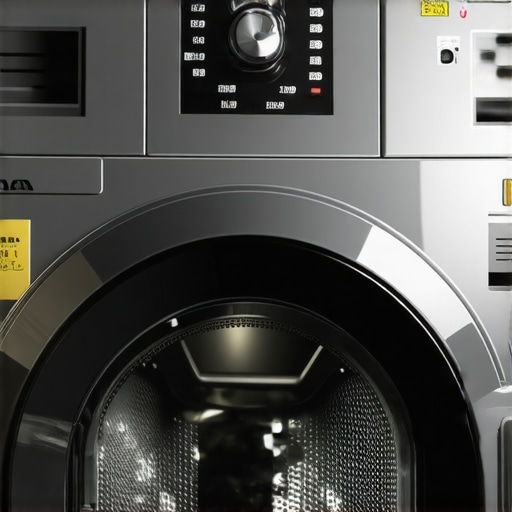
Have you ever opened your laundry room door only to be hit by that musty, damp smell whenever you run your high-efficiency washer? It’s like a punch in the nose, and I’ve been there more times than I care to admit. That sudden discovery of a mildewy odor—especially when you’re just trying to get fresh, clean clothes—can be downright disheartening. It’s not just inconvenient; it feels like your shiny new appliance is turning against you.
Why Does My High-Efficiency Washer Smell Like Mildew?
The cause of this unpleasant smell isn’t a mystery; it’s all about moisture, soap scum, and mold lurking in the nooks and crannies of your machine. High-efficiency (HE) washers are designed to use less water, which is great for the environment and your utility bills. But, ironically, this low-water approach can trap moisture inside, creating the perfect breeding ground for mildew and bacteria if not maintained properly. The buildup of soap residue combined with residual dampness often leads to that distinctive musty odor.
Early on, I made the mistake of just running a quick rinse cycle and thinking the smell would disappear. Spoiler: it didn’t. That’s when I realized I was missing a crucial step—deep cleaning the gasket and drum periodically. Many people overlook these hidden spots, but they are the main culprits behind persistent mildew. Interestingly, according to professional appliance technicians, regular maintenance is key to preventing odors, and skipping it can turn your washer into a petri dish in just a few months. (Source: expert advice on water-saving washers)
Have you faced this odorous dilemma with your machine?
If so, don’t worry—next, I’m going to show you how I finally tackled this smelly problem once and for all. It’s simpler than you think, and with a few tweaks, your washer can smell fresh enough to pass the white glove test again. Ready to say goodbye to that mildew funk? Let’s dive into the practical steps to restore your machine’s freshness and keep it that way.
Deep Clean the Rubber Gasket and Drum
Start by unplugging your washer and opening the door. Carefully examine the rubber gasket—it’s like the washer’s protective skin, trapping water and grime. Use a cloth soaked in a mixture of equal parts white vinegar and hot water to wipe around the gasket, paying close attention to folds where mold hides. Don’t skip the drum; run a hot water cycle with two cups of white vinegar added directly into the drum to break down soap scum and kill bacteria. I once applied this method after noticing a persistent smell and, within a cycle, the odor was noticeably improved, though I repeated the process once more for full effectiveness.
Use Baking Soda for Odor Neutralization
Next, sprinkle half a cup of baking soda directly into the drum, then run another hot cycle. Baking soda acts like a sponge, absorbing residual odors and balancing pH levels that promote mold growth. During one laundry day, I accidentally poured baking soda directly into the detergent dispenser, which caused suds to overflow. I learned to always add baking soda into the drum itself for even distribution. This simple step significantly improved the smell after just a few applications.
Maintain Regular Cleaning Routine
Schedule monthly deep cleanings—think of it as a spa day for your washer. Set a reminder to run an empty hot water cycle with vinegar or specialized cleaning tablets every 30 days. Additionally, after each wash, leave the door slightly ajar to allow air circulation. It’s like cracking open a window to let fresh air in—preventing moisture buildup that leads to mildew. In my experience, neglecting this opens the door to persistent odors that become harder to eliminate over time.
Inspect and Clean the Drain Pump Filter
Your washer’s drain pump filter is a magnet for lint, hair, and debris, which can trap moisture and foster mold. Locate your model’s filter—usually behind a small access panel at the front bottom—and carefully remove it. Use a soft brush and warm soapy water to clean off any gunk. Once a year, I perform this maintenance and noticed a dramatic reduction in odors, confirming its importance. Be sure to dry the filter thoroughly before reassembling to prevent mold re-growth.
Ensure Proper Ventilation and Usage Habits
Finally, optimize how you use your machine. Avoid overloading, as cramped loads restrict airflow and trap moisture. After laundry, wipe down the gasket and drum to remove excess water. Keep the door open when not in use to promote drying. In my own home, I added a small fan in the laundry area, which sped up drying times and kept things fresh-smelling. These habits act as the final line of defense against mildewy odors, making your washer a clean, healthy machine to use.
Implementing these steps consistently will turn your smelly washer into a fresh-smelling appliance. Remember, regular maintenance is key—think of it as tending a garden: neglect invites weeds, but with care, everything stays pristine. For more tips on caring for home appliances, visit the ultimate guide to smart home appliances.
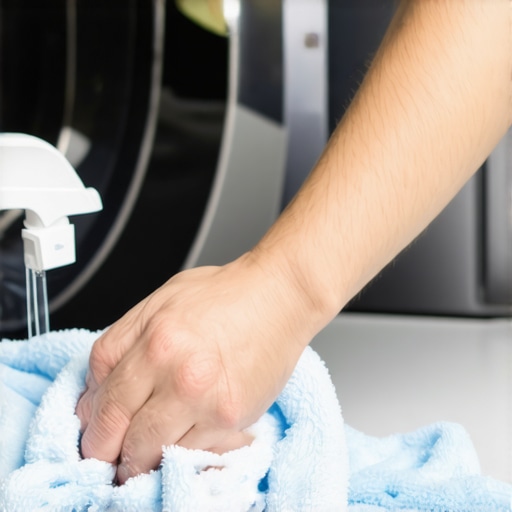
While many homeowners believe they understand how to properly maintain their appliances, there are several nuanced pitfalls that even seasoned users often overlook. One widespread myth is that using the highest temperature settings always ensures a thorough clean. However, experts highlight that excessively hot cycles can damage components and shorten appliance lifespan, especially for refrigerators and dishwashers. The key is understanding the specific needs of your appliance and following manufacturer recommendations, as emphasized in industry tips on refrigerator maintenance.
Are Frequent Deep Cleanings Always Necessary?
Many believe that weekly deep cleaning will prevent issues like mold or odor buildup, but this is often overkill and can lead to unnecessary wear on parts. Instead, adopting a routine maintenance schedule tailored to usage frequency and environmental factors yields better results. For instance, running an occasional vinegar rinse in your dishwasher or refrigerator water dispenser effectively prevents buildup without over-treating. According to smart appliance experts, strategic maintenance saves time, money, and prolongs appliance life.
Another common misconception involves the idea that all detergents or cleaning products are equally safe for appliances. In reality, using the wrong type of detergent can cause residue buildup, damage seals, or impair sensors. For example, high-efficiency washers require low-suds, HE-compatible detergents to operate correctly. Ignoring such specifics can create more harm than good, which is why consulting your appliance’s manual or an industry expert is vital.
How Do Smarter Features Sometimes Backfire?
Smart appliances promise convenience and efficiency, but many users underestimate potential issues, such as connectivity problems or software glitches. Unexpected disconnections, delayed notifications, or unresponsive apps are common frustrations that can make users think they need to replace their device prematurely. As detailed in deep dives into smart tech, firmware updates and proper network setup are often overlooked steps that significantly enhance performance. Being aware of these nuances allows you to harness the full benefits of automation without falling into costly traps.
Overall, respecting the subtleties of appliance operation, maintenance, and smart technology integration is crucial for longevity and optimal performance. Don’t blindly follow common beliefs—let’s dig deeper, and you might find the secret to saving money and avoiding frustration. Have you ever fallen into this trap? Let me know in the comments!
Invest in Precision Maintenance Tools
To ensure your appliances perform optimally over the long term, embracing the right tools is essential. I personally swear by a high-quality digital multimeter for checking electrical circuits in refrigerators and dishwashers; it helps me pinpoint voltage issues before they become costly repairs. A cordless ultrasonic cleaner is another game-changer for deep-cleaning inaccessible parts like drip trays and filters, saving time and extending appliance life. These tools have paid for themselves by preventing minor issues from escalating into major failures.
Why Regular Diagnostics Matter
I recommend setting aside time every few months to perform simple diagnostics. For example, regularly testing door seals with a soapy water spray can reveal leaks that cause energy waste and frost buildup. Investing in a Wi-Fi enabled appliance diagnostic app, such as Samsung’s SmartThings, allows you to monitor the health status of your smart fridge or washer remotely. As home appliances continue to evolve into connected devices, leveraging these apps ensures you catch problems early, saving money and energy. Future trends indicate an increase in integrated diagnostic features, making preventive maintenance more accessible than ever. Learn more about the future of smart appliance care in this insightful article.
Maintain Consistent Cleaning Routines
Another crucial aspect is routine maintenance. I use an ultrasonic toothbrush with a cleaning solution to refresh seals and accessible parts periodically. This ensures mold and grime don’t accumulate unnoticed. Additionally, using a specialized cleaning tablet for dishwashers every few months keeps the interior components free of buildup, which standard cleaning might miss. Maintaining a schedule can be simplified with digital reminders—apps like Todoist help me stay consistent, leading to fewer breakdowns and fresher appliances.
How do I maintain appliances over time?
The key lies in understanding the specific needs of each device. For refrigerators, regular coil cleaning prevents overheating, while for washing machines, inspecting and replacing hoses before leaks occur can save hundreds in repairs. In addition, installing a surge protector on major appliances protects against power fluctuations that can degrade internal components, especially for smart models. As these tools and habits become part of your routine, you’ll find your appliances not only last longer but perform more efficiently, saving you money and hassle. For tailored guidance, reach out via our contact page.
Embrace modern diagnostics and proactive cleaning to make appliance maintenance less of a chore and more of an investment in your home. Try integrating a smart diagnostic app or scheduling regular ultrasonic cleanings—small steps today lead to big savings tomorrow.
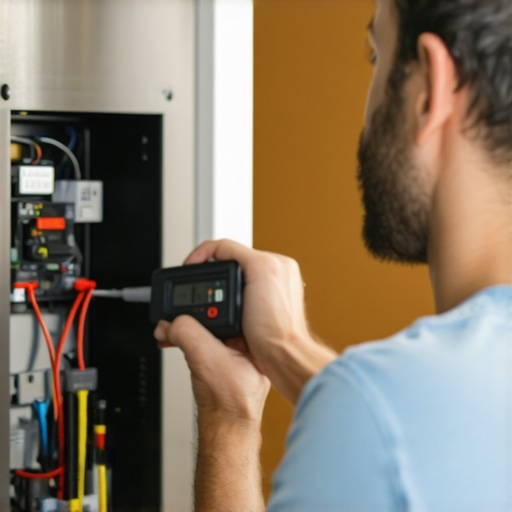
Imagine wielding a sleek multimeter during your routine checkups—monitoring voltage levels and ensuring circuits are healthy. An image showing a person performing diagnostics on a refrigerator’s electrical panel can visually underscore the importance of precise maintenance tools.
Over the course of restoring my washing machine and refrigerator to their pristine state, I discovered that the real game-changer lies in understanding the nuanced behaviors of our appliances. The lessons I learned went beyond simple cleaning—it’s about adopting a mindset of proactive care and smart practices that truly make a difference.
The Hidden Wisdom I Wish I Knew Sooner
- Moisture Management Is King: Leaving doors ajar after laundry not only prevents musty odors but also extends appliance life. Small habits like that compound over time, saving money and headaches.
- Know Your Appliance’s Secrets: Every model has quirks—be it a gasket that traps grime or a filter that needs regular attention. Reading the manual and tracking patterns revealed many overlooked maintenance points.
- Deep Clean Routine Is a Sanctuary, Not a Chore: Scheduling monthly deep cleanings with vinegar and baking soda keeps the interior pristine. Making it a ritual turned maintenance from a task into a moment of self-care.
- Tools Are Investments in Peace of Mind: Using diagnostic tools like a digital multimeter or ultrasonic cleaner helped me catch issues early, preventing costly repairs and downtime.
- Smart Features Need Watching: While connecting appliances to Wi-Fi offers convenience, it requires regular firmware updates and security checks. Embracing technology wisely makes smart appliances smarter, not problematic.
Tools and Resources That Changed My Approach
- The ultimate guide to smart home appliances: A comprehensive resource that demystified automation and maintenance routines, giving me confidence in my smart appliances.
- Expert advice on water-saving washers: Provided insights into efficient usage patterns that helped reduce utility bills while maintaining performance.
- Choosing the right refrigerator tips: Saved me from costly mistakes and extended the lifespan of my fridge with tailored maintenance advice.
- Innovative AI dishwashers: Introduced me to smarter cleaning cycles, optimizing my time and ensuring spotless results every time.
Take Action and Reclaim Your Laundry Space
Now it’s your turn to embrace these strategies and transform your laundry routines. Small adjustments— like regular gasket cleaning or scheduling monthly maintenance— can have a profound impact on freshness and appliance longevity. Remember, your home deserves appliances that work for you, not against you. Stay curious, stay proactive, and enjoy the satisfaction of a cleaner, healthier living space.
What’s the first step you’re excited to try? Share your plans below—I love hearing about your appliance journeys!