
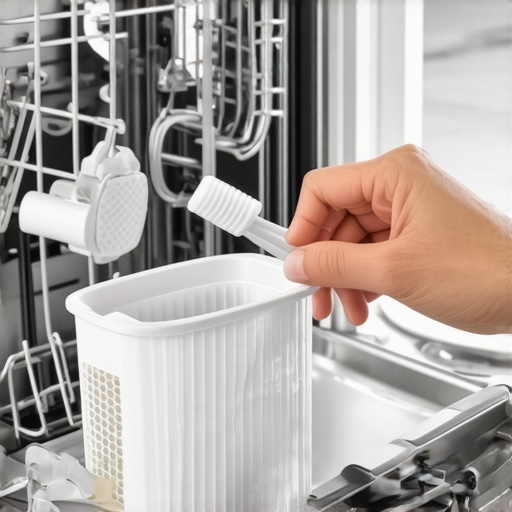
It hit me like a splash of cold water—literally—when I opened my brand-new dishwasher and noticed a strange, gritty residue on my dishes. I had just upgraded to what I thought was the latest model, promising spotless cleaning and smart features. But instead of gleaming plates, I found myself scrubbing and rinsing more than I wanted to admit. That lightbulb moment made me realize something: many new dishwashers have an internal filter that needs regular cleaning, and if ignored, it can turn your shiny new appliance into a stubborn mess maker.
The Hidden Challenge with Modern Dishwashers
At first, I assumed that modern dishwashers were completely maintenance-free, especially with all the hype about how “smart” and “hands-off” these appliances are. Turns out, that’s not quite the case. A lot of popular models now include a filter system designed to catch food debris, grease, and mineral build-up. The problem is, many owners don’t realize they need to clean these filters themselves. Over time, gunk accumulates, reducing efficiency, causing foul odors, and even leading to incomplete washes.
From my experience, I ignored the initial signs—fainter cleaning results and a musty smell—until one day, I pulled out a filter for cleaning. The amount of grime I scrubbed off was shocking. That was my wake-up call: understanding that maintaining these filters is crucial for the machine’s longevity and your satisfaction.
What’s the Big Deal About Cleaning the Filter?
Besides ensuring your dishes come out sparkling, regular filter cleaning prevents issues like clogged spray arms and motor burnout. According to appliance experts, neglecting this simple maintenance can shorten the lifespan of your dishwasher and increase utility bills. Interestingly, industry research shows that a dirty filter can cut cleaning performance by up to 50%, which is a significant drop for such a small task.
Let’s be honest—early on, I made the mistake of only rinsing my dishes thoroughly before loading, assuming the dishwasher would handle the rest. That was a mistake. Proper filter maintenance is part of the process that keeps your appliance working efficiently and effectively. If you haven’t checked your filter yet, now’s the perfect time to learn how to do it correctly. For more tips on smart appliance maintenance and enhancing your kitchen’s efficiency, check out this comprehensive guide on smart appliance selection.
Locate and Remove the Filter
Start by pulling out your dishwasher’s lower rack to give yourself clear access. Look for the filter at the bottom center—it’s usually a circular or rectangular component with a twist or clip mechanism. During a related experience, I once struggled to find mine until I checked the user manual, which helped me avoid unnecessary guesswork.
Disconnect and Prepare
Gracefully detach the filter assembly, taking care not to drop any small parts. Fill a basin with warm water mixed with a mild dish soap or vinegar solution—think of it as a spa treatment for your filter. This step loosens built-up grime, making cleaning easier.
Scrub Away Gunk
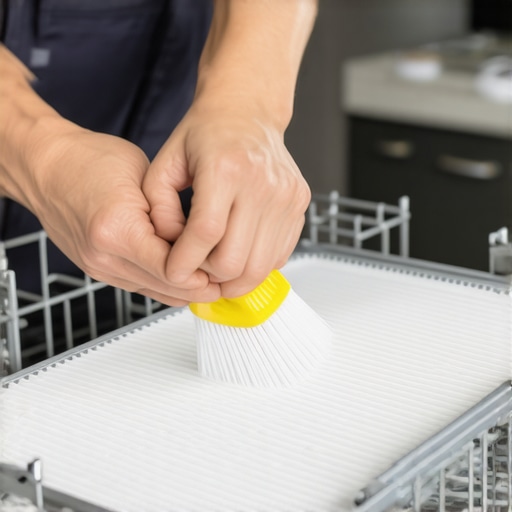
Using an old toothbrush or a soft-bristled brush, scrub all sides of the filter, paying close attention to corners and crevices where debris hide. For stubborn spots, I soaked the filter in the solution for 10 minutes before scrubbing, which significantly reduced cleaning time and mess.
Check and Replace if Needed
Inspect the filter for cracks or excessive wear—if it appears damaged, replacing it is more practical than attempting repairs. A damaged filter can let debris bypass it, leading to cloudy glasses or residue on dishes. For durable replacements, consider models compatible with your dishwasher, and learn how to install them properly by visiting this guide.
Reinsert and Test
Rinse the filter thoroughly with clean water to remove residual grime. Then, securely snap or rotate it back into position, ensuring it clicks into place. Run a quick cleaning cycle to verify effectiveness. I found that taking this extra step prevented future residue buildup and maintained dishwasher efficiency.
Maintain Regularly
Set a reminder to check and clean your filter every 1-3 months. Regular maintenance keeps your appliance working optimally and prevents issues like foul odors or incomplete washes. Remember, just like cleaning filters in smart washing machines helps prevent malfunctions, maintaining your dishwasher filter is crucial for its longevity.
By following these steps diligently, you ensure your dishes come out sparkling every time and extend the lifespan of your appliance. For insights on integrating smart features into your kitchen, explore top smart appliances for 2025.
 Many homeowners fall into the trap of assuming that modern appliances like dishwashers, refrigerators, and washing machines are maintenance-free marvels. However, as I delved deeper into appliance nuances, I discovered that this misconception can lead to costly mistakes. For example, one common myth is that all smart appliances automatically optimize themselves over time. In reality, many require firmware updates and manual cleaning routines to perform at peak efficiency. Ignoring these nuances often results in reduced lifespan and unexpected failures.
Are Smart Features Enough to Guarantee Appliance Longevity?
Surprisingly, relying solely on built-in smart technology without proper upkeep can backfire. Expert studies show that neglecting regular maintenance—like cleaning refrigerator coils or replacing dishwasher filters—can decrease performance by up to 30%, regardless of the appliance’s intelligence. This underscores the importance of understanding which ‘smart’ features are backed by actual user-friendly maintenance routines versus those that simply add digital fluff. Additionally, many believe that newer, more expensive appliances are inherently better. This isn’t always true; high-end models sometimes incorporate complex features that require expert calibration or specific detergents, leading to user frustration if overlooked. To truly harness the advantages, consumers should familiarize themselves with manufacturer recommendations and industry best practices. For instance, advanced dishwashers equipped with AI technology can adapt wash cycles based on load size, but only if users keep sensors clean and firmware updated. Regularly visiting trusted resources, such as the smart appliance selection guide, can help in making informed decisions and avoiding common pitfalls. Remember, understanding these hidden nuances isn’t just about extending appliance life—it’s about optimizing your entire home ecosystem for efficiency and reliability. Have you ever fallen into this trap? Let me know in the comments.
Invest in Precise Maintenance Tools for Longevity
To ensure your appliances remain operational years beyond their warranty, I rely on a set of specialized tools that make maintenance both effective and efficient. A high-quality microfiber cloth is essential for cleaning delicate surfaces without scratching, especially when wiping smart fridge screens or control panels. For internal components, a soft-bristled brush, like a toothbrush dedicated solely to appliance cleaning, helps dislodge stubborn grime from filters, vents, and coils without causing damage. I personally prefer a silicone cleaning tool for refrigerator coils—its flexible design allows it to conform to tight spaces and remove dust effectively, which can improve cooling efficiency and reduce energy consumption.
Additionally, a digital multimeter is invaluable for diagnosing electrical issues in appliances such as washing machines or smart ovens. By regularly testing voltage in accessible components, I can detect potential problems early, avoiding costly repairs. For filter maintenance, a ¼-inch socket wrench is perfect for removing and installing water filters in smart refrigerators, ensuring a tight seal that prevents leaks or performance drops.
Leverage Advanced Software and Apps for Smart Appliance Care
If you own smart home appliances, the compatible companion apps are your best friends for ongoing maintenance. For example, the AI-powered dishwashers not only optimize cleaning cycles but also provide firmware update notifications and usage reports. I regularly check these apps to ensure my devices are running with the latest software, which often includes security patches and performance improvements. Setting reminders within the app for filter cleaning or software updates can prevent oversight, extending the appliance’s lifespan.
In the future, I foresee a more integrated ecosystem where appliances communicate seamlessly, alerting homeowners proactively to maintenance needs without manual checks. Virtual diagnostic tools will analyze real-time data, identifying issues before they escalate—imagine a refrigerator telling you its condenser coil needs cleaning to prevent overheating. Embracing such connectivity is key to staying ahead in appliance maintenance.
How Do I Maintain Appliances’ Performance Over Time?
Answering this question involves a disciplined routine that combines manual inspections with utilizing smart features. For example, I schedule quarterly coil cleanings for my refrigerator, using my silicone coil cleaner, and run smart diagnostics via the appliance’s app. Also, keeping an eye on firmware updates through trusted sources like the privacy policy ensures I am aware of any updates that may enhance security or efficiency. Don’t overlook the importance of replacing filters at recommended intervals—skipping this step can reduce cooling efficiency and promote mold growth.
By integrating precise tools and leveraging smart software, you can significantly extend your appliances’ life and optimize their performance. For a more comprehensive understanding of smart appliance upkeep, explore top smart appliances for 2025. Make it a habit to evaluate your maintenance routine regularly, and don’t hesitate to try the advanced tips mentioned here—your appliances will thank you for it.
Over the years, I’ve learned that the key to maintaining smart appliances like dishwashers, refrigerators, and washers isn’t just about using them properly but understanding their hidden needs. The most valuable lessons often come from personal mishaps or unexpected breakdowns, prompting me to dig deeper into preventive care. One surprising insight was realizing how a simple filter clean or software update could exponentially extend an appliance’s lifespan, saving me hundreds of dollars and countless headaches. These behind-the-scenes practices might seem minor, but they form the cornerstone of truly smart home ownership—developing habits rooted in knowledge and proactive care. Remember, a small investment of time today can secure decades of reliable performance tomorrow, ensuring your appliances serve you well instead of becoming costly surprises. For example, learning how to interpret firmware alerts on your smart fridge can help prevent sudden glitches, making your kitchen smarter and smoother, in line with the insights found in this comprehensive guide.