
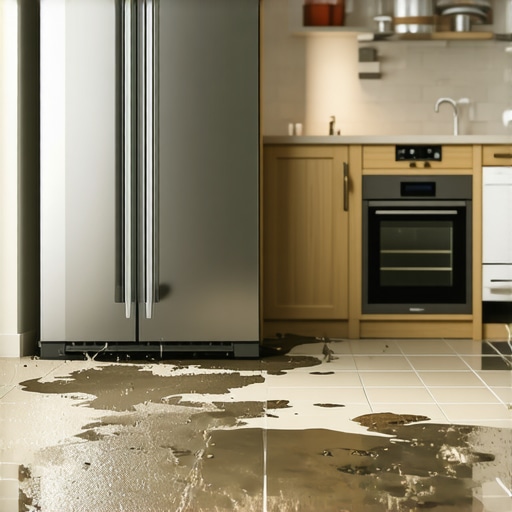
It was a typical Tuesday afternoon when I stepped into my kitchen and noticed a small puddle forming at the base of my refrigerator. I instantly felt that familiar mix of frustration and anxiety—what now? For many homeowners, that sudden leak is more than just an inconvenience; it’s a sign that something’s not right with our trusted appliance. I remember the first time it happened to me, and honestly, I panicked. But over the years, I’ve learned that most refrigerator leaks are manageable—and fixable—once you understand what’s going on.
Understanding Why Your Fridge Leaks Water
The truth is, refrigerators aren’t supposed to leak water. When they do, it’s usually a sign of a problem that needs attention. Water leaks can stem from various causes, such as a clogged defrost drain, a broken door seal, or a faulty water inlet valve. What caught me off guard early on was assuming that a leak was inevitable or untreatable, which isn’t the case at all. Instead, it’s often something simple you can fix or prevent with a little know-how.
Have you ever faced this frustrating situation? If so, you’re not alone, and I want you to know that solutions are within reach. Today, we’ll dive into the common reasons your refrigerator might be leaking water and how you can troubleshoot and fix them. The goal is to help you restore your comfort and keep your kitchen dry.
Is It Worth Fixing or Time to Replace?
One question I often ask myself when dealing with appliance issues is whether the fix is worth it. Early on, I made the mistake of replacing parts without proper diagnosis, which cost me time and money. It’s always wise to do a little research—like checking out detailed guides and expert advice—before making a decision. For more tips on this, you might want to visit [Smart Appliance Review’s article on fixing refrigerator leaks](https://smartappliancereview.com/why-your-refrigerator-is-leaking-water-onto-the-kitchen-floor). Recognizing the root cause can save you from unnecessary replacements and get your fridge back to normal faster.
Now that we’ve covered why leaks happen and my personal experience with misdiagnosis, let’s get into the practical steps to identify and resolve the issue. With a little patience and some basic troubleshooting, you can stop that leak from turning your kitchen into a mini swimming pool.
Start by Unplugging Your Refrigerator to Prevent Water Damage
Before diving into any repair, disconnect your fridge from the power source. This simple step ensures safety and stops further water leaks. I once neglected this and accidentally zapped myself while inspecting the defrost drain—lesson learned. Unplugging also makes the task cleaner and reduces the risk of electrical shorts during troubleshooting.
Check and Clear the Defrost Drain Blockages
The most common cause of leaks is a clogged defrost drain. Think of it as a highway that allows melting ice to drain properly; any blockage causes water to pool and leak out. To clear it, locate the drain hole (usually at the back of the freezer), and use a mixture of hot water and a flexible pipe cleaner to flush out debris. I used a turkey baster for better control, and within minutes, the water flowed freely again, stopping leaks from appearing.
Identify if the Drain is Frozen or Clogged
If hot water doesn’t do the trick, gently remove and defrost the drain with a hairdryer on low heat. Be cautious to avoid damaging plastic components. I once left the hairdryer unattended and overheated the plastic, which melted—so proceed carefully. Once defrosted, pour a little hot water to verify clear flow. Clearing this blockage prevents future puddles on your kitchen floor.
Inspect and Replace the Door Seal
Damaged or dirty door seals allow warm air to enter, causing excess condensation and leaks. To test the seal’s integrity, close a dollar bill or a piece of paper in the door and try pulling it out—if it slips easily, the gasket isn’t sealing well. In my case, a torn gasket let moist air cause small puddles. Cleaning the gasket with warm, soapy water restores the seal temporarily, but if torn, replacing it is essential. Look for replacement gaskets online or through the manufacturer’s parts store—it’s a straightforward fix that can halt persistent leaks.
Examine the Water Inlet Valve and Ice Dispenser Line
If your fridge has an ice maker or water dispenser, the inlet valve or supply line might be leaking. Turn off the water supply and disconnect the line to inspect for cracks or leaks. I once found a cracked inlet valve, which was causing water to leak from the back of the fridge. Replacing the valve is similar to swapping out a light switch—just a few clips and connections. After replacement, turn the water back on, and check for leaks—this can significantly reduce water pooling.
Test and Maintain the Condensation Drain Pan
The drain pan collects excess water that drips from the defrost process. If it’s cracked or displaced, water will leak onto the floor. To check, slide out the pan located beneath the fridge and inspect for cracks or overflow. I once found a displaced pan that was overflowing, and realigning it solved my leak problem. Regularly cleaning and inspecting the pan ensures it functions correctly, preventing unnecessary mess.
By following these precise steps—starting with safety, then eliminating common causes—you can often fix a refrigerator leak yourself. Remember, patience and methodical checks are your best tools. If water continues to leak after these actions, consulting a professional might be the next step, but most issues are manageable with a bit of effort. For more details on specific repairs, visit this comprehensive guide.
Many homeowners believe they know everything about washing machines, dishwashers, and smart appliances, but in reality, misconceptions abound. One prevalent myth is that higher capacity always means better performance; however, overloading can strain the motor and reduce efficiency, leading to costly repairs. Experts suggest selecting appliances tailored to your actual needs rather than chasing size for size’s sake.
Another misconception involves energy ratings—many assume that all Energy Star-certified devices are equally efficient, but studies show variability based on models and usage patterns. Ensuring you’re choosing a truly efficient appliance requires checking specific energy consumption data, which is often overlooked.
Let’s discuss the hidden nuances that even seasoned homeowners miss. For instance, many don’t realize that frequent use of the highest temperature settings in dishwashers can accelerate wear and tear on components and increase energy bills. Using the eco or glass cycle, when appropriate, not only conserves resources but also prolongs appliance lifespan.
Applying targeted maintenance, such as cleaning filters and descaling, is often underestimated. Neglecting these simple actions can cause appliances to work harder, leading to breakdowns and reduced effectiveness. Regular upkeep is essential—think of it as the routine health check that keeps everything running smoothly.
Have you ever fallen into this trap? Let me know in the comments.
Why Do Many Homeowners Overlook Appliance Age When Considering Repairs?
One overlooked aspect is the age of your appliance relative to its repair costs. Industry experts indicate that after about 8-10 years, repairs become less economically sensible, as newer models offer better efficiency and features. Knowing when to repair versus replace can save you significant money over time. A common mistake is ignoring manufacturer recall notices or maintenance alerts—staying proactive ensures your appliances remain reliable.
In addition, many misunderstand the importance of compatibility among smart home devices. Integrating appliances from different brands often leads to issues with connectivity and functionality. Researching compatibility or opting for appliance ecosystems from the same manufacturer can prevent frustrating glitches and streamline your smart setup.
Understanding these nuances helps you avoid costly mistakes and get the most out of your home appliances. To dive deeper into smart appliance integration, visit our guide on connecting smart devices seamlessly. Remember, knowledge is power—especially when it comes to maintaining your household tech.
Gear Up with Precision Tools and Software
Maintaining appliances like refrigerators, dishwashers, and washing machines isn’t just about swapping parts; it’s about employing the right tools for diagnosis and repair. I personally rely on a high-quality digital multimeter to troubleshoot electrical issues in appliances. For instance, when my dishwasher’s spray arm stopped spinning, I used a multimeter to check the motor’s continuity, which saved me from unnecessary part replacements. Invest in a reliable multimeter with auto-ranging capabilities—it’s a game-changer. Additionally, a set of small, precision screwdrivers allows quick dismantling of panels without damaging delicate components. For software solutions, using manufacturer-specific diagnostic apps can offer real-time error codes and troubleshooting tips, especially for smart appliances. As technology advances, appliance manufacturers are increasingly integrating diagnostic functions accessible via smartphone apps, simplifying maintenance and prolonging device lifespan.
Adopt a Systematic Approach to Routine Checks
Routine maintenance is the backbone of appliance longevity. I schedule monthly checks, starting with cleaning filters—like the lint filter in my washing machine—using instructions from expert sources. Regular cleaning prevents buildup that can cause malfunctions. For refrigerators, defrosting and inspecting door seals every few months can prevent ice buildup and ensure energy efficiency. I recommend setting digital reminders on your phone or smart home assistant to keep track of these tasks. Also, maintaining proper ventilation around appliances prevents overheating—crucial for smart fridges and high-performance dishwashers. These small actions cumulative to dramatic long-term benefits: fewer repairs and lower utility bills.
Harness the Power of Preventative Measures
Prevention surpasses cure, especially with complex home systems. Installing protective outlet strips with surge protection helps safeguard appliances against voltage fluctuations. I always connect critical devices like smart fridges and high-end washers through such strips. Additionally, I use water leak detectors near refrigerators and dishwashers—silent sentinels alerting me to leaks before water damage occurs. For smart appliances, firmware updates often include enhancements that fix bugs or improve efficiency. Set devices to automatically check for updates—most modern units support this feature—eliminating the need for manual intervention and reducing the risk of vulnerabilities. This proactive stance ensures your appliances perform optimally, boosting their lifespan and your peace of mind.
Future Trends in Appliance Maintenance
Looking ahead, I predict a surge in AI-powered diagnostic tools that predict failures before they happen, similar to predictive maintenance in industrial settings. These innovations will analyze usage patterns and component wear through embedded sensors, notifying homeowners of impending issues via smartphone alerts. As these intelligent systems become more affordable and widespread, staying ahead of problems will be simpler than ever. To prepare, I suggest integrating smart sensors into your appliances now—many units already support such upgrades—so you can enjoy early warnings and plan maintenance accordingly.
How Do I Maintain Appliances Over Time
One effective method is creating a maintenance calendar tailored to each device’s needs. For example, scheduling quarterly cleaning of filters and checking for firmware updates keeps appliances running smoothly. Additionally, learning to perform minor repairs, like replacing a fridge gasket or unclogging a drain, can save money and extend usability. Invest in specialized tools such as a plastic pry tool for gasket replacement or a flexible drain cleaning brush. For detailed guidance on specific repairs, refer to resources like this guide on disabling fridge beeps. Remember, patience is key—take your time, and don’t rush repairs. Over time, adhering to these practices cultivates confidence and ensures your appliances serve you well for years to come.
Don’t forget to evaluate whether your current maintenance routine aligns with the latest advancements. Implementing smart monitoring tools, for instance, can give you real-time insights into your appliances’ health. Try setting up a basic system by connecting your smart fridge to the app and scheduling regular checks. This simple step can revolutionize your approach to appliance care, transforming reactive fixes into proactive prevention—saving you money and hassle. Stay ahead by keeping tools sharp, routines consistent, and knowledge fresh—your appliances will thank you.
Few Lessons Hit Home Harder Than a Leaking Fridge
One of the most striking insights I’ve gained is how often seemingly minor issues, like a small puddle, reveal underlying system weaknesses—such as neglected maintenance or outdated parts—that can escalate if left unaddressed. Realizing this prompted me to view appliance care as an ongoing relationship rather than a one-time fix.
Another lesson was the importance of patience and methodical diagnosis. Rushing to replace parts or dismissing problems as minor can lead to unnecessary expenses. Taking time to understand each component—like the defrost drain or door seal—made my repairs more effective and less stressful.
I’ve also learned that preventive measures are invaluable. Simple habits, such as regularly inspecting door seals or cleaning the condensation drain pan, significantly reduce leakage risks. This proactive approach shifts maintenance from reactive to strategic, saving time and money in the long run.
Lastly, embracing the right tools—like a multimeter and flexible cleaning brushes—transformed my DIY repairs from daunting to manageable. Investing in quality diagnostics not only saves money but empowers confidence in handling future appliance issues.