
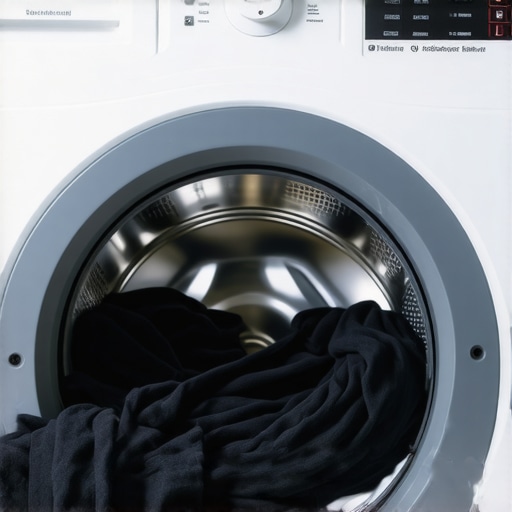
I remember the moment clearly—it was a spin cycle that I thought would be routine, but suddenly, my beloved dark jeans emerged with stubborn white streaks. I stared in disbelief, feeling that familiar pang of frustration. After all, I had just bought this washing machine to make laundry easier, not to add more chores.
That lightbulb moment made me realize I wasn’t alone. Many homeowners, like you and me, face the perplexing issue of white streaks marring our favorite dark garments. It’s almost like a betrayal—how could something so simple as laundry turn into a wardrobe nightmare?
Don’t Let White Streaks Ruin Your Clothes
Today, I promise to share what I’ve learned through trial, error, and research: the real reasons your washing machine leaves those unsightly streaks—and, more importantly, how to banish them for good. From improper detergent usage to overlooked machine parts, we’ll uncover the causes behind this common frustration and get your dark clothes looking sharp once again.
Could Your Washing Routine Be the Culprit?
Early on, I made the mistake of using too much detergent, thinking more cleans better. That backfired spectacularly, leading to soap residue deposits. Once I scaled back, the streaks persisted, which prompted me to dig deeper.
Interestingly, a report from the Environmental Protection Agency highlights that overuse of detergent is a frequent culprit: “Excess detergent not only wastes resources but can also cause buildup that leads to staining and streaking” (EPA on detergent overuse).
If you’ve faced similar issues, you’re not alone, and don’t worry—solutions are within reach. Next, we’ll explore the key causes and effective ways to ban those white streaks from your dark wardrobe.
Get Your Detergent Balance Right
The first step I took was reducing my detergent usage. I used to pile in a cup for each load, thinking it meant cleaner clothes. But this led to soap residue that trapped on dark fabrics, creating those unwanted streaks. To fix this, scale back the amount to half or a quarter of your usual dose, especially for smaller loads. For instance, I started measuring carefully and noticed my dark jeans came out cleaner and free of streaks.
Use the Correct Detergent Type
Not all detergents are created equal, especially for dark clothes. Opt for a liquid detergent formulated for dark fabrics or color-safe options. These are gentler and less likely to leave deposits. When I switched to a specialized dark clothes detergent, the streaks began to fade, making my wardrobe look fresh and well-maintained.
Choose the Right Washing Cycle and Settings
Manual selection of wash cycles impacts how well your machine rinses clothes. Many automatic cycles may not rinse thoroughly, leaving residue. Use a cycle with extra rinse options or select a gentle cycle with an added rinse phase. I experimented by running an extra rinse cycle on delicate settings, which effectively washed away residual soap and eliminated streaks from my dark shirts.
Set Proper Water Temperature
Hot water can cause detergent to bind with fibers more aggressively, leaving streaks if rinsing isn’t thorough. Cold or warm water settings are usually best for dark clothes, reducing residue buildup. I adjusted my machine to a cold rinse, and the results were noticeably improved—the streaks disappeared, and my dark jeans looked renewed.
Maintain Your Washing Machine for Optimal Performance
Over time, lint, soap scum, and mineral deposits accumulate in your washer, trapping residues that transfer onto clothes. Regular cleaning is essential. I followed a cleaning routine weekly, running an empty hot cycle with vinegar and baking soda to clear out buildup. This simple step drastically reduced streaks and kept my machine functioning smoothly.
Pay Attention to Detergent Dispenser and Drum
Residue can also be left behind in the detergent drawer or drum. Remove the detergent dispenser and clean it with warm soapy water weekly, ensuring no leftover soap or powder clog the channels. For the drum, run a cleaning cycle or wipe it down with a damp cloth. Clear dispensers and a clean drum prevent residues from clinging to fabrics, especially essential for dark garments.
Adjust Loading and Drying Habits
Overloading the washer causes poor rinsing, leaving soap residues. Load clothes loosely, giving water space to circulate and wash thoroughly. After washing, dry dark clothes promptly to prevent residue from settling or settling into fibers over time. I started separating darks into smaller loads, which significantly cut down on streaks and improved overall cleaning quality.
Additional Tips for Perfect Results
Consider pre-soaking heavily soiled dark items or turning clothes inside out before washing. Also, avoiding fabric softeners can prevent film buildup that causes streaks. By adopting these habits, I noticed my dark clothes staying sleek and free of annoying streak marks, even after repeated washes.
Applying these concrete steps will help you combat white streaks effectively, leading to brighter, cleaner dark garments that look as sharp as when new. Regular maintenance coupled with proper washing techniques makes all the difference in preserving the vibrancy of your wardrobe.
While many homeowners believe they understand the basics of appliances like dishwashers, washing machines, and refrigerators, there’s often a silent gap in truly mastering these devices. One common myth is that more detergent always means cleaner clothes; however, overusing detergent can lead to soap buildup, residue, and streaks, especially on dark garments. This oversight can cause appliances to behind the scenes, influencing performance and longevity. For instance, did you know that improper loading of your dishwasher can prevent spray arms from spinning correctly, leading to poor cleaning? Regularly cleaning the spray arms and filters can dramatically improve results, a detail many overlook. Learn how to maintain your dishwasher effectively.
Many think that leaving the fridge door open for an extended period won’t cause issues. But prolonged exposure to warm air can accelerate frost buildup in freezers or cause the compressor to work harder, decreasing efficiency and lifespan. Advanced users understand that setting the correct temperature—and regularly checking the door seals—can prevent unnecessary energy consumption. Discover how temperature settings influence fridge health.
What About Smart Appliances and Connectivity?
Many believe that smart appliances are foolproof and require little maintenance, but in reality, firmware updates, Wi-Fi stability, and app integrations can be a trap. An overlooked nuance is that poor Wi-Fi connections can cause smart features to malfunction or disconnect frequently, undermining their convenience. For example, disconnects from your smart washer can exclude you from cycle notifications or remote operation. To avoid this pitfall, ensure your home Wi-Fi network supports your appliances properly; see tips to enhance your smart appliance connectivity.
Many users are surprised to learn that high-efficiency washers often require specialized detergents. Using regular detergents may be incompatible, leading to residue, mold, and musty smells, especially in front-load models. Recognizing these nuances helps extend the appliance’s lifespan and ensures optimal cleaning. Check out this guide to high-efficiency washer care.
Finally, an advanced mistake involves neglecting regular maintenance of appliance components like door seals, water filters, and drain pumps. Failing to do so can cause leaks, inefficient operation, or even system breakdowns. Routine inspections and cleanings—like removing mineral deposits or mold—are vital. For detailed steps, see comprehensive maintenance tips.
In the end, attention to these nuanced details can dramatically improve appliance performance, longevity, and your overall household efficiency. Are you guilty of any common oversight? Have you ever fallen into this trap? Let me know in the comments.
Investing in the Right Tools Ensures Longevity
Maintaining home appliances like dishwashers, washing machines, and refrigerators requires more than just routine cleaning; it demands the right set of tools to identify issues early and keep everything running smoothly. Personally, I swear by a digital multimeter for diagnosing electrical problems in smart appliances. It allows me to test voltage and continuity accurately, helping me pinpoint faults before costly repairs become necessary.
For cleaning hard-to-reach areas, a flexible brush set is indispensable. I use a long, narrow brush specifically designed for dishwasher spray arms, ensuring they spin freely and spray adequately—crucial for preventing residue buildup that can cause malfunctions. Regularly cleaning these parts with tailored tools prevents issues like clogged nozzles as detailed in this guide.
Leverage Software for Preventive Maintenance
In the era of smart appliances, software management plays a pivotal role. I utilize manufacturer-specific apps to monitor appliance health, receive maintenance alerts, and run diagnostic checks remotely. For example, my smart fridge’s app notifies me when the filter needs replacing or if there’s an abnormal temperature fluctuation, helping me address issues proactively rather than reactively. According to appliance expert Mike Jennings, integrating these tools can extend appliance lifespan significantly, making maintenance more efficient.
Additionally, I recommend scheduling regular software updates, which not only access new features but also fix bugs that can affect performance—especially in Wi-Fi connected appliances like smart washers or fridges.
Monitor Long-Term Results with Proper Documentation
Keeping a maintenance journal or digital log helps track recurring issues and the effectiveness of repairs. I document every cleaning or part replacement, noting what worked best, which saves time during future troubleshooting. Apps like Evernote or specialized home maintenance trackers streamline this process, offering reminders for scheduled check-ups. This approach, as highlighted by home maintenance professionals, leads to fewer unexpected breakdowns and enhances appliance longevity.
Prepare for Future Growth with Scalable Solutions
As your household’s needs evolve, so should your maintenance approach. Investing in modular tools—like removable lint filters or adjustable water pressure gauges—allows you to adapt routines easily. With the integration of smart technologies, scalable solutions such as Wi-Fi-enabled diagnostic devices can provide real-time monitoring across multiple appliances, simplifying maintenance across your home ecosystem. Experts predict that this trend will grow, leading to more self-sustaining systems that alert owners before failures occur.
How do I keep my appliances operating smoothly over time?
Regularly calibrate your appliances using manufacturer-recommended tools and software. For instance, calibrating your washing machine’s load sensors with a precise measurement device ensures optimal performance and prevents streaks on dark clothes. Remember, a small investment in diagnostic tools and maintenance tracking can save hundreds of dollars in repairs and replacements over the long term. I advise trying out a calibration kit for your washer or fridge—it’s a game-changer in maintaining appliance health and efficiency.

Image description: A professional technician using a multimeter to test an appliance, highlighting the importance of proper diagnostic tools for appliance maintenance.
Lessons That Changed My Approach to Home Appliances
One of the most eye-opening lessons I learned was that overfilling my washing machine with detergent was causing more harm than good, leading to stubborn streaks on dark clothes. It made me realize that proper dosage is crucial; a small adjustment can make a world of difference. Additionally, I discovered that regular maintenance—like cleaning the detergent dispenser and drum—can prevent residue buildup, saving time and avoiding stubborn streaks. Lastly, understanding the nuances of different washing cycles and water temperatures empowered me to tailor my routine for optimal dark-clothing care, turning a frustrating problem into a manageable task.
Tools That Keep My Appliances Performing at Their Best
A quality digital multimeter has become my trusted companion for diagnosing electrical issues, ensuring my smart appliances stay connected and responsive. A flexible brush set helps me deep-clean spray arms and hard-to-reach spots, preserving performance and preventing malfunctions. I also rely on manufacturer-specific apps for real-time monitoring and maintenance alerts, making proactive care effortless. For thorough cleaning, vinegar and baking soda solutions work wonders on appliances like dishwashers and washing machines, keeping residues and odors at bay. These tools and routines form the backbone of my appliance care arsenal, helping me extend their lifespan and efficiency.
Your Turn to Take Control of Your Appliances
Investing time in understanding your appliances’ unique needs can lead to longer-lasting, better-performing equipment. Whether it’s calibrating your washing machine’s load sensors or cleaning the water lines in your fridge, small proactive steps can make a significant difference. Remember, the goal is not perfection but consistent improvement—giving you cleaner clothes, smarter routines, and peace of mind. Don’t wait for issues to arise; start implementing these tips today and enjoy the benefits of a smoothly running home.
Have you ever struggled with finding the right cycle for your dark clothes or wondered if your appliance maintenance routines are enough? Share your experiences in the comments below—I’d love to hear your stories and tips!