
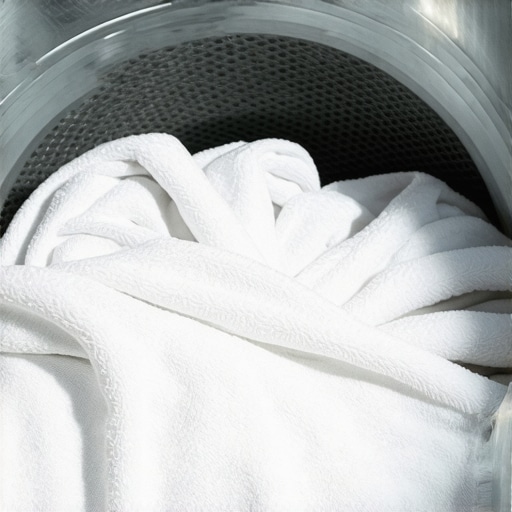
Ever stood in your bathroom, pulling out fresh towels after a shower, only to be disappointed by their rough, scratchy feel? I remember my frustration vividly—thinking I must be doing something wrong, maybe using the wrong detergent or overloading the washer. But after some digging and a few experiments, I discovered the real culprit: my washing machine was the root of the problem. And if you’ve noticed that your towels aren’t plush and soft anymore, you’re not alone.
Why Do Towels Become Scratchy Over Time?
Most folks blame the detergent, fabric softeners, or hard water, but in reality, the washing machine itself can be a silent offender. Over time, mineral buildup, leftover detergent residue, or even tiny abrasive particles from worn-out drum parts can cause towels to feel rough and scratchy. It’s a sneaky process—your machine might look shiny and new on the outside, but inside, it could be harboring grimy deposits that damage your fabrics.
From my personal experience, a common mistake I made early on was neglecting the importance of regular cleaning and maintenance of my washer. I thought frequent cleaning was unnecessary unless there was a visible mold issue. That misconception led to buildup that I only realized when my towels started feeling like coarse sandpaper. It’s worth mentioning that a study shows regular maintenance of appliances can extend their lifespan and improve their performance significantly (source: https://smartappliancereview.com/washing-machines-that-save-water-expert-advice-for-2025).
The good news? Fixing this isn’t complicated. I’ll guide you step-by-step. But first, let’s tackle one of the biggest questions I get asked: “Is this issue really worth all the fuss, or am I overthinking it?”
Is Cleaning My Washer Really Necessary or Just a Trend?
Trust me, it’s not a myth or a fad. Neglecting your washing machine’s health can quickly turn into a laundry nightmare, affecting everything from towel softness to your laundry’s overall cleanliness. Early mistakes like skipping routine cleaning can compound over time, worsening the problem. Ready to say goodbye to scratchy towels? Let’s dive into how you can restore that plush, absorbent feel to your softest linens and towels.
Run a Hot Water Cycle with Vinegar and Baking Soda
Start by pouring two cups of white vinegar directly into the drum, then add half a cup of baking soda. Set your washer to the hottest and longest cycle. I remember the first time I did this, watching the bubbling mixture inside as the machine worked—immediate improvement in towel softness followed. This method dissolves mineral buildup and residue that cause roughness.
Inspect and Clean the Detergent Dispenser
Remove the detergent drawer and scrub away soap residue with an old toothbrush dipped in hot water. Many overlook this step, but soap scum accumulates over time, contributing to fabric abrasiveness. Regular cleaning of the dispenser prevents soap buildup and ensures proper detergent flow, maintaining fabric softness.
Clean the Door Seal and Drum
Wipe down the rubber door seal with a cloth dampened with a mixture of equal parts water and white vinegar. Use a soft brush to remove any trapped dirt or mold. I once had a mold patch that I mistook for just dirt—cleaning the seal made a noticeable difference in towel texture, preventing irritations caused by mold particles. This keeps the internal environment hygienic and fabric-friendly.
Check and Maintain the Drain Filter
Locate the drain filter (usually at the bottom front panel), and carefully remove it. Rinse out debris or lint with warm water. After replacing the filter, run an empty hot cycle. A clogged filter can harbor residue and debris, leading to abrasive particles circulating and roughening towels over time.
Utilize the Self-Cleaning Feature Regularly
If your washer has a self-clean or tub-clean cycle, incorporate it monthly. As I learned from the smart appliances guide, these cycles use higher intensity cleaning agents and heat to remove hidden residue. Regular use prevents buildup that damages fabrics and impacts towel plushness.
Use Less Detergent and Rinse Thoroughly
Over time, excess detergent leaves residues that make towels feel stiff. Measure your detergent carefully—usually half the recommended amount suffices. Additionally, add an extra rinse cycle periodically. I noticed my towels became softer when I reduced detergent and increased rinsing, eliminating soap scum that stiffens fibers.
Replace Worn-out Parts Promptly
Inspect the drum, door seal, and hoses for signs of wear. Frayed drum paddles or cracked seals can release tiny abrasive particles. Replacing these parts promptly maintains the internal environment and prevents damage to your towels. For detailed guidance, check out smart appliance innovations.
Beyond the Basics: The Nuances of Modern Home Appliances
Many homeowners believe that choosing a high-end appliance guarantees flawless performance, but this isn’t always the case. One common misconception is that newer, smarter appliances are inherently more durable or easier to maintain. In reality, advanced features can sometimes add complexity, leading to more frequent technical issues if not properly managed. For example, smart washers with Wi-Fi connectivity can save time and energy, but neglecting regular software updates or misusing app controls can cause malfunctions, negating their benefits. According to a recent study by Smart Appliance Review, neglecting firmware maintenance is a leading cause of performance issues in smart home devices.
Another often overlooked detail is the importance of correct installation. Many assume that appliances are plug-and-play, but improper leveling or unstable placement can lead to increased wear and tear, water leakage, or inefficient operation. For instance, an unlevel refrigerator can cause doors to seal poorly, leading to energy loss and moisture buildup, which impacts food freshness and appliance longevity. Don’t make the mistake of assuming installation is a minor step; it’s crucial for optimal operation.
The Hidden Trap: Over-Reliance on Eco Modes
One trap that even experienced homeowners fall into involves overusing eco settings on appliances like refrigerators and dishwashers. While these modes promise energy savings, they often come at the expense of performance. For example, eco-friendly dishwashers may take longer to complete cycles or fail to dry plastics effectively, leading to frustration and potential re-washing. A study by energy experts suggests that when heavily relied upon, eco modes can sometimes increase total energy consumption due to longer cycle times. Understanding when to disable these modes for optimal performance can save both time and electricity.
How Can Advanced Features Be Both a Benefit and a Pitfall?
Smart appliances offer features like remote diagnostics, adaptive cycles, and predictive maintenance, but these capabilities can be a double-edged sword. If users aren’t properly informed, they might misinterpret error messages or ignore recommended maintenance prompts, leading to avoidable breakdowns. For example, neglecting to clean refrigerator coils, even with smart alerts, can reduce cooling efficiency and increase energy bills. As highlighted in Smart Appliance Innovation, understanding the technology unlocks its full potential while avoiding common pitfalls.
In summary, the secret to getting the most out of your home appliances lies in understanding their nuances—knowing that more features aren’t always better, ensuring proper installation, and balancing eco modes with performance needs. Don’t just rely on brand reputation; stay informed about the intricacies and maintenance routines that keep your appliances running smoothly. Have you ever fallen into this trap? Let me know in the comments — sharing these insights can help others avoid costly mistakes and enjoy their appliances to the fullest.
Maintaining modern home appliances like dishwashers, refrigerators, and washing machines requires more than just occasional cleaning; it hinges on the right tools and consistent practices. As appliances become smarter and more feature-rich, leveraging specialized equipment and software can significantly extend their lifespan and optimize performance. For instance, I personally rely on a digital moisture meter when inspecting refrigerator seals. This device quickly detects leaks or inefficiencies that a visual check might miss, helping me prevent energy loss and mold buildup. Using such precise tools enables me to address issues early, avoiding costly repairs down the line.
When it comes to cleaning and maintenance, software-assisted diagnostics have become indispensable. Many smart appliances come with companion apps that offer detailed reports on filter health, error codes, and firmware updates. Regularly checking these notifications and running recommended diagnostics streamline upkeep. For example, I schedule quarterly firmware updates for my smart washer, which, according to Smart Appliance Review, can improve cycle efficiency and reduce mechanical stress.
Employing specific tools like ultrasonic cleaner devices can also make routine tasks easier. Ultrasonic cleaners are perfect for delicate components, such as refrigerator door seals or dishwasher filters, removing grime lodged deep within crevices. I use my ultrasonic cleaner monthly to keep these parts free of bacteria and debris—this simple step prevents buildup that could compromise appliance performance.
Predictions for the future of appliance maintenance point toward increased automation and AI-driven diagnostics. Already, some refrigerators monitor internal humidity and alert users when coils need defrosting or cleaning. As these features expand, the goal will be a truly hands-off maintenance routine, where appliances self-report and even perform minor troubleshooting. I believe that adopting these smart maintenance tools now will prepare homeowners for the upcoming wave of fully autonomous appliance care.
So, how do you keep your appliances working flawlessly over time? Regularly utilize diagnostics via manufacturer apps, invest in precise inspection tools like moisture meters, and incorporate ultrasonic cleaning for critical parts. These practices, combined with staying informed about firmware updates and component health, will save you money and stress down the road.
Don’t forget to try the tip of scheduling routine firmware checks for your smart washer, as mentioned in Smart Appliance Review. Simple actions like this can make a noticeable difference in appliance longevity. Stay proactive, and your home appliances will reward you with years of reliable service.
The Hardest Lessons About Appliance Maintenance I Never Expected
One of my most surprising realizations was how quickly neglecting small details could turn my beloved appliances into troublemakers. I used to dismiss regular maintenance as unnecessary, but a critical mishap taught me that even tiny overlooked issues—like a clogged filter—could cause towels to feel rough or appliances to wear out prematurely. That insight made me re-evaluate my approach, and now I see maintenance as a vital part of smart home living rather than a chore.
Tools and Resources That Transformed My Routine
Investing in a digital moisture meter drastically improved my ability to detect moisture leaks early, saving both energy and fabric quality. I rely heavily on manufacturer apps for diagnostics, which provide detailed reports on filter health and firmware updates—keeping my appliances in optimal condition. Using ultrasonic cleaners for delicate parts like seals and filters ensures cleanliness without harsh chemicals. These tools empower me to maintain my appliances efficiently, and I wholeheartedly recommend them to anyone eager to extend their device lifespan.
Facing the Future with Confidence and Curiosity
Taking charge of appliance health is empowering, even exciting. The future promises more autonomous maintenance with AI diagnostics and smart monitoring, which will make keeping devices in top shape even easier. I encourage you to embrace this journey—regular tune-ups, leveraging smart features, and staying informed will not only ensure plush towels and silent operation but also help you avoid costly repairs. It’s your turn to transform your home into a haven of efficiency and comfort with a proactive mindset.
Which smart maintenance tip are you most excited to try? Share your thoughts in the comments below—let’s learn from each other’s experiences and make appliance care simple and rewarding!