
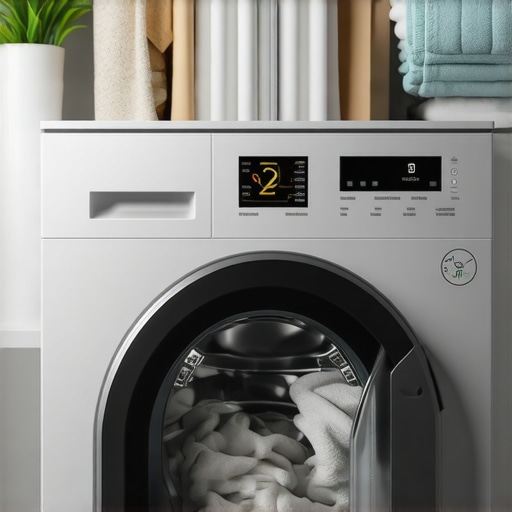
Ever found yourself staring at your washing machine, waiting endlessly for that laundry cycle to finish, only to realize two hours have passed? It’s a frustrating experience I’ve been through myself. One day, I loaded a simple load of everyday clothes and thought, “This shouldn’t take so long.” Yet, my machine hummed away for an eternity. That moment was a lightbulb for me—I knew I wasn’t alone in this strange, time-consuming scenario.
Why Is My Washing Machine Taking So Long?
If you’re like me, you might be wondering, “Is this normal? Wouldn’t a standard wash take less than an hour?” The truth is, modern washing machines, especially high-efficiency models, are designed to optimize water and energy usage. While that’s great for saving the planet and your utility bills, it can also mean longer cycles. I’ve learned that several factors influence cycle duration, from load size to the specific wash settings chosen. Understanding these variables can actually help you cut down on wait times or at least set realistic expectations.
Over time, I realized that my impatience stemmed from early assumptions—thinking all cycles should be quick like the old machines we grew up with. Early on, I made a mistake by ignoring the different wash options and not customizing cycles for smaller loads. This oversight made my laundry take longer than necessary. For more tips on choosing the right cycle, check out this guide.
Curious if your machine’s long cycles are worth it?
This is a common question, especially for those who are new to high-efficiency washers. But don’t worry; after some tinkering and understanding the settings, I’ve been able to streamline my laundry routine significantly. In the next sections, I’ll share how to identify what’s causing your machine’s lengthy cycles and what practical steps you can take starting today.
So, have you faced this two-hour saga with your washer? If so, you’re not alone, and I’m here to help you decode the mystery.
Stay tuned—we’ll dive into specific troubleshooting and adjustments that can save you time and energy, making laundry day less of a marathon.
Adjust Load Size for Faster Cycles
My first step was realizing that overloading the washer slows down the cycle. To test this, I once loaded a large comforter and a few towels together. The cycle took nearly two hours, so I separated bulky items from lighter garments. Smaller, balanced loads allow the washing machine to spin and rinse more efficiently, cutting down cycle times. Think of it like filling a parking lot: too many cars cause congestion and delays. By limiting your load to about 80% capacity, you’ll see noticeable improvements in cycle speed and cleaning efficiency. For more smart tips on managing laundry efficiently, check this guide.
Selecting the Right Cycle Settings
Next, I examined my cycle options. Many machines have preset cycles like “Normal,” “Heavy Duty,” or “Quick.” I noticed that choosing the “Quick” cycle for lightly soiled clothes shaved nearly 30 minutes off the laundry time. However, the key is matching the cycle to the load. For example, using the “Heavy” setting on a small load wastes time and water. To get the best results, customize longer cycles by tweaking temperature, spin speed, and soil level. For instance, lowering the spin speed on delicate fabrics reduces stress and speed constraints. It’s a balancing act—like tuning a musical instrument for optimal sound. For advanced insights, explore this comprehensive guide.
Keep Your Washer Well-Maintained
Cleaning and maintaining my washer became a game-changer. I regularly clean the detergent dispenser, drum, and filters, which prevents drainage issues and sensor errors that can prolong cycles. Think of it like maintaining a car: neglect leads to inefficiency. I once ignored mold buildup in the gasket, leading to longer rinse times. Using a vinegar solution to wipe down rubber parts every few months kept my machine running smoothly. Also, ensure the drain pump and hoses are clear of obstructions. Sometimes, a simple vinegar rinse can revive a sluggish washer. Regular maintenance not only shortens cycles but also extends the lifespan of your appliance. Discover practical maintenance routines at this article.
Utilize Smartphone Connectivity and Smart Features
If your washing machine is smart-enabled, take advantage of its remote controls and cycle optimization features. I used the app to start a wash while I was still at work, allowing me to come home to freshly cleaned clothes without waiting around. Some models analyze load weight and suggest the fastest suitable cycle—think of it as having a personal laundry assistant. By automating decisions, these smart features prevent you from selecting unnecessarily long cycles. Additionally, modern appliances often have eco or quick modes that optimize performance for speed. To explore how these innovations can streamline your laundry routine, visit this resource.
Ensure Proper Load Placement and Balance
Finally, I observed that uneven loads cause imbalance sensors to work overtime, increasing cycle times to compensate. By distributing clothes evenly around the agitator or drum, I minimized vibrations and avoided automatic extended rinse cycles. It’s comparable to balancing a bicycle wheel—an imbalance makes the wheel wobble, and the ride takes longer. Using the load balancing feature, if available, also helps the machine adjust spin speeds for speedier cycles. I learned this the hard way when a bulky jacket caused multiple rebalances, adding an extra 15 minutes. Proper placement results in smoother operation, saving time and energy. For specific troubleshooting, refer to this article.
Many homeowners operate under the misconception that all appliances are straightforward and foolproof, but in reality, there’s a lot of nuance that often goes unnoticed. For instance, the popular belief that newer appliances are always more energy-efficient can be misleading. While many modern refrigerators and dishwashers boast high-tech features, not all of these innovations translate to actual savings or better performance in every household environment. The key is understanding the subtle intricacies behind these technologies and how they interact with your specific usage patterns.
A common myth is that smart appliances automatically optimize their settings for your needs. However, unless you actively customize and understand their features—such as adjusting dishwasher cycles or refrigerator temperature zones—you might be missing out on potential efficiencies. For example, some smart washing machines have advanced sensors that detect load size and soil level, but if these sensors are dirty or malfunctioning, the appliance may default to longer, less efficient cycles. It’s essential to know that regular maintenance and proper calibration are crucial to unlocking these benefits.
What advanced users often overlook when choosing appliances
One sophisticated mistake is neglecting to consider the environment where an appliance is installed. For example, a refrigerator’s compressor might struggle in a hot kitchen, causing it to cycle more often and consume more power. Similarly, improper placement of a dishwasher can lead to longer drying times and increased water usage. Experts recommend consulting industry standards and expert tips, like those found in this article, which highlights the importance of fitting appliances to your home’s conditions rather than just buying based on specs alone.
Beyond installation, the concept of cycle customization is often misunderstood. Many think that setting longer cycles will wash their clothes better, but in fact, this can lead to unnecessary energy expenditure. Advanced appliances now offer eco modes or quick cycles; selecting these appropriately based on the load and soil level can drastically reduce cycle time and resource use. Misuse of these features counts as a subtle but significant mistake that hampers appliance performance.
Furthermore, some assume that appliances operate optimally without routine maintenance. Cleaning filters, checking door seals, and ensuring vents are clear are critical steps that most users overlook, leading to performance drops. Studies like those published in this research confirm that maintenance routines extend device lifespan and optimize functionality.
In the end, understanding the nuanced mechanics behind your appliances empowers you to make smarter choices, avoid costly mistakes, and truly benefit from the technological advancements integrated into modern home devices. Let’s face it—most of us could use that extra knowledge to get the most out of our investments. Have you ever fallen into this trap? Let me know in the comments.
To keep your appliances running at peak performance, consider regularly consulting expert guides and staying updated on future trends, like those highlighted in this overview. The smarter your approach, the more efficient and trouble-free your home will be.
How do I maintain my appliances over time?
Investing in the right tools can dramatically extend the lifespan of your home appliances. I personally rely on a high-quality multimeter to troubleshoot electrical issues quickly, preventing minor problems from escalating into costly repairs. For example, when my refrigerator started acting up, a simple voltage check with my multimeter revealed a faulty power connection, allowing me to fix it myself and avoid calling a technician. Additionally, a good set of screwdrivers and a socket wrench kit facilitate routine maintenance tasks like tightening loose panels or replacing filters, saving money and time. Keeping a dedicated cleaning brush for filters and coils ensures thorough cleaning, which is essential for appliances like dishwashers and refrigerators. As appliance technology advances, I predict that diagnostic tools integrating smartphone connectivity and AI diagnostics will become standard, making maintenance even more accessible. To stay ahead, I recommend regularly checking appliance manuals for recommended tools and maintenance schedules. For instance, referring to this comprehensive guide has been invaluable in understanding maintenance routines for smart appliances. Try using a magnetized screwdriver to easily open electronic panels without damaging components—it’s a small step that can save you hours during troubleshooting.
What I Wish I Knew Before My First High-Efficiency Washer
- Realizing that load size and balance directly impact cycle duration was a game-changer for me; overloading or uneven loads can turn a 45-minute wash into a two-hour ordeal. Understanding this taught me to load clothes thoughtfully, saving time and energy.
- Discovering that selecting the correct cycle and customizing settings like soil level and spin speed can drastically reduce wash time. This insight helped me tailor each wash, avoiding unnecessarily long cycles on lightly soiled items.
- Maintaining my washer regularly, especially cleaning filters and coils, prevented performance issues that lead to extended cycles. Regular upkeep is like giving your appliance a tune-up—simple actions that pay off in efficiency.
- Exploring smart features and app integrations unlocked remote starting and cycle optimization, allowing me to start laundry while on the go. Embracing technology made my routine more flexible and less stressful.
- Properly placing and distributing clothes ensures balanced spins and prevents sensors from triggering extra rinse cycles. It’s a small detail that can shave minutes off your laundry day.
Tools and Resources That Elevated My Laundry Game
- Smart appliance manuals: They offer tailored maintenance tips and troubleshooting tricks, helping me solve issues quickly and extend my washer’s lifespan.
- Multi-meter and basic repair tools: Investing in these made minor fixes manageable, saving me costly repairs and empowering me to understand my appliance better.
- Online guides from trusted sources: Resources like this comprehensive guide provided me with insights into optimizing smart features and maintenance routines, ensuring my washer remains efficient.
- Community forums and expert blogs: Sharing experiences and tips with fellow homeowners helped me discover hidden tricks and avoid common pitfalls, fostering confidence in managing my appliances.
Take Charge of Your Laundry Journey Today
Investing time in understanding and maintaining your washing machine unlocks its full potential, transforming laundry from a mundane chore into a streamlined process. By applying these lessons, you’ll enjoy faster cycles, longer-lasting appliances, and more free time to pursue what matters most. Don’t wait—start experimenting with your settings and routines now, and watch your laundry days become a breeze.
Have you ever found a simple tweak that significantly improved your washing machine’s performance? Share your tips below—I’d love to hear your experiences!
,