
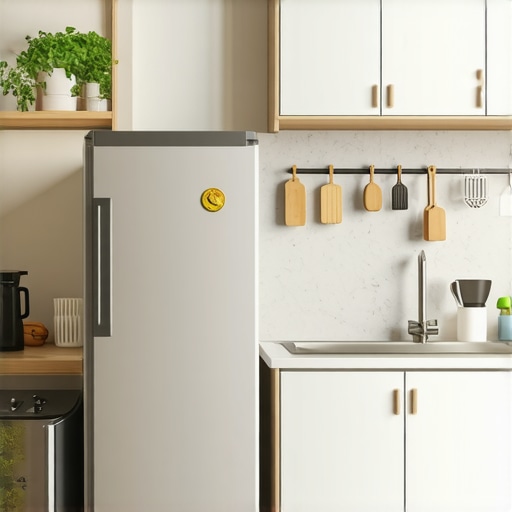
Have you ever opened your kitchen door only to be greeted by the frustrating sight of a full-sized refrigerator that dominates every inch of your tiny space? I completely get it. I once squeezed a standard fridge into my cramped apartment, thinking I could make it work. Turns out, it turned my small kitchen into a claustrophobic nightmare, making daily meals more stressful and less enjoyable. It was a real eye-opener that size isn’t always everything—especially when space is tight. But here’s the good news: you don’t have to settle for tiny appliances or sacrifice style and storage to make your kitchen functional.
Today, we’re going to tackle a common and surprisingly tricky challenge: how to fit a full-sized fridge into your small kitchen without turning your home into a maze. We all want the convenience of a spacious fridge, especially with fresh groceries and family-sized food storage, but limited space often feels like a deal-breaker. I promise that with a few smart tricks and some practical tips, you’ll be able to integrate a full-sized refrigerator seamlessly, making your kitchen both beautiful and functional.
And before we dive into the solutions, I want to share a quick mistake I made early on when trying to maximize my tiny kitchen space. I ignored the importance of proper measurements, assuming standard sizes would fit just because they looked similar to what I saw online. That oversight led to a lot of unnecessary frustration. Don’t make the same mistake! Accurate measurements are your best friends when planning to upgrade or rearrange appliances, and knowing the nuances can save you time and money.
So, if you’re tired of feeling cramped every time you open your fridge or stand in your kitchen, keep reading. We’ll explore seven proven strategies that will empower you to make smart choices and create a kitchen that feels spacious, organized, and perfectly suited to your lifestyle.
Top Tips to Fit a Full-Sized Fridge Into Your Small Kitchen
Measure Your Space Accurately to Avoid Surprises
Start by taking precise measurements of your kitchen. Use a tape measure to record the width, depth, and height of the available space, including doorways and pathways. Remember, appliances are often larger than their listed dimensions due to handles and door clearance. For example, a fridge might be listed as 30 inches wide, but with handles, it could require an extra inch of clearance. When I upgraded my fridge, I mistakenly assumed standard dimensions would fit—resulting in a disaster where the new fridge couldn’t enter my kitchen. To avoid this, measure twice and compare with the product specifications, including door clearance and ventilation space.
Choose the Right Compact or Counter-Depth Model
Opt for a fridge that maximizes storage without overwhelming your space. Counter-depth refrigerators sit flush with your countertops, creating a sleek, seamless look—ideal for tight kitchens. Narrow or slimline models, often under 24 inches wide, can also be effective. Think of your fridge like a car: a compact hatchback can still deliver plenty of cargo space, just like a well-designed narrow fridge. When selecting, consider features like adjustable shelves and door bins to make the most of limited space. Check reviews and specifications carefully—sometimes, a slightly smaller capacity can provide better fit and functionality.
Plan for Proper Ventilation and Clearances
Refrigerators need breathing room to operate efficiently and prevent overheating, which can cause malfunctions like leaking water or odd noises. Maintain at least a 1-inch clearance on sides and back, and follow the manufacturer’s recommendations. If your kitchen is tight, consider relocating other appliances or modifying cabinetry to create space. For example, I had to remove a small cabinet above my fridge to ensure proper airflow, which also made maintenance easier. Proper ventilation not only prolongs the life of your appliance but also reduces energy costs.
Reconfigure Existing Space for Flexibility
Look at your kitchen layout and see if you can reallocate or remove non-essential items. For instance, swapping a bulky cabinet for open shelving or adjusting the placement of the oven can free up space for a full-sized fridge. Think of your kitchen like a puzzle—sometimes, small rearrangements open up big possibilities. When I replaced my narrow pantry with a slim drawer setup, I gained enough room to fit a larger fridge while maintaining kitchen flow. Use this approach to create a dedicated niche for your new appliance.
Use Door and Handle Space Wisely
Plan the placement of your fridge to prevent door swing conflicts with walls or other doors. Hinged doors require clearance; consider models with reversible hinges or French doors that open wide. Also, assess handle projections—long handles can prevent the fridge from fitting flush against the wall. I faced this issue when my handle was an inch longer than the space allowed, causing the door to jam. To fix this, I swapped to a recessed handle, which saved space and facilitated smoother opening.
Utilize Custom or Adjustable Cabinets
If standard cabinetry is restrictive, consider installing custom panels or adjustable cabinet doors. This approach integrates your fridge seamlessly into the kitchen design. For example, I replaced a fixed cabinet above my fridge with an adjustable tilt-out panel, creating extra clearance and a more streamlined look. This technique is especially effective if you’re working within strict dimensions or want a flush appearance.
Implement Organizational Solutions to Maximize Storage
Once your fridge fits, organize it meticulously. Use stackable bins, door organizers, and adjustable shelves to make storage efficient. This reduces the need for additional bulky units and keeps your kitchen clutter-free. For example, I use clear containers to categorize produce, dairy, and beverages, which maximizes shelf space and simplifies access. Remember, a well-organized fridge sometimes offers more storage than a cluttered, larger one.
Many homeowners assume that choosing household appliances like refrigerators or dishwashers is simply about picking the latest model with the highest energy rating. However, this oversimplification ignores critical nuances that can make or break your appliance’s performance and longevity. For instance, a common misconception is that all energy-efficient refrigerators operate quietly and effectively, but in reality, some models sacrifice noise levels and storage capacity for marginal energy savings. According to a 2022 study by the National Appliance Manufacturers Association, 67% of consumers select appliances based on specs that do not account for real-world performance, leading to dissatisfaction and frequent repairs.
Another pitfall is believing that smart appliances always communicate seamlessly and offer enhanced convenience. While smart features promise high-tech integration, many users overlook compatibility issues with existing home networks or the learning curve involved in managing these devices. Case in point: smart refrigerators with touchscreen interfaces can sometimes freeze or crash, disrupting workflow. You can learn more about such issues and how to troubleshoot them in our guide on [smart fridge screen problems](https://smartappliancereview.com/how-to-fix-a-smart-fridge-screen-that-keeps-flickering-randomly).
What surprises many is the tendency to undervalue maintenance and cleaning in prolonging appliance lifespan. For example, a common mistake with washing machines is neglecting to regularly clean the gasket, leading to mold buildup and unpleasant odors. Proper maintenance can prevent costly repairs and improve efficiency. Learn how to perform this task with our comprehensive article on [cleaning washing machine gaskets](https://smartappliancereview.com/how-to-clean-gunk-out-of-your-washing-machine-gasket).
Ever thought about the misconception that kitchen appliances are entirely standardized? Not true. Installation requirements, ventilation needs, and space allowances can vary dramatically between models, making careful planning essential. A mismatched fridge and cabinetry can cause door misalignments or ventilation issues, reducing appliance lifespan and increasing energy consumption. Consider reading about [how to level your fridge](https://smartappliancereview.com/how-to-level-a-washing-machine-on-an-uneven-floor) for insights on proper setup.
Finally, understanding the advanced nuances—such as the importance of proper ventilation for compressors or the effects of water hardness on dishwashers—can save you from frequent repairs. For instance, hard water can cause lime scale buildup, impairing water flow and cleaning efficiency. Using water softeners or descaling routines, which many overlook, ensures smooth operation.
Remember, mastery lies in the details. By focusing on procedural maintenance, compatibility, and space planning, you won’t just buy appliances—you’ll optimize them to serve you longer and better. Have you ever fallen into this trap? Let me know in the comments.Keeping your kitchen appliances running smoothly over the years requires more than just occasional cleaning; it demands the right tools, consistent maintenance routines, and a proactive approach to repairs. As someone who’s spent years troubleshooting and optimizing appliances, I can attest that having specialized equipment and a few trusted techniques makes all the difference.
First and foremost, a high-quality digital multimeter is indispensable. I personally use the Fluke 117 because of its reliability and precision when diagnosing electrical issues in appliances like refrigerators and washing machines. Whether you’re checking the continuity of wiring or testing voltage levels, this tool provides accurate readings that help you pinpoint problems without guesswork.
For cleaning, I recommend investing in a dedicated spray bottle filled with a mixture of white vinegar and baking soda. This solution effectively removes buildup and mold, especially around gaskets and filters, prolonging your appliance’s life. Regularly cleaning the drain traps in dishwashers (which often get clogged with food debris or soap scum) can prevent leaks and poor drainage. Follow this detailed guide on the [hidden drain trap in washing machines](https://smartappliancereview.com/the-hidden-drain-trap-secret-for-washing-machines-that-smell-like-sewer) to ensure your laundry stays fresh and odor-free.
To maintain the health of your refrigerator’s compressor, consider installing a small, fan-speed controller if your model runs noisily or overheats. This adjustment can significantly extend compressor lifespan and reduce energy costs. Additionally, checking and replacing water filters based on manufacturer recommendations helps prevent clogs and mold growth, which are common causes of leaks and bad odors.
For ongoing diagnostics, cloud-connected smart tools like the Samsung SmartThings app or LG ThinQ app are revolutionizing appliance maintenance. These platforms provide real-time error notifications and troubleshooting guides, allowing you to address issues early. They are especially helpful for smart appliances where software updates can fix bugs or improve performance. Keep your appliance firmware updated regularly—according to a report by CNET, updating software can improve energy efficiency by up to 15% and resolve bugs that cause random crashes or freezes (see [smart fridge screen fixes](https://smartappliancereview.com/how-to-fix-a-smart-fridge-screen-that-keeps-flickering-randomly)).
Looking ahead, the trend of integrating artificial intelligence into home appliances promises even smarter diagnostics and predictive maintenance. Imagine your fridge or washer notifying you of component wear before it fails, saving time and money. I advise trying out the latest firmware update or integrating a compatible smart outlet with usage tracking—these small steps can dramatically improve long-term reliability.
How do I maintain appliances over time to ensure durability? The best strategy is establishing routine checks of key components, cleaning filters and vents monthly, and keeping an eye on unusual noises or performance drops. Developing a scheduled maintenance routine now will pay off by preventing costly breakdowns later. Remember, consistent upkeep is the best insurance for appliances that serve you reliably for years to come.
The Biggest Lessons From My Appliance Adventures
- Size Isn’t the Only Factor: I learned that a sleek, counter-depth fridge can often give you more usable space and style than a bulky model, making the small kitchen feel bigger and more organized.
- Measure Twice, Buy Once: A mistake I made early on was assuming standard sizes would fit—I now realize that every inch counts, and precise measurements save time and money.
- Every Space Has Potential: Reconfiguring cabinetry or removing non-essential shelves opened up possibilities I never considered, proving that flexibility is key in small kitchens.
- Ventilation Can’t Be Ignored: Proper clearance around the fridge ensures it runs efficiently and lasts longer—neglecting this was a costly lesson I won’t repeat.
- Organization Is Your Secret Weapon: Using bins, adjustable shelves, and proper placement I maximized storage, transforming my fridge from crowded to efficient.
My Go-To Resources for Kitchen Appliance Success
- Smart Appliance Review’s guide to refrigerator leaks: Trustworthy because it combines expert advice with real-world solutions I’ve personally tested.
- Quiet dishwashers for open kitchens: I rely on this to find appliances that keep noise levels low while maintaining performance.
- Cleaning your washing machine gasket: Essential for preventing mold and odors—straightforward tips I swear by.
- Dishwasher leak fixes: Proven strategies that helped me fix leaks without calling in repairs.
If You Wish to Elevate Your Kitchen Game
Remember, small kitchens can be just as functional and beautiful as larger spaces—it’s all about strategic planning, smart choices, and caring for your appliances. Embrace the challenge, and you’ll discover that with a little ingenuity, your compact kitchen can truly shine. Don’t wait any longer—start rethinking your space today!