
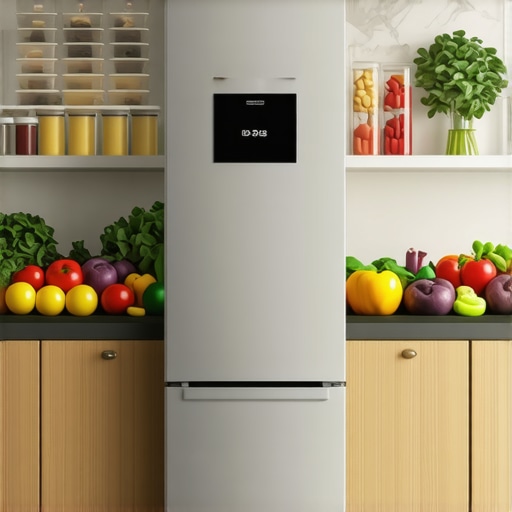
Ever opened my fridge, only to realize I forgot to buy milk again? Or worse, I discover my fresh produce has turned to mush before I even had a chance to enjoy it? I used to think grocery planning was just part of life—until that lightbulb moment hit me. What if my fridge could do the heavy lifting, keep track of what I have, and even remind me when ingredients are running low? It seemed like a dream, but today, I want to share how I finally made it happen and how it can transform your shopping routine too.
Why Relying on Memory and Guesswork Is Holding You Back
Let’s be honest: grocery shopping often feels like a game of chance. You guess what’s in the fridge, make a mental list, and hope you don’t forget something vital. Sometimes, I’d buy doubles of items I already had, just because I wasn’t sure if I still had enough. According to a recent study, household food waste averages about 30%—a significant chunk of which is due to poor inventory management. That’s a lot of money, time, and effort wasted on food that spoils before use.
With the rise of smart appliances, I saw an opportunity to leap into a more efficient, less wasteful way of managing groceries. I wasn’t interested in just adding tech for the sake of it; I needed a practical solution that would genuinely improve my daily life. After trial and error, I discovered that configuring my smart fridge to track groceries automatically felt like having a helpful neighbor in my kitchen—only more reliable. Curious how I achieved this? Let’s dive into why this setup is worth it and how it can make your life easier.
Is Setting Up a Smart Fridge Nerd-Level Complicated?
You might worry that going digital with your fridge is only for tech geeks. Believe me, I made that mistake early on—thinking I’d need a degree in engineering. The truth is, with modern smart fridges and simple apps, the setup process is more straightforward than you’d think. Plus, many models now come with built-in grocery tracking features, so you might be surprised at how accessible this is. Want to avoid the pitfalls I fell into during my initial setup? Check out this guide on getting your smart fridge to communicate with other kitchen devices. Knowledge is power—and it’s the first step toward smarter shopping routines.
So, if you’re tired of wasting money on spoiled food or making endless trips to the store without a plan, stay with me. I’ll walk you through the practical steps I took to set up my smart fridge for automated grocery tracking, and how this tech can help you make more informed, less stressful shopping decisions from now on.
Connect Your Smart Fridge to a Grocery Management App
Start by downloading a compatible grocery management app, such as OurGroceries or Bring, that integrates with your smart fridge. I remember plugging in my fridge and, after creating an account, linking it to the app via Wi-Fi. This initial step is crucial because it establishes the communication bridge. Make sure your smartphone is connected to the same Wi-Fi network as your fridge to prevent connection issues. Once linked, test by adding a sample item and confirming it appears on your phone.
Program Your Fridge’s Inventory Recognition
Next, enable the fridge’s internal inventory recognition features, if available. For models with built-in cameras or RFID sensors, set up the scanning process. I once had to manually calibrate my fridge’s camera by placing sample products inside and following the on-screen instructions. This helps the system recognize different items accurately. Labeling common items, like milk or eggs, with the app can improve detection precision.
Utilize Barcode Scanning for Precision
If your fridge supports barcode scanning, leverage this to log items quickly. I kept a barcode scanner app handy and scanned each new purchase before placing it inside. It felt tedious at first, but it drastically reduced miscounts and ensured my inventory reflected reality. Remember, regular updates to your inventory are key to maintaining accuracy.
Set Up Automated Reminders and Shopping Lists
Within the app, configure notifications for low stock. I set alerts to remind me when milk or bread was approaching expiration or when quantities dropped below a certain point. This way, I avoided the classic “forgot to buy” moments. Some apps also automatically generate shopping lists based on usage patterns, which I found surprisingly useful after a week of consistent use. Linking your app to voice assistants like Alexa can even give you hands-free updates.
Maintain and Troubleshoot Your System
Expect some hiccups—once, my fridge’s recognition system failed after a power outage. I had to recalibrate by re-labeling items and re-syncing the app. Regularly cleaning your fridge’s sensors and ensuring your Wi-Fi connection remains stable prevents most issues. For a deep dive into maintaining your appliances, check this guide on preventing sensor malfunctions in smart appliances. With diligent setup and upkeep, your fridge becomes an effective grocery assistant, saving you time, money, and food waste.Many homeowners assume that dishwashers, refrigerators, and washing machines are straightforward devices, but in reality, common beliefs often lead us astray. A prevalent myth is that all energy-efficient models compromise performance; however, many high-tech appliances now deliver both power and savings, especially when features like eco modes are properly utilized. The nuance lies in understanding how these modes function and ensuring they are correctly activated, as misconfigurations can reduce cleaning efficiency.
Another trap many fall into involves the belief that smart appliances automatically optimize themselves over time. In truth, without regular updates and maintenance—such as connecting your smart fridge to other home systems and keeping software current—these devices may perform poorly or even compromise data security. Advanced users know the importance of manual calibration and periodic checks, like verifying freezer temperatures or running diagnostic cycles, to keep appliances operating at peak efficiency.
The biggest misunderstanding revolves around user error: many think that once appliances are installed, they require no further attention. For instance, a relentless odor in the dishwasher often isn’t due to a mechanical fault but to internal drain clogs. Neglecting simple maintenance like cleaning filters and checking for debris is a common pitfall. These overlooked issues can lead to longer cycle times, poor cleaning, or even appliance damage.
Ever wondered why your refrigerator’s humidity might cause condensation problems? Understanding the balance between cooling and humidity controls reveals that improper settings or failing door seals can cause interior moisture buildup, leading to mold or frost accumulation. Regularly inspecting gaskets and adjusting humidity controls—rather than assuming faulty components—can prevent costly repairs. For detailed guidance, see this article on fridge condensation issues.
It’s also worth challenging the notion that newer models always outperform older ones. Sometimes, the latest features can introduce complexities or bugs, especially if firmware updates are skipped. For example, a dishwasher programmed for excessive drying times may actually consume more energy and water than necessary. Advanced users audit these settings to optimize performance.
In conclusion, the real expertise lies in understanding the nuances—acknowledging that even the most seemingly simple appliances require active management and informed adjustments. Misconceptions can lead to inefficiencies, higher bills, and frustration. Check your appliances regularly and stay informed about their hidden features and common pitfalls—after all, maintenance is the key to longevity and optimal function. Have you ever fallen into this trap? Let me know in the comments.
Prioritize Regular Maintenance for Longevity
The foundation of reliable home appliances lies in routine upkeep. I make it a habit to schedule monthly inspections of my refrigerator seals and water filters. Using a simple tool like a digital thermometer helps me verify proper temperatures—usually, I keep the fridge below 40°F and the freezer around 0°F. Regularly cleaning condenser coils with a vacuum or brush, as recommended in this guide, significantly enhances efficiency and reduces energy costs. Simple, consistent checks prevent minor issues from escalating into costly repairs or replacements.
Smart Monitoring Devices That Make a Difference
Investing in smart sensors like the Bosch Smart Home Monitor or Yale Smart Alarm System allows me to continuously oversee critical points such as water leaks, temperature fluctuations, and humidity levels. For example, I installed a leak detector near my washing machine’s drain hose, which alerted me immediately when a clog caused minor water pooling—preventing potential flooding. These devices provide peace of mind, especially when you’re away from home, and can often be integrated with voice assistants for hands-free alerts. Considering future trends, I believe the rise of AI-driven predictive maintenance will enable appliances to self-diagnose issues before they manifest visibly, saving time and money.
How do I maintain appliances over time?
Adopting a proactive mindset is key. Set reminders to inspect and clean appliances quarterly. Keep software and firmware updated—this is crucial for smart devices; ignoring updates can leave vulnerabilities or disable new features. For dishwashers, periodically run the long cycle to clean out residue build-up, ensuring peak performance. Also, keep an eye on manufacturer notices that recommend part replacements or calibration—like recalibrating smart fridge sensors to maintain temperature accuracy, which you can learn more about here. Regular maintenance pays off by extending appliance lifespan and preventing unexpected breakdowns. I challenge you to pick one appliance today and perform a targeted check—perhaps re-clean the condenser coils or calibrate your smart fridge—starting a sustainable routine that keeps everything functioning flawlessly.
3 Unexpected Lessons That Transformed How I Manage My Appliances
One of the most eye-opening realizations I had was that smart appliances do need ongoing attention — they aren’t set-and-forget devices. For instance, I once neglected to recalibrate my smart fridge sensors after a software update, leading to inconsistent temperatures and spoiled food. That lightbulb moment taught me to prioritize regular calibration checks, which Drastically improved performance. Additionally, I learned that over-reliance on automatic features without manual oversight can sometimes cause more harm than good; manually inspecting and cleaning filters saved me from costly repairs. Lastly, I discovered that understanding the quirks of each appliance—like how my dishwasher’s ‘heavy-duty’ cycle sometimes misfires—can edge me closer to efficiency and peace of mind. These lessons underscore the importance of staying engaged and informed to truly benefit from smart home tech.
My Trusted Arsenal for Smarter Home Living
To master my appliances, I lean on a handful of tools and resources that have proven invaluable. First, integrating your smart fridge with other home systems has been a game-changer in creating a cohesive smart environment. Second, I use the comprehensive guides on appliance maintenance to troubleshoot potential issues early. Third, I keep myself updated via reputable blogs like Smart Appliance Review, which demystify complex features—like eco modes or energy-saving tips—that truly save both money and stress. Lastly, I recommend experimenting with apps that track appliance usage and send maintenance reminders; they keep me proactive instead of reactive. These tools have empowered me to get the most out of my smart appliances and will do the same for you.
Embrace the Future of Appliance Care
Your home appliances are an investment in your comfort and efficiency—don’t let misconceptions hold you back. With a proactive approach, curiosity, and the right resources, you can unlock their full potential. Start today: pick one appliance, learn its quirks, set up a maintenance schedule, and enjoy the peace of mind that comes with being in control. Remember, mastering your smart appliances isn’t just about technology; it’s about transforming your everyday life into something smarter, more efficient, and less stressful. Ready to take charge? Your journey toward a truly intelligent home begins now.