
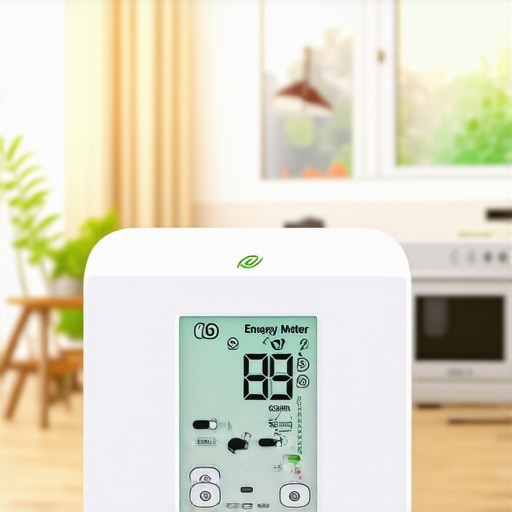
I remember the moment clearly — I was standing in my laundry room, staring at my almost-full washing machine, pondering whether to start another load or just wait until I had more clothes to justify running it. It hit me then: I’ve been activating the ‘Eco Mode’ on my appliances for months, hoping to cut costs, but was I really saving anything? Or was I just fooling myself?
It’s a familiar story for many of us. We turn on Energy Saver features, switch to eco-friendly settings, and assume we’re doing our part for both the environment and our wallets. But the truth is, how much do these modes actually save? Are they just marketing buzzwords, or do they make a meaningful difference on our utility bills?
Today, I want to share my personal experience and findings, so you don’t have to go through the same guesswork. By the end of this post, you’ll have a clearer idea of whether engaging ‘Eco Mode’ is a smart move for your household budget — and how to maximize your savings.
Why Eco Mode Might Not Be Saving You as Much as You Think
Many appliances come with an ‘Eco Mode,’ promising lower energy consumption and reduced bills. But early on, I made the mistake of assuming these modes were the ultimate hack. I switched my dishwasher, fridge, and washing machine to Eco options without checking whether the savings justified any inconvenience or longer cycle times. Turns out, that was a mistake. According to a recent report by the U.S. Department of Energy, the actual savings from eco settings can vary widely depending on how and when you use your appliances, and often, the savings are less significant than advertised.
In fact, some appliances may even end up using more water or electricity if the cycle is longer or less effective. I learned this the hard way after noticing my dark clothes still had white streaks, which I later found was related to the way I used the eco cycle but wasn’t aware of at first. For more tips on avoiding common laundry mishaps, check out [this guide](https://smartappliancereview.com/why-your-washing-machine-is-leaving-white-streaks-on-dark-clothes).
So, the big question is: Are eco modes really worth it? Or are they just a nice idea that doesn’t always pan out?
Let’s dive into the real numbers, personal stories, and practical advice to help you decide whether to embrace eco settings fully or tweak your habits for better savings. And trust me, understanding these nuances can make a big difference in your monthly bills and overall household efficiency.
Evaluate Your Appliance Settings Carefully
Start by examining each appliance’s default eco mode settings. Turn on the appliance and access its control panel—this may involve pressing a dedicated “Eco” button or navigating through a digital menu. For example, when I first tried enabling eco mode on my dishwasher, I held the button for a few seconds until the indicator light confirmed activation. This initial step ensures you’re starting with the correct baseline for savings.
Adjust Cycle Lengths and Wait Times
Eco modes often extend cycle times to reduce energy use, but it’s crucial to understand whether longer cycles are truly more efficient. For instance, I noticed my washer’s eco cycle took twice as long, but I experimented by running a standard cycle during off-peak hours and compared energy consumption with eco mode. You might find that running longer cycles during times when electricity is cheaper yields better savings than simply switching modes.
Clean and Maintain Appliances Regularly
Efficiency depends heavily on the appliance’s condition. A clogged filter in your washing machine’s filter or a dirty coil in your refrigerator can diminish performance and negate savings. I once neglected cleaning my refrigerator’s coils, which caused it to work harder and use more power, even in eco mode. Schedule regular maintenance to keep appliances running optimally.
Optimize Load Sizes and Timing
Overloading or underloading appliances can hamper efficiency. Use your appliance’s capacity wisely—neither too full nor too empty. For example, I used to run my washer with just a few items, making the cycle longer and less efficient. Learning the ideal load size helped me avoid unnecessary energy use. Additionally, running heavy-duty cycles during low-demand hours, like late at night, can reduce costs overall.
Leverage Smart Features for Better Control
If your appliances are smart-enabled, they can be programmed or monitored remotely. Setting your smart fridge to alert you when items are nearing expiry prevents waste, saving energy associated with spoiled food here. Similarly, some washers allow you to start cycles remotely to run when electricity rates are lowest. I once scheduled my smart dishwasher to run during off-peak hours, which noticeably lowered my utility bill.
Monitor and Record Your Savings
Use your utility company’s data or your appliance’s energy monitor to track consumption over time. For example, I kept a log comparing my bills before and after optimizing eco mode usage. This concrete data helped me identify which appliances yielded the most savings and adjusted my habits accordingly.
Even seasoned homeowners often assume that their appliances are functioning optimally when, in reality, many common practices undermine efficiency and longevity. A widespread misconception is that newer, high-tech models inherently require less maintenance or are impervious to user errors. However, neglecting advanced nuances—such as understanding the importance of periodic coil cleaning or sensor calibration—can lead to increased energy bills and appliance breakdowns. For instance, many believe that simply setting a refrigerator to its coldest setting saves energy, but in truth, overcooling can cause unnecessary power consumption and food freezing. Regularly cleaning coils with targeted hacks, like the one detailed here, ensures optimal performance and saves money over time.
Why do my smart appliances sometimes behave unpredictably?
Smart appliances rely heavily on stable Wi-Fi connections and accurate sensor readings. A surprising number of users overlook the critical role of calibration—like ensuring your smart fridge’s temperature sensor is precise—which can drastically affect cooling efficiency and energy use. Experts emphasize the importance of routine calibration checks to prevent undue strain on components and energy waste. Recent studies have shown that poorly calibrated sensors can increase power consumption by up to 15%, negating the benefits of smart features. To avoid this costly mistake, refer to guides like this calibration procedure.
Another common error is assuming all appliances are maintenance-free. For example, many users neglect cleaning the internal drain of their refrigerators, leading to pooling water and increased humidity that fosters mold and odors. A simple fix involves unclogging internal drains, a step that can significantly prolong appliance lifespan, as discussed here. Properly maintaining your appliances entails understanding these nuances, which can dramatically enhance both their efficiency and service life.
In the end, viewing your appliances as complex systems rather than simple tools helps you optimize usage and prevent common pitfalls. Whether it’s regularly checking your washer’s filter to reduce lint buildup, or understanding the importance of load sizes to prevent overworking your machine, appreciating these details makes a noticeable difference. Remember, even small habits like running longer cycles during off-peak hours or scheduling routine maintenance can accumulate considerable savings and extend your appliances’ lifespan.
Have you ever fallen into this trap? Let me know in the comments.Maintaining your home appliances is crucial for their longevity, performance, and energy efficiency. One of my go-to tools is a digital multimeter, which I use regularly to check the power supply and verify that outlets and cords deliver consistent voltage. I also rely on specific smartphone apps like the LG ThinQ or Samsung SmartThings, which allow me to run diagnostics, schedule maintenance, and even reset appliances remotely, saving time and preventing minor issues from escalating. Regularly inspecting door seals on refrigerators with a flexible gauge or a thin plastic card helps me identify gaps that could lead to energy loss, as illustrated in our comprehensive guide on sealing leaks.
How do I maintain my appliances over time?
Consistent cleaning is paramount. For example, I clean refrigerator coils every six months using a simple brush attachment, as detailed in the article on coil cleaning hacks. Scheduling professional inspections annually ensures that components like compressors and fans are in optimal condition, preventing unexpected breakdowns. I also keep an eye on appliance firmware updates, especially for smart appliances, because manufacturers often improve efficiency and fix bugs via software patches. As experts suggest, a well-maintained appliance can consume up to 30% less energy over its lifespan when properly serviced (source). I recommend setting reminders using task management apps for cleaning filters, inspecting seals, and scheduling professional checks, which help you catch small issues early.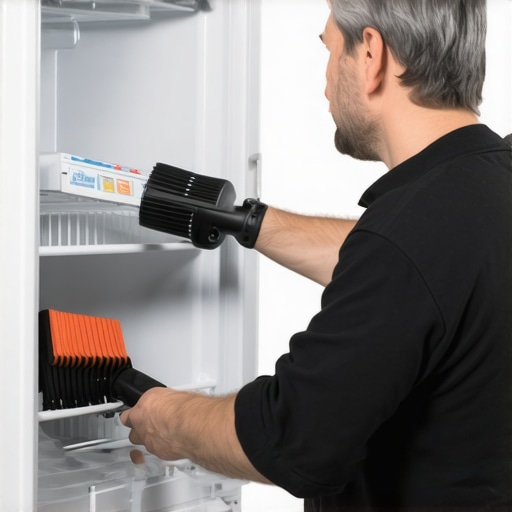
To keep appliances running smoothly, I also use specialized tools like magnetic leak detectors for refrigerators, which can identify refrigerant leaks that are invisible to the naked eye. These tools, combined with regular visual inspections and proper cleaning routines, help prevent costly repairs and energy waste over time. In future, I foresee this trend moving toward more integrated diagnostic systems that notify owners of potential issues before failures occur—saving money and minimizing environmental impact. Start by trying the coil cleaning hack I mentioned, as it offers immediate savings and is simple to implement. Regular tool use and maintenance routines can extend the lifespan of your appliances, ensuring they serve you well for years to come.
The Hardest Lessons I Learned About Home Appliance Savings
One of my biggest lightbulb moments came when I realized that activating Eco Mode isn’t always the cost-saving miracle I believed it to be. I used to think that switching my appliances to eco-friendly settings was enough to cut my bills significantly, but I discovered that the real savings depend heavily on proper usage, maintenance, and timing. Ignoring these details sometimes meant longer cycles and higher water usage, which canceled out any supposed benefits.
Tools and Tips That Transformed My Appliance Management
Honestly, my perspective shifted when I started leveraging smart tools like the LG ThinQ app for diagnostics and scheduling, alongside regular manual checks like cleaning filters and coils. Learning to evaluate each appliance’s needs rather than blindly trusting the eco mode made a massive difference. For instance, I now run my washer during off-peak hours and ensure load sizes are optimized, which has noticeably lowered my utility bills.
Believe in Your Daily Rituals to Save More Than You Think
Small habits—like regularly cleaning appliance components, calibrating sensors, and scheduling routine maintenance—have proven to be game-changers. It’s tempting to think these are minor details, but they significantly prolong appliance life and improve efficiency. Now, I make a habit of checking my refrigerator’s seal and running periodic coil cleanings, which prevents unnecessary energy drain. Embracing these small steps consistently yields far better results than relying solely on preset eco modes.