
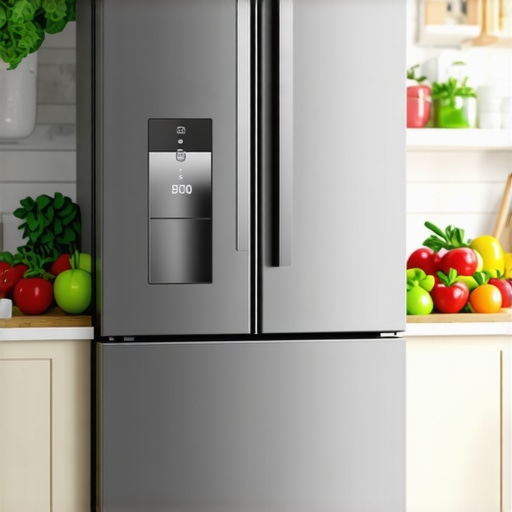
It was a scorching July afternoon when I opened my fridge to find my leafy greens already wilting despite being stored in the crisper. Suddenly, I realized that my energy bills had skyrocketed, and my trusty fridge was working overtime. That lightbulb moment made me dive into the world of refrigerator settings, especially for those blazing summer days. If you’ve ever felt frustrated watching your cooling unit run nonstop, while your groceries somehow spoil faster, you’re not alone. Today, I’m here to share what I’ve learned about setting your fridge for maximum efficiency during the hottest months of the year.
Why Summer Can Turn Your Fridge into an Energy Hog
Summer heat challenges your refrigerator in ways you might not expect. When the outside temperature climbs, your fridge works harder to maintain coolness, leading to increased energy consumption. But here’s a twist: setting your fridge too cold isn’t the answer. It can cause energy waste and even spoil your food. Finding that sweet spot—where your fridge cools effectively without wasting power—is crucial. According to the Department of Energy, optimizing your fridge temperature can save you up to 10% on energy bills. That’s enough to notice a difference in your monthly expenses and your environmental impact.
Is adjusting your fridge temp really worth the hassle?
Let me be honest — I used to think that cranking the thermostat down to the lowest setting would keep everything freshest and coolest. Turns out, that was a rookie mistake I made early on. Not only did it bump up my energy bills, but it also caused my produce to freeze and my water bottles to turn icy. I learned that the key to efficiency lies in finding the right balance. For more tips on preventing common fridge issues and saving energy, you might want to check out this article on [how to stop your refrigerator from freezing your lettuce in the back](https://smartappliancereview.com/how-to-stop-your-refrigerator-from-freezing-your-lettuce-in-the-back).
Now that we’ve covered why this matters, let’s explore the practical steps to optimize your fridge for the scorching summer months. With some simple adjustments, you’ll keep your food fresher, your bills lower, and your appliance happier.
Adjust the Temperature Settings Precisely
Start by locating your fridge’s temperature dial, usually found inside the fridge or on the control panel. Set the temperature to between 37°F (3°C) and 40°F (4°C) for optimal cooling without waste. When I first did this during a hot weekend, I was surprised how much energy I saved and how my food remained fresh. Remember, setting it too cold can cause freezing, which wastes energy and spoils produce. For extra guidance, check out this article on preventing refrigerator freezing issues.
Organize Your Food for Better Airflow
Efficient airflow helps your fridge maintain temperature without overworking. Remove overcrowded items and ensure vents are unobstructed. When I reorganized my shelves, I noticed the compressor didn’t run as frequently, which lowered energy use. Use clear bins to keep items away from vents and prevent blocking airflow. Proper organization also helps you identify spoiled food quickly, reducing waste and energy spent on cooling spoiled items.
Keep the Door Seals Tight
Inspect door gaskets regularly, pressing around the edges to ensure a tight seal. Clean gaskets with warm soapy water to remove debris that can cause leaks. Once, I found my gasket was cracked, which was silently increasing my energy bills. Replacing worn seals is a minor fix that pays off in reduced energy consumption. For detailed gasket maintenance, see this guide on gasket care.
Limit Door Opening Frequency
Every time you open the fridge door, warm air enters, forcing the compressor to work harder. Create a habit of grabbing everything you need at once and close the door quickly. During a family picnic, I made everyone gather their snacks at once, which significantly cut down on compressor cycles. Use storage bins or labels to help family members access what they need without rummaging. This simple step maintains internal temperature stability, saving energy.
Maintain the Condenser Coil
Locate the condenser coil—usually at the back or underneath—and clean it every six months with a vacuum or brush. Dust and pet hair clog the coil, making the compressor work overtime. When I cleaned mine, I observed a noticeable drop in energy consumption and less noise from the fridge. Be sure to unplug the appliance before cleaning. Proper coil maintenance is crucial; a neglected coil can double your energy bills over time.
Set the Right Temperature Without Freezing Milk
Many assume colder is better but setting the fridge too low risks freezing milk or fruits. Adjust the thermostat to keep the temperature just below 40°F, which prevents freezing while ensuring freshness. I used a digital thermometer to verify my settings, eliminating guesswork. Remember, a slight adjustment can have a big impact on energy efficiency. For a precise approach, consult this step-by-step guide.
When we think about appliances like dishwashers, refrigerators, and washing machines, a common assumption is that following basic operation instructions is enough for optimal performance. But as an expert who’s troubleshooting these devices daily, I’ve noticed many users fall prey to misconceptions that cost them time, money, and convenience. Let’s dig deeper into some of these nuanced traps and bust myths that persist among homeowners.
Many believe that a modern dishwasher or refrigerator is mostly maintenance-free, expecting high efficiency with minimal effort. However, neglecting subtle issues like improper load placement or ignoring regular cleaning can lead to inefficiencies. For example, overloading a dishwasher can cause food to not fully rinse, leading to persistent odors and poor cleaning results. This aligns with findings from appliance maintenance experts, emphasizing that proper loading is crucial for optimal performance.
A common myth is that setting the thermostat to the coldest setting maximizes food freshness. In reality, cranking up the temperature often wastes energy and can spoil produce faster. Advanced users should understand the nuanced temperature ranges that preserve freshness without overexerting the compressor. For instance, setting your refrigerator close to 37°F is optimal; colder settings don’t necessarily mean better preservation, and may even cause freezing of delicate produce. To avoid this trap, regular calibration with a digital thermometer can help achieve precise internal temperatures.
When it comes to washing machines, many assume that cleaning the lint filter is unnecessary for modern models. However, clogged filters or microplastic filters can cause drainage issues or lead to microplastic pollution. Regularly cleaning these components, as outlined in detailed guides, ensures longevity and environmental safety. A common mistake is ignoring the microplastic filter, which can lead to microfibers being released into wastewater, contributing to environmental pollution.
Now, let’s answer an advanced question that trips up even experienced users:
Why do smart appliances sometimes behave unpredictably even after performing routine maintenance?
Smart appliances rely on sensors, firmware, and Wi-Fi connectivity. Small discrepancies or outdated firmware can cause misbehavior. For example, a refrigerator might falsely signal a door is ajar because of a faulty sensor or a software glitch. Regular firmware updates, sensor calibrations, and proper Wi-Fi setup are essential to keep these devices functioning reliably. As the industry advances, ensuring your smart appliances are up-to-date can prevent unforeseen operational hiccups, minimizing user frustration and repair costs. Industry research from appliance manufacturers highlights that firmware bugs are a leading cause of malfunction in smart home devices, emphasizing the importance of proactive maintenance.
Have you ever fallen into this trap? Let me know in the comments. Understanding these hidden nuances allows us to optimize longevity and efficiency, saving money and extending the lifespan of our trusted appliances.Maintaining your home appliances for the long haul requires the right tools and a strategic approach. From manual cleaning supplies to advanced diagnostic software, I personally rely on specific gear that ensures my appliances run efficiently and last longer. For example, I swear by a high-quality microfiber cloth—like the MagicFiber brand—to clean my refrigerator coils without scratching delicate surfaces. It helps remove dust and pet hair from condenser coils—the sneaky culprits behind energy hogs—and I do this every six months. Keeping these components clean prevents constant cycling and reduces overall wear, prolonging the appliance’s lifespan. For electrical troubleshooting, I use a Fluke digital multimeter, which allows me to verify connections and detect circuit issues precisely, avoiding unnecessary part replacements and costly service calls. Over the years, I’ve found that investing in good-quality tools not only saves money but also demystifies minor repairs I can handle myself. Looking ahead, the trend seems to be leaning toward smart diagnostic tools that connect directly to appliances and send data to your phone, making maintenance even more accessible. How do I keep appliances running smoothly over time? Consistent routine checks combined with the right tools are the key—don’t skip your condenser coil cleaning or neglect sensor calibrations. For example, regularly cleaning microplastic filters in washers with a dedicated brush can extend their effectiveness and keep your laundry eco-friendly. Check out this detailed guide on cleaning your washer’s filter to stay ahead: https://smartappliancereview.com/4-2026-washers-that-actually-remove-stubborn-pet-hair-tested. I encourage you to try the microfibre coil cleaning method to see immediate improvements in appliance efficiency. Small investments in proper tools and routine habits pay off by preventing larger issues down the line—your appliances will thank you for it.
The Hardest Lesson I Learned About Refrigerators in Summer
One summer, I realized that my efforts to keep food fresh were futile when my energy bills soared and my produce wilted in the heat. The biggest lesson was understanding the delicate balance between proper temperature settings and appliance efficiency. Overcooling doesn’t just waste energy—it can spoil your food and strain your fridge unnecessarily. I learned that some of the simplest tweaks, like setting the temperature to 37°F, made a significant difference. Remember, your fridge’s performance during summer is less about cranking it down and more about fine-tuning for optimal results.
Why I Avoided the Perfectly Cold Setting
Initially, I believed that setting my fridge as cold as possible would preserve everything better. Turns out, this superstition was costly. Overly cold settings not only increased my energy bills but also caused frozen produce and spoiled dairy. By calibrating my thermostat and using a digital thermometer, I discovered that maintaining 37-40°F is the sweet spot. This shift not only saved money but also extended the freshness of my groceries, proving that sometimes, less is more when it comes to appliance efficiency.
Secrets I Use to Keep Airflow Clear and Energy Conscious
Storing food strategically and keeping vents unobstructed became game-changers. I reorganized my shelves, using clear bins to prevent blocking airflow, which helped my fridge run more smoothly. This small change reduced compressor cycles, conserving energy and keeping everything fresher longer. Regularly inspecting door seals and cleaning condenser coils with a microfiber cloth also played crucial roles. These everyday habits demystified effective fridge management, transforming a burdensome chore into a simple routine that benefits my wallet and the environment.
Why Smart Appliances Need My Constant Attention
My smart fridge sometimes acts unpredictably, especially after firmware updates. I learned that keeping software up-to-date and calibrating sensors regularly prevents many issues. For example, a faulty door sensor caused false alerts, leading me to troubleshoot with simple firmware checks recommended by industry guides. This experience underscored that, even with advanced tech, routine maintenance and awareness are key to keeping intelligent appliances working optimally and avoiding costly repairs or data privacy concerns.
Tools That Make Summer Fridge Tweaks Easier
Investing in quality tools like a digital thermometer, microfiber cloths, and a multimeter revolutionized my maintenance routine. They helped me accurately set temperatures, clean coils efficiently, and troubleshoot electrical issues. These investments pay off through lower bills and longer-lasting appliances. As the industry advances, I look forward to smart diagnostic devices that connect directly to my fridge, making upkeep even simpler. Prioritizing these tools ensures my appliances serve me well, especially during the demanding summer months.
Embrace the Power of Small Changes and Stay Cool
Optimizing your refrigerator for summer isn’t about drastic overhauls—it’s about making informed adjustments that yield big benefits. By understanding your appliance’s nuances, you not only save money but also enhance your food’s freshness and your home’s energy efficiency. Remember, your proactive approach today sets the foundation for a smarter, greener, and more comfortable home tomorrow. So, take that first step—your fridge will thank you for it.