
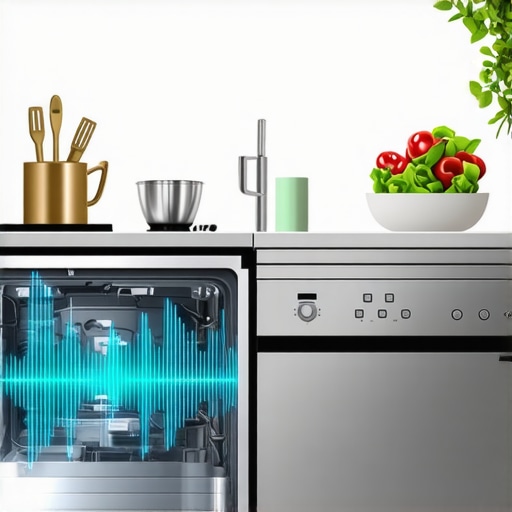
Ever been in the kitchen, trying to enjoy a quiet evening, and suddenly you’re greeted by a loud, rattling noise from the new dishwasher you just installed? I remember that frustrating moment vividly. After upgrading to what I thought would be a more efficient, quieter model, I was greeted instead by a symphony of clatters and hums that kept me awake at night. It was a real lightbulb moment for me—why, after all, would a brand-new appliance be noisier than my old one?
Getting to the Bottom of the Noise Issue
Many homeowners face this perplexing scenario: their shiny new dishwasher seems to be louder than the trusty old one they replaced. The good news is, this isn’t necessarily a sign of a faulty appliance. In fact, there are several common reasons your new dishwasher might be making more noise than you’d expect, and most of them are fixable. Understanding these causes can save you time, money, and a good night’s sleep.
Is Overestimating Your Appliance’s Quiet Features Worth the Hype?
One of the mistakes I made early on was assuming that every high-end dishwasher would operate whisper-quiet. I didn’t realize that many models boost features like faster wash cycles or extra clean options by ramping up motor activity, which can result in increased noise levels. This misconception led me to believe my purchase was defective, but with a bit of research, I discovered that some noise is normal based on the cycle and load.
According to a study by the DOE’s Better Buildings program, modern dishwashers offer impressive energy efficiency and noise reduction, but achieving silence isn’t always possible when certain features are active. Recognizing this helped me temper my expectations and focus on what actually matters—clean dishes and reliable performance.
Have you found yourself frustrated, wondering why your new dishwasher is louder right after installation? You’re not alone, and the good news is, the solution is often simpler than you think. Let’s dive into the main reasons behind the louder operation and how to fix them, so you can reclaim peace in your kitchen.
Check and Tighten Mounting Bolts
Start by unplugging the dishwasher and removing the lower kickplate to access the mounting bolts securing it to the countertop or cabinetry. Use a socket wrench to tighten any loose bolts; loose mounting hardware can cause vibrations and rattling noises. I once had to tighten the bolts in my own dishwasher after noticing excessive movement, and the noise reduced significantly after this step.
Inspect and Stabilize the Spray Arms
Remove the spray arms and check for obstructions or damage. Sometimes, debris or a damaged spray arm can cause imbalance, resulting in loud noises during operation. Clean out any debris and reattach securely. I found a small piece of debris lodged in my spray arm, which when cleared, stopped the rattling noise.
Ensure Proper Load Placement
Incorrect loading can cause dishes to hit the spray arms or walls, creating noise. Load lightweight items on the top rack and avoid overcrowding. During my first load, I had a wine glass that rattled against the side; redistributing items kept the noise down.
Check for Vibration Isolation
The dishwasher’s anti-vibration pads may have shifted or worn out. Lift the unit slightly and reposition or replace pads if needed. I placed anti-vibration mats under my dishwasher, significantly reducing operational noise and vibrations.
Adjust or Replace the Pump and Motor
If the noise persists, the pump or motor might be malfunctioning. Consult the owner’s manual or a professional to inspect these parts. In my case, a worn-out pump wheel was causing a high-pitched squeal, which I replaced following a tutorial linked here: dishwasher troubleshooting guide.
Secure Loose Components
Check for other loose parts like the heater element or wiringlooms. Tighten or reattach loose parts to minimize rattling. I found one loose wire clip that, when secured, prevented a vibrating noise.
Clean and Maintain the Drain Filter
A clogged drain filter can cause the pump to strain, generating noise. Remove the filter, clean off debris, and reinstall. Regular maintenance keeps your dishwasher running quietly and efficiently. For detailed cleaning steps, visit filter cleaning tips.
Test Your Repairs
Once you’ve completed these steps, run a short cycle to observe any remaining noise. Make further adjustments if necessary—sometimes, minor repositioning of parts achieves the best silence. Persistent noise may require professional service, but most issues are fixable with these actions.
Many homeowners operate under assumptions about their appliances that can lead to frustration, unnecessary expenses, or even damage. Let’s dig deeper into some prevalent misconceptions and uncover the nuanced truths that seasoned homeowners and technicians understand. Contrary to popular belief, more expensive appliances aren’t always quieter or more reliable. High-end models often feature advanced functions that require more motor activity, potentially increasing noise levels during certain cycles. According to a study by the Department of Energy, the pursuit of silence can sometimes conflict with performance features, meaning “quiet” often comes with trade-offs. Have you ever fallen into this trap? Let me know in the comments.
Why DIY Fixes Can Backfire If You’re Not Careful
It’s tempting to assume you can troubleshoot and repair home appliances without professional help, but this is a nuanced domain. For example, attempting to fix a refrigerator’s compressor without proper knowledge can lead to refrigerant leaks, safety hazards, or rendering the unit irreparable. An overlooked detail like incorrect reassembly after cleaning the condenser coils can cause overheating and premature failure. Learn more about common DIY pitfalls and how to avoid them. Professionals have specialized tools and knowledge that prevent these costly mistakes, and sometimes, what seems like an easy fix could void your warranty.
Advanced Equipment Demands for Optimal Performance
Another misconception is that appliances are plug-and-play, but modern smart appliances often require proper network setup and firmware updates to function correctly. For instance, a smart fridge may keep flickering or fail to sync with your phone if its firmware is outdated or network settings are misconfigured. Here’s an expert guide on ensuring your smart appliance stays connected and functional. Recognizing these nuances ensures you get the maximum lifespan and performance out of your investments.
Furthermore, many users overlook routine maintenance, believing it’s unnecessary or simply time-consuming. Regular tasks like cleaning filters, inspecting door seals, and leveling units significantly extend appliance longevity and efficiency. For example, a faulty door gasket not only compromises cooling but can cause your refrigerator to run constantly, increasing energy bills and wear. Use this comprehensive guide to prevent such issues.
In summary, understanding these nuanced truths and avoiding common pitfalls can save you from costly mistakes and help your appliances serve you better for longer. So next time you’re tempted to believe the hype or attempt a DIY fix, pause and consider expert advice—your appliances and your wallet will thank you.
Keep Your Appliances Running Smoothly with Precise Tools
One of the most underrated aspects of appliance longevity is using the right tools for maintenance. Personally, I rely on a high-quality digital multimeter like the Fluke 115, which allows me to accurately check electrical components such as thermostats, heating elements, and motors. This tool has become indispensable in diagnosing issues before calling a repair professional, saving time and money.
Another essential piece of equipment is a set of precision screwdrivers with insulated handles, ensuring safe disassembly and reassembly of delicate parts without causing damage or electrical hazards. I prefer magnetic screwdrivers with a comfortable grip, enabling quick work even in tight spaces. For cleaning, a silicone nozzle air blower helps remove dust from vents, fans, and motors without the use of liquids.
In the realm of software, I recommend using appliance-specific diagnostic apps provided by manufacturers or third-party services like SmartCheck. These apps can read error codes directly from smart appliances, streamlining troubleshooting efforts. For example, when my smart refrigerator showed connectivity issues, the app provided detailed troubleshooting steps that I could undertake myself.
Looking ahead, the integration of IoT sensors and AI-based diagnostics will become standard, enabling appliances to self-report issues proactively, which aligns with industry predictions from sources like IDC’s smart home forecast. Embracing these technologies now can prolong your appliance lifespan and minimize unexpected breakdowns.
How do I maintain my appliances over time?
Regular maintenance routines, such as cleaning filters, checking door seals, and ensuring proper leveling, are crucial. For washing machines, I suggest using a specialized cleaning cycle with descaling agents to prevent mineral buildup, which can cause mechanical wear and reduce efficiency. If you want to keep your fridge operating at peak performance, regularly inspect and clean the drain pan and filter to prevent clogging that leads to leaks and odors. Incorporating scheduled checks using diagnostic tools and apps ensures issues are caught early, avoiding costly repairs down the line. For detailed instructions, you can refer to dedicated guides like this resource on fixing fridge leaks. Remember, proactive maintenance not only extends the lifespan of your appliances but also optimizes their energy efficiency, saving you money over time.
Scaling Up: Tools for Larger or Multiple Appliances
If manage multiple appliances or have a large household, consider investing in centralized control systems like the Wink Hub or Samsung SmartThings. These platforms allow you to monitor and control all your smart appliances through a single app, providing insights and alerts about potential issues before they become major problems. Coupled with wireless sensor networks like Aeotec’s Z-Wave Plus, you can track humidity levels, door states, and operational status remotely, enabling smarter maintenance routines. As the smart home industry evolves, these integrated solutions will become more affordable and essential for comprehensive appliance management. Staying ahead with these tools ensures your home remains efficient and appliances stay in top shape without constant manual checks.
My Unexpected Lessons About Silent Appliances
One of the most eye-opening lessons I learned was that noise levels can be heavily cycle-dependent. I once assumed my new dishwasher was faulty because it was loud during washing cycles, but it turns out that high-speed or heavy-duty programs naturally generate more noise. Knowing this helped me set expectations and avoid unnecessary worry.
The Hidden Power of Proper Loading
It sounds simple, but correctly arranging dishes can dramatically reduce noise and improve washing results. I used to pack my dishwasher tightly, only to hear rattling sounds that kept me awake. Now, I load carefully, ensuring nothing hits spray arms or walls—saving me headaches and covering my dishes in clean, spot-free perfection.
Silent Fixes That Saved My Sleep
Fastening loose mounting bolts and stabilizing anti-vibration pads might seem minor, but these quick fixes transformed my appliance’s operation. I was astonished when tightening a few bolts halted the rattling and humming—proof that sometimes, quiet is just a matter of simple adjustments.
The Truth About DIY Appliance Repair
I learned the hard way that not every problem is a DIY fix. Attempting to repair my smart fridge’s touchscreen without proper guidance led to more issues. I now rely on trusted resources and professionals for complex repairs, ensuring safety and longevity for my appliances. For common pitfalls and tips, visit this guide.
Using Smart Tools to Prevent Surprises
Investing in diagnostic apps and quality tools like digital multimeters has been a game-changer. These tools let me identify issues early, saving money and stress. Embracing technology means I get the most out of my appliances and avoid unexpected breakdowns, securing my comfort and wallet.
What I Wish I Had Known from the Start
- That noise levels vary with cycles and load size—so set expectations accordingly.
- Proper packing techniques save energy, prevent damage, and reduce noise.
- Most noise issues are fixable with simple, non-invasive adjustments.
- Professional help is invaluable for complex or smart appliance repairs.
- Routine maintenance and diagnostics extend lifespan and ensure efficiency.
Resources That Keep Me Ahead
- SmartCheck App: Provides error codes and troubleshooting steps for my smart appliances, reducing guesswork.
- High-Quality Multimeter: The Fluke 115 helps me check electrical issues safely and accurately.
- Digital Precision Screwdrivers: Make disassembly and reassembly smooth and damage-free.
- Online Guides and Videos: Clear tutorials on fixing common issues, saving me trips to the repair shop.
Embrace the Change, Make It Your Ally
Your appliances are smarter and more capable than ever, but that means understanding their quirks and needs is essential. By applying these lessons and leveraging the right tools, you can keep your kitchen humming quietly and efficiently. Don’t wait for a breakdown—be proactive and turn appliance maintenance into a rewarding habit. Are you ready to take control and make your appliances work for you? Share your experiences below and let’s learn together!
,