
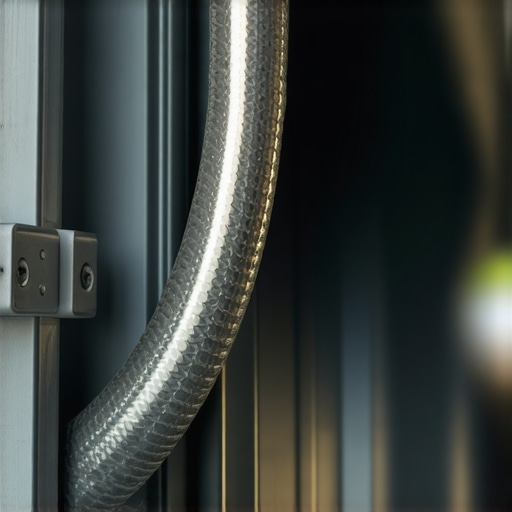
I remember the day vividly: laundry basket brimming, I reached for the washing machine, only to be greeted by a strange, unnatural bulge on the hose at the back. My heart sank. That bulge wasn’t just an eyesore—it was a ticking time bomb waiting to burst and flood my laundry room. Suddenly, what I thought was a minor issue turned into a full-on home emergency. Ever had that feeling of dread when appliances act up unexpectedly? It’s unsettling, and frankly, it’s more common than you’d like to think.
Why a Bulging Washing Machine Hose Is More Than Just a Cosmetic Issue
The reality is, a bulging hose isn’t just unsightly; it’s a serious safety concern. Over time, hoses can develop weak spots due to wear, pressure buildup, or manufacturing flaws. When these weak spots expand into bulges, they are precursors to potential failure—meaning water could leak or, worse, burst suddenly. According to the Consumer Product Safety Commission, appliance-related water leaks can cause thousands of dollars in damage each year. That’s a sobering statistic, isn’t it?
Early in my own experience, I made a mistake worth sharing: I ignored that bulge, assuming it was just a temporary flaw. That was a costly oversight, and I learned the hard way that addressing these symptoms early can save money and mess down the line. So, if you’ve noticed a bulge or any abnormality in your washing machine hose, don’t brush it off. Today, I’m here to walk you through how to assess the problem and, more importantly, how to fix it before disaster strikes.
Question for You: Have You Faced This Problem Before?
If the answer is yes, you’re not alone. Many homeowners overlook minor issues until they turn into major repairs. The good news? Recognizing and addressing a bulging hose early is simpler than you think. Ready to learn about the quick steps to prevent a home flood? Let’s dive into what causes these bulges and how to fix them effectively.
Assess the Damage Carefully
Start by unplugging your washing machine to ensure safety. Locate the bulging area on the hose and visually inspect for cracks or leaks. If the bulge is soft and pliable, it indicates internal wear. Recall a time I discovered a similar bulge; I immediately replaced the hose, preventing potential flooding. Use a flashlight to check for signs of mold or residue, which can suggest slow leaks over time.
Gather Necessary Tools and Replacement Parts
Proceed to gather a new reinforced rubber hose designed for washing machines, along with slip-joint pliers, a bucket, and a wrench. Ensure the new hose matches the length and diameter of the existing one. Visit a hardware store or check online for trusted brands. Remember, using inferior hoses can lead to quick failures, so investing in quality pays off in the long run.
Remove the Damaged Hose
Turn off the water supply valves and place a bucket underneath the hose connections. Use the wrench or slip-joint pliers to loosen the clamps securing the hose to the washing machine and the wall outlet. Carefully detach the hose, being prepared for residual water to spill out. If necessary, gently twist the hose to break any buildup of mineral deposits or debris inside, similar to how you might clean clogged dishwasher spray arms.
Tip: Tackle stubborn fittings by applying penetrating lubricant and waiting a few minutes before reattempting. This prevents stripping the fittings and damaging your connections.
Install the New Hose Securely
Attach the new hose to the inlet and outlet ports, ensuring the correct orientation. Secure the clamps tightly with the wrench, avoiding over-tightening which can damage the fittings. Double-check that the connections are snug and aligned. Turn on the water supply slowly and observe for leaks. If any water escapes, tighten the clamps further. Testing the connection now can prevent major messes later, especially during high-pressure cycles.
Test and Monitor for Leaks
Run a short cycle to verify the installation. Watch for any signs of leaks or bulges in the new hose. During operation, listen for unusual vibrations or noises, which might indicate improper fitting or internal issues. Keep a close eye on the hose during the first few cycles to ensure durability. If you encounter persistent problems, it might be wise to consult a professional or consider upgrading to a reinforced hose for added security.
Remember, maintaining your appliances by replacing worn parts promptly can prolong their lifespan and prevent costly water damage. For related maintenance tips, you might find this guide on cleaning dishwasher spray arms helpful or explore reasons why your washing machine shakes.
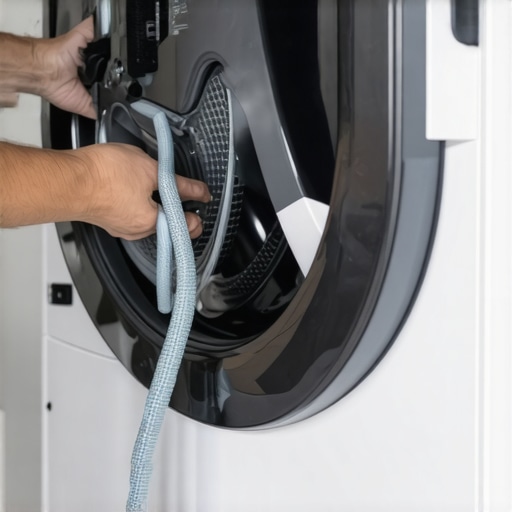
While many homeowners embrace smart appliances for their convenience and advanced features, there’s a common misconception that more technology automatically means better performance or durability. In my experience working with various home appliances, I’ve noticed that enthusiasts often overlook vital nuances that can make or break their smart home setup. One such misconception is believing that all smart appliances are inherently more reliable because they promise seamless connectivity. However, the reality is, added complexity can sometimes introduce new failure points, especially if users don’t understand the sophisticated mechanisms beneath the surface.
Are Smart Appliances Creating Hidden Doorways for Security Breaches?
Many assume that smart appliances, equipped with internet access, are secure by design. But according to cybersecurity experts, a significant oversight is trusting default passwords or neglecting firmware updates. Hackers can exploit vulnerabilities if devices are not properly secured, potentially leading to data breaches or unauthorized control. The importance of regularly updating device firmware can’t be overstated—think of it as vaccinating your home against unseen threats. This is why, before integrating new smart gadgets, I advise reviewing their security protocols and changing default credentials. A helpful resource on this topic is this guide on securing smart appliances.
Another pervasive myth is that smart appliances automatically adjust themselves for optimal efficiency. While they often come with intelligent features, many users either underestimate the importance of proper setup or fail to calibrate their devices. For instance, a refrigerator with internal cameras or sensors might not function efficiently if it’s not correctly configured. Similarly, washing machines with load-sensing technology can underperform if sensors are obstructed or dirty. It’s a misconception that these gadgets are maintenance-free; in reality, they often require regular calibration to maintain peak performance. Expert tips suggest cleaning sensors and updating software periodically to prevent subtle yet impactful issues.
Advanced users often get caught in the trap of over-reliance on automation. They assume that smart routines alone will keep appliances running smoothly. However, neglecting manual checks can lead to overlooked problems, such as clogged filters or minor leaks, which can escalate into costly repairs. For illustration, if you’re not routinely inspecting your dishwasher’s spray arms or filters, you risk reduced cleaning efficiency or even water damage from unseen leaks. Regular manual maintenance, combined with smart automation, delivers the best results—think of it as combining intuition with technology for optimal home management. For more on troubleshooting common appliance issues, check out this guide on dishwashers.
Lastly, thinking that smart features are only about luxury rather than necessity can be a costly oversight. Real-world insights show that educated use of smart appliances can lead to energy savings, extended lifespan, and reduced utility bills. For instance, understanding how to calibrate your smart fridge’s temperature sensors ensures food freshness and energy efficiency. Similarly, selecting appliances with the right smart features tailored to your lifestyle, such as energy-efficient washers for large families, can significantly benefit your household budget. Broader research, including studies from industry leaders, emphasizes the importance of choosing appliances with thoughtful features rather than simply opting for the latest gadgets.
In conclusion, let’s dig deeper and look beyond the surface of smart appliances. Recognizing their hidden nuances helps you leverage their full potential while avoiding pitfalls. Remember, thorough setup, ongoing maintenance, and security awareness are critical to truly make your appliances work for you. Have you ever fallen into this trap? Let me know in the comments.
Keeping your home appliances running smoothly over the years requires more than just routine use; it demands the right tools, proper techniques, and a proactive mindset. As someone who’s spent years troubleshooting and optimizing home gadgets, I recommend investing in a few essential items to streamline maintenance and extend their lifespan.
Reliability Starts with the Right Diagnostic Tools
For accurate assessment, I rely on a digital multimeter, such as the Fluke 117. It allows me to quickly test electrical circuits, verify transformer outputs, and ensure that components like thermostats and sensors are functioning correctly. Using a multimeter saves time and prevents unnecessary replacements, especially when diagnosing complex issues like faulty cooling in refrigerators or inconsistent washing machine performance. Remember, a reliable multimeter is an investment in your home’s longevity and your peace of mind.
High-Quality Cleaning Supplies for Preventive Care
Preventative maintenance begins with cleanliness. I swear by a descaling solution like De’Longhi Kalkreiniger when I clean appliance components prone to mineral buildup, such as dishwasher spray arms or refrigerator condensers. Regularly removing debris and mineral deposits enhances efficiency and prevents breakdowns. For instance, I use a dedicated tube brush that fits into narrow spaces like water lines or the rubber seals of dishwashers, making cleaning thorough yet safe. Maintaining a schedule—say, every three to six months—keeps appliances performing at their peak.
Smart Software and Firmware for Future-Proofing
Don’t overlook the power of software updates. Many home appliances now come with Wi-Fi connectivity, enabling firmware upgrades that patch vulnerabilities and improve performance. I recommend subscribing to alerts from your device manufacturers or setting reminders to check for updates monthly. For example, keeping your smart refrigerator’s firmware current ensures compatibility with the latest apps and security protocols. Additionally, employing tools like security software for smart home devices can help protect your investment from cyber threats.
Long-Term Results Through Preventative Measures
Consistent use of these tools and practices leads to notable benefits: fewer emergency repairs, lower utility bills, and a longer appliance lifespan. Just as regular oil changes keep your vehicle running smoothly, scheduled maintenance with proper equipment keeps your appliances resilient. I’ve personally experienced fewer breakdowns by implementing quarterly inspections and deep cleanings, validated by improved efficiency and energy savings.
Scaling Up: Managing Multiple Appliances Effectively
If your household relies on several smart appliances, consider integrating them through a home automation hub. Devices like smart hubs centralize control and maintenance alerts, making it easier to monitor all systems. As these ecosystems grow, automation can notify you of upcoming filter changes or potential issues, drastically reducing oversight and ensuring consistent performance.
Looking Ahead: The Future of Appliance Maintenance
Advancements like AI-driven diagnostics and predictive maintenance are on the horizon, promising to further simplify upkeep. Imagine appliances that alert you to internal wear before a failure occurs, saving time and money. To prepare, I recommend staying informed about firmware updates and integrating smart diagnostics into your routine.
Question for You: How do I maintain my appliances over time?
Start by establishing a regular maintenance schedule using specific tools like a multimeter and cleaning supplies. Pair these with firmware updates and proactive inspections. Try scheduling quarterly deep cleans for your dishwasher and refrigerator, and use a multimeter to verify electrical health annually. These small steps can prevent larger issues down the line, saving you from costly repairs and downtime. Want to make your appliances last even longer? Begin by testing your refrigerator’s compressor motors with a multimeter—it’s easier than you think and can significantly prolong appliance life.
Remember, a little investment in tools and time today can save a lot of trouble tomorrow. For detailed guidance on cleaning dishwasher spray arms without calling a plumber, check out this informative article.
The Hardest Lesson I Learned About Smart Appliances and Home Maintenance
One eye-opening realization came when I ignored small warning signs, assuming my appliances would warn me before a disaster. Over years of experience, I saw that proactive attention, even to seemingly minor issues like a bulging hose or an unresponsive app notification, can save thousands. Sometimes, the simplest repair—like replacing a worn hose or updating firmware—can prevent massive damage. The key takeaway? Never underestimate the power of early intervention and thorough maintenance, as these habits are the backbone of a resilient home.
Essential Resources That Elevated My Home Appliance Care
My toolkit includes a reliable digital multimeter like the Fluke 117, which I trust for accurate diagnostics—saving time and money. For cleaning, I swear by descaling solutions such as De’Longhi Kalkreiniger, combined with specialized brushes, to keep internal components free of mineral buildup. When it comes to smart home integration, I rely on trusted firmware update protocols and security guides like those found in this resource on smart appliance security. These tools empower me to troubleshoot effectively and protect my devices against threats.
Take Charge Now: Keep Your Appliances at Their Best
Your home appliances, from washers to fridges, are more than just conveniences—they’re investments that benefit from your active care. Commit to regular inspection, timely repairs, and firmware updates. Remember, small steps today—like testing your refrigerator’s compressor motor with a multimeter, or deep cleaning your dishwasher spray arms—can dramatically improve longevity and efficiency. The future of appliance maintenance is in your hands; your proactive approach will ensure a future free of stress and costly repairs. Are you ready to take the next step towards smarter, safer home management?