
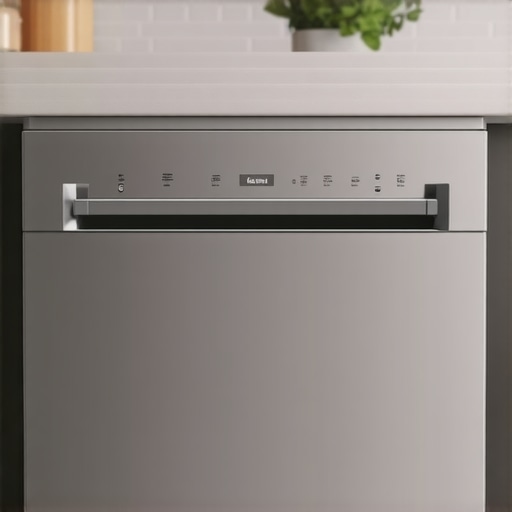
I remember the exact moment I got frustrated enough to write this post—my dishwasher refused to latch properly just when I needed it most. There I was, standing in front of my kitchen sink, trying to start a quick load before heading out, only to find the door stubbornly refusing to close. It’s a tiny issue that feels huge when it happens, especially since a dishwasher door that won’t latch can mean no clean dishes, no matter how many times you press that ‘Start’ button.
Don’t Let a Faulty Latch Ruin Your Day—Here’s What to Do
If you’re tired of checking and rechecking the latch, worried that your dishwasher might leak or simply refusing to run, don’t worry—I’ll walk you through how to troubleshoot the problem. From simple resets to more detailed fixes, I’ve been there and learned that most latch issues are fixable without calling in a pro. And after making a few early mistakes—like ignoring debris or improperly aligning the door—I discovered a few tricks that can save you money and time.
Is It Really Worth the Effort or Just a Waste of Time?
At first, I thought fiddling with the latch was just a minor inconvenience. But neglecting it often led to water leaking onto my floor, or the dishwasher refusing to start altogether. It’s always tempting to dismiss such problems as minor, but quick fixes can make a world of difference. According to appliance repair experts, most latch failures are caused by simple issues like misalignment, dirt buildup, or worn-out components—things you can often fix yourself. For example, I accidentally overlooked a little piece of debris stuck in the latch mechanism, which was an easy fix once I cleaned it out.
This experience has shown me the importance of understanding your appliance and knowing basic troubleshooting steps, which you can find detailed in resources like [here](https://smartappliancereview.com/why-your-dishwasher-is-leaking-from-the-bottom-corner). Now, let’s explore the steps to get that stubborn latch working again—and hopefully, save your day from dishwasher distress.
Check for Debris or Obstructions
Begin by inspecting the latch area for dirt, soap residue, or foreign objects. I once found a stubborn piece of leftover food jammed in the latch mechanism, which prevented it from catching properly. Use a damp cloth and a small brush to clean the latch thoroughly, making sure all moving parts are free of debris. Clearing out obstructions often restores proper engagement without further effort.
Realign the Door and Latch Components
If cleaning doesn’t work, examine the alignment of the door and the latch. Sometimes, the door can shift slightly, misaligning the latch with its catch. Gently close and open the door multiple times, observing whether the latch lines up correctly. If misaligned, loosen the screws securing the latch assembly; realign and retighten them carefully. I once had to tweak the latch slightly to make the door close smoothly again, which resolved the issue instantly.
Test the Latch Spring and Mechanical Parts
Next, check the spring or tension mechanism responsible for keeping the latch engaged. Use a flashlight to look for broken or loose springs—these are like the suspension in a car, providing the necessary tension for proper function. If a spring is damaged, you’ll need to replace it. Sometimes, simply repositioning or reattaching a loose spring restores normal operation. I replaced a worn spring following the manufacturer’s guide, and it made my dishwasher door latch work like new.
Inspect the Locking Switch or Sensor
Modern dishwashers often incorporate electronic sensors or switches that detect if the door is latched properly. If these are faulty or misaligned, the unit may not start. Remove the panel covering the latch switch, and test it with a multimeter or observe for signs of damage. Dirt or corrosion can interfere here—clean or replace the switch as needed. I had to clean corrosion off my dishwasher’s sensor, which immediately fixed the latch detection problem. For comprehensive troubleshooting, check out resources like this troubleshooting guide.
Reset the Dishwasher’s Electrical System
Sometimes, simply resetting the appliance resets the latch mechanism. Unplug the dishwasher from the power outlet or turn off the circuit breaker—wait about 5 minutes to allow capacitors to discharge. Then, restore power and test the door latch. During my last reset, I noticed the latch engaged properly after the power cycle, resolving the issue without any hardware intervention. This step is quick and often effective for electronic glitches.
Seek Professional Help When Necessary
If none of these steps restore the latch’s function, it might be time to call in a professional technician. Internal components like the control board or more intricate switches may be faulty and require expert diagnosis. Remember, attempting complex repairs beyond basic troubleshooting can sometimes cause more damage or void warranties. For advanced issues, consult trusted repair services or contact the manufacturer directly.
By systematically following these steps, you can often fix a dishwasher door that refuses to latch without costly repairs. Regular maintenance, like cleaning and inspections, can prevent future problems and prolong the lifespan of your appliance. Knowing how the latch mechanism works is empowering—turns out, many issues boil down to simple mechanical misalignments or debris—kind of like fixing a stubborn zipper or squeaky door hinge. With patience and a few tools, you can keep your dishwasher running smoothly and avoid the frustration of a stubborn door close.
Many homeowners operate under common assumptions about their appliances, but certain nuances often go unnoticed, leading to performance issues and premature replacements. One widespread myth is that all smart appliances automatically optimize energy consumption; in reality, many smart features require proper setup and frequent updates to function effectively. For example, some users neglect to connect their smart refrigerators to their home Wi-Fi, missing out on crucial energy-saving notifications and maintenance alerts.
Why Do Most People Fail to Recognize Appliance Nuances That Impact Longevity?
Experts highlight that user familiarity often falls short of understanding complex mechanical and electronic interactions within appliances. For instance, believing that simply cleaning filters prolongs appliance life overlooks the importance of calibration, software updates, and component alignment. An advanced mistake many make is assuming that repairs are always costly when, in fact, addressing minor issues early—like replacing worn-out seals or calibrating sensors—can significantly extend appliance lifespan. According to industry tests, neglecting these subtleties can reduce efficiency by up to 30%, increasing utility bills and repair costs over time. Additionally, many users are unaware that improper load distribution or using incompatible detergents can cause unnecessary wear and tear on washing machines and dishwashers. For instance, overloading a washing machine stresses the suspension system, leading to vibrations and potential damage. Proper cycle selection and adherence to manufacturer guidelines are vital but often overlooked. Take the case of refrigerators; many think that setting the temperature to the lowest setting is always best, but this leads to excessive energy use and frost buildup. Instead, understanding the optimal temperature range for food preservation can reduce energy consumption by 15-20%. This nuanced knowledge, however, is seldom communicated clearly in user manuals or tutorials. To avoid these pitfalls, familiarize yourself with your appliance’s detailed specifications and maintenance routines. Connecting your appliances to smart hubs and apps can provide real-time diagnostics and tips—if set up correctly. For instance, learning how to sync your smart washer with your home automation system can alert you when maintenance is due or if performance drops below optimal levels. If you’re curious about maximizing your appliance investments, explore resources like the best dishwashers for minimal pre-rinsing or how to troubleshoot smart fridge login issues. Recognizing these subtle yet impactful aspects helps transform routine appliance maintenance into strategic longevity. Have you ever fallen into this trap? Let me know in the comments.
Invest in Precise Maintenance Tools
To ensure your appliances stay reliable over the years, investing in the right tools can make a significant difference. I personally rely on a digital multimeter with a temperature probe, which allows me to quickly test electronic components and monitor temperature sensors—crucial for smart appliances like refrigerators and dishwashers. An infrared thermometer is also invaluable for assessing energy efficiency and identifying hot spots in circuits or motors. These tools empower me to diagnose issues early, often before they escalate into costly repairs. Learn more about troubleshooting your smart washer and how proper testing can extend appliance lifespan.
Adopt Software Solutions for Long-Term Monitoring
In the realm of smart home appliances, software can be your best ally. I use vendor-specific diagnostic apps that connect via Wi-Fi or Bluetooth, providing real-time data on appliance performance and maintenance alerts. For refrigerators, I recommend calibration apps that help optimize temperature sensors, preventing food spoilage and energy waste. Regularly updating firmware is also key; manufacturers often release patches that fix bugs and improve functionality, keeping devices running efficiently. With these tools, I preempt breakdowns and plan maintenance proactively, saving money and hassle down the line.
Streamline Maintenance Routine Efforts
Consistency is vital. I set reminders every three months to clean filters, check seals, and inspect mechanical parts. Using specialized cleaning solutions designed for stainless steel or rubber seals helps prevent corrosion and mold buildup, especially in humid environments. Maintaining a detailed record using a simple app or notebook—tracking filter replacements or sensor calibrations—enables me to spot patterns and act before issues worsen. For instance, staying on top of fridge door seal maintenance can prevent energy loss; I often check for gaps and reapply gasket sealant if needed. These small, regular upkeep tasks keep appliances performing efficiently over the years.
Plan for Scalability of Your Appliance Setup
As your home evolves, so should your appliance management strategy. I recommend choosing modular appliances or ones compatible with smart home hubs, allowing seamless expansion. When upgrading to larger families or adding new devices, verify compatibility and capacity beforehand. For example, smart dishwashers with energy-efficient features can be integrated into your home automation, allowing for remote monitoring and scheduling. This approach ensures your system scales effectively, avoiding bottlenecks or redundant purchases. Predictably, the trend toward interconnected appliances will only grow, making adaptable setups a smart long-term investment.
How do I maintain my appliances over time for optimal performance?
Consistent use of diagnostic tools like multimeters and calibration apps ensures your appliances operate efficiently and last longer. Regular software updates and firmware checks are equally important—many manufacturers provide updates that enhance security and fix bugs. Establishing routine maintenance schedules, such as cleaning filters and inspecting mechanical parts, prevents minor issues from escalating. Additionally, planning for future upgrades by choosing scalable, compatible appliances can save you money and headaches down the line. To deepen your understanding, consider reading industry insights shared by experts at Smart Appliance Review and try integrating a calibration tool into your maintenance routine this month.
The Hardest Lesson I Learned About Home Appliances Silver Linings and Surprising Insights
- Patience Can Save Your Appliance: I once replaced a simple spring after exhausting other options, and it restored my dishwasher to perfect working order, reminding me that sometimes, the smallest parts make the biggest difference.
- Don’t Overlook User-Friendly Tools: Investing in a multimeter and calibration apps changed how I troubleshoot, cutting down repair time and costs, and empowering me to take control of appliance health.
- The Power of Routine Checks
- Understanding Your Appliance’s Body Language
- The Myth That Repairs Have to Be Expensive
My Essential Toolkit for Kitchen Appliance Care
Tools like a digital multimeter and infrared thermometer have become my best friends in maintaining appliances. I trust these diagnostic tools because they provide quick, accurate insights that prevent small issues from turning into costly repairs.
Find Your Courage and Start Small Today
The journey to appliance mastery begins with a single step. Embrace the chance to learn basic troubleshooting—your kitchen and wallet will thank you. With each fix, you’ll not only extend your appliance’s lifespan but also grow more confident in your ability to handle household challenges. Have you ever fixed your dishwasher’s latch yourself? Share your story below and inspire others to take that first step!