
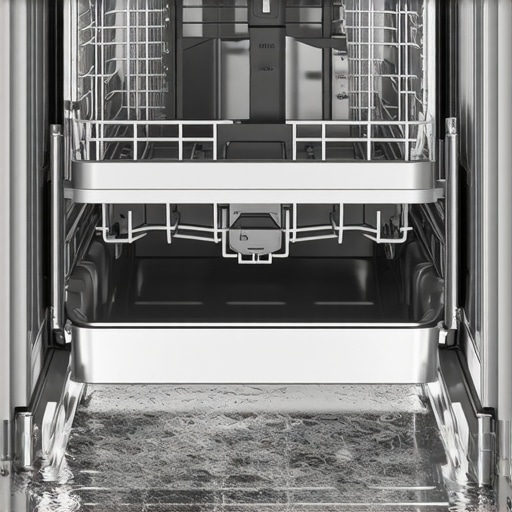
Ever opened your dishwasher only to be greeted by a pool of murky, gray water at the bottom? That sinking feeling isn’t just about a messy kitchen—it’s a sign that something’s off with one of your most relied-upon appliances. I remember the first time I encountered this problem; I thought I had a simple clog, but it turned out to be a deeper issue that could lead to costly repairs if ignored.
Why It’s More Than Just an Ugly Drain
This stubborn standing water isn’t merely an eyesore—it can cause lingering odors, promote mold growth, and even damage your dishwasher over time. The tricky part is that many homeowners, myself included at first, dismiss it as a minor inconvenience. However, recent studies highlight that unresolved drainage issues can significantly reduce the lifespan of your appliance, costing you more in the long run (source).
Am I Doing Something Wrong? The Common Mistake That Hampers Your Dishwasher
Early on, I made the mistake of simply trying to
Break Down the Drain Blockage
Start by locating the dishwasher’s drain hose, typically accessible from underneath or the back. Disconnect it carefully, remembering that water may spill out. Use a long, flexible brush or pipe cleaner to gently dislodge any debris or buildup blocking the passage. Think of the hose as the arteries of your dishwasher—if they’re clogged, everything backs up. I once used a coiled pipe cleaner that fit perfectly, and after a few minutes, the water flowed freely again.
Clean the Filter and Pump Area
Next, remove the filter usually found at the bottom of the dishwasher. Clear out any trapped food particles, grease, or mineral deposits. Use warm, soapy water and a soft brush for stubborn grime. The filter acts like the lung of your dishwasher—if clogged, it can’t breathe or do its job efficiently. I once neglected this step, and my dishwasher kept draining slowly; after cleaning, it operated like new.
Inspect and Clear the Air Gap or Check Valve
Some models have an air gap—a small device on the sink or countertop—that prevents backflow. Unscrew it and clean out any debris. If your dishwasher has a check valve, ensure it’s not stuck or blocked. These components serve as security gates; when clogged, water can’t drain properly. I remember removing a tiny piece of food from the valve, which immediately improved drainage.
Test and Reassemble
Reconnect the drain hose and run a short cycle with hot water to verify flow. Watch for any leaks or slow draining. If issues persist, consider running a cleaning cycle with a dishwasher cleaner or vinegar to dissolve residual buildup. Regular maintenance of these parts extends your appliance’s lifespan and prevents future clogs. For more on maintaining smarter appliances, visit our comprehensive guide.
Many homeowners believe that choosing high-tech smart appliances automatically ensures efficiency and reliability. However, this mindset can lead to overlooking subtle but critical nuances that can impact your appliance’s longevity and performance. For instance, a common myth is that smart features replace routine maintenance, but in reality, they often require more diligent care to keep sensors and connectivity functioning optimally. As I’ve experienced firsthand, neglecting these details can result in unexpected malfunctions that are hard to diagnose without advanced knowledge.
Why assuming all smart appliances are foolproof is a mistake
One widespread misconception is that integrating your home appliances into your smart home system guarantees seamless operation. While smart tech offers convenience, it often introduces new failure points—software bugs, connectivity issues, or firmware incompatibilities. For example, a smart refrigerator may lose touch with your network, causing it to revert to basic functions or display errors. This can be an oops moment if you assume that the device is malfunctioning when, in fact, a simple Wi-Fi reset or firmware update resolves the issue. Experts recommend regularly updating device firmware and understanding how your smart appliances communicate to avoid these pitfalls (source).
Advanced troubleshooting traps that trip up even seasoned homeowners
Many users fall into the trap of over-relying on app controls and neglecting the physical components of their appliances. For example, a common mistake is ignoring the importance of cleaning filter sensors in dishwashers or checking for blockages in water lines. These small overlooked details can cause errors that seem like software glitches but are actually hardware issues. Moreover, misinterpreting error codes without consulting expert-guided resources can lead to unnecessary replacements or repairs. Developing an understanding of your appliance’s maintenance nuances, such as how sensor calibration affects smart functions, saves time and money in the long run (related guide).
What advanced owners should know about appliance failure patterns
Beyond the basics, seasoned users recognize that appliances often fail in predictable patterns based on usage and environmental factors. For instance, high-efficiency washing machines are prone to sensor issues if water quality contains excessive minerals; similarly, refrigerators with smart cameras may drift out of calibration if placed in direct sunlight. Knowing these nuanced failure modes helps in proactive maintenance, preventing costly surprises. According to appliance experts, understanding the hidden technical layers—like voltage fluctuations affecting electronics—embeds resilience into your smart home ecosystem (study).
In conclusion, to truly maximize your appliances’ lifespan and performance, it’s essential to shift from a simplistic consumer mindset to a nuanced understanding of the technology. Regular maintenance, awareness of hardware-sensor intricacies, and proactive troubleshooting are the keys to avoiding costly mistakes. Have you ever fallen into this trap? Let me know in the comments, and if you need personalized advice or support, feel free to reach out.
Invest in the Right Tools for Ongoing Maintenance
Maintaining smart appliances like dishwashers, refrigerators, and washing machines requires more than just regular cleaning—having the right tools can make a significant difference in troubleshooting and keeping them functioning optimally. I personally recommend keeping a digital multimeter and a specialized appliance inspection camera in my toolkit. The multimeter helps me verify electrical connections and voltage stability, which is crucial for diagnosing issues with smart appliance sensors or control boards. The inspection camera allows me to peek inside tight spaces, like behind the refrigerator or inside the washing machine drum, without disassembling everything.
Leverage Diagnostic Software and Apps
Many modern appliances come with companion apps that provide diagnostic functions and firmware update capabilities. I use these apps regularly to monitor device health and receive alerts about potential problems before they escalate. For example, my smart refrigerator’s app notifies me if internal sensors detect unusual temperature fluctuations, enabling prompt action. Keeping firmware up to date ensures compatibility with home automation systems and patches security vulnerabilities, which is vital for safeguarding your smart home ecosystem (source).
Scheduled Maintenance and Deep Cleaning
Routine maintenance extends the lifespan of your appliances. I recommend setting monthly reminders to clean filters, check hoses, and calibrate sensors. For dishwashers, using a cleaning cycle with specialized tablets or vinegar can dissolve mineral deposits and prevent clogging, which preserves optimal drainage function. Incorporate tools like a soft brush for filter cleaning and a microfiber cloth for exterior panels. Some experts suggest using ultrasonic cleaners periodically to remove stubborn grime from components like spray arms, which can improve cleaning performance and reduce the need for repairs (source).
Long-Term Strategy: Upgrading and Scaling
As you gain experience maintaining your appliances, consider investing in modular or upgradeable models that allow for component replacements rather than full replacements. This approach aligns with sustainable practices and can save costs over time. Additionally, integrating your appliances with a centralized smart home hub can streamline monitoring and troubleshooting, making maintenance more manageable. The future of smart home appliances is moving toward self-diagnostic features and predictive maintenance powered by AI—keeping an eye on trends will help you stay ahead.
How do I keep my appliances in top shape over time?
Developing a routine that incorporates regular inspections with diagnostic tools, firmware updates, and scheduled deep cleans can significantly extend your appliances’ lifespan. Try implementing a monthly maintenance checklist using your trusty tools and apps, and don’t hesitate to upgrade where necessary. By being proactive and knowledgeable, you’ll optimize performance and reduce unexpected failures, saving money and frustration in the long run. Want personalized advice? Feel free to reach out for expert support and tailored solutions.
The Hardest Lessons I Learned About Smart Appliances and Dishwasher Dilemmas
One of the most significant lessons was realizing that even the most advanced smart appliances require regular human oversight and maintenance. Relying solely on automation without periodic checks led me to unexpected failures. For instance, neglecting to clean sensors or filters caused performance drops that could have been avoided with simple scheduled care.
Another insight was understanding that not all issues manifest through error codes or app notifications. Sometimes, a clogged drain or buildup in a filter sneaks up silently, causing long-term damage if ignored. Paying attention to the subtle signs—like odd smells or inconsistent cycles—can save money and extend your appliances’ lifespan.
The most eye-opening realization was that upgrades and smart features don’t replace good old-fashioned maintenance. Firmware updates are essential, but they don’t replace physically cleaning filters or inspecting hoses. Combining technological tools with hands-on care created a resilient appliance ecosystem in my home.
Finally, I found out that understanding the typical failure patterns for my appliances allowed me to be proactive. Recognizing that mineral buildup affects certain models or that door latches wear out over time helped me schedule preventive repairs before small problems turned into costly replacements.