
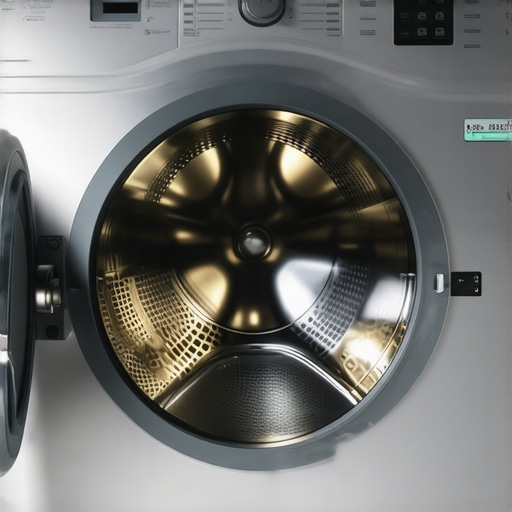
I remember the moment crystal clear. I was in a rush, tackling a mountain of laundry, only to find that my clothes still smelled musty—despite running a full wash cycle. Frustration crept in as I realized something was off. That lightbulb moment hit me hard: I’d forgotten to check my washer filter, a tiny part often overlooked but crucial for fresh-smelling laundry. Learning that neglecting this simple task could lead to detergent residue buildup, mold, and foul odors was an eye-opener. Ever faced the same problem? Well, let me share what I discovered.
Why Your Washer Filter Needs a Biannual Cleaning
Many homeowners aren’t aware that their washing machine has a filter that traps lint, debris, and other gunk that can interfere with its performance. Over time, this filter becomes clogged, reducing water flow, causing the machine to work harder, and leaving your clothes less than spotless. Regular cleaning—about every six months—ensures your washer runs efficiently and your laundry stays fresh.
If you’re curious about how smart appliances are changing the way we manage home maintenance, check out [the latest trends in smart home appliances](https://smartappliancereview.com/ultimate-guide-to-smart-home-appliances-for-a-modern-living). Plus, preventing issues before they turn into costly repairs can save you time and money.
Is It Really Worth the Effort?
I admit, I used to think cleaning the filter was optional—a tedious chore I could postpone. My mistake was assuming a quick rinse was sufficient. It wasn’t until I experienced that lingering laundry smell that I realized neglecting this task could cause bigger problems. Many people underestimate how a dirty filter impacts overall appliance health and laundry quality. So, yes, cleaning your washer filter every six months is a small effort with big benefits.
Implementing this routine not only boosts your washer’s efficiency but also extends its lifespan. Curious about other ways to optimize your appliances? Explore [how smart washing machines can simplify laundry day](https://smartappliancereview.com/how-smart-washing-machines-can-simplify-laundry-day) and see just how much easier chores can become.
Gather the Necessary Tools and Prepare for Access
Start by assembling gloves, a soft brush, and a towel or small container to catch water drips. Turn off your washing machine and locate the filter—typically at the front bottom panel or behind a small access door—by consulting your user manual or manufacturer’s website for specific instructions. Having everything ready streamlines the process and minimizes mess.
Drain Remaining Water to Prevent Flooding
Before removing the filter, run a short spin cycle to drain residual water. Place a towel or shallow container beneath the filter access point to catch any drips. This prevents water spillage and protects your floor, especially important if your laundry room is small or has sensitive flooring.
Use a Recycling Bin or Small Bucket
Position a small container or recycling bin beneath the filter to contain water as you unscrew or pull out the filter housing. This simple step avoids excess water spilling onto the floor and keeps the area clean.
Remove and Clean the Filter Thoroughly
Carefully unscrew or pull out the filter unit. Use a soft brush to scrub away lint, detergent residue, and mold from the filter and housing. For stubborn grime, soak the filter parts in warm water mixed with a mild detergent or vinegar solution. This ensures every nook is clear, maintaining optimal water flow.
Check for Obstructions and Damage
While cleaning, inspect the filter for cracks, tears, or excessive wear. Also, examine the surrounding area for blocks or debris that might cause future clogs. Replace the filter if damaged to prevent recurring issues or leaks, ensuring your washer works efficiently.
Reassemble and Verify Your Work
After cleaning, reinsert the filter securely, making sure it’s properly seated and tightened to prevent leaks. Turn your washer back on and run a test cycle—preferably an empty one—to confirm that water flows correctly and no leaks are present. This quick check confirms your maintenance was successful and helps maintain fresh-smelling laundry.
Incorporate Regular Maintenance into Your Schedule
Set a reminder to clean the filter every six months. Regular maintenance prevents buildup, prolongs your machine’s lifespan, and keeps your laundry smelling fresh. Think of it like changing oil in a car—small but essential for smooth operation.
By following these concrete steps, you ensure your washer stays in top shape, prevents odors, and maintains efficiency. For more appliance care tips, explore this guide on smart home appliances or read about how smart washing machines can simplify laundry day. Proper maintenance not only saves money but also enhances your overall home experience.Many homeowners believe that purchasing smart appliances automatically guarantees hassle-free operation and energy savings. However, there’s a hidden nuance often overlooked: misconceptions about their capabilities and maintenance requirements. Experts warn that overestimating smart tech can lead to frustration and even damage if users don’t understand the underlying mechanics or limitations. For example, some assume that ‘smart’ means maintenance-free, but connectivity issues, firmware updates, and specialized cleaning are still necessary to keep devices functioning optimally. A study by industry analysts indicates that nearly 40% of smart appliance owners experience user errors due to misunderstanding features, leading to subpar performance and increased costs.
Is Your Smart Appliance Truly Working for You, or Are You Missing Out on Its True Potential?
One common myth is that smart appliances require no user intervention—they operate perfectly once installed. In reality, they often demand regular software updates, calibration, and sometimes even hardware maintenance like cleaning sensors or filters. Neglecting these tasks can cause features to malfunction or degrade performance over time. For example, a smart refrigerator’s eco-mode won’t save energy if its sensors are dirty or misaligned. Similarly, many fail to utilize advanced features that could significantly enhance convenience, simply because they are unaware of how to access or optimize them.
To avoid these pitfalls, it’s crucial to deepen your understanding of your devices. Smart appliances are powerful tools, but like any technology, they require informed use and periodic upkeep. For comprehensive guidance on maximizing their benefits, explore this detailed guide on smart home appliances.
Understand that the real advantage lies in harnessing their advanced features properly—bushing, calibration, and timely updates can make the difference between a gadget that simply ‘works’ and one that truly transforms your home experience.
Another mistake I see often is underestimating the importance of compatibility and network setup. Ensuring your Wi-Fi network can support multiple devices without interference is vital for seamless operation. For example, if your smart dishwasher keeps disconnecting mid-cycle, it might be a router issue rather than a device fault. Such nuances can save you hours of troubleshooting.
In essence, the secret to leveraging smart appliances’ full potential isn’t just in ownership—it’s in understanding their intricacies, performing regular maintenance, and staying informed about new features and updates. Curious about how to pick the best models or maintain them properly? Check out this expert-approved guide on choosing smart dishwashers and ensure your investments truly pay off.
Remember, technology evolves rapidly, and staying educated prevents costly mistakes. Have you ever fallen into this trap? Let me know in the comments.
How do I keep my smart appliances running smoothly over time?
Achieving long-term efficiency with your home appliances requires investing in the right tools and establishing dedicated maintenance routines. Personally, I rely on a few key pieces of equipment and software to keep everything in top shape.
First, a high-quality digital multimeter has become indispensable. It allows me to verify power loads, troubleshoot electrical issues, and confirm that circuits are functioning correctly without needing to call in a technician. I prefer the Fluke 117 because of its reliability and ease of use, enabling me to conduct quick diagnostics and save money on service visits.
Second, for software, I use specialized utility apps provided by manufacturers—like Samsung SmartThings or LG ThinQ—for routine checks and firmware updates. These platforms send alerts if a device requires attention, like filter replacements or calibration, ensuring I stay ahead of potential problems. Scheduling regular firmware updates through these apps enhances device security and unlocks new features, making maintenance more proactive rather than reactive.
Additionally, I incorporate a small, mobile ultrasonic sensor that detects leaks or unusual humidity levels near appliances like dishwashers and refrigerators. Early leak detection prevents water damage and mold issues, especially as appliances age. Companies are increasingly integrating these sensors into appliances or offering dedicated models; for example, the Ring Alarm Leak Detector pairs seamlessly with smart home setups for real-time alerts.
To keep filters, vents, and coils clean without much hassle, I use ultrasonic cleaning devices for small parts—such as dishwasher spray arms or refrigerator drip trays. A good ultrasonic cleaner saves time and ensures thorough cleaning, which directly impacts appliance longevity and performance.
Future of Appliance Maintenance Tools
Looking ahead, I predict a rise in AI-driven diagnostic tools that monitor appliance health continuously and send predictive alerts before issues even arise. Manufacturers are investing heavily in integrating these systems, turning maintenance from a reactive chore into a seamless, automated process. Think of it as having a dedicated technician in your network, constantly analyzing data and optimizing performance.
For those eager to elevate their appliance care routine, I recommend trying out a smart diagnostic kit that syncs with your app, like the Samsung SmartThings Energy Service. It provides detailed insights into usage and potential failures, empowering you to act promptly.
How can I maintain my appliances effectively over time?
Developing a regular schedule for cleaning filters, checking connections, and updating firmware helps prevent costly repairs and prolongs appliance lifespan. Pair that with utilizing smart tools designed to detect early issues, and you’ll enjoy optimal functionality year after year. To explore more about integrating these tools into your home, visit this comprehensive guide to smart home appliances. Don’t wait until a small problem becomes a major headache—start using these tools today to keep your appliances in peak condition.
The Hard Lessons Smart Appliances Taught Me About Maintenance
One of the most profound lessons I learned was that even the most advanced smart devices require human attention. Assuming my smart refrigerator or washing machine was maintenance-free led to unnecessary frustrations and costly repairs. Regularly checking, cleaning, and updating my appliances have become essential habits that save time and money, and I now see maintenance as a form of self-care for my home technology. Recognizing this truth transformed my approach from reactive fixes to proactive wellness.
Another insight was understanding the limitations of smart features. I once relied solely on automation without knowing how manual checks could prevent minor issues from escalating. Learning to balance technological convenience with hands-on care made my appliances more reliable and extended their lifespan. It’s a reminder that tech tools are meant to assist, not replace, attentive care.
The experience also revealed how small routines create big impacts. Simple tasks like weekly filter inspections or firmware updates seem trivial but are crucial for optimal performance. These routines have become rituals that empower me to maintain peak efficiency and avoid odors, leaks, or malfunctions. It’s about cultivating a mindset that values consistent care over sporadic fixes, ensuring my home’s smart ecosystem remains seamless.
Tools and Resources That Truly Make a Difference
Over time, I’ve come to trust specific tools that streamline appliance maintenance. A high-quality multimeter, like the Fluke 117, helps me troubleshoot electrical issues safely and efficiently, preventing unnecessary service calls. My favorite software is the manufacturer apps—such as LG ThinQ—that send me timely alerts for firmware updates or filter replacements, keeping my devices in top shape.
For cleaning small, hard-to-reach parts, ultrasonic cleaners have been game-changers. They ensure thorough cleaning of dishwasher spray arms and refrigerator drip trays without disassembling everything manually. Additionally, I rely on leak detection sensors linked to my smart home system, like Ring Leak Detectors, providing early warnings and peace of mind.
Looking ahead, I’m excited about AI-powered diagnostic tools that monitor appliances constantly, predicting issues before they occur. Investing in these advancements can transform maintenance from a chore into a proactive, almost effortless process—saving costs and extending appliance lifespan. To explore ways to elevate your smart appliance game, I recommend diving into the comprehensive guides available on smart home integration and making laundry smarter.
Your Turn to Take Control with Confidence
Embracing the subtle art of appliance maintenance transforms your smart home into a truly proactive environment. It’s not just about fixing problems—it’s about creating a harmonious relationship with your technology. By understanding what your appliances need and investing in the right tools, you unlock their full potential and enjoy peace of mind. Are you ready to take your smart appliance routine to the next level? Share your tips or questions below, and let’s grow together in this exciting journey of home innovation.