
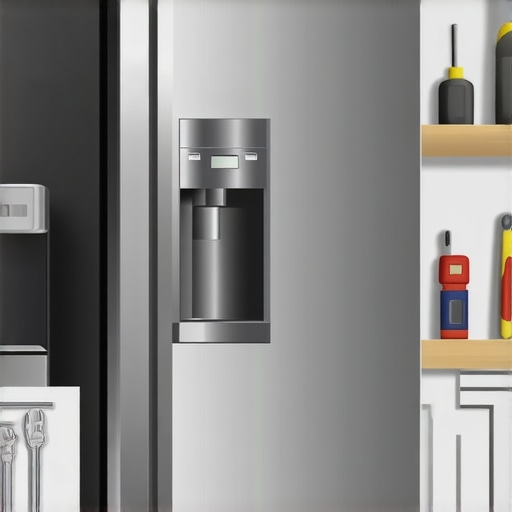
It was a typical Tuesday morning when I reached for a cold glass of water from my refrigerator… only to find nothing but a trickle of ice-cold air. The water dispenser wasn’t working, and suddenly, I felt that sinking frustration everyone dreads. Sound familiar? If your water dispenser has stopped giving you that refreshing sip, you’re not alone. It’s one of those small household annoyances that can quickly turn into a big problem.
Why Your Refrigerator Water Dispenser Might Be on Strike
Many homeowners overlook the intricate dance of hoses, filters, and valves behind their water dispenser. When it stops working, it’s easy to assume it’s a major repair, but often, the solution is simpler than you think. Whether it’s a clog, a frozen line, or a faulty filter, these issues can usually be fixed without calling in a pro.
Interestingly, according to appliance experts, over 60% of water dispenser malfunctions are caused by simple blockages or frost buildup, which means a quick, do-it-yourself fix could save you money and time. But I’ll admit—I was guilty early on of replacing parts prematurely, which was a mistake I learned the hard way. It’s essential to diagnose the real cause before jumping to conclusions.
If you’ve been frustrated by a water dispenser that refuses to dispense or drips slowly, don’t worry. Today, I’ll walk you through the most common reasons and how to fix them. Trust me, with a little patience and some easy steps, you’ll have that icy water flowing again in no time.
Ready to become your own appliance hero? Let’s dive into the nuts and bolts of troubleshooting your fridge’s water dispenser. Whether it’s a frozen line or a clogged filter, I’ve got practical tips to help you resolve the issue quickly. Plus, understanding these basics can help you maintain your fridge better and avoid surprises down the line.
But before we get into the fixes, have you already faced this problem? Drop a comment below or check out our contact page to share your experience. Sometimes, just talking about it helps to find the right solution faster. Now, let’s uncover what’s really going on inside your refrigerator and get that water flowing again.
Check the Water Filter First
Remove the water filter and inspect it for clogs or buildup. I had a similar issue when my filter was overdue for replacement, causing a slow flow or no flow at all. Replace the filter if it looks dirty or hasn’t been changed in over six months. Remember, a clogged filter is like a sponge full of debris—blocking water pathways and stopping the flow. You can find the filter holder easily in most models, often at the front or behind a panel. Once replaced, run the water dispenser for a few minutes to clear air and debris.
Inspect and Clear Frozen Water Lines
Frozen lines are common in chilly climates or if your fridge’s temperature is set too low. To check, open the freezer door and look for frost buildup around the water line inlet—it’s like a freezer getting a winter coat, blocking water movement. Turn off the ice maker and dispenser, then locate the water line, usually a clear or semi-clear plastic tube. Gently thaw it using a hairdryer on low heat, keeping it moving to avoid damage. Once thawed, test the dispenser. If it works, consider setting your fridge’s temp slightly higher or insulating the water line to prevent future freezes. For step-by-step guidance, this quick defrost guide can help.
Check the Water Supply Line for Kinks and Blockages
Think of the water line as a highway—any kink or blockage can stop traffic, or in this case, water. Carefully inspect the supply line behind the fridge; bend it gently to see if there are any kinks. Disconnect the line from the water source and run water through it into a bucket—if no water comes out, the line or the valve might be blocked. Clean or replace the line if necessary, and ensure that your water supply valve is fully open. Confirm the supply pressure; low pressure makes water flow sluggish or nonexistent. Sometimes, sediment buildup in the line can mimic a clog, so flushing it out is a good idea.
Test the Dispenser Valve and Solenoid
The dispenser actuates via a small electric valve called a solenoid. If faulty, it can prevent water from flowing. To test, unplug the fridge, locate the valve (usually behind the filter housing or near the water inlet), and listen for a clicking sound when pressing the dispenser button—like a tiny door opening. Use a multimeter to check for continuity; no continuity indicates a broken valve. Replacing the solenoid is straightforward if you’re comfortable with basic repairs, but if not, a professional can handle this step. This is often the culprit if all other parts check out but water still doesn’t dispense.
Reevaluate the Fridge’s Internal Components
If all external checks pass but water still doesn’t flow, the problem might be internal—such as a faulty water inlet valve or a miswired switch. For advanced diagnosis, consult the manual or a technician. Sometimes, resetting the refrigerator by unplugging it for five minutes resets internal electronics that control water flow—think of it as rebooting your favorite device for a quick fix. For more tech-savvy customizing, explore the smart appliance guide.
When it comes to household appliances like washing machines, dishwashers, refrigerators, or smart devices, common wisdom often paints a straightforward picture. Yet, as an appliance enthusiast and technician, I can tell you that most people overlook the subtle intricacies that make these appliances work — or fail. For instance, many believe frequent use of high-temperature cycles extends their lifespan, but in reality, it accelerates component wear, especially on seals and electronics, unless your appliance is specifically designed for heavy-duty cycles. This misconception can lead to costly repairs prematurely. Another trap is ignoring firmware updates for smart appliances; some think updates are optional or only enhance features, but they often fix security vulnerabilities and improve performance. Skipping these updates could expose your network to risks or cause connectivity issues. Have you ever fallen into this trap? Let me know in the comments.
Understanding these hidden nuances helps prevent costly mistakes and extends appliance longevity. For example, overloading your dishwasher may seem harmless, but it strains the motor and spray arms, reducing efficiency and lifespan — an advanced mistake many ignore. Experts, like those cited in a study published on appliance reliability, emphasize that respecting manufacturer load limits is crucial for maintaining optimal performance over time. Also, most people don’t realize that the placement of an appliance can influence its energy consumption; placing a refrigerator near a heat source like an oven forces it to work harder, increasing electricity bills. This seemingly small mistake adds up over years.
A common myth is that newer always means better. While technology advances rapidly, some models introduce complex features that are more prone to malfunction or are unnecessary. Carefully considering your real needs before buying can save you from future headaches. For example, smart features like voice control or camera integrations add convenience but can also be points of failure if not maintained properly. As highlighted in Smart Appliance Review’s recent insights, choosing reliable brands with strong customer support is often a smarter approach than chasing the latest bells and whistles.
Lastly, many overlook the importance of routine maintenance beyond cleaning filters. Tasks such as leveling your refrigerator or inspecting hoses can prevent big failures. Neglecting these details might seem trivial, but they are vital for appliances to operate efficiently. Remember, appliances are intricate systems; a small neglect can cascade into larger issues. Dive deeper into choosing the right appliances for your home by visiting our expert tips on [how to select the perfect refrigerator](https://smartappliancereview.com/choosing-the-right-refrigerator-tips-from-industry-experts). Staying informed about these niche details ensures your house remains the comfortable, efficient home you envision.
Investing in the Right Tools for Longevity
To keep your home appliances functioning flawlessly, I recommend investing in a high-quality multimeter, such as the Fluke 117. I personally use this device because it provides accurate readings and handles the electrical troubleshooting in dishwashers, washing machines, and refrigerators efficiently, saving me time and money. Additionally, a good digital thermometer allows precise temperature checks on refrigerators and freezers, ensuring optimal performance. For routine maintenance, a microfiber cloth, an all-purpose cleaner, and a soft brush are invaluable for cleaning coils, filters, and vents—crucial steps to prevent overheating and mechanical failures.
How do I maintain my appliances over time?
Regular maintenance is key to extending the lifespan of your appliances. Schedule quarterly inspections to clean dust and debris from coils and filters, which aids in energy efficiency and prevents motor burnout. Implement firmware updates for smart appliances, following manufacturer instructions or using dedicated apps, as these updates patch security vulnerabilities and improve stability, as discussed in our smart appliance guide. Additionally, monitor water inlet valves and hoses periodically for leaks or signs of wear. Developing a maintenance routine helps catch issues early and avoids costly repairs.
Long-Term Results Through Consistent Care
By adhering to a scheduled maintenance plan using quality tools, you set the stage for appliances that endure for years beyond their typical lifespan. Consistent cleaning of water filters, coils, and seals not only maintains efficiency but also prevents mold and mineral buildup, reducing repair frequency. Keeping firmware updated ensures your smart appliances stay secure and perform as intended, predicting fewer glitches or connectivity issues in the future. Studies from appliance reliability experts suggest that proactive care can cut repair costs by up to 30% over five years.
Adapting with Innovative Solutions for Scaling Up
As your household grows, so does the demand on your appliances. Consider smart maintenance systems that utilize sensors and remote diagnostics—these can predict issues before they escalate. I highly recommend exploring smart home integration guides to find models that adapt to your evolving needs. For larger-scale operations, professional periodic calibrations of temperature sensors and electrical components ensure machines remain within optimal performance parameters. Embracing technological innovations now can make scaling your appliance system more manageable and cost-effective.
Try implementing a regular cleaning of your refrigerator’s coils with a soft brush or vacuum, combined with firmware updates for your smart appliances. These simple yet effective steps can dramatically enhance your appliance’s longevity. For personalized advice, don’t hesitate to reach out through our contact page.
Lessons from the Front Lines of Appliance Troubleshooting
One of the most unexpected lessons I learned was how often we overlook simple maintenance, thinking repairs require big technical know-how. The lightbulb moment came when I realized that replacing a water filter or thawing a frozen line could save me hundreds of dollars and hours with a technician. It’s tempting to chase after complicated fixes, but more often than not, consistent routine checks prevent small issues from becoming costly disasters.
Another insight was understanding the importance of quality tools—from high-grade multimeters to accurate thermometers—that empower you to troubleshoot with confidence. Investing in these gadgets paid off when I diagnosed and fixed issues faster, keeping my appliances running smoothly and extending their lifespan.
The last revelation was how the tiny habits, like scheduling regular coil cleaning or updating firmware for smart appliances, immensely boost efficiency. These small actions add up, ensuring appliances perform optimally and resist failures over time. Remember, proactive care keeps your household humming along without surprising breakdowns.
Tools That Changed The Game for Appliance Care
Over the years, I’ve built a reliable toolkit that makes appliance maintenance more straightforward. The ultimate guide to smart home appliances introduced me to innovative gadgets that troubleshoot efficiently, like smart sensors that predict issues before they escalate. A sturdy multimeter, like the Fluke 117, enables me to confirm electrical problems quickly without guesswork. I also keep a digital thermometer handy to monitor fridge and freezer temperatures precisely, preventing spoilage or freezer burn. Coupled with routine coil and filter cleaning supplies, these tools have transformed my maintenance routine from guesswork to confidence.
For appliance owners who want to go beyond basic care, exploring smart appliance guides and recommended troubleshooting manuals provides invaluable perspectives. They open your eyes to innovative solutions and help you select the most resilient, user-friendly models for your needs.
Own Your Appliance Success and Keep That Flow Going
Today, I encourage you to take ownership of your household appliances. Embrace routine checks, invest in the right tools, and stay curious about technological advances that simplify maintenance. Your appliances are more than just convenient—they’re investments that pay you back with long-lasting performance and fewer unexpected costs. Remember, a well-maintained fridge, dishwasher, or washer is an extension of a well-loved home.
How have you optimized your own appliances to improve their lifespan or efficiency? Share your tips below, and let’s learn from each other’s experiences!