
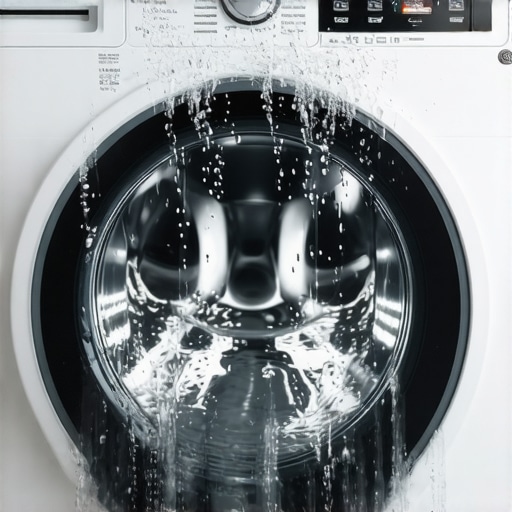
I still remember the first time I saw my shiny new high-efficiency washer spin into action, barely making a splash. It was a stark contrast to my trusty old machine that seemed to pour water like a waterfall every wash cycle. At first, I wondered if it was working correctly—that is, until I came back to find my clothes cleaner than ever, yet with a fraction of the water usage. That was my lightbulb moment; I realized it wasn’t a glitch, but a feature.
The Water-Saving Revolution in Laundry
When I started researching why these modern washers use so little water, I discovered that they’re engineered for efficiency, not just to cut utility bills but to help conserve our precious resources. These machines rely on innovative technology that optimizes water levels based on load size, fabric type, and soil level, making traditional full-tilt water cycles a thing of the past. In fact, experts estimate that high-efficiency washers can use up to 50% less water than conventional models (source: [Water Conservation Experts](https://smartappliancereview.com/washing-machines-that-save-water-expert-advice-for-2025)).
If you’re like me, you might have a few doubts about whether this water-conscious approach really cleans as well as traditional washers. Or maybe you’re concerned that these machines won’t handle stubborn stains or large loads properly. Well, I’m here to tell you that with the right understanding and some tips, you can absolutely enjoy the benefits of a low-water washer without sacrificing clean clothes or performance—and I’ll guide you through it.
Is Low Water a Sign of Poor Cleaning? Not Quite
Early on, I made the mistake of loading my new washer too full and using the default setting, which seemed to skip water altogether. That resulted in clothes that felt barely rinsed and a cycle that took longer than necessary. That’s when I realized the importance of selecting the right cycle and load size—something that’s crucial for every user. Once I adjusted my approach, my laundry routine improved significantly. This mistake taught me a valuable lesson: understanding the machine’s eco settings and load capacity is key to getting optimal results from a water-efficient washer.
Are you facing similar frustrations or doubts about your high-efficiency washer? If so, you’re not alone. Many new owners are surprised at how different these machines operate, but once you get the hang of it, you’ll appreciate the savings and the environmentally friendly impact.
In the upcoming sections, I’ll share practical tips and insights to help you maximize your washer’s water-saving capabilities while maintaining spotless clothes. It’s all about working *with* your machine, not against it—so let’s dive into those game-changing techniques.
Choose the Right Cycle for Your Load
Make it a habit to select the appropriate cycle based on your laundry size and soil level. For smaller or lightly soiled loads, opt for eco-friendly cycles that use less water. I vividly remember the time I randomly used the normal cycle for a tiny load, which wasted water and extended drying time. Instead, switching to a compact or eco cycle saved water and shortened my drying process.
Load Clothes Correctly
avoid overloading your washer, which can compromise cleaning efficiency and cause water waste. Think of your washer like a sponge—if it’s too full, it can’t absorb or rinse effectively. Once, I loaded a full basket expecting spotless results, only to find my clothes still stained. After I divided my laundry into smaller, appropriate loads, I saw a significant difference in both cleanliness and water usage.
Use the Proper Detergent
Utilize high-efficiency (HE) detergents formulated for low-water machines. Regular detergents can create excess suds that hinder rinsing and cause the machine to re-use water unnecessarily. After switching to HE detergent, I noticed my machine rinsed more efficiently, conserving water and preventing residues on my clothes.
Adjust Load Size Settings
Many modern washers allow manual adjustment of water levels based on load weight. Always set this correctly to avoid waste. I once ignored this feature, leading to excessively large water use for small loads, but now I weigh my laundry and tweak settings accordingly, saving up to 30% water per cycle.
Maintain Your Washer Regularly
Keep the filter and spray arms clean to prevent clogging, which can cause inefficient water use. I learned this the hard way when my machine’s spray arms got blocked with detergent buildup, leading to poor rinses and additional water consumption. Regular cleaning ensures optimal water flow and washing performance.
Monitor and Experiment with Settings
Pay attention to how different settings affect water use. Don’t hesitate to experiment—sometimes, a slight change in temperature or spin speed can cut water consumption without sacrificing cleanliness. For example, I reduced the rinse cycles, which, after some trial, still cleaned thoroughly and saved water each time.
Implement These Tips Habitually
The key is consistency. Developing a routine that includes selecting the right cycle, loading correctly, and maintaining the machine will maximize your water savings over time. With practice, I now comfortably use less water, knowing my clothes come out just as clean.
Many homeowners believe that all appliances are designed equally and function intuitively, but in my experience, some common misconceptions can hinder optimal performance and longevity. For instance, everyone assumes that washing machines should be run with full loads every time, but overloading can actually damage the drum and reduce cleaning efficiency, as highlighted in expert reviews on [smart appliance maintenance](https://smartappliancereview.com/ultimate-guide-to-smart-home-appliances-for-a-modern-living). Another myth is that newer appliances are foolproof; however, complex smart systems often require regular firmware updates, which many users neglect, leading to connectivity issues. This oversight can be avoided by understanding how to properly maintain your devices—discover more about [firmware updates](https://smartappliancereview.com/why-your-smart-appliance-wont-update-its-firmware).
Have you ever fallen into this trap? Let me know in the comments.
Speaking of misconceptions, a common trap is assuming that energy-efficient settings always give the best results. In reality, using eco modes on dishwashers or refrigerators can sometimes lower performance if not configured correctly, especially in cold climates or with heavily soiled loads. Advanced users might wonder, “Should I disable eco modes for better cleaning or preservation?” The answer depends on your specific model and usage habits. To optimize your appliance’s performance, it’s useful to tailor settings rather than rely solely on preset eco modes—see [smart dishwasher features](https://smartappliancereview.com/smart-appliances-revolution-how-to-choose-the-best-dishwasher) for more details.
A critical mistake is neglecting regular maintenance. Many think that modern appliances are self-sufficient, but even smart refrigerators can develop issues like mold or drainage clogs if not cleaned periodically. For example, cleaning the refrigerator’s built-in water dispenser can prevent buildup that causes leaks or mold, as explained in [refrigerator maintenance tips](https://smartappliancereview.com/how-to-clean-the-built-in-grinder-in-your-dishwasher). Regular upkeep extends the lifespan and maintains optimal efficiency.
On a more nuanced note,- advanced users might ask, “How do I balance smart features with privacy and security?” This is especially relevant as many appliances connect to home networks, creating entry points for cyber threats. Disabling certain features or updating passwords regularly can mitigate risks—learn more about [privacy settings](https://smartappliancereview.com/privacy-policy-2).
So, understanding these subtle nuances—like correct load sizes, firmware maintenance, setting optimizations, and security measures—can dramatically improve your appliance experience. Let’s dig deeper into these topics to ensure your home runs smoothly and efficiently.Keeping your home appliances in top shape requires the right tools, regular maintenance, and strategic planning. One essential tool I personally rely on is a digital ultrasonic cleaner, which effectively removes mineral buildup and residues from dishwasher spray arms and refrigerator coils. I prefer ultrasonic cleaners because they reach into tiny crevices that manual scrubbing often misses, ensuring optimal water flow and cooling efficiency. Regular use of these devices extends appliance lifespan and maintains energy efficiency, ultimately saving money over time. Additionally, I utilize smart monitoring apps like Samsung’s SmartThings or LG ThinQ, which send maintenance reminders and performance reports directly to my phone, making upkeep both simpler and more proactive. The trend toward AI-driven diagnostics is set to revolutionize appliance maintenance, allowing for predictive repairs before components fail. Looking ahead, I predict that integrating machine learning with home automation systems will enable appliances to self-report issues and schedule maintenance automatically, vastly reducing downtime and costly repairs.
How do I maintain my appliances over time?
One of my favorite methods is to schedule quarterly deep cleaning sessions using specialized cleaning cycles—most modern appliances have this feature built-in. For example, running a cleaning cycle on your dishwasher with a citric acid-based cleaner dissolves lime scale and prevents clogs, which I discuss in detail on [smart appliance maintenance](https://smartappliancereview.com/ultimate-guide-to-smart-home-appliances-for-a-modern-living). I also recommend inspecting rubber gaskets and seals regularly for mold and residue, and replacing them as needed. Keeping your refrigerator’s condenser coils clean with a gentle brush or vacuum prevents excess energy use and maintains proper cooling. For a hands-on approach, I swear by a soft-bristled brush and a microfiber cloth to reach into tight spaces—this simple step saves my appliances from premature failure. To stay ahead, invest in durable, multi-purpose tools like a microfiber cloth, a small brush, and a digital multimeter for troubleshooting electrical components. These tools have helped me catch minor issues before they become expensive repairs, ensuring my appliances serve me reliably for years. Remember, consistent maintenance is vital; setting monthly reminders to check filters, clean vents, and run diagnostic tests keeps your appliances running smoothly. Be sure to visit expert sites like [smart appliance reviews](https://smartappliancereview.com/innovative-dishwashers-with-ai-technology-you-must-know) for advice on integrating AI diagnostics into your routine. I encourage you to try out a deep-cleaning cycle with citric acid this month—it’s a simple, highly effective step that can dramatically improve your appliance’s performance. Proper maintenance now will reduce repair costs later and ensure your appliances adapt seamlessly to the smart home future we’re moving toward.
Lessons That Changed How I Treat My Appliances
One of the biggest realizations I had was that smart appliances respond best when I treat them as partners rather than just machines. Learning to read their subtle signals—like an unexpected pause during a cycle or slight noise—helped me troubleshoot and prevent bigger issues. It taught me patience and gave me a deeper appreciation for the technology that modern homes offer.
Another insight was the importance of regular software updates. Initially, I ignored firmware alerts, thinking they were unnecessary. But I soon discovered that these updates often include vital security patches and performance improvements, ensuring my appliances work efficiently and stay protected from vulnerabilities.
Finally, I learned that proper maintenance routines—like cleaning filters, inspecting seals, and cleaning spray arms—extend my appliance’s lifespan and improve its efficiency. These small, consistent actions translate into significant savings over time, both in repairs and utility bills.
My Go-To Tools and Resources for Smart Home Mastery
To keep my appliances in tip-top shape, I rely on tools like ultrasonic cleaners, which efficiently remove mineral build-up from spray arms and coils—something I highly recommend checking out for DIY upkeep. I follow industry experts on [smart appliance reviews](https://smartappliancereview.com/ultimate-guide-to-smart-home-appliances-for-a-modern-living), where I find detailed guidance on maintenance and new tech trends. For troubleshooting firmware issues or software updates, the [privacy policy](https://smartappliancereview.com/privacy-policy-2) page provides insights into security concerns and best practices. Investing in dedicated maintenance kits and subscribing to reputable blogs saves me time and helps me stay ahead in the smart appliance game.
Your Next Step: Embrace the Possibilities
The future of home appliances is exciting—more connected, efficient, and intelligent than ever. By applying these lessons and utilizing trusted tools, you can transform your appliance experience and truly harness their potential. Think of each upgrade or maintenance check as an investment in comfort and sustainability. So, why not start today? Your smart home journey is just beginning, and the rewards are well worth the effort.