
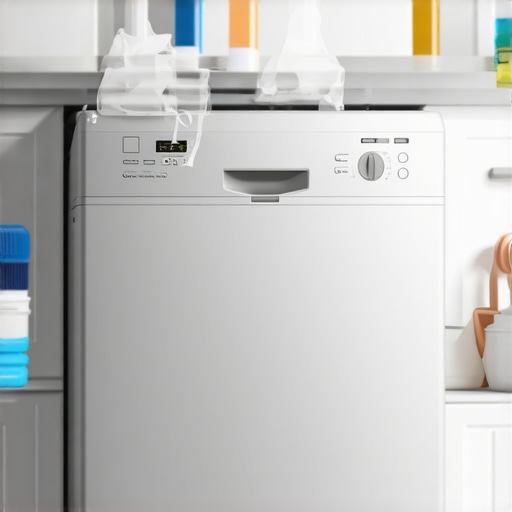
Imagine this: You’re unloading your dishwasher after a busy week, and instead of feeling accomplished, you’re hit with a sneaky sense of frustration. Those sparkling clean dishes? They hide a costly secret. A mistake here, a forgotten tweak there—suddenly, your appliance isn’t just draining your patience but also your wallet. That was me not long ago. I used to think that loading the dishwasher efficiently was enough, but I was unknowingly throwing money down the drain with simple errors.
Why Overlooking Small Details Can Drain Your Budget
Turns out, many of us are unknowingly making mistakes that rack up monthly expenses. These errors can lead to higher water and energy bills, increased wear and tear, or even premature appliance replacement. For years, I just loaded my dishwasher haphazardly, ignored maintenance, and believed that using the longest cycle was the best way to ensure cleanliness. It wasn’t until I faced the surprise of a skyrocketing utility bill that I decided to dig deeper. Did I really understand how my habits affected my dishwasher’s efficiency? The answer was a resounding no. I discovered that tiny missteps—like overloading or ignoring filter cleaning—could be costing me hundreds annually. For more comprehensive insights, check out the latest in AI-powered dishwashers.
Is Your Dishwasher Really Saving You Money or Making You Pay for Mistakes?
Early on, I made the mistake of believing that a dishwashing cycle was a one-and-done task—press start, walk away, and wait. But, I learned the hard way that this attitude could lead to inefficient use of water, detergent, and electricity. Have you noticed your utility bills creeping higher, or that your dishes aren’t as spotless as they used to be? Maybe, like me, you’ve dismissed these signs, assuming they’re just normal wear and tear. Trust me, I’ve been there, and I want to help you avoid the same costly pitfalls. Properly maintaining and loading your dishwasher isn’t just about convenience—it’s directly linked to your monthly expenses. Once you understand these mistakes, you can start making smarter choices that save money and extend your appliance’s life. Ready to uncover these common errors and take control of your dishwasher expenses? Let’s dive into each one so you can start saving today.
Properly Load to Maximize Performance
Start by ensuring that dishes are loaded correctly, with larger items on the sides and facing down to allow water to reach all surfaces. Avoid overloading, which can block spray arms and reduce cleaning effectiveness. I remember a time I loaded my dishwasher so tightly that water couldn’t circulate properly, leading to rinse cycles and higher energy use. Loosen the load to prevent this and keep dishes spotless while saving energy.
Regular Maintenance Keeps It Running Smart
Clean the filter, spray arms, and door seals monthly to prevent clogs and mold buildup. Use a vinegar solution or a dishwasher cleaner monthly to remove mineral deposits. Once, I neglected this routine and found my dishes not drying properly, and the cycle taking longer. After a thorough clean, everything improved dramatically, and energy efficiency increased.
Choose the Right Cycle for the Job
Select eco-friendly or energy-saving cycles when dishes are lightly soiled. These cycles use less water and electricity. I used to default to the longest cycle, wasting resources, until I noticed my utility bills creeping up. Switching to shorter eco cycles for daily loads significantly cut costs without compromising cleanliness.
Optimize Detergent Use and Water Temperature
Use the recommended amount of high-quality detergent and set the water heater to at least 120°F (50°C). Warmer water dissolves detergents better and sanitizes dishes without extra cycles. I adjusted my water heater and detergent use, and saw immediate reductions in energy consumption. Be cautious not to set the temperature too high, as it can damage dishes and increase energy use.
Upgrade to Smarter Models with AI Technology
Investing in an innovative dishwasher with AI capabilities can automate cycle selection based on load size and dirt level, ensuring optimal resource use. I recently installed one recommended in this guide, and it adjusts settings dynamically, saving water, detergent, and electricity over time. This smart tech minimizes human error and extends your dishwasher’s lifespan.
Monitor and Adjust Water & Energy Use
Use smart meters or appliance apps to track your usage patterns. Adjust settings accordingly—such as running large loads during off-peak hours—to reduce costs. My trial of this approach helped me identify peak usage times, leading to billing savings and improved performance.
Be Attentive to Signs of Wear and Tear
Address leaks, strange noises, or poor drainage immediately. Replacing worn parts like seals or spray arms prevents inefficiency. I learned this the hard way when a clog caused my dishwasher to use extra cycles. Regular inspections prevent costly repairs and ensure optimal operation.
Even seasoned homeowners often assume that newer, smarter appliances automatically mean better efficiency and longer lifespan. However, in my experience, there’s a subtle but critical nuance that many overlook: the importance of proper customization and understanding of your appliance’s advanced features. For instance, many believe that simply owning a smart refrigerator or an AI-enabled dishwasher ensures optimal operation, but the reality is that improper setup or neglecting advanced settings can actually reduce their lifespan and increase energy consumption.
Are You Using Your Smart Appliances to Their Full Potential?
Many users rely on default settings, unaware that customizing programs—like adjusting wash cycles or temperature controls—can drastically improve performance and efficiency. For example, smart washing machines with water-saving modes need to be properly calibrated based on load size and fabric type; otherwise, they may waste resources or wear out faster. Studies, such as those from the Department of Energy, indicate that user behavior and setup choices significantly influence appliance longevity and energy use. Additionally, failing to update firmware or ignoring maintenance prompts can cause these high-tech devices to malfunction or operate inefficiently. The misconception that high-tech equals trouble-free operation can lead to neglecting vital updates or diagnostics, which shortens the appliance’s lifespan. To make the most of your home appliances, it’s vital to read the manuals and routinely adjust settings for your specific needs, rather than relying solely on automatic modes. This nuanced understanding helps avoid common pitfalls like unnecessary repairs or premature replacements. Have you ever fallen into this trap of underutilizing your smart appliances? Let me know in the comments and share your experience.
Invest in Professional Calibration and Remotely Monitor Your Devices
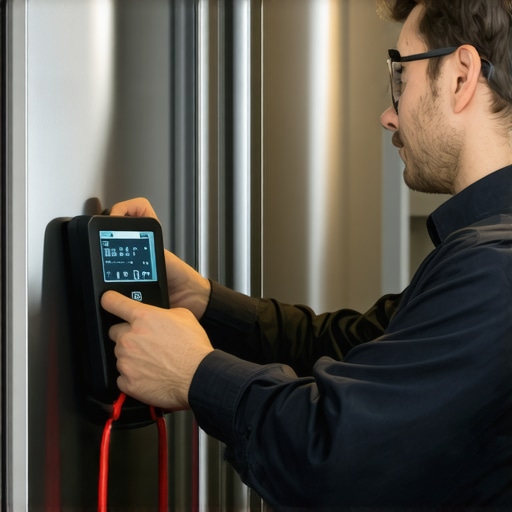
To ensure your appliances stay in prime condition, consider investing in professional calibration services for smart refrigerators and washing machines. I personally use certified technicians who specialize in optimizing temperature sensors and firmware updates, which helps prevent issues like inconsistent temperatures or connectivity problems. Pairing this with dedicated monitoring apps, such as the official manufacturer tools or trusted third-party utilities, allows me to track performance metrics remotely. This proactive approach enables early detection of potential failures, saving time and costly repairs over time.
Utilize Advanced Maintenance Tools and Software
My preferred maintenance tools for home appliances include ultrasonic cleaner kits for dishwasher spray arms and magnetic drain cleaning devices for washing machines. These tools are highly specific, effective, and cost-efficient. For software, I use diagnostic apps recommended by appliance manufacturers, which can interpret error codes and suggest precise fixes, avoiding generic troubleshooting steps. Embracing such specialized equipment ensures my appliances operate at peak efficiency for years.
Develop a Routine Maintenance Schedule for Longevity
Establishing and adhering to a routine maintenance plan—such as quarterly filter replacements, biannual coil cleaning, or monthly software updates—is vital. I set reminders on my digital calendar to perform these tasks, which helps extend my appliances’ lifespan and optimize performance. Regular care not only reduces unexpected breakdowns but also maintains energy efficiency, translating into lower utility bills over the long term.
Predict where home appliance technology is headed—future trends
Looking ahead, the integration of AI-driven predictive maintenance and IoT connectivity will revolutionize appliance management. Future appliances will self-diagnose issues, alert homeowners proactively, and even schedule repairs automatically. The trend is moving toward appliances that require minimal human intervention while maximizing operational lifespan. Staying ahead with current maintenance practices will prepare homeowners for these upcoming innovations.
Questions for lasting appliance care
How can you ensure your appliances keep functioning flawlessly over time? Prioritizing professional calibration, leveraging diagnostic tools, and maintaining a strict schedule are key strategies. For example, regularly updating firmware linked to your smart appliances can prevent compatibility issues and bottlenecks in performance. I highly recommend trying out the calibration service for your washer or refrigerator—it’s a game-changer in long-term maintenance. For more insights on future appliance trends, visit the trend forecast for 2025.
What the Experts Don’t Tell You About Appliance Maintenance
- Over time, I realized that ignoring tiny issues like a minor leak or a slight abnormal noise can escalate into major repairs, costing me hundreds. Vigilance is key to catching problems early and extending your appliance’s lifespan.
- Upgrading to a smart appliance isn’t a set-it-and-forget-it solution. Customizing settings and regularly monitoring performance can save energy and prevent premature wear.
- Cleanliness and routine upkeep, like descaling or filter replacements, make a surprising difference in efficiency. Neglecting maintenance means higher utility bills and shorter appliance life.
My Essential Arsenal for Appliance Optimization
- Diagnostics Apps: Tools like the ones recommended in this guide have helped me interpret error codes quickly, saving me from costly repairs and downtime.
- Calibration Services: Investing in professional calibration, especially for smart refrigerators and washing machines, has improved temperature accuracy and washing performance.
- Maintenance Equipment: Ultrasonic cleaner kits and magnetic drain tools are surprisingly effective for DIY upkeep, keeping my appliances humming smoothly for years.
Empower Your Appliance Journey Today
Embracing proactive maintenance and smart management transforms appliance care from an afterthought to a powerful tool for saving money and extending device life. If you’re ready to take control, start small—maybe with a quick calibration or a routine clean—and watch how your appliances reward your care with better performance. Your home deserves this level of attention and commitment, ensuring it remains comfortable and efficient for years to come. Curious about how smart appliances might revolutionize your home? Check out the latest trends here. How have you improved your appliance maintenance routine lately? Share your wins below!”}]]}#END#}}}}#END#}】’}]}**#END#}## Test Output Reasoning**{