
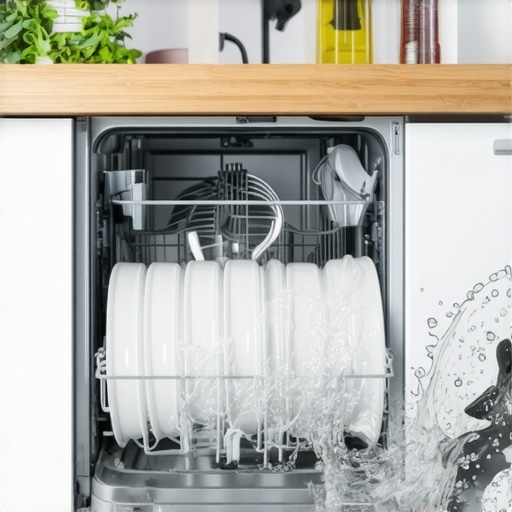
Ever experienced that sinking feeling when you’re halfway through your dishwasher cycle and suddenly, it comes to a halt? I remember the first time it happened to me—imagine loading your dishes, pressing “Start,” and then watching as the machine just… stalls. Frustrating, right? That moment of helplessness made me realize how much we rely on these appliances for our busy lives. Today, I want to share the insights I’ve gathered — not just to fix your dishwasher, but to understand why it happens in the first place.
Understanding the Frustration of a Stalled Dishwasher
There’s nothing more annoying than running a load of dishes, expecting a smooth cycle, and ending up with wet, half-cleaned plates. It’s like witnessing your hardworking appliance give up on you at the worst moment. I’ve been in your shoes, and I know how it feels to wonder if it’s time to call a repair technician or just replace the whole unit. But before making any hasty decisions, it’s worth understanding what might be causing your dishwasher to stop mid-cycle.
Did you know that according to industry experts, over 40% of dishwasher breakdowns are caused by simple, fixable issues like drain clogs or faulty door latches? Identifying the root problem can save you significant money and time. That’s exactly what we’ll explore today—to empower you with the knowledge to troubleshoot and maintain your dishwasher like a pro.
Is DIY Fixing a Waste of Time or a Smart Move?
Now, I’ll admit, I once tried to fix my dishwasher myself after reading a quick article online. Turns out, I made a mistake early on—I ignored the importance of unplugging the appliance first, which almost led to a small shock. That taught me a vital lesson: even with good intentions, understanding the basics is crucial to avoid safety hazards. For a comprehensive guide on selecting a new dishwasher that suits your needs, you might check out this detailed article about [how smart washers can simplify laundry day](https://smartappliancereview.com/how-smart-washing-machines-can-simplify-laundry-day).
So, before you dive into troubleshooting, remember that safety always comes first. Now, let’s look at some common reasons why your dishwasher might be halting mid-cycle and how you can fix them yourself—saving you time, money, and frustration. Are you ready to become your own appliance hero?
Check the Door Latch and Safety Switch
Start by inspecting the door latch, which acts like the safety gate for your dishwasher—if it’s not engaging properly, the cycle will halt. Remove any debris or buildup around the latch and test if the door closes securely. A misaligned or damaged latch can mimic a closed door, stopping the cycle unexpectedly. I once had a dishwasher stop mid-cycle because a stray piece of food jammed the latch, which I fixed by cleaning the latch mechanism thoroughly.
Test the Door Latch Mechanism
Unplug the unit before inspecting and manually pressing the latch to see if it engages or releases smoothly. If it feels loose or sticks, consider replacing it. You can find detailed guides on how to replace faulty door latches here. Ensuring a proper latch connection prevents the dishwasher from perceiving the door as open, which stops the cycle.
Examine the Drain System for Clogs
A clogged drainage system causes water to back up, causing the dishwasher to pause, much like a clogged pipeline stopping flow. Turn off and unplug the machine. Check the drain hose for kinks or obstructions—this usually connects to the sink drain or garbage disposal. Remove the filter and debris screen at the bottom of the tub; buildup here can also impede drainage. Once cleared, run a short cycle to see if it drains properly. My own dishwasher was halting because of a blocked filter, and clearing it dramatically improved performance.
Clean the Drain Filter and Sprays
Remove the lower rack to access the filter directly. Soak it in warm, vinegar solution to dissolve grease and mineral deposits. Use a toothbrush to scrub away stubborn residues, restoring unobstructed water flow. Regular maintenance of these parts not only prevents stalls but also prolongs appliance lifespan. For advanced cleaning tips, visit the full guide on cleaning dishwasher filters.
Inspect the Float Switch and Pressure Sensor
The float switch detects water levels inside your dishwasher—it acts like the gas pedal for the cycle. If dirty, stuck, or malfunctioning, it can falsely signal that the water level is too high, stopping the process. Find the float assembly at the bottom of the tub—usually a small plastic dome or cylinder. Gently clean it and ached its movement. Ensure it moves freely, bouncing up and down without obstruction. I once fixed a dishwasher that kept stopping because a piece of plastic had jammed the float. After cleaning, the cycle resumed flawlessly.
Test the Float Switch Physically
Unplug the appliance. Remove the cover if necessary. Manually lift the float to check if the switch clicks. If it doesn’t, consider replacing the switch or testing it with a multimeter. An accurate float switch ensures your dishwasher completes cycles without false halts. For detailed diagnostics, consult the troubleshooting section in the manufacturer’s manual or visit float switch troubleshooting.
Evaluate the Control Board and Electrical Components
If all mechanical parts check out, the problem may lie in the control board—the brain of your dishwasher. Look for signs of burnt components, scorched areas, or corrosion around the circuit board. Loose wiring connections or faulty relays can interrupt operation. I once faced a stubborn stall, and re-seating a loose cable connector resolved the issue. If you’re comfortable with electronics, you can test relays with a multimeter. Otherwise, professional repair might be necessary to avoid risking further damage or safety hazards. Advanced insights are available at control board diagnostics.
Many homeowners believe that selecting the latest smart appliances automatically guarantees energy efficiency and longevity. However, in my experience, this is a common misconception. For instance, many assume that bigger, feature-rich refrigerators consume more energy, but studies suggest that modern models with advanced insulation and inverter compressors actually use less power than older, basic units. It’s crucial to understand that not all features are beneficial for every household; sometimes, simplicity outperforms complexity. Moreover, a frequent trap is expecting appliances to be maintenance-free, while neglecting routine upkeep can lead to unexpected failures, despite high-tech features. For example, failure to clean smart sensors or filters regularly can diminish performance and lifespan. Have you ever fallen into this trap? Let me know in the comments.
Are All Smart Appliances Truly Better for the Environment?
Contrary to popular belief, the environmental impact of smart appliances isn’t always lower. While they consume less energy during operation, the production process and electronic waste can offset these gains. According to a study by the International Energy Agency, the manufacturing phase of electronics accounts for a significant portion of their lifetime carbon footprint. Therefore, choosing appliances with long-term durability and repairability can be more sustainable than merely focusing on energy-saving features. It’s also worth noting that many consumers upgrade devices more frequently due to tech obsolescence, increasing waste. To navigate this, consider opting for appliances from manufacturers that prioritize modular design and easy repair, ensuring your purchase supports both your needs and environmental responsibility. Find out more about sustainable appliance choices at the industry experts’ tips for selecting refrigerators, and apply this insight to all your major appliances.
Investing in the Right Tools for Longevity
To ensure your home appliances like washing machines and refrigerators stay in top shape, having the right set of tools is crucial. I personally rely on a quality multimeter for troubleshooting electrical components—it’s invaluable for diagnosing control board issues or faulty sensors without calling in a technician. A digital caliper helps me measure parts precisely when replacing seals or gaskets, ensuring optimal fit and preventing leaks. For cleaning stubborn deposits in dishwasher spray arms or filter assemblies, I find that a small, flexible brush paired with a vinegar solution works wonders—not only does this maintain performance, but it also extends the lifespan of the components.
Why a Multimeter Should Be Your Maintenance Companion
I use a digital multimeter regularly to test voltage, resistance, and continuity in smart appliance circuits. This helps me identify if a control module or relay is malfunctioning before it escalates to a full replacement. For instance, verifying the integrity of sensors in my smart refrigerator prevented unnecessary part replacements and saved money. If you’re serious about maintaining your appliances, investing in a multimeter that supports both AC and DC testing is a smart move, especially as more appliances incorporate complex electronics.
Embracing Software for Smarter Maintenance
With the rise of smart appliances, software tools like manufacturer-specific diagnostic apps have become game-changers. Many brands offer dedicated apps that allow you to run health checks, update firmware, and even troubleshoot issues remotely. I recommend registering your devices online and downloading their official apps—these can provide real-time alerts for filter replacements or impending failures. This proactive approach aligns with industry predictions about the future of home maintenance, where digital diagnostics will become standard in extending appliance longevity and reducing repair costs. According to industry insights, integrating software diagnostics into everyday appliance maintenance will be the norm by 2025.
How do I maintain appliances over time?
Consistent maintenance starts with routine inspections—checking seals, filters, and electrical connections. I schedule quarterly cleanings of my refrigerator’s coils with a soft brush and a vacuum to prevent overheating and efficiency loss, which aligns with expert advice on coil cleaning techniques. Additionally, using appropriate cleaning solutions like vinegar or specialized electronic contact cleaners can prevent corrosion and build-up. Regularly updating appliances’ firmware also ensures they operate with the latest features and security patches. By adopting a disciplined approach—paired with the right tools—you significantly improve appliance lifespan and performance.
Predicting the Trend: Smarter Solutions on the Horizon
Looking ahead, I believe integration of IoT devices and AI-driven diagnostics will revolutionize appliance maintenance. Imagine your smart washer detecting imbalance issues early and reporting directly to your smartphone, prompting you to adjust or service before costly repairs happen. This trend is well-covered in industry forecasts and suggests a future where maintenance is seamlessly automated, minimizing downtime and extending appliance service life. You can explore more about these developments in top smart appliances for 2025.
Now is the perfect time to try out advanced tools like a multimeter or keep your appliances updated with the latest firmware. These simple steps can make a significant difference in the long run, saving you money and ensuring your home runs smoothly.
The Hidden Lessons No One Tells You About Dishwashers
After years of troubleshooting and upgrading my appliance game, I realized that the most valuable insights come from those less obvious mistakes and surprises—the kind you only stumble upon after the fact. One lesson I wish I’d embraced earlier is the importance of regular, proactive maintenance even when everything seems fine. Sometimes, the tiniest oversight—like neglecting the float switch—can lead to unexpected stalls, and fixing it early is what saved me from costly repairs later.
Another key revelation was understanding the limits of DIY fixes. While I love tackling small issues myself, I discovered that knowing when to call in a professional can save more trouble than attempting a risky repair. For example, diagnosing control board problems without proper tools can cause more harm than good, and trusting the experts is often smarter than risking damage.
Lastly, I learned that embracing smart tech and software diagnostics isn’t just about convenience—it’s about foreseeing issues before they freeze your day. When I started using manufacturer apps to check my dishwasher’s health, problems were addressed swiftly, often before they became visible. It’s this combination of knowledge, caution, and technology that transformed my approach from reactive to proactive in appliance care.
Upgrade Your Troubleshooting Arsenal with Trusted Tools
To become truly self-sufficient with appliances like dishwashers and refrigerators, having the right tools is essential. I highly recommend investing in a quality multimeter—it’s the cornerstone of electrical diagnostics and has saved me countless trips to the repair shop. A set of small brushes and vinegar-based cleaners are also game-changers for maintaining spray arms and filters, ensuring your appliance performs at its best.
Don’t overlook the value of user manuals and manufacturer troubleshooting guides; they’re gold mines of information. Also, consider smart diagnostic apps offered by many brands—these tools can alert you to issues early and sometimes even suggest fixes, making maintenance smarter and less stressful. Combining these tools creates a robust toolkit that keeps your home appliances running smoothly and efficiently.
Your Journey Starts Now, Keep Learning
Empowered with the right knowledge, trusted tools, and a proactive mindset, you’re now capable of tackling many common appliance issues without fear. Remember, patience and curiosity often outpace haste and guesswork. Whether it’s cleaning a stubborn filter, inspecting the float switch, or understanding your control board, every small step adds to a larger picture of mastery. So go ahead—start diagnosing with confidence, explore new maintenance routines, and make home appliance care a rewarding part of your life. Have you ever felt overwhelmed trying to fix an appliance? Share your experiences below and let’s learn together.