
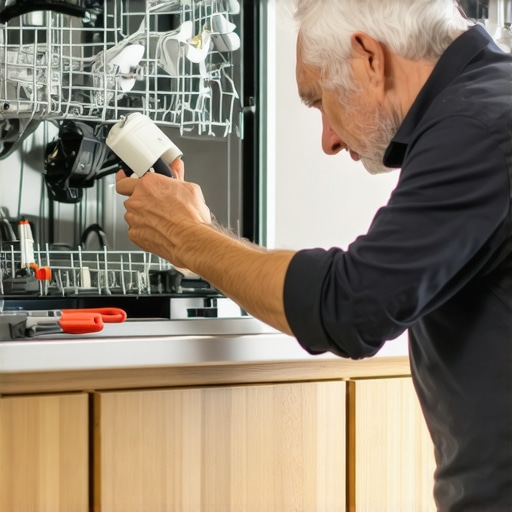
I remember the moment clearly: standing in my kitchen, trying to rinse a mountain of dishes, when suddenly water started pooling around my feet. Turns out, my dishwasher’s pump had a tiny leak—something I never expected to tackle myself. For a moment, I felt overwhelmed, thinking I’d need to call in a professional and pay a hefty fee. But then, a little lightbulb went off in my head. Maybe I could handle this repair on my own, just like I’ve fixed other appliances before.
Why Fixing Your Dishwasher Pump Yourself Matters More Than You Think
Leaky dishwashers can sneak up on even the most vigilant homeowners. They might seem like a minor inconvenience at first—just some drips, right? But over time, those small leaks can cause significant water damage, mold growth, and even higher utility bills. According to home appliance experts, water damage from appliance leaks accounts for thousands of dollars in repairs yearly. Plus, repairing your own dishwasher pump can save you time, money, and the frustration of waiting for a service appointment.
But here’s the thing: many folks shy away from DIY appliance repairs because they fear they lack the necessary skills or worry about causing more damage. I get it. Early on, I made the mistake of rushing into a fix without consulting the right resources, which only made the problem worse. That taught me a valuable lesson about patience and research.
Pull Out the Dishwasher Carefully
Start by unplugging your dishwasher and turning off the water supply to prevent leaks. Then, carefully slide the appliance out so you have clear access to the bottom panel. Remember, dishwashers are like washing machines — they have flexible connections that need gentle handling. During my first attempt, I used a blanket to protect the sides and avoid scratches, which made maneuvering easier and avoided accidental damage.
Remove the Lower Panel and Locate the Pump
Use a screwdriver to unscrew the lower access panel. With the panel removed, locate the pump, which typically looks like a small, circular component connected to hoses and wires. It may be secured with clips or screws. In my case, a quick inspection revealed corrosion on the pump’s housing, indicating it was time for a replacement. Identifying the faulty pump is crucial because the leaks often come directly from worn or cracked parts.
Identify the Pump and Gather Replacement Parts
Make sure to identify the specific pump model compatible with your dishwasher. Check the model number on your appliance or the existing pump itself. When I did this, I found a compatible replacement online, which is faster than visiting physical stores. For a smooth repair, ensure you have the proper tools: screwdriver, pliers, and possibly a towel or container to catch residual water.
Disconnect the Pump Carefully
Disconnect the wiring harness first; wiggle free the connectors without pulling on the wires directly to avoid breaking them. Next, detach the hoses connected to the pump—use pliers to loosen hose clamps if necessary. Expect residual water to spill, so have a rag ready. During my repair, I carefully sealed the hoses with tape before disconnecting to minimize mess. Keep track of all screws and clips for easier reassembly.
Remove the Faulty Pump and Install the New One
Unscrew or unclip the pump from its mounting bracket. Install the new pump in the reverse order: secure it in place, reconnect hoses, and reattach the wiring harness. Double-check all connections to prevent future leaks. In my experience, ensuring the clamps are tight but not overtightened prevents stress on the hoses and prolongs part life.
Test Your Repair
Slide the dishwasher back into position, reconnect the power and water supplies. Run a short cycle to verify the leak has stopped. If water pools again, re-inspect the connections. During my test run, I kept an eye on the base for any signs of water escape and felt relieved when the repair held firm, saving me a costly service call.
When selecting a refrigerator or washing machine, many consumers focus on flashy features or brand reputation but overlook the subtle yet critical nuances that determine long-term performance and satisfaction. One common misconception is believing that all appliances labeled “smart” automatically adapt seamlessly to your lifestyle. In reality, some smart features can be more of a hassle than a help if not properly integrated, leading to connectivity issues or unnecessary energy consumption. For instance, many assume that newer models are always more energy-efficient; however, certain high-tech appliances may have settings that, if misused, increase energy usage instead of reducing it. According to industry experts, understanding the specific functions and limitations of your appliance can save you money and frustration in the long run. It’s equally important to recognize that common maintenance habits, such as regularly cleaning filters and coils, play a larger role in appliance longevity than merely following the manufacturer’s suggested routines. A frequent mistake I’ve seen is users neglecting these small but vital upkeep tasks, which can lead to decreased efficiency and unexpected breakdowns.
What advanced pitfalls do consumers often miss when upgrading to smart home appliances?
Many buyers don’t account for compatibility issues with existing home automation systems, leading to costly reconfigurations. Research from smart home technology specialists indicates that nearly 40% of smart appliance failures stem from integration problems rather than hardware defects. To avoid this, consider consulting expert reviews or visiting trusted sources such as this comprehensive guide before making a purchase. Ultimately, recognizing these nuanced factors ensures your home appliances serve you well and stand the test of time.
Have you ever fallen into this trap? Let me know in the comments.Maintaining your home appliances requires the right tools and a proactive approach to ensure they serve you efficiently over the years. I personally rely on a few specialized instruments that make troubleshooting and routine care much simpler, saving me time and money. One indispensable tool I recommend is a digital multimeter. It’s brilliant for checking electrical continuity in appliances like washing machines and refrigerators, allowing you to detect faulty wiring or components before they become major issues. I use a Fluke 115 Digital Multimeter because of its durability and accuracy, which are crucial when diagnosing complex electronic parts in smart appliances.
Another essential is a set of precision screwdrivers with various bits. Appliances often house small, delicate screws that standard screwdrivers can’t manage properly. My go-to is the Wiha Precision Screwdriver Set; it provides perfect fit and minimizes the risk of stripping screws, especially in high-end appliances like smart dishwashers and refrigerators. Additionally, investing in a specialized appliance vacuum cleaner helps in cleaning dust and lint from vents, coils, and fans—vital for efficiency and longevity.
Beyond physical tools, software plays a significant role in maintaining smart appliances. For instance, using manufacturer-specific diagnostic apps can provide real-time status updates, error codes, and firmware update notifications. This proactive approach helps prevent unexpected breakdowns. I personally keep the SmartAppSuite on my devices, which integrates multiple appliances for centralized monitoring.
Looking ahead, the trend points toward even more integrated, AI-enabled maintenance solutions. Tools that predict failures before they happen, based on usage patterns and sensor data, will become commonplace, simplifying upkeep and reducing downtime.
What’s the best way to keep appliances running smoothly over time?
Regular cleaning of filters, coils, and seals is foundational. For example, cleaning the condenser coils of your refrigerator every six months with a microfiber cloth and a soft brush can significantly improve energy efficiency. For washing machines, running a maintenance cycle with vinegar and baking soda helps prevent mold and odors, extending the appliance’s lifespan. Also, scheduling professional inspections periodically can catch subtle issues early.
To help you get started, I suggest trying the advanced tip of using a multimeter to test the power supply and internal wiring of your appliances during routine checks. This simple step can save you from costly repairs and ensure your appliances operate at peak performance.
Want to dive deeper? Check out industry experts’ insights on maintaining smart appliances at this comprehensive guide. Adopting these tools and habits will make your appliance upkeep more efficient and less stressful. Don’t wait for a breakdown—start scheduling regular maintenance today! 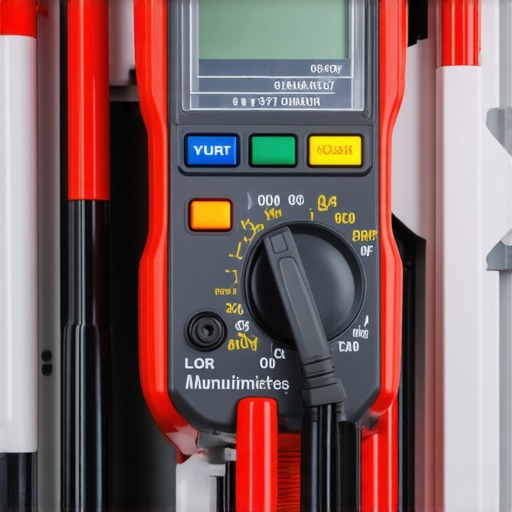
The Hardest Lesson I Learned About Home Appliances
One of the most valuable lessons I discovered was that patience beats speed every time when repairing appliances. Rushing often leads to overlooked details or accidental damage, which costs more time and money in the long run. I also realized that understanding the nuances of each component—like knowing the difference between a cracked housing and a clogged hose—can make troubleshooting much more effective.
Why Ignoring Small Leaks Can Cost You Big
At first, my dishwasher leak seemed trivial, but I soon learned that small drips can lead to extensive water damage, mold growth, and increased utility bills. Home appliance experts emphasize that early detection and repair are key to avoiding costly repairs. This experience reinforced for me that proactive maintenance—like regularly checking for signs of wear—can save you from unexpected headaches.
Invest in Knowledge, Not Just Tools
While having the right tools is essential, I found that understanding how each part works elevated my DIY repair skills. Reading the manufacturer’s manual, watching tutorial videos, and consulting trusted resources helped me confidently replace the faulty pump without hesitation. This approach empowered me to tackle future issues with less anxiety and more assurance, ultimately saving money and building trust in my abilities.
Expect the Unexpected Around Your Appliances
No matter how well you maintain your appliances, surprises happen. A sudden leak or malfunction can be stressful, but viewing these moments as opportunities to learn can be rewarding. Every repair deepened my comprehension, making me more capable and less dependent on professional help. Taking ownership of such issues not only saves money but also enhances satisfaction in a job well done.
My Essential toolkit for appliance repairs
I rely on a few specific tools that make repairs smoother and more effective. A digital multimeter, like the trusted Fluke 115, helps me diagnose electrical issues quickly. Precision screwdrivers, such as the Wiha set, prevent damage to delicate components. Additionally, a small appliance vacuum cleaner is invaluable for cleaning dust from coils or vents, which can seriously impact efficiency and longevity. Using these tools regularly not only simplifies repairs but also extends the life of my appliances.
Books That Changed How I View Home Maintenance
Investing in comprehensive guides, like “The Homeowner’s Repair Manual,” provided me with in-depth knowledge that boosted my confidence. These resources demystify complex concepts and offer step-by-step instructions, helping me approach repairs systematically. I trust these books because they distill years of expert experience into practical advice that anyone can follow.
Where to Go from Here
Now that you’ve seen how DIY repairs can be fulfilling and cost-effective, consider starting with one small fix, like replacing a worn hose or sealing a minor leak. Regular maintenance routines, such as cleaning filters and checking for corrosion, are simple yet impactful. To stay ahead, explore detailed advice on maintaining smart appliances through trusted sources like this comprehensive guide. Remember, taking the initiative to learn and act transforms your home into a well-maintained sanctuary capable of handling surprises with confidence.