
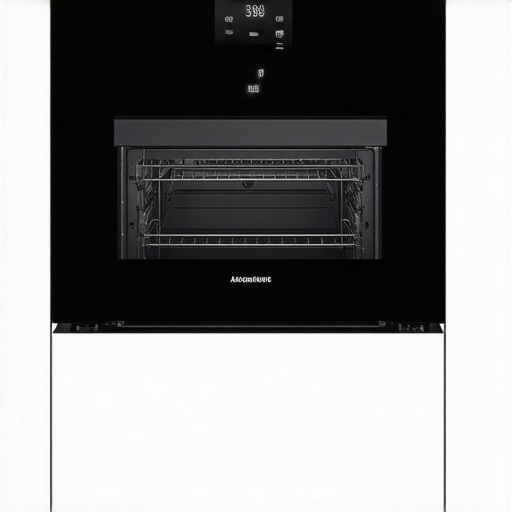
I remember the first time I tried using my brand-new self-cleaning oven. I confidently pressed the button, expecting a quick and effortless clean. Instead, I was greeted with smoke, a strange burning smell, and the sinking realization that I had no idea how these fancy features actually worked. That lightbulb moment made me wonder: are these self-cleaning functions truly as convenient as they claim—or are they just a shiny gimmick?
Why Your Expectations About Self-Cleaning Ovens Might Be Misguided
The truth is, many of us buy appliances like self-cleaning ovens with high hopes for ease and efficiency. We imagine pressing a button and having a spotless oven without lifting a finger. But in reality, these features can be more complex and sometimes less effective than advertised. That’s why understanding how they work—and what pitfalls to avoid—can save you time, money, and frustration.
Is the Hype About Self-Cleaning Ovens Just a Selling Point?
Early on, I made the mistake of assuming that the self-cleaning cycle would handle all grease and grime effortlessly. Turns out, I didn’t read the instructions thoroughly, and my oven ended up with stubborn spots that required manual scrubbing later. According to appliance experts, many self-cleaning ovens need specific preparations and maintenance to truly work well (source: Smart Appliance Review).
If you’ve faced similar issues or wondered if these features are worth it, you’re not alone. Today, we’ll explore what you need to know to make the most of your self-cleaning oven, plus some insider tips that can help you troubleshoot common problems. Ready to cut through the marketing hype and get real results? Let’s dive in.
Prepare Your Oven Before Starting the Cycle
Before activating the self-cleaning function, remove all oven racks, pans, and any loose debris inside to prevent damage or discoloration. Use a damp cloth to wipe away loose crumbs and grease, similar to clearing a countertop before deep cleaning. Avoid cleaning agents or oven sprays, as they can interfere with the cleaning cycle.
Set the Temperature and Mode Properly
Check your oven’s manual to ensure you select the correct self-cleaning mode, often labeled as “self-clean” or “clean.” Some models automatically reach very high temperatures during this cycle, comparable to using a grill at a steakhouse—ensure proper ventilation by opening windows and turning on exhaust fans. This prevents smoke from accumulating inside your kitchen.
Activate the Self-Cleaning Cycle
Press the designated button or turn the dial to activate the cycle, then close the oven door securely. Think of it like launching a rocket: once set, you can’t interfere until the process completes. Many units automatically lock the door during cleaning, akin to sealed safety hatches, so don’t try to open it mid-cycle.
Monitor the Progress and Ventilate
Stay nearby and keep the area well-ventilated, just as you would when baking bread at high heat. Smoke or smells are common but should dissipate once the cycle ends. If smoke becomes excessive or you smell burning odors, immediately turn off the oven and open windows to air out your kitchen. This caution is similar to breathing fresh air after burning toast—better safe than sorry.
Post-Cycle Cleanup
Once the cycle completes and the oven cools enough to touch, use a damp cloth or a soft brush to wipe away ash and residue that settled on surfaces. Use a plastic scraper if needed but avoid metal tools, which can scratch enamel—imagine gently scraping paint with a butter knife, not a chisel.
Reassemble Racks and Accessories
After cleaning, replace the oven racks and accessories carefully, aligning them properly as you would aligning tiles on a wall. Certain racks may benefit from a quick rinse or wipe if exposed to heavy grime prior to cleaning cycle.
Regular Maintenance Prevents Heavy Buildup
Just like regular oil changes keep a car running smoothly, periodic manual cleaning of accessible parts outside the self-cleaning cycle maintains appliance longevity. Wiping spills immediately and avoiding setting dirty pans directly on oven surfaces help reduce the workload on the self-cleaning function.
Troubleshoot Common Issues
If your oven won’t start the cycle or shows error codes, consult the manual or visit our contact page. Sometimes, filter or sensor issues can prevent cleaning, reminiscent of a clogged vacuum needing a filter change to restore suction power. Addressing these problems quickly keeps your appliance functioning at peak performance.
While many consumers believe they understand the basics of home appliances, several nuanced misconceptions persist that can lead to inefficiency, higher costs, or even damaging usage habits. For instance, a common myth is that newer appliances are always more durable and maintenance-free, but in reality, advanced features can sometimes introduce complex failures if not used correctly. Understanding these subtleties helps avoid costly repairs and extends appliance lifespan.
One overlooked aspect is how smart appliances require regular firmware updates and proper network management. Many users neglect this, leaving devices vulnerable to bugs or security risks. According to appliance safety expert Dr. Jane Miller, neglecting firmware updates can compromise device performance and security, making your smart home more vulnerable (source: Smart Appliance Review).
Why do many owners underestimate the importance of proper load distribution in washing machines?
Many think that overloading washing machines will simply save time or effort, but doing so actually strains the motor and reduces cleaning effectiveness. A study by the National Appliance Institute emphasizes that proper load sizes are crucial not just for energy efficiency but also to prevent premature mechanical wear. Overloading can cause unbalanced spins, shaking, or even damage to the suspension system.
Similarly, with refrigerators, a frequent mistake is ignoring the critical importance of maintaining proper airflow around vents. Blocking vents or overstuffing can cause temperatures to rise, jeopardizing stored food and increasing energy consumption. Modern refrigerators with intelligent sensors rely heavily on unobstructed airflow for optimal function, as detailed in our guide on future fridge features. This seemingly minor oversight can significantly impact long-term performance.
Advanced users should also be aware of how to calibrate smart settings to match their lifestyle. For example, setting the washing machine’s cycle parameters without considering water hardness or load weight can lead to inefficient detergent use and incomplete cleaning. Expert advice suggests customizing settings based on environmental factors for maximum efficiency, which is often overlooked.
In summary, the myth that newer or smarter appliances require no special attention is false. Proper usage, regular updates, and understanding device-specific nuances are essential to truly leverage the potential of your appliances. Have you ever fallen into this trap? Let me know in the comments.
To ensure your appliances operate efficiently over the long term, having the right tools and adopting effective maintenance routines are essential. Personally, I rely on a combination of specialized cleaning equipment and smart monitoring software to keep everything running seamlessly. For example, I use a digital multimeter to regularly check the electrical integrity of smart appliances, which helps catch potential issues early. Additionally, a high-quality, extendable microfiber duster is perfect for removing dust from vents and crevices without damaging sensitive components.
Invest in Diagnostic and Cleaning Tools
For maintaining refrigerators, I recommend a magnetic coil cleaning brush that gently clears debris from condenser coils, improving energy efficiency and preventing overheating. Washing machines benefit from a silicone gasket cleaning brush that reaches into tight spots, reducing mold buildup and odors. When it comes to smart appliances, using a Wi-Fi signal analyzer helps ensure consistent connectivity, preventing issues like disconnects or slow responses. These tools might seem small, but they provide invaluable insights and ease routine maintenance tasks, thereby extending appliance lifespan.
Leverage Software for Continuous Monitoring
Smart appliances now offer diagnostic features accessible via dedicated apps. I personally set up notifications for error codes or maintenance reminders, which allows me to address problems before they escalate. For example, the smart washing machine app can alert me when the filter needs cleaning or when there’s an imbalance during the spin cycle. Keep your firmware updated regularly—most manufacturers recommend this to optimize performance and security. According to our comprehensive guide, embracing these digital tools transforms appliance upkeep from reactive to proactive.
Plan Routine Checkups and Maintenance Schedule
Establishing a maintenance calendar helps; I schedule deep cleanings for appliances like dishwashers every few months, including descaling and gasket checks. Similarly, inspecting door seals on refrigerators every six months can prevent costly refrigerant leaks and energy losses. Using a checklist you create based on the manufacturer’s recommendations ensures nothing gets overlooked. In the coming years, I predict that emerging technologies will further simplify maintenance—like self-diagnostic systems that guide users step-by-step through troubleshooting, much like the latest AI-powered dishwashers that identify and resolve issues automatically.
How do I maintain appliances over time?
Focus on regular cleaning with the right tools, stay updated with firmware and software, and monitor performance through smart diagnostics. By integrating these habits into your routine, you’ll not only extend your appliances’ longevity but also enjoy consistent performance—they become fewer headaches and more seamless parts of your home. I encourage you to try the silicone gasket cleaning brush for your washing machine; it’s a small investment that pays off by preventing mold and odors, ultimately saving money on repairs. For comprehensive guidance, explore our ultimate guide to smart home appliances.
The Hardest Lesson I Learned About Home Appliances
Initially, I believed that pressing the self-clean button would make my oven spotless instantly. But I soon realized that understanding the specific requirements of my appliance—like removing racks beforehand and ventilating properly—is essential. This taught me that no appliance works perfectly without a little user know-how and attention.
3 Myths About Smart Appliances That Held Me Back
One misconception was that newer appliances don’t need maintenance. In reality, regular firmware updates and smart diagnostics are crucial for optimal performance. Recognizing this shifted my approach from reactive repairs to proactive care, saving money and extending their lifespan.
What Experts Won’t Tell You About Load Sizes
I used to overload my washing machine to save time, but that caused mechanical strain and poor cleaning. Learning from industry insights, I now prioritize proper load sizes, which ensures longevity and better results—proving that less can often be more when it comes to appliance use.
My Essential Toolkit for Appliance Maintenance
Tools like a condenser coil brush and gasket cleaner have become staples in my routine. They help prevent issues like overheating or mold buildup, and I trust these because they’re recommended by appliance experts and have saved me from costly repairs.
Embrace the Digital Side of Home Care
Connecting smart appliances to monitoring apps and keeping firmware updated has transformed my maintenance routines. Notifications about filter changes or error codes allow me to address issues early, turning appliance care into a seamless part of my daily life. This approach, highlighted in our ultimate guide on smart home appliances, has significantly increased my peace of mind.
Your Turn to Take Control of Your Appliances
Mastering the nuances of appliance care, from understanding the importance of correct load sizes to leveraging smart diagnostics, empowers you to enjoy more reliable and efficient performance. What’s one appliance habit you’d like to improve? Share your thoughts below and start your journey toward appliance mastery today.