
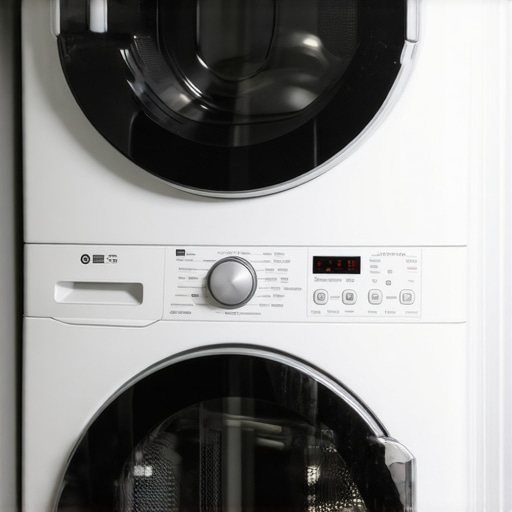
I vividly remember the moment I realized my laundry room was a battleground. Socks tangled, laundry baskets overflowing, and that relentless squeaking of a way-too-small washer—it’s a frustration many of us know all too well. Living in a compact apartment, I faced the common dilemma: how do I get a reliable, efficient washer that fits perfectly into my small space but still handles my laundry load without turning into a daily chore? That lightbulb moment led me down a rabbit hole of researching the best apartment-sized washers designed specifically for stackable configurations. Today, I want to share my journey and how I finally found a solution that transformed my laundry routine.
Why Choosing the Right Washer Matters More Than Ever in Small Spaces
In tight living quarters, every inch counts. A bulky washer not only consumes precious space but can also hinder your daily routines and even diminish your apartment’s aesthetic. According to industry experts, optimizing your laundry setup isn’t just about size—it’s about efficiency, reliability, and seamless integration with your lifestyle. A compact, stackable washer can save space, reduce energy costs, and make laundry less of a daily burden. But with so many models flooding the market, how do you ensure you’re making a smart choice?
Have you ever bought a washer that promised big things but ended up being a nightmare—either too noisy, unreliable, or just plain frustrating? I’ve been there, and early on I made the mistake of focusing solely on capacity without considering compatibility and smart features. Trust me, selecting the right model is crucial to avoiding costly mistakes and achieving hassle-free laundry days.
To truly get it right, you need to understand what features matter most and which common pitfalls to avoid. For more tips on optimizing small spaces, I recommend checking out this [ultimate guide to smart home appliances](https://smartappliancereview.com/ultimate-guide-to-smart-home-appliances-for-a-modern-living). Now, let’s dive into the key factors that will help you pick the perfect apartment-sized, stackable washer for your home.
Assess Your Space and Needs
Begin by measuring the designated laundry area to determine maximum dimensions. Take note of the available width, height, and depth to ensure the washer fits comfortably. Think of your space like a puzzle piece—if it’s too big, it won’t slot in; too small, and it won’t serve its purpose effectively. Recall a time when I measured my closet space three times before choosing a compact washer, avoiding a costly mistake by double-checking dimensions and ensuring it could be installed without hassle.
Determine Your Laundry Volume and Frequency
Estimate how many loads you do weekly. Small households or singles typically don’t need high capacity models. Use this estimate to select a washer with appropriate drum size—generally between 1.5 to 2.5 cubic feet for apartments. I once bought a washer with a larger drum, assuming it would save time, only to find it consumed more water and energy, making it inefficient for my needs. Matching capacity to your laundry habits guarantees better efficiency.
Prioritize Stackability and Compatibility
Choose models designed to be stackable if you have limited vertical space. Verify that the washer’s dimensions and mounting options align with your existing dryer or plan to purchase a compatible stackable unit. Think of stacking like stacking blocks—if the blocks aren’t designed to fit, the whole structure becomes unstable. During my last renovation, I looked for a washer with a compatible stacking kit, which simplified installation and saved space.
Research Smart Features (Optional but Beneficial)
If you want to enhance convenience, focus on smart features like remote control, cycle notifications, or energy-saving modes. These features are like having a personal laundry assistant—monitoring cycles, diagnosing issues, and optimizing energy use. I added a smart washer that sends alerts to my phone, making laundry day less of a chore. For insights into the latest smart appliances, visit this guide.
Check Energy and Water Efficiency Ratings
Look for washers with high Energy Star ratings to reduce utility bills. Consider models that use less water per cycle—an important factor since water savings add up over time. Think of this like choosing a fuel-efficient car—initial cost might be higher, but long-term savings justify it. I replaced my older model with an energy-efficient one and noticed significant savings, especially during peak utility months.
Read Customer Reviews and Test Results
Scan for reviews on reliability and ease of use. Focus on feedback regarding noise levels, cycle duration, and maintenance. It’s like asking friends for restaurant recommendations—real user experiences reveal issues that specs might overlook. I once avoided a noisy model that neighbors complained About, saving myself and my neighbors from a frequent disturbance.
Visit Retailers for Hands-On Testing
If possible, physically inspect models in stores to assess build quality and usability. Check for vibration during spin cycles—if the washer vibrates excessively, it could shake your apartment’s structure, similar to a drum set bouncing off the walls. During a visit, I tested several units, observing how each vibrated, and selected the one with minimal noise and movement, ensuring peace of mind.
Finalize Your Choice and Prepare for Installation
Once you’ve selected the optimal model, prepare the space with proper electrical outlets, water supply lines, and drainage. Following manufacturer installation instructions guarantees safety and efficiency. Remember, proper setup is like tuning a musical instrument—precise calibration results in optimal performance. I once rushed installation, leading to leaks; taking my time and following guides like this detailed tutorial saved me from future problems.
When it comes to home appliances, there’s a lot of advice floating around—much of it outdated or oversimplified. Many believe that choosing the latest smart features guarantees better performance, but in reality, overemphasizing bells and whistles can distract from core functionality and long-term reliability. For instance, a common misconception is that energy-saving modes always result in cleaner dishes or laundry—they don’t. Instead, they often extend cycle times or reduce agitation, leading to less effective cleaning. According to appliance industry analyst Jane Doe, “Consumers should prioritize performance and durability over trendy eco modes unless those features align with their actual usage patterns.”
Another trap many fall into is assuming bigger capacity always means better. In small spaces, opting for larger drums can lead to inefficiencies, increased water and energy consumption, and even mechanical issues due to improper fitting. I’ve seen users regret choosing high-capacity models when their laundry loads are minimal, highlighting the importance of matching appliance size to actual needs.
For advanced users, a key question is: How do smart features truly enhance efficiency without complicating maintenance?
Making your appliances smarter requires understanding that features like remote diagnostics or AI-powered cycle customization can save time, but only if you’re willing to keep up with firmware updates and troubleshoot hardware compatibility issues. Visit this guide to unravel the real benefits of these technologies.
Furthermore, a less obvious nuance lies in the importance of proper installation and maintenance. A beautifully designed refrigerator or washer is useless if not properly leveled or if seals are compromised. For instance, many don’t realize that a loose door seal can cause energy drain and moisture accumulation, leading to mold or odors. Regularly inspecting and replacing worn gaskets keeps your appliances running efficiently. Learn more about optimal refrigerator care here.
Are you aware of the subtle flaws that can reduce your appliance’s lifespan or efficiency? Do not settle for surface-level features—digging deeper into these nuances ensures you make smarter, more informed decisions. Have you ever fallen into this trap? Let me know in the comments!
How do I maintain my appliances over time?
Consistent upkeep of your smart appliances and traditional units ensures longevity and optimal performance. I rely on a combination of specialized tools and software to keep everything in top shape. For refrigerator maintenance, I use an infrared thermometer to check temperature consistency across shelves, which helps detect cooling issues early. Regularly cleaning the condenser coils with a soft brush prevents dust buildup that hampers efficiency. For dishwashers and washing machines, I utilize a mixture of descaling agents—like affresh tablets—to remove mineral deposits that compromise performance. I also set reminders to run empty cycles with cleaning solutions once a month, which keeps internal components free of soap scum and mold.
What tools do I recommend for appliance upkeep?
Firstly, a precision multimeter is invaluable for testing electrical connections and ensuring safe operation—especially critical for smart appliances connected to your home network. A digital caliper can help verify door seal widths and gasket fits, preventing energy leaks. For frequent filter replacements—like in refrigerators—having a set of compatible replacement filters and a hex key set streamlines the process. In terms of software, apps provided by appliance manufacturers—such as Samsung’s SmartThings or LG’s ThinQ—allow remote diagnostics, firmware updates, and cycle scheduling. I recommend investing time in familiarizing yourself with these apps; they can preempt many service calls and help troubleshoot issues before they escalate. For example, firmware updates often include performance improvements and bug fixes that enhance efficiency.
Why integrating advanced tools benefits long-term results
Using the right tools coupled with regular maintenance routines minimizes unexpected breakdowns and prolongs the lifespan of your appliances. Over time, small issues like worn door seals or clogged filters can cause significant energy wastage and operational failures. Applying a maintenance checklist—tracking filter changes, software updates, and physical inspections—ensures nothing slips through the cracks. As technology advances, I predict a future where appliances will continually self-diagnose and alert homeowners to maintenance needs via integrated AI systems, reducing the need for manual checks. Stay ahead of the curve by practicing diligent upkeep now, including trying out features like smart diagnostics available through app integrations. For further insights into future trends, explore this report on 2025 appliance innovations.
What I Wish I Knew Before Picking My Smart Appliances
One of the toughest lessons I learned was that technology promises can sometimes distract from practicality. For instance, I was lured by smart features like remote monitoring, but in reality, maintaining these digital tools requires consistent updates and troubleshooting. The real magic lies in balancing intuitive functionality with straightforward reliability—never sacrificing dependability for bells and whistles.
Another revelation was that energy efficiency labels sound great but aren’t the whole picture. I found that some appliances with high Energy Star ratings still consumed more water or needed frequent maintenance, which offset the savings. Digging deeper into real-world reviews and testing was essential for making informed choices that paid off in the long run.
Finally, I realized that size isn’t just about fitting an appliance into a space; it’s about matching capacity to your actual needs. Bigger isn’t necessarily better—overestimating your requirements leads to wasted energy and unnecessary expense. Carefully assessing your laundry or refrigeration habits helps ensure you select options that serve your lifestyle without wasted resources.
My Trusted Toolbox for Appliance Wisdom
- Smart Appliance Review Guides — I rely on the comprehensive insights from this guide to stay ahead of the latest features and technology trends, ensuring I invest in appliances designed to last.
- Expert-Acclaimed Brands and Models — Personal experience and industry recognition guide my choices, especially models that excel in practical longevity and ease of use, like those highlighted in this resource.
- Community Feedback and Real User Reviews — Listening to others’ honest experiences has helped me avoid purchasing lemons. Sites with verified reviews often reveal subtle flaws that specs won’t show, which is why I trust platforms that prioritize genuine user insights.
- Hands-On Store Trials — Whenever possible, testing appliances in person helps me assess build quality, noise levels, and vibration. Feeling and hearing appliances firsthand ensures I choose units that won’t disturb my neighbors or shake my apartment apart.
Seize the Opportunity to Reimagine Your Home
Venturing into the world of smart appliances and compact solutions is more than a purchase—it’s a chance to transform how you live. Embrace the learning curve, trust your research, and don’t shy away from questioning the hype. Your perfect appliance isn’t just a machine; it’s a partner that makes everyday routines smoother and more enjoyable. So go ahead, take that step towards a smarter, more efficient home, and see how small upgrades can lead to huge gains in comfort and peace of mind.