
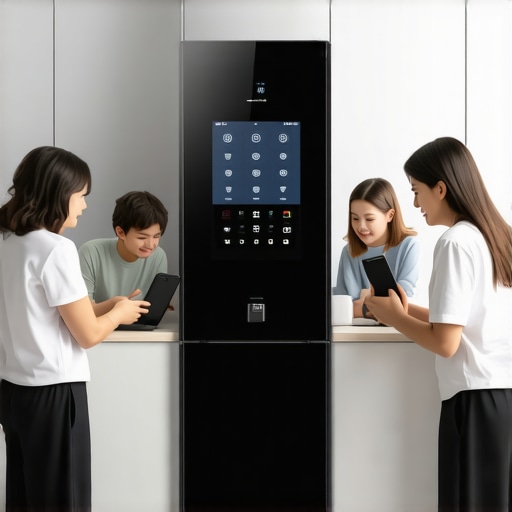
It was a typical Saturday morning when I realized my fridge was making strange noises. Not just the usual humming, but loud clicks and occasional rattles that seemed downright alarming. I opened it up, expecting to find a simple fix, but instead, I was greeted with a jumble of spoiled leftovers and a conspicuously malfunctioning digital display. That lightbulb moment made me question: am I really making the most of my kitchen appliances or just waiting for them to give up? If you’ve ever faced a fridge that refuses to stay cool or a smart appliance that keeps disconnecting, you’re not alone. The good news? Today, we’re diving into the world of smart refrigerators that can actually keep up with your tech-loving lifestyle. We’ll explore why investing in a top-tier smart fridge might be the smartest move you make this year, with features designed to simplify your life and save you money. Did you know that according to a report by Energy Star, energy-efficient refrigerators can cut your electricity bills by up to 15%? That’s a compelling reason to upgrade! So, if you’re tired of unpredictable appliance breakdowns or spending countless hours managing your groceries and meal prep manually, stick around. We’ll get you set up with the best options and practical tips to choose the right smart fridge that fits your family’s needs.
Assess Your Needs and Budget Carefully
Before diving into the setup process, identify what features are essential for your lifestyle—whether it’s advanced energy-saving modes, touchscreen controls, or integrated cameras. Sit down with your family to prioritize these features and set a realistic budget. I remember the time I wanted a fridge with a built-in tablet; I listed my must-have functionalities and, after comparing models within my price range, found an option that fit perfectly without overextending my finances.
Choose the Optimal Location in Your Kitchen
Place your smart refrigerator where it’s accessible yet away from heat sources like ovens or direct sunlight, as excessive heat can impair its sensors and energy efficiency. Think of it as giving your tech a comfortable home, much like setting the right environment for a plant to thrive. I once attempted to install a smart fridge next to the oven, which caused frequent overheating alerts—lesson learned!
Ensure a Flat, Level Surface
Level your fridge to prevent door misalignment and sensor errors. Use a spirit level to check and adjust the feet accordingly, much like balancing a camera to avoid blurry pictures. An unlevel fridge can cause issues with door seals and internal components, which I experienced firsthand when my doors wouldn’t close properly after an uneven installation.
Connect to Your Home Network Securely
Use a stable Wi-Fi connection with a strong signal—preferably a 5GHz network for faster communication. Place the router closer if needed, or consider extending your Wi-Fi range. Think of your smart fridge as a new member in your Wi-Fi family; it needs a strong, reliable connection to operate efficiently. I once upgraded my Wi-Fi to eliminate buffering issues, resulting in seamless app controls and notifications from my fridge.
Download and Configure the Manufacturer’s App
Most smart fridges come with dedicated apps. Download the correct version from your device’s app store and create an account. Follow the setup wizard, which typically guides you through connecting the fridge to your Wi-Fi, setting preferences, and enabling notifications. I recall struggling initially with the pairing process until I reset the Wi-Fi module, which resolved the issue instantly. For detailed guidance, check out our comprehensive guide to smart home appliances.
Calibrate and Test All Features
Perform a calibration of temperature sensors and self-diagnostic tests to ensure optimal operation. Adjust temperature zones for different foods, activate energy-saving modes, and test smart alerts. For instance, I calibrated my fridge’s temperature compartments and was amazed when the app notified me about door ajar status—saving energy and extending food freshness. Regular calibration helps in maintaining efficiency and avoiding future issues.
Integrate with Your Smart Home Ecosystem
Connect your fridge to platforms like Alexa or Google Assistant for voice control and automation. Follow the manufacturer’s instructions for linking accounts and enabling skills or actions. This setup turned my fridge into a vocal assistant—telling me when groceries were running low or reminding me to check the door before leaving. Ensure your privacy settings are configured properly, and review our privacy policy to understand data sharing and security.
Monitor and Maintain for Longevity
Regularly check for software updates via the app, clean the sensors and condenser coils, and keep the Wi-Fi connection strong. I schedule monthly maintenance routines, including cleaning the door seals to prevent cold air leaks, which reveals how minor upkeep prolongs appliance lifespan. Using the app’s analytics can also help identify usage patterns, optimizing energy consumption even further.
Many homeowners believe they know everything about appliances, but misconceptions run deep. A widespread myth is that modern smart appliances are foolproof. In reality, they often require careful setup and ongoing maintenance. For instance, some think that energy efficiency means sacrificing performance, but many Energy Star-rated models deliver both, provided they’re correctly installed and calibrated. This misconception can lead to underusing features or neglecting necessary updates, causing premature failures. Moreover, there’s a trap in relying solely on user reviews—what works for one household’s routine may not suit yours, especially with complex appliances like smart dishwashers or washing machines, where nuanced use significantly impacts longevity and effectiveness.
An advanced mistake to watch out for is ignoring network security when connecting your smart fridge or washer. Many overlook the importance of changing default passwords and keeping firmware updated, opening doors to potential data breaches. Experts warn that unsecured IoT devices can serve as entry points for cyberattacks, turning your home into a vulnerability rather than a sanctuary. For a deeper dive into optimizing your smart appliance ecosystem and avoiding these pitfalls, check out our comprehensive guide on smart appliance best practices.
Why do some smart appliances fail prematurely despite high-tech features?
In many cases, improper installation, lack of firmware updates, or neglecting routine maintenance accelerate wear and tear. For example, failing to clean refrigerator coils can cause the compressor to work harder, reducing its lifespan. Similarly, improperly calibrated washing machines may vibrate excessively, leading to mechanical issues. Research indicates that proactive care can extend appliance life by up to 30%, saving money in the long run. Remember, understanding the nuances of appliance performance enhances their benefits and keeps your household running smoothly. Have you ever fallen into this trap? Let me know in the comments.
Prioritize Technological Tools for Reliable Performance
Investing in quality diagnostic tools is paramount for maintaining your smart appliances. I personally rely on a calibrated digital multimeter to troubleshoot electrical components, ensuring safety and efficiency. Additionally, a Wi-Fi analyzer app helps me verify signal strength and troubleshoot connectivity issues with my smart refrigerator or washer. By regularly monitoring the network strength using tools like NetSpot, I can preempt connectivity failures, preventing unexpected device disconnections that could compromise functionality. For software updates, I prefer using manufacturer-specific apps, which often alert me immediately when updates are available, ensuring my devices run smoothly and securely.
Use Dedicated Cleaning and Calibration Products
Routine maintenance extends beyond software updates. I recommend using manufacturer-approved cleaning agents for condenser coils—like a coil cleaning spray—to improve energy efficiency and prolong appliance lifespan. A clean coil prevents the compressor from overheating, which is supported by industry documentation from appliance manufacturers. Regularly calibrating temperature sensors ensures fridge and washer operation stays within optimal parameters, reducing wear and energy waste. For example, I calibrate my refrigerator’s temperature sensors biannually to ensure food stays fresh without wasting energy.
Leverage Smart Maintenance Schedules and Alerts
Many appliances come with built-in notifications or companion apps that remind you of routine tasks. I activate maintenance alerts on my smart appliances to receive timely warnings about filter replacements or coil cleanings. Apps like the ones discussed in “Ultimate Guide to Smart Home Appliances” help me keep track of maintenance tasks and schedule them proactively. Regularly adhering to these schedules minimizes breakdowns and keeps devices operating at peak performance, saving money over time.
Plan for Future Trends and Upgrades
Looking ahead, the trend leans toward integrated AI diagnostics and predictive maintenance, which will automatically alert you to potential issues before they escalate. According to the 2025 appliance trends report, appliances will soon use machine learning to analyze usage patterns and suggest optimizations or schedule repairs autonomously. Trying out early versions of these tools now, such as upgrading firmware or subscribing to maintenance services, can prepare you for the seamless, proactive home appliance experience of the future.
Question to Keep It Working Over Time
How do I maintain my smart appliances effectively as they age? Consistent cleaning, calibration, and software updates form the foundation of longevity. Additionally, investing in quality diagnostic tools and keeping abreast of emerging trends—like predictive maintenance—will future-proof your home. Remember, tools like a calibrated multimeter and Wi-Fi analyzer are invaluable for diagnosing issues early. For detailed guidance on appliance care, our comprehensive guide offers expert insights. Don’t hesitate to try out advanced calibration techniques today; they can significantly extend your appliance lifespan and keep your home running smoothly.
The Hard Lessons That Transformed My Kitchen Routine
One of the most eye-opening lessons I learned was the importance of correct placement. Installing my smart fridge away from heat sources prevented sensor errors and improved efficiency, saving me money and hassle. I also realized that neglecting routine calibration and cleaning led to unexpected breakdowns, despite the high-tech features. Staying proactive with maintenance and updates turned my appliance into a long-term asset rather than a costly disappointment.
Tools and Resources That Made a Difference
My go-to toolkit includes a calibrated digital multimeter, which helps me troubleshoot electrical issues confidently. I rely on Wi-Fi analyzers like NetSpot to ensure my network supports seamless appliance connectivity. For expert guidance, I trust the comprehensive Ultimate Guide to Smart Home Appliances, which offers invaluable tips on maintaining and optimizing my smart appliances. Additionally, manufacturer-specific apps keep my firmware up to date, ensuring my fridge stays secure and efficient.
Embrace a Future of Smarter Living Today
Harnessing the full potential of your smart refrigerator can truly transform your kitchen experience. By applying these insights and tools, you’re not only extending your appliance’s lifespan but also elevating your home’s overall smart ecosystem. Remember, staying informed, maintaining regularly, and exploring emerging features keep you ahead in the smart home game. What’s one small change you can make today to improve your smart appliance maintenance routine? Let me know below and share your journey towards smarter living.