
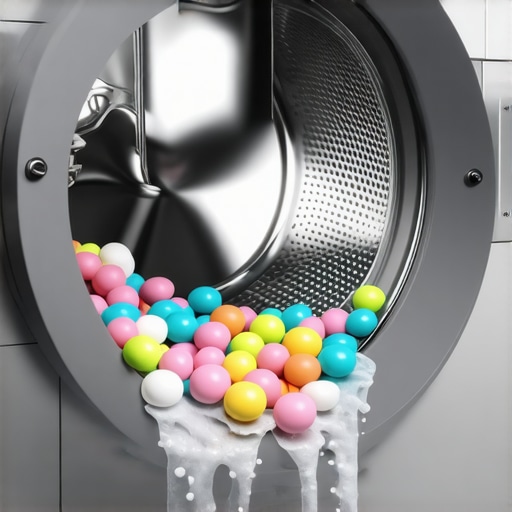
Why You Should Never Use Pods in Your Smart Washer

Why You Should Never Use Pods in Your Smart Washer

It was a morning like any other when I opened my laundry room and found my clothes drenched in soap, the floor sticky and smelly. That one lightbulb moment hit me hard—my supposed shortcut with laundry was causing chaos. I’d trusted those trendy pods to simplify my life, but instead, I was battling a flood and stains every week. If you’ve ever wondered why your smart washer isn’t performing as promised, or why laundry day feels like a disaster movie, you’re not alone. Today, I’ll share the real reasons why pods might be sabotaging your appliances and what you can do about it.

Stop the Madness: How Pods Are Making Laundry More Complicated Than Necessary

Have you noticed your smart washer acting up ever since you started using those single-use pods? It’s a common struggle. A lot of us jump on the latest home appliance trend without considering the long-term consequences. The convenience of dropping in a pod sounds perfect, but it can sometimes lead to clogged dispensers, mold buildup, or worse—the dreaded over sudsing. Early in my experience, I made the mistake of thinking pods would be a set-it-and-forget-it solution, only to find my machine complaining about residue and performance issues.

The problem isn’t just with the mess; it’s also about how pods interact with your washer’s sensors and detergent compartments. When used improperly, they can cause errors or even damage to your smart appliance. According to expert advice from [Smart Appliance Review](https://smartappliancereview.com/smart-appliances-revolution-how-to-choose-the-best-dishwasher), incorrect detergent use is a leading cause of appliance breakdown. So, what’s the alternative? Well, that’s what we’re here to explore.

Is Everything You Know About Pods Completely Wrong?

Many skeptics question whether ditching pods actually makes a difference, and who can blame them? The marketing machine makes pods look like the ultimate laundry hack. Personally, I used to believe that the perfect wash was just one pod away. But my hands-on experience and a bit of research revealed a different story. I found that relying solely on pods often leads to more problems than benefits. Before dismissing the idea, consider that some of the biggest appliance brands advise against pod use in their smart washers, especially those with complex dispensing systems. Want a cleaner, safer laundry routine? Stay tuned for simple, effective strategies to keep your machine happy and your clothes spotless.

Choose the Right Detergent For Your Machine

Begin by switching from pods to liquid or powder detergents that you measure carefully. When I first transitioned, I realized the machine responded better and I avoided clogs. Use a consistent amount to prevent suds overflow and residue buildup. Check your appliance manual for recommended detergent types to avoid damage.

Inspect and Clean Dispenser Regularly

Remove the detergent drawer once a month and scrub it with warm water to clear soap residue and mold. I once neglected this step, leading to mold that caused error codes. Ensuring the dispenser is clear helps your machine operate efficiently and avoids clogging issues.

Watch for Overflows During Wash Cycles

Pay attention to soap suds spilling over; it indicates too much detergent or incompatible product. In my experience, reducing the amount significantly cured persistent over sudsing incidents, protecting the internal sensors.

Use the Correct Detergent Amount

Measure precisely—too much soap creates foam that can damage seals, too little might not clean effectively. I learned this the hard way when excess suds caused the washer to leak water. Following manufacturer guidelines on detergent quantity helps prolong your appliance’s life.

Adjust Settings for Load Size

Always select cycle options matching your load size. Overloading or using a heavy-duty cycle unnecessarily stresses the machine and can lead to malfunction. Remember, a smaller load with appropriate settings reduces strain on your washer.

Perform Routine Maintenance

Run cleaning cycles or full descaling treatments periodically. I scheduled this monthly, which kept my washer smelling fresh and operating smoothly. Keeping internal components clean prevents buildup that can interfere with sensors and mechanisms.

Be Mindful of Pods Usage

If you switch back to pods, ensure they are compatible with your machine. Place pods in the main drum rather than the detergent compartment if instructed; misplacement leads to clogging or ineffective washing. Monitoring manufacturer advice like at Smart Appliance Review can help identify compatible products.
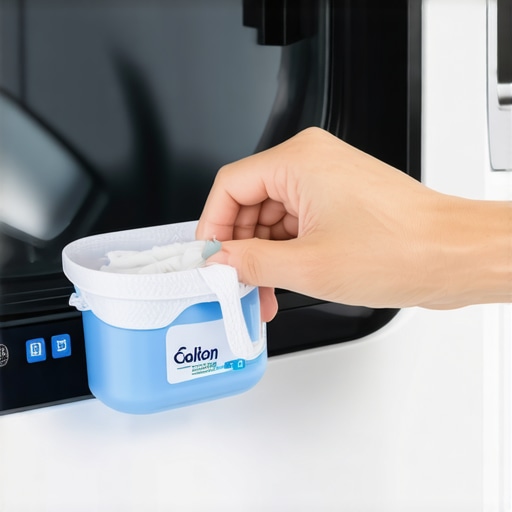
Person cleaning washing machine's detergent drawer,Many homeowners believe that upgrading to the latest smart appliances automatically leads to hassle-free living. However, this assumption overlooks crucial nuances. For instance, a widespread myth is that smart refrigerators virtually maintain themselves, but in reality, they require regular software updates and proper connection management, which many forget. Errors like neglecting firmware upgrades can cause appliances to malfunction or underperform, diminishing their supposed convenience.

Another misconception is that higher wattage always translates to better performance. Yet, appliances over 1500W, such as certain high-powered dishwashers or washing machines, might consume more energy without providing significantly better cleaning or washing results. Understanding the balance between power consumption and efficiency is key to making smarter choices, especially considering the insights from expert advice on efficient laundry appliances.

Beware the trap of believing that all smart devices will automatically connect seamlessly within your home network. Connectivity issues are common and can lead to frustration, especially if your router isn’t optimized or if multiple devices compete for bandwidth. Ensuring your Wi-Fi supports dual-band frequencies and configuring quality of service (QoS) settings can prevent these headaches.

Many think that frequently replacing filters and performing routine maintenance are optional. In truth, neglecting these simple yet vital tasks can cause build-up, reduce appliance lifespan, and impair functionality. Regular cleaning protocols, like descaling dishwashers and refrigerators, are vital for optimal performance and are often overlooked. Check out our guide on refrigerator maintenance for detailed tips.

So, what about the advanced features touted by manufacturers, such as AI integration or predictive diagnostics? Many users mistakenly assume these systems are foolproof, but they often require correct setup, compatible apps, and ongoing calibration. Misunderstanding these capabilities can lead to underutilization or disappointment.

Now, let’s dig into a question that challenges even the most savvy homeowners:

Are smart appliances truly safer for your home than traditional models, or does their connected nature introduce new risks?

It turns out that IoT-enabled appliances can expand the attack surface for cyber threats if not properly secured. Experts warn that unprotected devices might be vulnerable to hacking, which could lead to privacy breaches or even physical damage. To mitigate such risks, always change default passwords, enable network encryption, and keep firmware updated, as detailed in our privacy and security article.

Have you ever fallen into this trap? Let me know in the comments! Keeping a critical eye on these misconceptions ensures you can maximize the benefits of your advanced home appliances without falling prey to avoidable issues.

Invest in Quality Tools for Reliable Maintenance

To keep your smart appliances running smoothly over the years, I highly recommend investing in a few essential tools. A digital multimeter is invaluable for diagnosing electrical issues, allowing you to verify current flow and troubleshoot power problems accurately. I personally use the Fluke 117, appreciated for its accuracy and durability, which has saved me from unnecessary service calls. Additionally, a microfiber cleaning cloth and a soft-bristled brush are perfect for regular cleaning of sensitive components like sensors and filters, preventing buildup that can impair functionality.

Embrace Specialized Software for Monitoring and Diagnostics

Software tools like appliance-specific diagnostic apps can provide real-time insights into your devices’ performance. For example, washing machine apps often include cycle history and error reports, helping identify recurring issues early. I rely on the LG ThinQ app, which not only allows remote start but also alerts me to maintenance needs like filter replacements or alerts for unusual activity. Regularly checking these diagnostics can preempt major failures, extending your appliance’s lifespan.

Set Up Preventative Maintenance Routines

Creating a scheduled maintenance plan is crucial. Monthly tasks such as cleaning filters, inspecting seals, and running descaling cycles keep appliances like refrigerators and dishwashers operating efficiently. For instance, descaling your dishwasher with a vinegar rinse can prevent mineral buildup, which I do every three months per manufacturer advice. Keeping a maintenance log helps track what has been done and when, ensuring consistent care without overlooking critical tasks. It’s a small investment of time that pays off in appliance longevity.

Tools for Scaling and Upgrading Your Appliances

As your needs grow, upgrading or expanding your smart home setup becomes necessary. Modular extensions like smart plug adapters or additional sensors enable you to scale seamlessly. I use the TP-Link Kasa Smart Wi-Fi Plug to connect non-smart appliances, giving them remote controls and scheduling capabilities. This approach avoids costly replacements while enhancing overall connectivity. For larger upgrades, consult resources like our comprehensive guide to plan effectively before investing in new tech.

Future Trends: Why Staying Updated Matters

The evolution of home appliances continues rapidly. Features like predictive maintenance and AI-driven diagnostics will become standard, but only if you stay current with firmware updates and software integrations. Experts predict that by 2025, appliances will anticipate issues before they occur, minimizing downtime. Regularly updating your devices and employing advanced monitoring tools will ensure your home remains smart, efficient, and trouble-free. I suggest subscribing to manufacturer newsletters or trusted review sites to stay informed about new innovations, which can greatly simplify long-term upkeep.

How do I maintain my smart appliances over time?

Adopting a proactive approach by investing in quality diagnostic tools like a digital multimeter, pairing them with specialized monitoring apps, and establishing routine maintenance schedules ensures your appliances perform at their best. Don’t forget to keep your device firmware up to date—this is critical for security and optimal operation. Regular check-ins and employing the latest tools not only extend your device lifespan but also keep your smart home ecosystem running seamlessly. For more insights on appliance care, visit our comprehensive guide.

Lessons That Took Me Out of the Dark Side of Smart Home Living

  • One of the biggest eye-openers was realizing not all features are plug-and-play; some require active management, like firmware updates or proper maintenance routines, which many homes overlook.
  • Believing that cutting-edge technology automatically guarantees convenience is a trap. Even smart appliances need our attention and understanding to truly deliver on their promises.
  • Ignoring simple upkeep, such as cleaning filters or checking seals, can negate all the smart features—making me realize that technology complements effort, not replaces it.
  • Another lesson was that compatibility matters. Ensuring my devices talk smoothly helps avert frustrations and lets me enjoy the connected lifestyle I envisioned.