
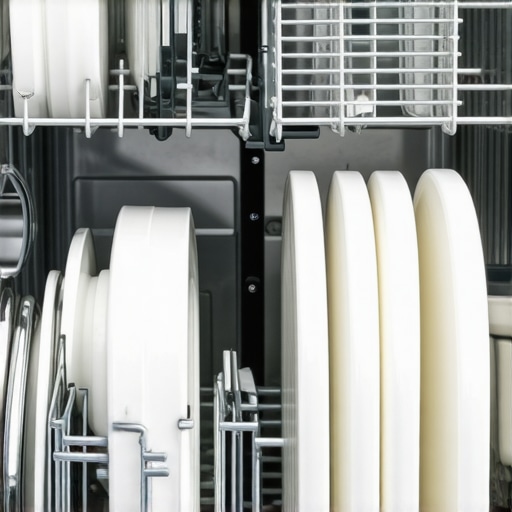
I remember the first time I loaded my dishwasher, eager to tackle the dirty dishes after a long day. Confident I knew how to do it right, I simply tossed in everything without a second thought. But when the cycle completed, I was stunned to find my glasses cloudy, plastic containers still sticky, and the silverware tarnished. That lightbulb moment made me realize—there’s a correct way to load that elusive top-rack only cycle, and I’d been doing it all wrong.
Why Proper Loading of the Top-Rack Matters More Than You Think
Properly loading your dishwasher’s top rack isn’t just about neatness; it impacts cleaning efficiency, appliance longevity, and even water and energy savings. Overloading or misloading can lead to dishes not being thoroughly cleaned, which means you’ll be rewashing, wasting water, and raising your utility bills. Plus, incorrect placement can cause damage over time—chipping glasses or bending delicate plastics—especially if you’re using advanced features like the top-rack only cycle designed to protect and optimize specific items.
According to appliance experts, the way you load your dishwasher could influence its performance more than the brand or model itself. An overlooked detail like ensuring the water spray can reach all items can make a significant difference. Did you know that a study found that optimizing dishwasher loading can reduce water use by up to 20%? That’s not just good for your dishes but also for the environment and your wallet.
Are you tired of wasting time and resources on multiple wash cycles because your dishes just won’t come out clean on the first try? My experience taught me that a little attention to how things are loaded can dramatically improve outcomes. Next, I’ll share the proven steps to load your dishwasher’s top rack efficiently—saving you money, extending the life of your appliances, and ensuring sparkling results every time. But before diving into the how-to, let’s address a common concern you might have.
Is the hype about proper loading really worth it?
Many skeptics wonder if such meticulous loading makes a real difference. Believe me, I was one of them. I used to think it was overthinking and a waste of time—until I saw my dishes improve and my appliances last longer. An early mistake I made was stacking plastic containers vertically, which blocked water spray and caused them to stay greasy. Learning from that, I discovered the secrets to an optimal load. Intrigued? Let’s explore how you can do the same.
Start with a Clean Slate
Before loading, inspect your dishwasher’s filter and spray arms; cleaning clogs ensures optimal water flow. Remove any debris or leftover food particles to prevent transferring grime onto clean dishes. Regular maintenance like this extends your appliance’s lifespan and maintains its efficiency, as discussed in our guide on cleaning appliances properly. I recall a time when neglected filters caused dishes to come out cloudy despite correct loading—after cleaning, everything improved dramatically.
Arrange Large Items Strategically
Place pots, pans, and big utensils along the sides and at the back to avoid blocking water spray. Imagine your dishwasher as a mini city; large buildings (items) need to be positioned so water can reach every alleyway. I once loaded a lasagna pan in the middle, blocking spray, resulting in greasy leftovers—since then, I position it flat on the side, and my dishes come out perfectly clean.
Optimize Dish Positioning for Coverage
Set cups and glasses upside down on the top rack, ensuring they don’t nest or overlap. Stack plastics vertically, not in stacks that block spray, and place delicate items securely to prevent chipping. Think of the spray arm as a sprinkler system—you want the water to reach all areas uniformly. I learned that stacking plastics too tightly caused residue buildup, but spreading them out eliminated water spots and streaks. For more on efficient appliance placement, see AI-powered dishwashers.
Keep Similar Items Together for Better Results
Group similar dishes—plates with plates, glasses with glasses—to streamline water flow and cleaning. Mixing glassware with heavy pans can cause breakage or prevent water from reaching every surface. I once tried to save space by stacking all utensils together, but they were not cleaned thoroughly. Separating them by type ensures each gets the attention it needs. This echoes advice in loading techniques for efficiency.
Utilize the Top Rack’s Special Features
Many modern dishwashers have adjustable heights and specialized spray zones. Elevate lighter plastics using foldable racks to prevent water pooling and ensure thorough rinsing. When I used this method with my adjustable rack, plastics dried faster and were free of water spots. Leveraging these features can prevent common issues like plastic warping or incomplete cleaning, as explained in high-end dishwasher tips.
Avoid Common Loading Mistakes
Do not block the spray arms with large items or crisscross utensils. Keep items spaced out for water access. Remember, overloading can turn your cleaner into a dirt trap. I once crammed the top rack tight, and half my glasses remained foggy. After redistributing the items with mindful spacing, my subsequent wash was flawless.
Final Check Before Running
Ensure nothing obstructs the spray paths, and all items are securely placed. Use the appropriate cycle—top-rack only when dealing with plastics and delicate glassware. With practice, these steps become second nature, transforming your dishwashing from a chore into a science experiment with satisfying results. For insights into smart appliance cycles, check best dishwasher cycles for different soil levels.While many homeowners believe they understand how their appliances function, there are crucial nuances that often go unnoticed, leading to inefficiency and premature wear. One prevalent misconception is that newer models require minimal maintenance, yet neglecting regular checks—like inspecting refrigerator seals or cleaning dishwasher filters—can drastically reduce appliance lifespan and performance. For example, studies highlight that preventive maintenance can extend the life of your appliances significantly, an insight often overlooked by consumers.
A common myth is that high-tech features automatically guarantee better performance. However, without proper usage—such as selecting the right cycle or load type—you might not realize their potential benefits. Advanced dishwashers with AI technology, for instance, analyze soil levels and optimize wash cycles, but only if used correctly. To explore such innovative solutions, visit this guide on AI-powered dishwashers.
Another hidden trap involves misinterpreting energy-saving modes. Many believe that eco settings are always the most efficient; actually, during certain loads, they might prolong cycle times or reduce cleaning efficacy, negating energy savings. Experts recommend understanding the specific features of your appliance—like refrigerator eco modes or washing machine water-saving settings—to use them wisely. For insight into optimizing energy consumption, check this resource on energy-efficient appliance use.
One advanced question many users overlook is how smart appliances communicate with other devices to optimize performance. For example, a smart refrigerator can sync with your shopping list to adjust temperature or notify you of door leaks, but these features only function correctly with proper setup and updates. Ignoring software updates or failing to connect devices properly is a common mistake that diminishes benefits. To ensure your tech works seamlessly, see tips on maintaining smart appliance connectivity.
Never forget, the devil is in the details—understanding these hidden nuances can unlock your appliances’ full potential, save money, and prolong their service life. Are you falling prey to any of these myths? Let me know in the comments, and if you need tailored advice, don’t hesitate to reach out to us. Remember, being informed makes a real difference in managing your home’s technology.
Keep Your Appliances Working Like New with the Right Tools and Routine Maintenance
Maintaining your home appliances over time is essential to ensure longevity and optimal performance. A key strategy is using specialized tools and adopting systematic routines that prevent breakdowns and costly repairs. For example, I personally rely on a flexible drain snake to clear washing machine pump traps; this simple yet effective tool has saved me from expensive service calls and extended my washer’s lifespan. Regular inspection tools like a digital thermometer for refrigerators or a multimeter for electrical checks enable me to spot issues early before they escalate. Moreover, scheduling routine maintenance—such as cleaning refrigerator coils or replacing water filters—can dramatically improve efficiency. As technology advances, incorporating smart diagnostic apps compatible with your appliances becomes increasingly vital. These apps offer real-time performance data, alerting you to potential problems before they cause failure, aligning with the future trends predicted by experts in water-efficient washer innovations. Using software to track maintenance schedules ensures nothing falls through the cracks, ultimately saving money and extending your appliances’ service life. Looking ahead, automation and AI-driven diagnostics will make appliance self-maintenance more accessible, reducing the need for manual checks. I recommend you try implementing a routine where you inspect and clean critical components like filters and spray arms every six months, equipped with proper tools. This proactive approach not only preserves performance but also ensures safety and energy efficiency. How do I maintain appliances over time? Regularly scheduled inspections, combined with the right hardware and smart monitoring, keep appliances in top shape for years to come. For personalized advice or to select the best maintenance tools tailored to your appliances, visit our contact page—our experts are here to help.
Throughout this journey of mastering home appliances, I’ve realized that the true secret lies in paying close attention to seemingly small details. One lightbulb moment for me was discovering how proper loading techniques not only improve cleaning results but also extend the lifespan of my appliances. Implementing methods like regularly inspecting filters and understanding advanced features taught me that automation and smart technology can be powerful allies when used thoughtfully.
Lessons Only Insiders Take to Heart
- Small Changes Make Big Differences: Adjusting the way I loaded my dishwasher cut down on energy use and prevented damage—something I would have overlooked without experience.
- Maintenance Is a Mental Shift: Embracing routine checks, like cleaning refrigerator coils or inspecting door seals, has saved me from costly repairs and constant frustrations.
- Technology Doesn’t Replace Knowledge: Deeply understanding how smart appliances communicate and their ideal settings has made my daily routines efficient and hassle-free.
- Myth Busting Transforms Expectations: Realizing that eco modes are context-dependent shaped my energy savings strategy, proving that not everything marketed as ‘green’ guarantees savings without proper usage.
- Personalized Approaches Win: Tailoring maintenance routines and load techniques based on my specific appliances and household needs made all the difference in performance and satisfaction.
Curated Tools to Elevate Your Appliance Game
- Smart Home Appliances Guide: Packed with insights on integrating smart tech effectively, it’s my go-to for making appliances smarter and tasks easier.
- Refrigerator Maintenance Tips: Regularly cleaning ice makers and coils keeps my fridge efficient and prevents odors.
- AI-Powered Dishwashers: Understanding their features helps me maximize cleaning while saving water and energy.
- Water-Efficient Washing Machines: Emphasizing water savings and eco-friendliness, they align with my commitment to sustainability.
Your Next Move in Appliance Mastery Starts Today
By sharing my insights, I hope to inspire you to look closer at your appliances and embrace the small steps that lead to big improvements. Whether it’s adjusting load placement, scheduling regular maintenance, or exploring smart features, taking deliberate action now can transform your home experience. The future of home appliances is exciting—full of innovations that empower us to do more with less effort. So why not start today? Your appliances—and your wallet—will thank you.
What’s one appliance habit you’ve improved recently? Share your story below—I’d love to hear how small tweaks made a big difference for you!
,