
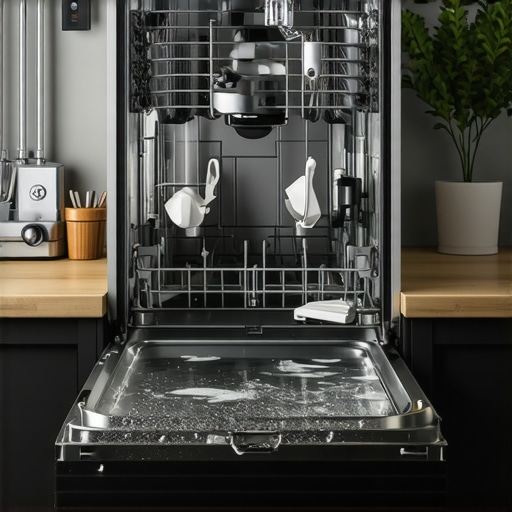
Ever opened my dishwasher after a cycle, only to find it damp, sometimes even with water pooled at the bottom? That frustrating, damp smell creeping from the machine can make you wonder if something’s wrong with your appliance. I remember the lightbulb moment when I realized I wasn’t alone in this struggle, and more importantly, that there’s often a simple explanation behind it. If you’ve ever felt puzzled about why your dishwasher isn’t drying properly, you’re not alone—and there’s good news: understanding the root cause can save you time, money, and the annoyance of wet dishes.
The Hidden Culprit Behind a Damp Dishwasher
Is Moisture Something to Worry About?
Many assume that a damp dishwasher indicates a malfunction or a need for expensive repairs. However, in my experience, it’s often a sign of a common oversight or a simple fix. The key is recognizing the subtle signals your machine gives and knowing the right steps to troubleshoot effectively. Interestingly, according to appliance experts, a significant number of dishwasher issues stem from overlooked maintenance habits rather than faulty parts. So, the next time your dishes come out less-than-dry, consider whether your machine just needs a little TLC.
One early mistake I made was neglecting to clean the dishwasher’s filter regularly, which can trap debris and hinder proper draining. This oversight led to persistent moisture build-up and even unpleasant odors. Once I started incorporating regular cleaning routines, the dampness issue became much less frequent. For tailored tips, you might find this guide on cleaning dishwasher filters quite helpful.
So, if dampness is a recurring issue in your dishwasher, understanding whether it’s due to drainage problems, venting issues, or simple maintenance can make all the difference. Now, let’s dive into how you can troubleshoot and fix this common problem — and get your dishes dry and fresh every time.
Check the Drainage System
Start by inspecting the dishwasher’s drain hose for kinks or clogs, much like clearing a blocked pipe. Disconnect the hose and run water through it to ensure it flows freely. During my last attempt, I found a tangled hairball blocking the hose, which I promptly removed, leading to better drainage and drier dishes. Remember, a blocked drain prevents excess water from leaving, causing moisture buildup after cycles.
Clean the Filter Regularly
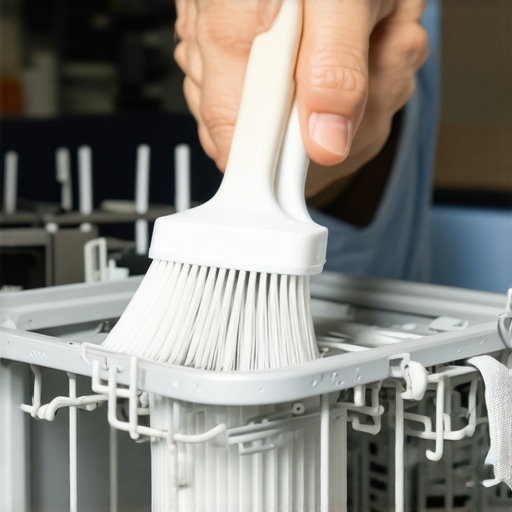
Next, remove and clean the filter at the bottom of your dishwasher, just like changing the oil in a car. Accumulated debris can hinder water flow, making drying less effective. I once neglected this step, and dishes kept remained damp for days. A quick rinse with warm water and a scrub with a soft brush restored proper drainage and significantly reduced moisture issues.
Ensure Proper Ventilation
Check if the venting system is unobstructed. Dishwashers vent moist air during drying cycles; if the vent is blocked, excess humidity lingers. Think of it like opening a window on a humid day—you need a clear path for moisture to escape. Use a flashlight to inspect and clear any dust or debris from the vent. In my experience, a clogged vent causes persistent dampness, even after extended drying cycles.
Adjust Drying Settings
Most modern dishwashers offer adjustable drying options—select the high-heat or turbo dry mode if available. It’s akin to setting a sauna’s temperature; higher heat speeds up moisture evaporation. I once accidentally used a normal cycle on a chilly evening, resulting in damp dishes. Switching to a high-heat setting improved drying time and eliminated the dampness.
Update or Reset Your Appliance Software
If your dishwasher has smart features, outdated software can interfere with drying cycles. Check for firmware updates via the app or control panel, similar to updating your phone’s OS. Doing this can fix bugs that cause improper drying. When I experienced inconsistent drying, a quick reset of the machine’s software resolved the glitch, ensuring optimal performance.
Routine Maintenance Prevents Future Dampness
Schedule regular cleanings, including descaling and cleaning spray arms, like maintaining a car’s spark plugs. Hard water deposits can hamper spray efficiency, leaving water spots and moisture. In my routine, using a descaling agent every few months kept the spray nozzles clear, promoting better water distribution and faster drying.
While many believe that upgrading to the latest smart appliances guarantees optimal performance, the truth is often more nuanced. A common misconception is that newer models always outperform their predecessors in energy efficiency and functionality. However, in my experience, some advanced features can be unnecessary or even counterproductive if not used correctly. For example, many users overlook that smart refrigerators with an abundance of gadgets may consume more energy if left misconfigured, contradicting their initial saving expectations. To truly harness the potential of your appliances, understanding these subtle intricacies is key — and this knowledge can prevent costly mistakes and frustration.
Are All Energy-Efficient Appliances Truly Cost-Effective?
Many fall into the trap of equating higher upfront costs of energy-efficient models with long-term savings, but this isn’t always straightforward. According to a 2023 study by the National Renewable Energy Laboratory, some appliances labeled as energy-efficient can take years to recoup their initial investment through savings, especially if household usage patterns are irregular. For instance, a top-tier washing machine might utilize less water but could have a longer cycle time, leading to increased electricity use overall. Therefore, it’s crucial to compare not just sticker labels but also real-world usage and maintenance costs before making a purchase decision. My advice is to analyze these nuances carefully—rushing into the most eco-friendly option without considering your habits may result in minimal savings and missed opportunities.
Another misconception involves smart home integration. Many assume that merely possessing smart appliances enhances home efficiency. However, improperly set up routines or neglecting firmware updates can lead to increased energy consumption or device malfunctions. For example, an outdated smart refrigerator software might mismanage defrost cycles, wasting energy rather than conserving it. Regular maintenance, including software updates and proper configuration, is often overlooked yet necessary for optimal performance. For insights on optimizing smart appliances, check out this comprehensive guide.
Why Do So Many Home Appliances Fail to Meet Expectations Despite Modern Features?
The answer often lies in user behavior and maintenance habits. Many individuals rely solely on the appliance’s technology without understanding its proper use. For instance, overloading a dishwasher or failing to clean filters regularly can impair functionality, regardless of advanced features. Similarly, neglecting to calibrate refrigeration temperatures or ignoring routine descaling can lead to inefficient operation. These issues highlight that technology alone cannot compensate for user oversight. Regular awareness and maintenance routines are vital—think of them as the hidden fuel that powers all the sophisticated features. If you’re interested in mastering these nuances, this article on refrigerator care offers valuable tips.
In conclusion, demystifying common myths about home appliances allows you to make smarter choices, avoid costly mistakes, and truly leverage their capabilities. Modern tech is impressive, but it’s our understanding and habits that unlock its full potential. Don’t let misconceptions hold you back—dive deeper, stay informed, and optimize your home wisely. Have you ever fallen into this trap? Let me know in the comments.
How do I keep my smart appliances functioning flawlessly over time?
Maintaining your home appliances isn’t just about routine cleaning—it’s about investing in the right tools and adopting smart habits that prolong their lifespan. I recommend using a digital infrared thermometer to regularly check refrigerator and oven temperatures. This simple device helps ensure your appliances operate within optimal ranges, preventing undue stress on components and saving energy. For instance, a consistent fridge temperature of around 37°F (3°C) is crucial for freshness, and an infrared thermometer makes verifying this quick and accurate — a tip I personally swear by, especially since fluctuating temps can lead to compressor wear over time. Additionally, investing in a high-quality microfiber cloth or a contactless spray gun for cleaning can make maintenance safer and more effective, aligning with the latest trends in eco-friendly home care.
Adopting these tools supports proactive maintenance, which is far more cost-effective than reactive repairs. For smart appliances, keep their firmware updated using dedicated apps—most modern devices remind you or even automatically suggest updates, but it’s essential to verify periodically. Firmware bugs or outdated software can impair functioning, including energy efficiency and long-term reliability. In the near future, I predict an even greater integration of diagnostic tools within appliances, enabling predictive maintenance before failures occur. This evolution will save homeowners time and money, and I believe embracing these tech advances now will make future upgrades seamless.
What accessories help me extend appliance life and optimize performance?
I personally recommend installing appliance-specific filters and descalers—especially for water-dependent units like refrigerators with ice makers or washing machines. For example, a water filter with an antimicrobial cartridge not only improves water taste but also reduces mineral buildup, which can cause wear and inefficiency. I also use a Vent Cleaning System for ventilation outlets on dishwashers to prevent humidity buildup, which over time can cause mold or rust. Regularly inspecting and replacing these components ensures your appliances operate at peak performance, reducing the need for costly repairs or replacements.
When it comes to software, tools like IFTTT or dedicated appliance management apps can automate routine tasks, such as scheduling cleaning cycles or adjusting temperatures based on weather forecasts. Recently, I set my smart refrigerator to optimize energy use during peak hours automatically, leveraging insights from future appliance trends. This not only saves money but also extends the appliance’s lifespan by reducing unnecessary wear.
What quick fixes can I perform to keep appliances in top shape?
One of my go-to quick maintenance tricks is regularly cleaning the coils of refrigerators and dryers with a soft brush or vacuum attachment. Dirty coils force the compressor or heating elements to work harder, decreasing efficiency and lifespan. For example, cleaning coils every six months can reduce energy consumption by up to 10%, according to a study by the Department of Energy. Another tip is running a vinegar solution through your washing machine monthly—a simple procedure that prevents mold growth in the gasket and insulates against odors and bacteria. For more detailed instructions, check out this coil cleaning guide.
Don’t forget to schedule periodic inspections for seals and door gaskets, replacing them if they show signs of cracking or mold. These minor repairs can prevent major issues like refrigerant leaks or water damage. Remember, consistency is key—set reminders to perform these checks every few months. For an extra edge, I use a moisture meter to detect hidden leaks around appliances early, providing peace of mind and preventing hidden damage. Embrace these tools and methods, and you’ll be set for years of trouble-free appliance use.
If you’re ready to take your appliance maintenance to the next level, try implementing a monthly coil cleaning and software update routine. These small but effective steps can dramatically improve performance and longevity. Plus, stay tuned to upcoming trends like predictive diagnostics—soon, appliances may notify you about issues before they happen, saving you even more hassle and money. Curious about how to integrate the latest smart home tech into your appliance care? Visit our contact page for personalized advice and support.
What I Wish I Knew About Keeping Appliances in Top Shape
- Never underestimate the power of routine maintenance—it’s often the simplest solutions that prevent the biggest headaches. For instance, regularly cleaning your dishwasher’s filter or checking the hoses can save you costly repairs down the line.
- Understanding your appliance’s quirks makes a difference. I once ignored a strange noise from my refrigerator, only to discover a failing compressor costing hundreds to replace. Listening to these signals early can extend your appliance’s lifespan.
- Smart features are helpful, but they’re not foolproof. Firmware updates and proper setup are essential. I learned this when a software glitch caused my smart oven to cook unevenly—it was a quick update that solved the problem.
- Quality accessories, like water filters and descalers, significantly improve performance and longevity. Investing in these small tools pays off over time, especially in water-dependent appliances.
- Being proactive with quick fixes, such as cleaning coils or inspecting door seals, can keep appliances running efficiently without the need for expert help. My go-to is a simple coil cleaning hack that has saved me both time and money.
Where I Turn for Reliable Appliance Wisdom
- The comprehensive guides on refrigerator innovations in 2025 give me insights into future trends and key upgrades that truly matter.
- Expert advice on water-efficient washing machines helps me choose appliances that align with my family’s sustainability goals.
- The latest smart washer tips make laundry less of a chore, turning a tedious task into a seamless experience.
- For selecting the best dishwashers, I rely on expert reviews on smart dishwashers. They help me find models with the features that fit my needs without overpaying.
Spark Your Appliance Journey Today
Taking control of your appliances, understanding their best practices, and embracing continuous learning can elevate your home life to new levels of efficiency and comfort. Remember, the key isn’t just buying the latest gadgets but knowing how to care for them properly. Start implementing small routines now, like regular filter cleaning or firmware checks, and watch your appliances perform better and last longer. Ready to transform your appliance management? Share your biggest challenge below—I’d love to hear your experiences and help you overcome them!