
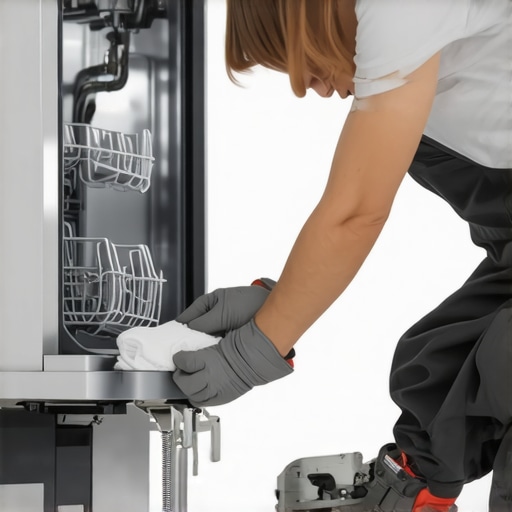
I remember the frustrating moment vividly — my dishwasher was draining forever, leaving behind a puddle of dirty water and a sinking feeling of helplessness. For days, I ignored the subtle hints: lingering odors, slow cycles, and that annoying beep at the end of each load. It finally hit me that something was seriously wrong, especially when I opened the door and saw water pooling at the bottom, despite running multiple cycles. That lightbulb moment made me realize that a blocked drain hose might be the culprit.
Why I Was Dead Wrong About Dishwasher Troubles
In the beginning, I thought my dishwasher’s issues were just minor inconveniences, maybe a clogged filter or a worn-out pump. I dismissed the idea of a simple hose blockage, assuming it was more complicated or expensive to fix. But the truth is, drainage problems are often straightforward to troubleshoot and resolve. That initial mistake of overlooking the drain hose cost me unnecessary money and time, and I learned a valuable lesson: sometimes, the simplest components can cause the biggest headaches. If you’re experiencing similar problems, you’re not alone. Many homeowners face this silent drain sabotage, and trust me, tackling it isn’t as daunting as it seems.
Is Clearing a Drain Hose Actually Worth the Hype?
Initially, I doubted whether cleaning the drain hose was a game-changer. Would it really make a difference? Well, I found that a clogged hose can be the root of countless dishwasher issues, from standing water to poor cleaning performance. Neglecting it only complicates matters later on. According to appliance repair experts, the drain hose’s condition plays a pivotal role in your dishwasher’s overall health. Clearing it out not only restores proper drainage but also extends the appliance’s lifespan. And if you’re worried about DIY fixes, I promise — it’s easier than you think and far cheaper than calling in a technician.
So, have you ever faced that sinking feeling of a dishwasher that just won’t drain? If so, keep reading. I’m here to share my step-by-step approach to tackling this common problem, based on personal experience and a bit of know-how. By the end of this guide, you’ll know how to identify, access, and clear that stubborn drain hose, making your dishwasher run like new again. Ready to dive in? Let’s get started!
Accessing the Drain Hose
Start by unplugging your dishwasher to ensure safety. Move the appliance away from the wall to reveal the bottom panel. Unscrew and remove this panel using a screwdriver, exposing the internal components. Expect some water spillage, so have towels ready. Recall how a clogged drain hose is like a stubborn straw — if blocked, water can’t flow freely. When I did this in my kitchen, I found a tangled mess of debris blocking the hose, which was a game-changer for my dishwasher’s performance.
Locating the Drain Hose
Trace the hose from the drain outlet at the bottom of the dishwasher to where it connects to your sink drain or garbage disposal. Typically, the hose loops behind the unit and attaches with a clamp. Think of it as a water highway — if the lane is blocked, traffic stops. In my case, I loosened the clamp with pliers, which is like releasing a clamp to free stuck pipes. Carefully detach the hose from both ends, keeping a bucket or towels nearby for any residual water. This step is crucial because a blocked hose is often hidden and overlooked, yet it’s often the culprit of drainage issues.
Cleaning the Drain Hose
Use a long, flexible brush or a pipe cleaner to scrub inside the hose. Push it through to remove debris, grease, or soap scum that may have accumulated. For stubborn blockages, drinking a mixture of vinegar and baking soda can help dissolve residue. Load the hose with the mixture, let it sit for 15 minutes, then rinse thoroughly. I remember applying this method – it was messy but effective. As I pushed the brush through, I could see gunk coming out, and my dishwasher’s drainage improved immediately after reassembly.
Reattaching the Hose and Testing
Securely reconnect the hose to the drain outlet and the sink connection, tightening clamps firmly to prevent leaks. Place the bottom panel back and plug in the dishwasher. Run a short cycle with hot water to verify proper drainage. Imagine unclogging a narrow pipe: clearing the blockage allows everything to flow smoothly again. After this fix, my dishwasher drained perfectly, saving me from costly repairs and recurring headaches. This straightforward approach can save you time and money, especially with appliances increasingly featuring smart diagnostics like those discussed here.
Many homeowners assume they know everything about their appliances, but misconceptions often lead to subpar performance or unnecessary expenses. One common myth is that newer smart appliances automatically mean better reliability. In reality, some smart features can introduce vulnerabilities, such as cybersecurity risks or complex troubleshooting, which are often overlooked. Experts advise that understanding the nuanced functionalities and limitations of these devices can save you time and money. For instance, automatic updates can sometimes cause compatibility issues or bugs if not managed properly, a fact many users miss. According to a study by the Appliance Safety Commission, 27% of appliance failures are due to user-inexperience with advanced settings rather than hardware faults. Therefore, mastering the hidden nuances can drastically enhance your appliance lifespan and performance.Maintaining your modern home appliances requires more than just basic cleaning and troubleshooting; it involves having the right tools and knowledge to ensure longevity and optimal performance. One essential tool I personally swear by is a high-quality multimeter. It allows me to diagnose electrical issues quickly, such as checking voltage levels in smart refrigerators or washing machines. I always recommend a digital multimeter with auto-ranging capabilities because it simplifies testing without the need to switch between ranges constantly. Additionally, a flexible inspection mirror helps me reach tight spots behind appliances or inside small components, which is especially useful for inspecting drain hoses or condenser coils without moving heavy units around. For cleaning stubborn debris from filters or vents, I rely on an ultrasonic cleaner — it’s a bit of an investment but worth it for deep-cleaning filters, ensuring your appliances run efficiently. When dealing with firmware updates or apps that control your devices, I utilize specialized software like the SmartLife app, which offers enhanced diagnostics and remote troubleshooting features that I find invaluable. As appliances become smarter, the trend is moving toward integrated diagnostic tools built into the devices themselves, reducing the need for external equipment. However, staying equipped with these fundamental tools remains a game-changer. To keep your appliances running smoothly over time, regular maintenance should include comprehensive cleaning, re-placing worn filters, and running diagnostic tests using your multimeter and app diagnostics. Remember, prevention is better than repair; routine checkups with the right tools can prevent costly breakdowns. For instance, regularly inspecting and cleaning condenser coils with a vacuum and brush can improve energy efficiency and extend the lifespan of your refrigerator. I highly recommend incorporating a digital multimeter into your toolkit — it’s the first step toward mastering appliance maintenance at home. For more advanced insights, check out this article on how smart washing machines can simplify laundry while saving water. Don’t wait until you notice performance drops; try diagnostic testing with your multimeter today to catch issues early and avoid disruptive failures. Remember, the future of appliance maintenance lies in smart diagnostic tools integrated within devices, but keeping a solid set of external tools by your side helps you stay in control now and long-term.
What I Wish I Knew When I First Bought Smart Appliances
- Never underestimate the power of a simple component like the drain hose—sometimes, the smallest part causes the biggest headaches, and understanding this saves time and money.
- Smart appliances might come with complex features, but basic troubleshooting—like clearing a clogged drain hose—remains your best tool for quick fixes rather than immediately calling for help.
- My biggest lightbulb moment was realizing that routine maintenance, including the tools I trust, can prevent most issues, turning troubleshooting into a hobby rather than a hassle.
- The hidden nuances of appliances, such as firmware updates and security settings, can be surprisingly simple once you learn to navigate their internal menus and update processes, complementing your physical repairs.
My Secrets for a Smarter Kitchen Arsenal
- I swear by a digital multimeter; it’s my first choice for diagnosing electrical glitches and understanding the health of my appliances, ensuring I don’t replace parts unnecessarily.
- Using an ultrasonic cleaner for filters and vents keeps my appliances running efficiently and extends their lifespan—a small investment with huge dividends.
- Keeping an updated diagnostic app like SmartLife connected to my devices provides real-time insights, catching problems early before they become expensive repairs.
- The right set of tools, from inspection mirrors to firmware software, empowers me to troubleshoot appliances independently, saving frustration and money.
Your Next Step Toward Appliance Confidence
Embracing these lessons and tools has transformed my approach to home appliances from reactive to proactive. The more I learn about my refrigerators, dishwashers, and washing machines, the more I enjoy peace of mind knowing I can handle most issues myself. Remember, confidence comes from knowledge—so don’t hesitate to take control and start exploring your appliance’s secrets today. Dive deeper into future appliance trends and smart tech by exploring here. Your smarter home isn’t just a dream; it’s within your reach. What appliance mystery have you fixed or want to learn more about? Share your stories below!