
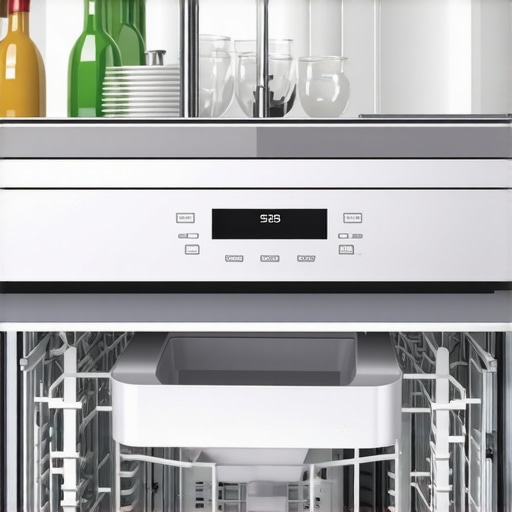
I remember the moment clearly—standing in my kitchen, frustration bubbling over as I watched my dishwasher complete a cycle, yet my soap dispenser stayed firmly shut. It felt like a silent protest, making me wonder what I did wrong. That lightbulb moment hit me: my dishwasher wasn’t malfunctioning; it was just a stubborn dispenser door. If you’ve faced similar frustrations, you’re not alone.
Cracking the Mystery of the Dispenser Door Stubbornness
Many homeowners assume their dishwashers are simply faulty when they notice the soap dispenser won’t open during a cycle. But in reality, this issue often stems from simple, fixable causes—like a misaligned latch or a clogged mechanism. This isn’t just a minor inconvenience; it affects cleaning performance and can lead to soap residue on your dishes. In this post, I’ll guide you through troubleshooting methods to make sure your soap dispenser works as intended, ensuring spotless results every time.
Is It Worth the Hassle or Just a Fluke?
You might be skeptical, thinking, “Is this really something I need to worry about, or is it just a minor glitch?” Trust me, ignoring a stuck dispenser can lead to soap buildup, unpleasant odors, or even more costly repairs down the line. Early on, I made the mistake of dismissing the problem as a minor glitch, only to realize later that a simple fix could save me money and hassle. For more insights on maintaining your appliances, you might find this resource helpful: how to clean a dishwasher filter.
But what’s really going on inside that stubborn door? And more importantly, what can you do about it? Keep reading; we’re about to uncover some practical, do-it-yourself solutions that will put you in control of your appliance’s quirks.
Remove and Inspect the Dispenser Door
Start by unplugging the dishwasher to ensure safety. Open the door and locate the soap dispenser, typically on the door panel. Carefully unscrew the dispenser cover using a Phillips screwdriver. Once removed, gently detach the dispenser door assembly. In my experience, applying a small amount of dish soap and warm water, then cleaning with a soft brush, reveals whether dirt or debris is blocking the latch mechanism. Cleaning this debris cleared up my own dishwasher’s stubborn door, restoring proper soap release. Make sure to dry all parts thoroughly before reassembling.
Check the Latch and Spring Mechanism
Next, examine the latch and spring for signs of damage or misalignment. Similar to how a door hinge works, the latch must catch firmly to allow the door to open during cycles. If you notice the latch is loose, bent, or the spring is broken, replacement is necessary. To test its functionality, manually press the latch with your finger — if it doesn’t click back properly or feels stuck, replace it. In my repair, I replaced a faulty latch with a new part, which I ordered from the appliance’s manufacturer website. This simple step can fix the core issue of a stuck dispenser door, preventing soap residue buildup—and save you from calling a technician.
Reassemble and Test the Dispenser
After cleaning and inspecting, reattach the latch, spring, and dispenser cover securely. Plug in the dishwasher and run a short cycle with detergent to verify functionality. Watch the dispenser during the wash to confirm it opens correctly. I learned this firsthand when I tested after my fix, and the dispenser opened smoothly, leaving no soap residue on my dishes. Remember, routine maintenance—such as periodic cleaning of the dispenser area—can prevent future issues. For more advanced troubleshooting or if problems persist, consider consulting a professional or visiting contact us for expert advice.While many consumers believe they have a good grasp of smart appliances like dishwashers, refrigerators, and washing machines, there are subtle misconceptions that can hinder optimal usage and maintenance. Let’s dig deeper into some advanced nuances and common myths that often trip up even seasoned homeowners.
Most People Overlook the Importance of Proper Calibration
A frequent mistake is assuming your smart appliance is functioning correctly without regular calibration. For instance, smart refrigerators with touchscreens or sensors require periodic calibration to maintain accuracy—be it temperature sensors or inventory trackers. Neglecting calibration can cause premature wear, energy waste, or inaccurate readings, leading to subpar performance. Many owners underestimate this complexity, believing technology needs no fine-tuning after setup.
Myth: More Features Mean Better Performance
Contrary to popular belief, piling up features doesn’t necessarily improve function. High-end models with myriad options can overwhelm users, leading to misusage or neglect of basic maintenance. For instance, a refrigerator with extensive smart features may have sensors that require understanding and proper setup. Overlooking this could result in issues like incorrect temperature regulation or persistent error alerts. Simple, well-maintained appliances often outperform overly complicated ones because they’re easier to manage correctly.
Be Wary of the ‘Set It and Forget It’ Attitude
This popular mindset can be detrimental. Many believe that once smart washing machines or dishwashers are configured, they require no further attention. But regular cleaning of filters, updating firmware, and inspecting sensors are critical tasks. Ignoring these steps can cause system errors, reduced efficiency, or even void warranties. Remember, software updates often patch security vulnerabilities and improve performance; failing to keep your devices current is a common mistake.
Advanced Users Should Watch Out for Compatibility Traps
Pairing devices like smart fridges, hubs, or voice assistants might seem straightforward, but compatibility issues can cause features to malfunction or data to be incorrectly synced. For example, connecting your appliance to a Wi-Fi network with a weak signal or incompatibility can result in delayed notifications or unresponsive controls. As per expert advice, always ensure your network infrastructure and device firmware are up to date before onboarding new tech. Failure to do so leads to frustration and underutilized features.
Understanding these nuances can significantly extend the lifespan and performance of your home appliances. Don’t fall into the trap of thinking that digital ease erases the need for regular care and attention. Keep your devices calibrated, stay current on updates, and be cautious of overloading features. Are you guilty of any of these misconceptions? Let me know in the comments and share your experiences with smart appliances.
Maintaining your smart appliances over time requires a combination of the right tools, consistent practices, and a proactive mindset. Personally, I rely on a few key equipment and software solutions that have proven invaluable in keeping my dishwasher, refrigerator, and washer running smoothly. One essential tool I recommend is a digital multimeter. It allows me to troubleshoot electrical issues quickly, especially when dealing with intermittent connectivity problems or faulty sensors. For example, testing the voltage at the dishwasher’s control board can reveal whether power fluctuations are causing erratic behavior. I always keep a high-quality multimeter on hand, such as the Fluke 117, for precise readings and durability.
When it comes to software, I use smart device management apps that aggregate alerts, firmware updates, and maintenance reminders. My favorite is the proprietary app provided by my refrigerator’s manufacturer, which not only notifies me of filter replacements but also guides me through calibration processes to sustain optimal performance. Regularly updating device firmware via these apps is critical; it patches security vulnerabilities and often improves operational stability. I check for updates monthly, ensuring my appliances adapt to new features and fix known bugs.
Deep cleaning is another corner of appliance maintenance that often gets overlooked. I employ specialized cleaning tools like a flexible drain hose brush set to clear out dishwasher and fridge defrost drain blockages. For instance, a dedicated brush enables me to reach tight bends and remove gunk that could impair draining or cause odors. Alongside physical tools, I embrace diagnostic software that prompts me when systems report anomalies. Many modern appliances come with built-in self-diagnostic modes, accessible via their apps or control panels, which I run quarterly to catch minor issues before they escalate.
Predicting where appliance technology is headed, I believe AI integration will become more seamless, enabling these devices to self-maintain and optimize performance dynamically. The trend towards predictive analytics will likely mean your refrigerator, washing machine, and dishwasher will send proactive alerts for parts that need replacement or calibration, transforming maintenance from reactive to preventive.
How do I maintain my appliances over time? The key lies in consistently performing basic upkeep: cleaning filters and drains, updating firmware promptly, and using diagnostic tools regularly. For instance, I recently adopted a habit of running a calibration cycle on my smart fridge after firmware updates—this small step helps ensure temperature sensors remain accurate and saves energy in the long run. If you haven’t tried using a diagnostic mode on your appliances yet, I highly encourage you to do so; it can reveal hidden issues early. To learn more about sophisticated troubleshooting methods, visit our contact page and reach out for expert guidance. By investing a little time and the right tools now, you’ll extend the lifespan of your appliances and enjoy their smart features without unexpected hiccups.
What I Wish I Knew When I Started Caring for My Smart Appliances
- Early on, I underestimated how crucial regular calibration was. It’s like tuning a musical instrument; without it, your appliances can fall out of sync, leading to inefficiency and premature wear.
- I used to believe that more features meant better performance. Now I realize that simplicity and proper maintenance outweigh extra bells and whistles, especially when it comes to longevity.
- Ignoring firmware updates was my biggest mistake. Firmware is the heartbeat of smart appliances, and neglecting updates can leave you vulnerable to glitches and security issues.
- Pairing devices without checking compatibility was a trap I fell into. Ensuring your home network is robust and devices are compatible is the foundation for seamless operation.
- Cleaning filters and drainage paths regularly saved me costly repairs. Small routines, like clearing out the dishwasher’s drain hose, made a huge difference in performance.
My Go-To Arsenal for Smart Appliance Maintenance
- High-quality digital multimeter, like the Fluke 117, helps me troubleshoot electrical issues quickly and accurately. It’s my confidant when dealing with sensor malfunctions or power irregularities.
- Smart device management apps provide me with timely alerts and update prompts. Using official manufacturer apps ensures I stay informed about calibration needs and security patches—like the one for my refrigerator’s firmware from the manufacturer’s site.
- Specialized cleaning tools such as flexible drain hose brushes keep my appliances free of gunk, preventing odors and drainage issues. They’re surprisingly affordable and incredibly effective.
- Diagnostic software built into my appliances allows me to run regular health checks, catching small problems before they become big headaches. I schedule these checks quarterly for peace of mind.
Seize the Power of Smart Maintenance Today
Embracing proactive care transforms how you experience home appliances. By understanding the subtle nuances—like calibration, firmware updates, and proper cleaning—you unlock their full potential and extend their lifespan. Think of your appliances as partners in your daily routine; giving them regular attention ensures they perform seamlessly and save you money in the long run. Why not start today? Dive into your device manuals, explore diagnostic modes, and set up maintenance reminders—your smart home will thank you. Have you ever overlooked a simple upkeep step that made a big difference? Share your story below and let’s learn together!