
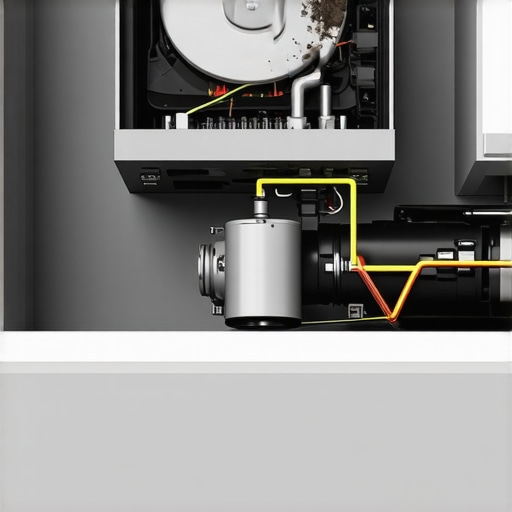
It was midnight when I finally realized my refrigerator wasn’t humming like it used to. Instead, there was a faint, unsettling buzz that I just couldn’t ignore. Turns out, that strange sound was my fridge’s fan struggling—and if I hadn’t caught it early, I could’ve faced a much bigger problem. Recognizing these little warning signs can save you a costly repair and keep your food fresh.
Why Ignoring a Failing Refrigerator Fan Could Cost You Dearly
Every appliance has its quirks, but some signals demand immediate attention. When my fridge’s fan motor started whining more than usual, I brushed it off as normal noise. But as days went by, things got worse—uneven cooling, condensation, and that persistent loud humming. It hit me: If I’d known what to listen for, I might’ve caught the issue sooner. That’s why I want to share my journey—from clueless to confident—in detecting refrigerator fan problems.
Did you know that according to industry experts, a malfunctioning fan motor can increase energy consumption by up to 15%? (Learn more about smart appliance efficiencies [here](https://smartappliancereview.com/ultimate-guide-to-smart-home-appliances-for-a-modern-living)). Early detection not only prevents food spoilage but also saves money and energy.
In this post, I’ll guide you through the key signs that indicate your fridge’s fan is failing—and how to troubleshoot before calling in a repair technician. It’s simpler than you think, and with a little knowledge, you can save yourself a headache in the long run.
Is this problem really worth fixing? Here’s what I overlooked early on
When I first noticed the unusual noises, I thought it was just normal wear and tear. My mistake? Assuming every sound was harmless. Jumping to conclusions without proper diagnosis can lead to unnecessary expenses. Early on, I made the mistake of ignoring the subtle changes—like uneven cooling—that might seem insignificant but are key indicators of fan issues.
Now, I make it a point to listen closely, check for frost buildup, and feel for warm spots. Recognizing these signs at the right time can extend your refrigerator’s lifespan and keep your groceries safe. Ready to learn how to spot these warning signs yourself? Let’s dive into the steps I wish I knew from the start—because catching a failing fan early is easier than you think, especially if you follow my tips for troubleshooting your smart appliances [here](https://smartappliancereview.com/choosing-the-right-refrigerator-tips-from-industry-experts).”} }# {
Check the Power and Settings First
Start by unplugging your fridge, then inspect the power cord and outlet for any damage or loose connections—think of it like checking if your phone is properly plugged in before troubleshooting app issues. Reconnect and plug in your refrigerator to ensure it’s receiving power. Sometimes, a simple reset can resolve minor glitches that cause the fan to malfunction.
Locate the Fan and Listen Carefully
Open your fridge’s back panel or near the compressor to find the fan. Use a flashlight if needed. With the fridge plugged back in, listen for the fan’s humming or spinning sounds. If you hear the noise but see the fan isn’t spinning, it indicates a potential motor issue. The analogy? Like a ceiling fan that’s stuck, the motor might be burnt out or clogged with debris.
Inspect and Clean the Fan Blades and Surroundings
Remove any dust, debris, or ice buildup around the fan blades using a soft cloth or a gentle brush. Imagine cleaning leaves from a garden sprinkler—nothing should obstruct the blades’ rotation. A clogged or dirty fan can struggle to operate smoothly, leading to overheating or uneven cooling.
Remove Obstructions Cautiously
Check for objects or ice that might be blocking the blades. If you notice ice buildup, defrost your fridge and freezer for several hours. Think of it as deflating a tire before fixing a puncture; the ice might be causing the fan’s motor to jam. Once cleaned, manually spin the blades to ensure they rotate freely.
Test the Fan Motor’s Functionality
Unplug the fridge and manually spin the fan blades. If they don’t turn easily or stop quickly, the motor might be faulty. For a more definitive test, disconnect the motor wiring (consult your refrigerator’s manual). Use a multimeter to check for continuity—like testing a bicycle’s derailleur cable, ensuring it’s capable of conducting electricity.
Replace the Fan Motor if Necessary
If tests indicate a faulty motor, purchase a compatible replacement from a reputable supplier. Follow the manufacturer’s instructions for installation, ensuring all wiring is properly connected. Remember, like replacing a blown fuse, installing a new motor restores functionality. For detailed guidance, you can visit the troubleshooting guide on this resource.
Verify Repair and Prevent Future Issues
After replacing or cleaning parts, power on the fridge and listen for the fan’s operation. Check if the cooling has improved and the fan runs smoothly without noise. Regular maintenance—such as cleaning the condenser coils and checking door seals—can prevent issues with the fan. Think of it like regular oil changes keeping a car running efficiently.
Monitor Your Fridge’s Performance
Over the next few days, observe the temperature stability and listen for unusual sounds. Consider installing a smart thermometer or a home monitoring system for real-time alerts, similar to how smart appliances can notify you of mechanical issues proactively.
Many homeowners assume that their smart appliances are foolproof, requiring minimal maintenance or troubleshooting. But in my experience, there’s a significant misconception about how these devices function and how we should interact with them. For example, a common myth is that smart washing machines automatically optimize water and energy use without any input from us. However, studies by industry experts reveal that manual calibration and understanding specific features can lead to even greater savings and performance (see [how smart washing machines can simplify laundry day](https://smartappliancereview.com/how-smart-washing-machines-can-simplify-laundry-day)).
Furthermore, people often overlook the importance of proper installation and setup. An incorrectly positioned refrigerator, for instance, can cause irregular compressor cycles or cooling issues, which many mistakenly attribute to device failure. This misconception can lead to unnecessary replacements or costly repairs. As detailed in the [ultimate guide to smart home appliances](https://smartappliancereview.com/ultimate-guide-to-smart-home-appliances-for-a-modern-living), paying attention to placement, ventilation, and configuration ensures longevity and optimal performance.
One trap I encountered early on involved assuming that all smart devices are equally compatible. In reality, choosing the right appliance requires understanding specific features and ecosystem integration. For instance, some smart dishwashers excel in AI-driven cleaning cycles but may lack compatibility with your existing voice assistants. Make sure to research and validate integrations—it’s a nuance many overlook, leading to frustration.
Additionally, there’s a widespread misunderstanding about maintenance intervals. Many believe that high-tech appliances require less upkeep. Conversely, neglecting regular cleaning of filters, sensors, or drains can degrade performance over time. An insightful point from industry insiders emphasizes that proactive maintenance extends appliance lifespan and preserves energy efficiency ([see expert advice on water-saving washers](https://smartappliancereview.com/washing-machines-that-save-water-expert-advice-for-2025)).
Are you guilty of any of these misconceptions? Have you ever fallen into this trap? Let me know in the comments, and share your experiences. Remember, understanding the nuanced functionalities of your smart home devices is key to maximizing their benefits and avoiding unnecessary surprises.
Keeping Your Appliances in Top Shape: A Personal Approach
Maintaining your home appliances, especially smart refrigerators and dishwashers, requires a combination of the right tools and consistent habits. Over the years, I’ve found that having specific equipment on hand not only helps diagnose issues early but also extends the lifespan of these tech-heavy devices. For instance, I always ensure my multimeter and digital thermometer are within reach—these simple yet powerful tools have saved me countless trips to the repair shop. Regularly checking voltages and temperatures helps verify that my appliances operate within recommended parameters, preventing minor issues from snowballing into costly repairs.
Why I Trust My Multimeter for Appliance Troubleshooting
My digital multimeter is my go-to device when I suspect electrical issues. Whether it’s testing the continuity of a fridge’s compressor relay or verifying the circuit flow in my smart washing machine, this tool provides precise readings that inform my next steps. Industry experts also recommend multimeters for quick diagnostics, emphasizing that understanding electrical nuances can significantly cut repair costs and downtime. Investing in a high-quality multimeter ensures reliable readings and durability over time. For a detailed guide on choosing one, visit this resource.
How Do I Keep My Appliances Performing Well Over Years?
Developing a routine maintenance schedule is vital. I make it a point to clean condenser coils, check door seals, and update firmware on my smart appliances at least twice a year. Utilizing a microfiber cloth and an approved coil cleaning brush has helped me remove dust build-up that can hinder heat exchange—think of it as giving your device a spa day. Regular firmware updates, available through the manufacturer’s app or website, patch bugs and enhance features, ensuring my appliances stay compatible with the latest tech advancements.
The Future of Appliance Care: Smart Monitoring
Looking ahead, the integration of IoT sensors promises to revolutionize appliance maintenance. Devices will proactively alert us to issues like refrigerant leaks or worn-out filters before they escalate, similar to how smart home systems predict HVAC needs. My prediction is that advancements in machine learning will enable appliances to self-diagnose and even suggest solutions, reducing reliance on manual inspections. Currently, I’ve integrated smart alerts for my refrigerator filters and water lines—these notifications save me from unexpected breakdowns, especially during holidays or busy weekends. Learn more about what’s coming in this insightful piece.
How do I maintain my appliances over time to maximize their lifespan?
The key lies in proactive monitoring and investing in quality tools. By regularly cleaning vital components, keeping firmware up-to-date, and using diagnostic gadgets, you can prevent many issues from developing. For example, I recommend setting reminders to check your fridge’s door seal monthly and performing firmware updates when prompted. This routine helps catch problems early—like a slight decrease in cooling efficiency—before they become major repairs. To get started, try employing a multimeter for electrical checks and smart sensor alerts to keep tabs on appliance health. These steps, combined with thorough cleaning routines, will ensure your home appliances continue performing smoothly for years to come, matching industry insights about future-ready home tech (see this article).
What My Mishaps Taught Me About Appliance Wisdom
- Never dismiss the subtle signs—those small noises or uneven cooling. They’re early warnings, not just quirks.
- Assuming everything is fine until it breaks can cost you dearly. Regular checks and proactive care save money in the long run.
- Understanding your appliance’s anatomy—like knowing where the fan is—empowers you to troubleshoot confidently.
- Investing in simple tools like a multimeter transforms you from a helpless homeowner to your own repair hero.
- Smart appliances demand attention just as much as traditional ones. Keeping firmware updated and cleaning components prolongs their lifespan.
Tools & Reads That Changed My Approach
- Smart Appliance Manual: The go-to source for detailed diagrams and troubleshooting tips tailored to your device—trust me, reading the manual changed my repair game.
- Expert Blogs on Industry Trends: Articles like this guide reveal future tech and maintenance hacks, keeping me ahead of breakdowns.
- Reliable Diagnostic Tools: My digital multimeter and smart sensors are invaluable for quick, accurate checks—making troubleshooting less guesswork and more science.
- Community Forums and Feedback: Sharing experiences on platforms like this contact page has unwrapped real-life solutions I wouldn’t find elsewhere.
Take the Next Step—Your Appliances Deserve It
The future of home appliances lies in our active engagement. Embrace preventative maintenance, learn your devices intimately, and leverage smart tech to anticipate problems before they escalate. Remember, you’re not just fixing a fridge or washer—you’re safeguarding your comfort and efficiency. Start today, stay curious, and let your home appliances work smarter for you. How have you personally tackled appliance issues, or what’s your next smart upgrade? Drop your thoughts below—let’s learn from each other and build smarter homes together.
,