
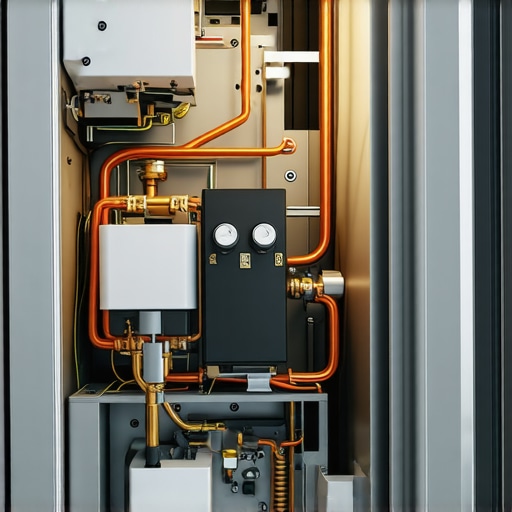
It was late at night when I first noticed the familiar hum of my refrigerator turning on, only to realize it hadn’t shut off for what felt like an eternity. That persistent cycle wasn’t just background noise anymore; it was a warning sign. Initially, I shrugged it off, thinking maybe I left the door open a bit longer than usual. But days passed, and the noise grew louder, along with my electricity bill. That’s when I had my lightbulb moment—my refrigerator’s compressor was cycling far too often, and it was costing me more than just energy.
Understanding the Importance of Proper Refrigerator Cycling
Refrigerators are designed to cycle their compressors on and off to maintain a consistent temperature, ensuring food stays fresh without wasting energy. However, when the compressor runs excessively, it can indicate underlying issues—from clogged coils to faulty thermostats. This not only increases your electricity bill but can also shorten the lifespan of your appliance. Recognizing and addressing these signs is crucial for saving money and avoiding costly repairs down the line.
Is Over-Cycling Really That Big of a Deal? Don’t Waste Your Money
Absolutely. According to energy experts, an overworking compressor can skyrocket your energy consumption by up to 20%. Early on, I made the mistake of thinking it was just a minor annoyance, but ignoring the signs led to a costly replacement. Trust me, staying proactive can save you hundreds in the long run. For more tips on choosing energy-efficient models, check out this guide.
If you’ve noticed your fridge is running constantly or if it just seems louder than usual, you’re not alone. But do you know exactly what’s causing it? And more importantly, how to fix it before it becomes a major headache? Let’s dive into the causes and solutions so your fridge can go back to doing its job quietly and efficiently, just like it should.
Identify the Root Cause of Excessive Cycling
Start by unplugging your refrigerator to prevent further strain and locate the condenser coils, usually at the back or underneath. Use a flashlight and a soft brush or vacuum attachment to check for dust and debris that can impede heat dissipation. If you notice a significant buildup, this can cause the compressor to run more often than necessary, similar to how a clogged radiator makes a car engine overwork. Cleaning the coils is your first actionable step to reduce over-cycling.
Test and Reset the Thermostat Settings
Next, access the thermostat—usually found inside the fridge near the cooling element. Use a multimeter to test its continuity; if the contacts are stuck or defective, replace the thermostat. Resetting it to the manufacturer’s recommended temperature (typically 37°F or 3°C for the fridge, 0°F or -18°C for the freezer) ensures optimal operation. Think of the thermostat as your fridge’s brain; if it’s giving faulty signals, it can cause the compressor to work overtime, much like a thermostat malfunctioning in an HVAC system.
Check for Insulation and Door Seal Integrity
Examine the door gasket—if it’s warped or cracked, cold air escapes, forcing the compressor to run constantly to compensate. Close the door on a dollar bill at multiple points; if it slips out easily, replace the gasket (see this guide for detailed instructions). Proper sealing is like wearing a well-fitted jacket in winter; it keeps the cold in and the compressor from working unnecessarily hard, reducing cycle frequency.
Assess and Control Playing With Power Supply and Voltage
Voltage surges and drops can cause the compressor to over-cycle. Use a multimeter to measure your outlet voltage during operation; if it’s consistently outside the recommended range (110-120V in North America), consider installing a voltage regulator or consult an electrician. Think of voltage stability as regulating water flow; uneven pressure causes equipment to strain, leading to premature failures and excessive cycling.
Implement Modern Smart Solutions
If manual fixes don’t solve the problem, consider upgrading to a smart refrigerator that monitors compressor activity and alerts you to potential issues before they escalate. These devices also optimize compressor cycling based on usage patterns, saving energy and extending lifespan—a step I took during my last remodel, which resulted in noticeable quietness and efficiency. Check out the latest refrigerator innovations for more insights.
Schedule Professional Repairs When Needed
If after following these steps your compressor still runs excessively, it’s time to call a professional. Persistent issues like compressor motor failure or refrigerant leaks require expert diagnosis and repair. Don’t hesitate to consult experienced technicians—remember, catching problems early often prevents costly replacements later. For trusted repair services, visit the contact page.
Many homeowners fall prey to misconceptions about appliances, often leading to inefficient use or costly repairs. A prevalent myth is that newer, high-tech appliances always save energy; however, some smart features can actually increase energy consumption if not used properly, so understanding the nuances is essential. Another trap is believing that all repair issues require a professional immediately—while some problems are complex, many minor issues can be tackled by diligent troubleshooting, such as cleaning filters or recalibrating sensors. Overlooking this can lead to unnecessary expenses and downtime.
An advanced misconception is assuming that smart appliances automatically optimize their performance without user intervention; in reality, regular software updates and correct configuration are vital to maximize efficiency. For example, some users neglect firmware updates, which can contain critical bug fixes and performance improvements, as highlighted by industry experts in smart home technology.
Why do so many users misunderstand the longevity benefits of modern appliances?
While it’s common to think that modern appliances last longer than older models, many consumers overlook the importance of proper maintenance—like cleaning condenser coils or replacing door gaskets. Neglecting these can drastically reduce appliance lifespan, as discussed in expert reviews on appliance durability. Regular maintenance, aligned with the manufacturer’s recommendations, is key to realizing the full longevity potential and avoiding premature replacements.
Furthermore, some homeowners underestimate the importance of correct usage settings, such as load size in washers or fridge temperature controls. Misuse not only hampers performance but accelerates wear and tear, negating the benefits of advanced design. For comprehensive tips on getting the most out of your appliances, check out our guides on smart home appliances or the latest refrigerator innovations.
Understand the real capabilities of your appliances and avoid the pitfalls of common myths—this knowledge helps you make smarter choices, saves money, and prolongs device life. Stay informed, stay proactive! Have you ever fallen into this trap? Let me know in the comments.
How do I keep my smart appliances running smoothly over time
Maintaining your home appliances, especially smart refrigerators and washers, requires more than just occasional cleaning. I rely heavily on diagnostic tools like the Fluke 115 multimeter for electrical troubleshooting and the Bluesea digital thermometer for precise temperature readings. These instruments help me identify issues before they escalate. For ongoing maintenance, I use specialized apps such as the SmartThings platform, which allows me to monitor appliance performance remotely, view usage trends, and receive maintenance alerts. Regular updates of firmware via manufacturer apps ensure appliances operate with the latest features and security patches, as recommended by industry experts.
Why investing in quality tools pays off
High-quality diagnostic equipment, like a Wi-Fi-enabled refrigeration sensor, provides real-time data that can reveal hidden problems, extending appliance lifespan. I personally find that maintaining a log with tools such as Evernote helps track maintenance schedules and anomalies. This proactive approach reduces unexpected breakdowns and repair costs. Predictive maintenance, enabled by smart technology and reliable sensors, is the future trend—allowing appliances to alert you when service is needed before failure occurs. Looking ahead, I predict integration of AI-driven diagnostics will make long-term appliance care even more intuitive, merging hardware sensors with software analytics for seamless upkeep.
What strategies help me sustain appliances efficiently
Establishing a routine maintenance schedule using these tools is crucial. For example, cleaning refrigerator coils every six months with a vacuum attachment prevents compressor overload, which I do using a Cordless Handheld Vacuum. Additionally, running diagnostic tests quarterly—like verifying compressor function or checking sensor calibrations via dedicated apps—helps catch issues early. For instance, the latest AI-enabled dishwashers incorporate self-monitoring features that simplify maintenance tasks. Remember, consistent monitoring and calibration are vital to long-term appliance health and efficiency.
Scaling up your maintenance game for multiple appliances
If you manage several appliances, consider centralized control systems like Samsara’s IoT platform to oversee performance across devices. Using smart plugs and energy monitors—such as the TP-Link Kasa Smart Wi-Fi Plug—allows me to turn appliances on and off remotely, verify power consumption, and identify energy drain sources. This kind of integration helps optimize operations and reduces wear caused by unnecessary usage. I recommend starting with one key device, mastering its control and diagnostics, then expanding. As technology advances, expect automation and AI to handle routine maintenance tasks, alerting you to issues before they cause downtime. To get started, try integrating a smart sensor on your refrigerator, which can monitor temperature fluctuations and send alerts directly to your phone.
Remember, proper long-term maintenance isn’t just about fixing problems — it’s about prevention, efficiency, and extending the life of your investments. For a comprehensive overview of future-proofing your home appliances, explore our guide to refrigerator innovations in 2025. Don’t wait for a breakdown; embrace the power of precise tools and consistent routines today and witness the long-term benefits firsthand. For expert advice tailored to your setup, contact professionals through our contact page.
Unveiling the Most Surprising Lesson About Appliance Maintenance
The biggest revelation for me was realizing that not every issue with a refrigerator is due to a major fault; sometimes, the tiniest detail—like a worn-out door gasket—can cause the compressor to overwork. I once ignored this simple fix and ended up replacing the whole unit. Now, I know that careful inspection and maintenance of minor components often save a lot of money.
Why Relying Solely on Technology Can Lead to Oversights
I used to depend heavily on smart alerts from my refrigerator, but I learned the hard way that these systems aren’t foolproof. Firmware updates and calibration checks are essential to keep these tools accurate. Regular manual inspections, like verifying coil cleanliness or thermostat settings, complement technology and prevent overlooked issues.
Wiring Personal Care Into Your Appliance Routine
Simple habits—such as unplugging your fridge during cleaning or periodically inspecting door seals—can greatly extend appliance lifespan. Investing in quality tools from trusted sources like the SmartThings platform or digital thermometers has empowered me to diagnose problems early. Thoughtful maintenance routines turn into steps that preserve the heart of your kitchen.
Where to Find My Top Recommendations for Smooth-Running Appliances
Over the years, I’ve curated a set of tools and resources that I trust deeply—like the detailed guides on refrigerator innovations in 2025 or the insightful reviews on smart home appliance integration. These resources help me stay informed and prepared.
Seize the Moment to Elevate Your Home Appliance Knowledge
Maintaining your appliances proactively transforms your daily life, ensuring efficiency and longevity. Don’t wait until a minor glitch becomes a costly repair—start applying small, consistent habits today. Remember, every smart choice you make now sets the stage for a more reliable and energy-efficient home.
What simple maintenance step have you overlooked that could make a difference? Share your experiences below and let’s learn together!