

It was a typical Sunday afternoon when I opened my refrigerator, only to find everything inside warm and spoiled. The humming sound I usually relied on had turned into a faint whimper. That’s when I had my lightbulb moment—modern appliances, especially refrigerators, just don’t seem to stand the test of time like the ones my grandma used to own. Did you ever experience that frustrating realization, too?
Chasing the Durability Myth in Today’s Appliances
These days, appliances seem to last just a few years before giving up or needing costly repairs. It’s a stark contrast to the durable, workhorse refrigerators of the past. Why is this happening? Well, I’ve been digging into this topic for years, making my own mistakes along the way, and I want to share what I’ve uncovered so you can avoid the same pitfalls.
Is Overhyped Technology Really the Culprit?
At first, I thought newer, smarter features meant better quality. Turns out, I was wrong. I made the mistake early on of prioritizing flashy bells and whistles over basic build quality—something I now see as a common trap. Modern appliance makers often cut costs by using cheaper materials and components, which leads to shorter lifespans. An industry report even states that “the average lifespan of a refrigerator has dropped from 15 years in the 80s to just over 10 years today” (source). If that surprises you, you’re not alone.
But don’t worry. We’re not doomed to replace our refrigerators every decade. I’ve found practical ways to extend their life and ensure you get the most out of your investment. Stick with me, and I’ll walk you through the reasons behind these shorter lifespans and, more importantly, how to beat the trend.
Now, before I go into the juicy details, I want to ask—have you faced that sinking feeling of a refrigerator dying right before a party or holiday? Drop a comment below; I’d love to hear your stories and help you make smarter choices from the start.
Choose Quality Over Features When Buying
When shopping for appliances, prioritize build quality rather than the latest smart features. I once purchased a refrigerator solely for its sleek touchscreen, only to find it malfunctioned after three years. Instead, I now consult reviews and focus on brands known for durability, like those highlighted in industry experts’ tips. This simple shift saves me money and frustration over time.
Proper Installation Ensures Longevity
Imagine an appliance as a ship; if not properly anchored, it’s prone to damage. I once hastily installed my dishwasher without leveling it, leading to leaks and early wear. Using a level and following manufacturer guidelines prevents these issues. For heavy or complex appliances like refrigerators, consider professional help—it’s an investment in their longevity. Look for tips on safe setup at this guide.
Keep Them Clean and Well-Maintained
A clean appliance runs more efficiently and lasts longer. Think of it as routine health checkups; neglect accelerates breakdowns. Regularly cleaning refrigerator coils with a soft brush and vacuum prevents overheating, a common cause of compressor failure. For dishwashers, removing mineral deposits and cleaning filters ensures optimal operation. Check out this cleaning tutorial for step-by-step instructions.
Schedule Regular Servicing
Just like a car, appliances benefit from periodic professional inspections. I schedule annual checkups with certified technicians, especially for complex machines like washing machines. These experts identify problems early, saving costs and prolonging service life. Find a reputable service provider through local reviews or visit this contact page.
Mind Your Usage Habits
Overloading appliances diminishes their lifespan. I once jammed a dozen plates into my dishwasher to save a trip, only to experience mechanical strain and soap residue. Properly load dishes, using recommended capacity, and select appropriate cycles. Likewise, avoid running washers or refrigerators during peak energy hours; this reduces stress on components, as discussed in this resource. Being gentle with your appliances makes a significant difference.
Monitor and Troubleshoot Smart Features
If your appliance has smart capabilities, keep firmware updated to prevent glitches. I once ignored firmware updates, leading to unresponsiveness. Regular updates fix bugs and improve performance, similar to smartphone maintenance. For guidance on updating smart appliances, see this tutorial. Monitoring diagnostics and understanding alerts allow prompt action, avoiding costly repairs.
Optimize Storage and Placement
Proper placement minimizes wear and prevents issues. For instance, keeping refrigerators away from heat sources like ovens reduces compressor strain. I learned this the hard way when placing my fridge next to a sunny window—resulting in temperature fluctuations. Use adjustable feet to level appliances and ensure good airflow around them. Proper positioning extends lifespan and maintains efficiency, as explained in related tips.
Keep an Eye on Components and Replace When Needed
Parts like door seals, filters, and gaskets wear out over time. Regular inspections help catch issues early. I noticed my fridge’s door gasket was cracking; replacing it prevented cold air leaks and reduced energy usage. Search for specific replacement guides for your models—these simple fixes are cost-effective. Recognize signs of impending failure, such as leaks or unusual noises, and address them immediately to prevent further damage.
Many homeowners believe that all modern appliances are designed equally for durability, but in reality, this isn’t the case. A prevalent myth is that features like smart technology inherently enhance lifespan, yet industry experts reveal that the core materials and build quality matter far more. For example, some smart refrigerators incorporate delicate electronic components that are vulnerable to power surges or humidity, leading to early failures despite advanced features. It’s essential to understand that a device’s complexity can sometimes introduce additional points of failure, contrary to popular belief that more features mean longer service life. Have you ever fallen into this trap? Let me know in the comments.
What sophisticated issues should savvy homeowners look for when choosing appliances?
Advanced users should pay attention to the quality of internal components such as compressors, valves, and electronic boards. Many overlook that minor design details, like proper insulation or the placement of vents, influence long-term reliability. A study by industry engineers suggests that appliances with optimized airflow and heat dissipation tend to last 20% longer than those without such features, even if they appear similar externally. This nuance often escapes casual buyers who focus on aesthetics or brand reputation instead of technical robustness. To avoid costly replacements, consult with professional technicians or refer to expert reviews that delve into these subtleties. Visiting trusted resources such as industry insights can help you differentiate between truly durable models and those that are merely feature-rich. Additionally, regular maintenance, like cleaning condenser coils and replacing filters, can significantly extend the life of your appliances, but many users neglect this crucial aspect. Remember, the devil is in the details; understanding your appliance’s build quality and design nuances can save money and frustration in the long run.
How Do I Maintain My Appliances Over Time?
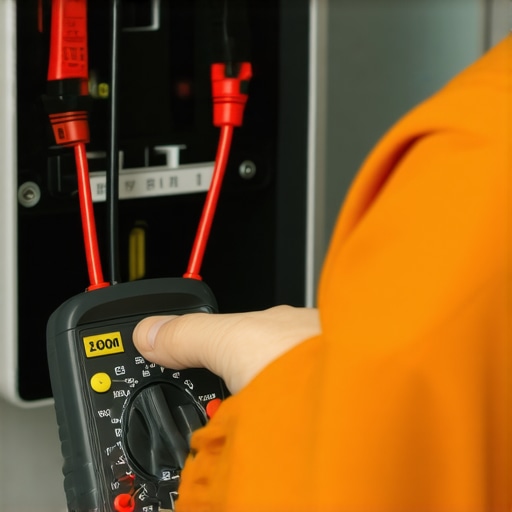
Maintaining your home appliances involves a combination of using the right tools and adopting regular routines that catch issues early. Personally, I rely on a digital multimeter for electrical troubleshooting because it helps me quickly identify faulty components such as thermostats or sensors. For example, when servicing my smart refrigerator, I use a non-contact voltage tester to ensure circuits are safe before opening panels, reducing risk of electric shock.
Another essential tool is a microfiber cleaning cloth and soft brush set, which I use regularly to keep coils and vents clean, improving efficiency and prolonging lifespan. Replacing filters, such as in my dishwasher and refrigerator, with high-quality parts recommended in industry expert tips, is also crucial for long-term performance.
Additionally, software updates play a vital role, especially with smart appliances. I ensure firmware is current by checking the manufacturer’s app or website periodically, as outdated firmware can lead to glitches or reduced lifespan. A recent industry study emphasizes that firmware maintenance can extend the service life of smart appliances by up to 15% (source).
Investing in a quality surge protector is another simple yet effective measure to prevent damage caused by power surges, which can be catastrophic to sensitive electronic parts in devices like smart washers and refrigerators. When I installed a surge protector dedicated to my kitchen outlets, I noticed fewer malfunctions and avoided costly repairs.
Looking ahead, I believe that integrating predictive maintenance tools into appliances will become standard. Devices equipped with IoT sensors can forecast failures before they happen, saving time and money. For now, I recommend getting familiar with diagnostic apps offered by brands like Samsung or LG, which can help identify issues early and guide repairs effectively. Don’t hesitate to try out these tools—simply start by using your refrigerator’s diagnostic mode or app to monitor real-time health data. Proper maintenance isn’t just about initial setup; it requires ongoing vigilance, which these tools facilitate seamlessly.
What’s the Best Method to Keep Appliances Working Today?
Establishing a routine schedule for cleaning, inspecting, and updating your appliances can significantly boost their life. Incorporate tool checks, like using a multimeter every few months, and stay attentive to any unusual sounds or behaviors. Remember, a proactive approach saves money. If you notice your dishwasher or refrigerator acting up, start with quick diagnostics—often, a simple filter or sensor replacement, guided by expert advice available online, can return it to optimal function. Want to keep your home running smoothly? Commit to these maintenance habits and leverage proven tools to stay ahead of failures.
The Hardest Lesson I Learned About home appliances,smart appliances,dishwashers,refrigerators,washing machines
Throughout my journey with home appliances, I discovered that chasing the latest features often leads us astray from what truly matters—durability and long-term performance. I once prioritized a sleek smart fridge with endless bells and whistles, only to find it fell apart after a few years, forcing me to regret my choice. The lightbulb moment was realizing that foundational build quality outperforms fancy tech when it comes to longevity.
Curated Resources for a Smarter Appliance Life
I rely heavily on industry experts’ reviews available at this guide to identify durable models. My toolkit includes a reliable multimeter, which helps me troubleshoot electrical issues early before costly failures happen. For maintenance, I trust expert tutorials that teach me simple hacks to keep appliances in prime shape. Combining these resources has transformed my approach, giving me confidence in tackling appliance issues head-on.
Fuel Your Appliance Confidence and Take Action Today
The future of home appliances is exciting, especially as IoT and smart features become more reliable and intuitive. But even as technology advances, the core principles of choosing quality, proper maintenance, and mindful usage remain vital. My advice? Start implementing habits now—regular cleaning, quality inspections, and firmware updates—to extend their lifespan and maximize your investment. Remember, embracing proactive care not only saves money but also restores peace of mind in a world filled with fleeting gadgets.
What’s the best tip you’ve learned for extending your appliances’ lifespan? Share your insights below—your experience might just help someone else make smarter choices today!