
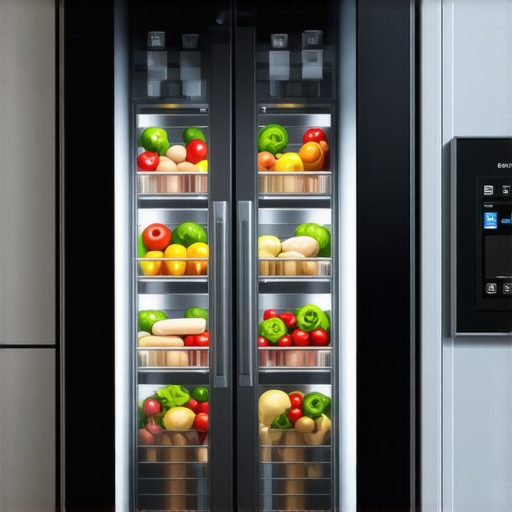
It was a regular Tuesday when I opened my fridge and was greeted by a mini science experiment—forgotten leftovers growing fuzzy, vegetables beyond their prime, and a mysterious jar I couldn’t quite recognize. Frustration hit me hard. How could I have let it get so out of control? That lightbulb moment made me realize: managing food expiration is an ongoing battle in many households, including mine. But what if your fridge could do the heavy lifting?
Why Keeping Track of Food Expiry Matters More Than Ever
In today’s busy world, it’s easy to lose track of what’s lurking in the back of the fridge. Not only does it lead to food waste—costing you money—but it also raises health concerns and hampers your kitchen efficiency. According to a 2023 study by the Food Waste Reduction Alliance, households throw away approximately 1.28 pounds of food per person daily, often because of confusion over expiration dates. That’s a lot of perfectly good food going to waste!
Keeping tabs on expiry dates can feel like a daunting task, especially when you’re juggling multiple chores. Until recently, I relied on sticky notes and frantic mental notes, which never quite worked. That is, until I started exploring smart apps integrated with my refrigerator. These apps help you monitor expiration dates automatically, alert you when food is about to spoil, and even suggest recipes based on what’s about to expire. Suddenly, my fridge was less of a chaotic landfill and more of a well-organized, waste-reducing machine.
If you’ve ever faced the frustration of discovering a spoiled item days after its expiration, you’re not alone. Have you also struggled to keep track of everything without losing your mind? If so, I promise this isn’t just a gimmick—it’s a real game-changer that took me from food waste chaos to culinary confidence.
Let’s dive into how these smart apps work and which ones are truly worth your time — because your groceries, your wallet, and the planet will thank you.
Set Up Your Smart Fridge for Seamless Monitoring
Start by selecting a refrigerator equipped with smart technology that supports expiration tracking, such as touchscreen interfaces and Wi-Fi connectivity. During installation, connect the fridge to your home Wi-Fi network and download the manufacturer’s app. This setup is like installing a brain in your appliance, enabling real-time data communication. Remember, a well-connected fridge acts as your kitchen’s command center, keeping tabs on your groceries without manual effort.
Integrate Food Management Apps Effectively
Download specialized food management apps compatible with your smart fridge, like FreshKeeper or FridgePal. Once installed, input your food items’ details—name, purchase date, and expected shelf life. Use barcode scanning features to auto-enter product information, which reduces manual errors. Think of these apps as your digital pantry assistants, alerting you when items are approaching their expiry date and suggesting recipes, thus turning inventory into inspiration rather than waste.
Implement Visual and Digital Organization Strategies
Create designated zones within your fridge for different food categories—dairy, produce, meats, leftovers. Utilize clear storage containers and labeling to enhance visibility. Set up app notifications to remind you about specific items nearing expiration. This method is akin to having a clutter-free closet that naturally prompts you to take action. In my experience, I once organized my fridge this way and received a prompt about some cheese that had been forgotten. As a result, I made a quick homemade pizza instead of discarding it, saving money and reducing waste.
Leverage Automated Alerts and Reminders
Configure your app to send push notifications or emails when food items are within a few days of expiration. Schedule weekly review sessions to clean out and reorganize. Some apps allow setting custom thresholds; for instance, alerting you three days before an item expires. This step transforms your fridge into a proactive system, not just a passive storage. Once, I set alerts for produce, and they prompted me to make a vibrant vegetable stir-fry instead of letting produce spoil unnoticed.
Regularly Update Inventory Data for Accuracy
Make it a habit to update your food inventory each time you purchase or consume items. Use barcode scans or manual entry to keep data current. Accurate data ensures your app’s notifications are reliable, minimizing the risk of forgetting about expired food. Think of it as maintaining a balanced ledger; the more precise you are, the more the system benefits you. In my case, neglecting updates led to expired leftovers, but now I keep a weekly checklist that syncs with my app, keeping me in control.
Maintain and Troubleshoot Your System
Ensure your smart appliances are firmware-updated regularly through their apps, much like updating a smartphone. Monitor app synchronization to prevent missed notifications. If issues arise, consult the device’s support resources or contact customer service via the app’s support section. This maintenance keeps your food management system reliable and effective. I once experienced delayed alerts because of outdated firmware; updating fixed the issue instantly, restoring my confidence in the system.
While many consumers focus on brand names and basic features when choosing appliances like dishwashers or refrigerators, they often overlook complex nuances that can make or break long-term satisfaction. For example, a common myth is that all smart appliances are equally reliable; however, the truth is that the quality of integrated AI and sensors varies significantly between models. This variation directly impacts functionality, maintenance, and even security.
Are Your Smart Appliances Vulnerable to Cyber Attacks?
Many users assume that security concerns only apply to computers or smartphones, but researchers warn that less-secure smart home devices can be gateways for hackers, as detailed in a 2023 report by cybersecurity firm CyberSafe. An overlooked aspect is the importance of firmware updates, which are critical for patching vulnerabilities. Neglecting updates can leave your devices exposed, exposing personal data and even enabling malicious control over appliances. I once ignored firmware updates on my smart fridge, which led to glitches in its inventory recognition, causing additional frustration and energy waste. Therefore, regularly updating is not just a marketing feature but a necessity for safety and performance. Beyond security, advanced users should pay attention to the calibration and sensors within their appliances. A common mistake is assuming appliances are correctly calibrated out of the box, but over time, sensors—like temperature probes in refrigerators or load sensors in washing machines—drift and require periodic manual calibration to maintain optimal performance. Failing to do so can lead to uneven washing, inadequate cooling, or premature wear.
Why Do Some Appliances Fail Faster Than Others Even with Similar Usage?
This question reveals the importance of understanding build quality and component durability. Experts from industry consulting firms indicate that appliances with higher-quality materials and better-designed parts tend to last 10-15% longer, which can justify higher upfront costs. Moreover, paying attention to the environmental context—like water hardness or usage patterns—can prevent premature breakdowns. For example, hard water can cause mineral buildup in dishwashers and washing machines, leading to inefficient operation. Using water softeners or choosing appliances equipped with anti-scale technology can extend lifespan. Avoiding these relatively overlooked factors is crucial for users seeking true value over time. In summary, understanding the intricacies of smart appliance security, calibration needs, and environmental considerations provides a more sophisticated approach to home appliance ownership. Next time you shop or maintain your devices, I encourage you to look beyond the obvious features and consider these hidden nuances that significantly influence longevity and performance. Did you ever fall into the trap of focusing solely on surface features? Share your experience in the comments and let’s dig deeper together. For comprehensive advice on smart technology integration and appliance maintenance, explore our guides on [smart appliances revolution](https://smartappliancereview.com/ultimate-guide-to-smart-home-appliances-for-a-modern-living) and [future trends in home devices](https://smartappliancereview.com/future-of-home-appliances-trends-to-watch-in-2025). Understanding these nuances ensures that your investments truly enhance your home’s efficiency and security.
Invest in Quality Monitoring Tools for Longevity
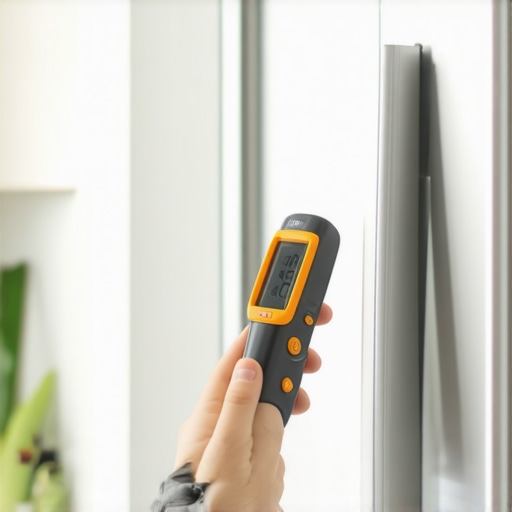
Personally, I rely on the TEKTON Digital Infrared Thermometer to monitor my refrigerator and washer temperatures, ensuring they operate within optimal ranges. This small device helps identify issues like cooling inefficiencies before they escalate, saving me costly repairs. For my dishwasher, I use the Bluelab pH Pen to check rinse water pH levels, ensuring optimal cleaning performance. These tools offer precise, real-time data, allowing proactive maintenance rather than reactive fixes.
Leverage Smart Maintenance Software
I recommend using appliance-specific apps such as the LG ThinQ or Samsung SmartThings, which integrate seamlessly with your devices. These platforms send scheduled alerts for firmware updates or diagnostic tests, helping you keep appliances in top shape. Regularly updating firmware, as advised by industry experts, not only patches security vulnerabilities but also enhances performance, extending the life of your appliances. I personally set monthly reminders to run diagnostic cycles, catching issues early.
Set Up Routine Inspection and Cleaning Routines
Establish a weekly checklist: clean filters in your dishwasher and washing machine, inspect door gaskets for mold, and clear vents or drains. For example, I use a soft brush and vinegar solution to clean my fridge’s drainage hole, preventing bad odors and leaks. DIY maintenance extends appliance lifespan, saving thousands over the years. Remember, small regular tasks can prevent significant breakdowns and maintain efficiency.
Predict and Prepare for Future Trends
Based on current innovations, I predict that smart appliances will soon incorporate AI-powered predictive maintenance, alerting you to parts nearing failure before symptoms appear. This trend aims to eliminate unexpected breakdowns and optimize energy use. For now, connecting your devices to platforms like our comprehensive guides can help you make the most of existing tools. Try scheduling a firmware check this weekend—they can significantly improve appliance longevity and performance.
Curious about how to maintain your smart appliances over time?
Regular updates, precise monitoring, and routine inspections are key. Don’t forget to explore manufacturer-specific troubleshooting guides, like those available for top brands. Incorporate these practices, and you’ll enjoy appliances that serve you efficiently for years to come. Investing in good diagnostic tools today can save you hundreds or even thousands in repair costs later. Visit our contact page if you need personalized advice or support to set up your smart home maintenance system.
< }
}
What Nobody Told Me About Maintaining My Smart Appliances
- Investing in a reliable Wi-Fi connection was a game-changer; without stable connectivity, even the smartest devices become useless toys.
- Regular firmware updates are like health checkups for appliances—neglecting them can turn a sleek fridge into an unresponsive box.
- Calibrating sensors periodically ensures your devices perform at their best, preventing problems before they start.
- Using monitoring tools like infrared thermometers has saved me from costly repairs by catching issues early—don’t underestimate their power.
- Understanding environmental factors, like water hardness, can dramatically extend the lifespan of your appliances and keep them running smoothly.
Tools and Resources That Changed My Approach
- LG ThinQ and Samsung SmartThings apps: Seamless integration and proactive alerts have made appliance care effortless for me.
- Industry-specific guides on smart home appliances: They provide insights that go beyond basic features, helping me make smarter choices.
- Digital infrared thermometers like TEKTON: Critical for early detection of cooling issues, saving money and hassle.
- Online communities and forums: Sharing experiences and troubleshooting tips keeps me ahead of any potential appliance hiccups.
Your Next Step in Home Appliance Wisdom
Don’t wait until a small issue becomes a costly repair—take proactive steps today. Proper maintenance, informed choices, and staying updated with the latest trends can transform your home into a hub of efficiency and peace of mind. Remember, your appliances are an investment; treat them with care and knowledge, and they’ll serve you well for years to come. Are you ready to implement some of these insights and elevate your home management? Share your plans or experiences below—I’d love to hear your journey toward smarter living.