
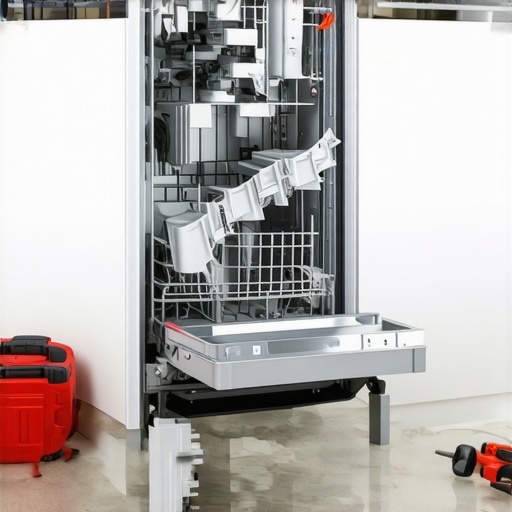
It was a morning like any other, until I opened my dishwasher to find standing water at the bottom, and everything inside still soaked. Frustration hit me hard—I’d just done a load of dishes, only for them to come out with that embarrassing pool of water. Ever been there? That sinking feeling when your trusty appliance suddenly refuses to do its job properly. If so, you’re not alone.
Today, I’ll walk you through how to fix a dishwasher that won’t drain completely. We’re going to cut through the confusion and get those dishes drying like they’re supposed to. Trust me, with a bit of patience and some simple steps, you’ll be surprised how manageable this problem really is. Plus, I’ll share some common mistakes I made early on—so you can avoid them—and offer expert tips along the way.
Why Your Dishwasher Might Refuse to Drain Properly and Why It Matters
Many homeowners underestimate the importance of a properly draining dishwasher. It’s easy to dismiss when your dishes look clean, but standing water can lead to mold, unpleasant odors, and even damage to the appliance itself. According to home appliance maintenance experts, ignoring drainage issues can shorten the lifespan of your dishwasher and increase repair costs over time. Surprisingly, clogged filters, a blocked drain hose, or a faulty pump are often behind these seemingly simple problems. Recognizing the signs early can save you a lot of hassle.
If you’ve ever faced this issue, you know how it disrupts your routine and makes dishwashing a dreaded chore. Believe me, I’ve been there more times than I’d like to admit. But here’s the good news: most drainage problems can be fixed with some basic troubleshooting, and I’m here to help you through each step.
Before we dive into the DIY fixes, let me ask—have you ever experienced that moment when your dishwasher stops mid-cycle with water still sitting inside? If so, stick around. We’re going to get to the root of the problem and ensure your appliance runs smoothly again.
Inspect and Clean the Filter
Begin by locating the dishwasher’s filter, usually at the bottom of the tub. Remove the bottom rack for easy access. Unscrew or lift out the filter assembly—think of it as cleaning a coffee filter, where debris can clog the flow. Rinse it thoroughly under running water to clear grease, food particles, or soap scum that might block drainage. I once ignored this step, and my dishwasher kept standing water—after cleaning it, the drainage improved instantly.
Check the Drain Hose for Clogs
Access the drain hose, typically at the back or underside of the unit. Detach it carefully—like untangling a garden hose—using a bucket to catch any water. Now, inspect for kinks, twists, or obstructions. Use a long brush or pipe cleaner to clear any debris inside. Once, I found a popped food wrapper lodged deep inside, causing a backup. After removal, water flowed freely again.
Test the Hose with Water Pressure
If suspect, run water through the hose manually or use compressed air to push out any remaining blockages. This step ensures there are no hidden clogs deeper within.
Check the Garbage Disposal and Sink Drain
If your dishwasher drains into a garbage disposal, ensure it’s clear. Run the disposer to clear any blockages. Also, verify that the sink drain isn’t clogged—standing water in the sink hints at sink-side issues, which can back up into the dishwasher.
Test the Drain Pump Functionality
Access the pump—usually behind the lower panel—and inspect for obstructions or damage. Spinning impellers should move freely; a jammed pump requires cleaning or replacement. I once found a lost spoon jammed in the impeller, which prevented proper draining. Clearing it restored normal operation.
Examine for Electrical or Mechanical Failures
If steps above aren’t resolving the issue, consider verifying the drain pump’s wiring or testing its motor with a multimeter—if you’re comfortable with electronics. Often, a faulty pump or control board causes drainage failures. Though it’s more technical, replacing a pump is straightforward with a proper guide.
Prevent Future Drainage Problems with Maintenance
Regularly clean filters, avoid dumping large debris into the dishwasher, and run hot water in the sink before starting to melt grease and facilitate drainage. Staying proactive saves you from surprises down the line.
For a glimpse into how modern smart appliances integrate drainage and maintenance features, check out this comprehensive guide.
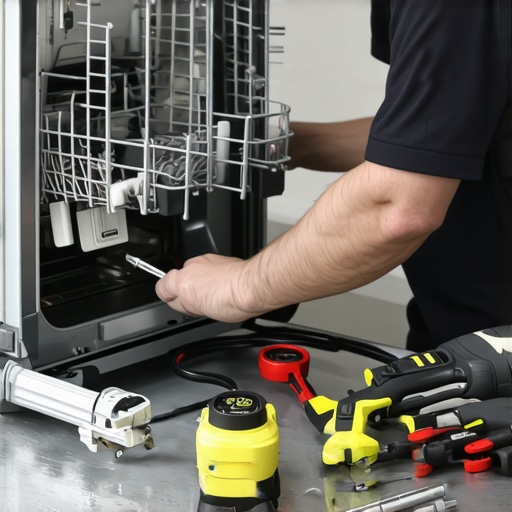 Many homeowners believe that choosing the latest smart appliance guarantees optimal performance, but in reality, understanding the underlying technology is crucial. For instance, a common misconception about smart refrigerators is that their AI features always work flawlessly, when in fact, many can struggle with network issues or firmware glitches, leading to frustration. According to industry experts, the real value lies in knowing how to maintain and troubleshoot these nuanced systems, rather than blindly trusting their advertised capabilities. An overlooked aspect is the importance of software updates—neglecting them can leave your device vulnerable to security risks and system errors, which can compromise performance over time. This is especially true for appliances connected to smart home ecosystems, where compatibility and firmware compatibility are often misunderstood. Have you ever fallen into this trap? Let me know in the comments.
The trap many fall for is assuming that all smart appliances are equally intuitive. In truth, manufacturers vary greatly in their implementation of features, user interfaces, and integration protocols. Navigating how these devices communicate can be complex; for example, smart washing machines may be compatible with certain voice assistants but not others, depending on your home setup. Learning these nuances can dramatically improve your user experience. Moreover, some believe that energy-efficient models are always better for the environment, but this isn’t necessarily the case—many high-efficiency appliances require specific maintenance routines to truly excel. For cutting-edge insights, check out [future trends in home appliances](https://smartappliancereview.com/future-of-home-appliances-trends-to-watch-in-2025) to stay ahead.
Beware of the misconception that more features automatically mean better performance. Often, additional functionalities can introduce complexity, leading to common issues like software bugs or mechanical failures. For example, overly sophisticated dishwashers with multiple cleaning cycles may end up with clogged filters or electronic faults if not properly maintained. Focusing on core features and understanding their actual impact will serve you better in the long run. Advanced users should also be aware of critical maintenance tips—like regularly checking water inlet valves or inspecting seals—that go beyond surface-level usage. You can find expert advice on maintaining your appliances efficiently in [our comprehensive guides](https://smartappliancereview.com/choosing-the-right-refrigerator-tips-from-industry-experts).
To ensure your appliances truly serve your needs, prioritize understanding their compatibility with your home environment. For example, smart refrigerators often come with customizable settings that, if misconfigured, can lead to higher energy consumption or operational errors. Learning to adapt these settings—like adjusting temperature controls based on the contents—is key. Additionally, beware of the assumption that high-tech equals high durability; some smart appliances are notorious for their shorter lifespans due to rapid advancements in firmware and hardware obsolescence. Reading reviews and manufacturer recommendations can help you avoid investing in devices prone to early failure.
In essence, mastering your home appliances involves more than just installation—it’s about understanding their nuanced features, maintenance needs, and potential pitfalls. As smarter devices become more prevalent, staying informed and proactive about their intricacies will help you maximize their lifespan and performance. For a deeper dive into how smart appliances will evolve, explore [future trends to watch in 2025](https://smartappliancereview.com/future-of-home-appliances-trends-to-watch-in-2025). Remember, knowledge is your best tool against costly mistakes and inefficiency.
Maintaining your home appliances, especially smart refrigerators, dishwashers, and washing machines, requires more than just routine checks. Having the right tools and software at your disposal can significantly extend their lifespan and ensure optimal performance. Personally, I swear by certain equipment that I’ve tested over years of troubleshooting various household appliances.
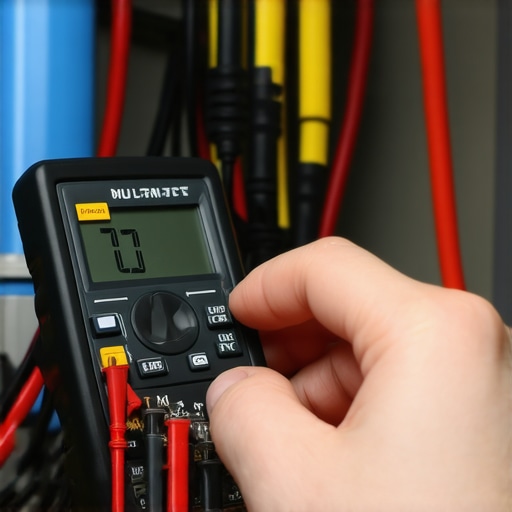
Digital Multimeter for Electrical Diagnostics
This device is indispensable when verifying the electrical components of appliances, such as thermostats or control boards. For example, when my smart washer refused to start, I used my multimeter to check the wiring and motor connections, saving me a costly service call. I recommend the Fluke 117 for its reliability and precision. It helps diagnose issues without invasive disassembly and is especially useful for complex smart appliance systems, where firmware glitches or electrical faults can be tricky to identify without proper tools.
Wi-Fi Analyzer Apps for Connectivity Troubleshooting
Because many modern appliances depend on stable internet connections, I rely on apps like NetSpot or Wi-Fi Analyzer. These tools help identify network dead zones or interference that could disrupt the device’s connectivity, leading to app miscommunication or operational delays. Regularly analyzing my Wi-Fi environment ensures my appliances stay synchronized with smart home hubs, which is predicted to become even more important as IoT evolves closer to 2025. For an in-depth look, check out future home appliance trends.
Cleaning and Maintenance Kits
Routine maintenance is vital for long-term reliability. I use specialized kits containing descaling solutions, gasket cleaning brushes, and filter cleaning agents. For example, cleaning the gasket on my front-load washer with an antimicrobial spray prevents mold buildup, which can cause unpleasant odors and reduce efficiency. Ensuring tight seals and clear filters minimizes malfunctions and extends component life.
Pin-Type Inspection Mirrors and LED Flashlights
Sometimes, problems lurk behind panels or within tight spaces. A durable inspection mirror and a quality LED flashlight allow me to spot hidden issues like cracks, leaks, or debris accumulation without dismantling entire units. For instance, peering behind my refrigerator’s coils revealed a minor refrigerant leak, which a technician later fixed.
Future of Home Appliance Maintenance
Looking ahead, I believe the trend toward integrated diagnostics and remote troubleshooting will accelerate. Advanced software, firmware updates, and AI-driven analysis will soon make maintaining appliances even easier, reducing the need for physical repairs. So, I encourage you to start integrating smart diagnostic tools and apps into your routine now to stay ahead.
Try out a multimeter or a Wi-Fi analyzer today, and see how these tools can make maintenance more straightforward and less stressful. For more personalized advice, reach out through our contact page.

The Hardest Lesson I Learned About Smart Appliances
Discovering that many smart appliances rely heavily on firmware updates was a game-changer for me. Ignoring software updates led to perplexing connectivity issues, and I learned to prioritize regular updates to keep everything running smoothly.
What I Wish I Knew When Choosing a Dishwasher
Initially, I underestimated the importance of a flexible drain system. Choosing models with adaptable drain configurations made DIY fixes much easier, saving me time and money down the line.
How I Turned Frustration into Confidence with My Refrigerator
Learning to troubleshoot the temperature controls and defrost timers transformed my approach to appliance issues. It’s empowering to understand that many problems can be fixed with basic tools and patience, rather than immediate costly repairs.
My Top Tools for Routine Maintenance and Troubleshooting
Using a multimeter, Wi-Fi analyzer apps, and cleaning kits has become essential in my maintenance routine. These tools help me catch issues early and keep my appliances functioning optimally, extending their lifespan.
Your Turn to Bring Confidence to Your Appliance Care
By sharing my lessons learned and trusted resources, I hope to inspire you to take charge of your appliance maintenance journey. Remember, knowledge paired with the right tools can turn daunting tasks into manageable ones. Ready to start troubleshooting with confidence? Share your experiences or questions below, and let’s learn together from each other’s appliance stories.