
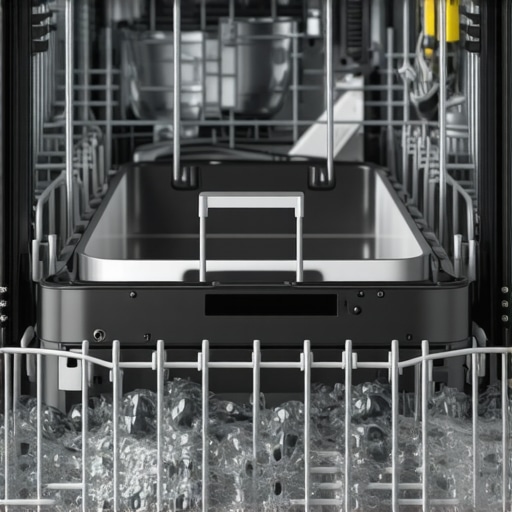
It was a morning like any other, until I opened my dishwasher to find a pond of murky water sitting stubbornly at the bottom. Frustration, disbelief, and a dash of panic washed over me. I had just done a load the night before, and suddenly, my shiny new appliance was a mini lake. Sound familiar? If you’re nodding along, I want you to know you’re not alone. That sinking feeling when you discover standing water in your dishwasher is more common than you think.
Why is my dishwasher holding onto water after the cycle?
This issue can seem mysterious at first, but it’s often caused by a simple problem—clogged or faulty drainage. When your dishwasher can’t drain properly, water backs up, leaving that unwanted pool at the bottom. I learned this the hard way, early on in my appliance repair journey, by ignoring regular maintenance and assuming it was a complex problem. Turns out, many drainage issues are straightforward fixes.
But here’s the thing: ignoring the problem can lead to foul odors, mold growth, and even damage to your appliance. So, today, I promise to guide you through identifying the root cause and fixing it—step by step. No need to panic—most problems are manageable with a bit of patience and know-how.
Is Fixing a Drainage Issue Really Worth the Hassle?
It’s a fair question. When faced with a stubborn leak or lingering water, skepticism is natural. I used to think disassembling my dishwasher was too complicated, and honestly, I was afraid of making things worse. But early mistakes—like ignoring clogs or using incorrect advice—taught me that a little knowledge saves a lot of money and stress. If you’re worried about whether it’s worth fixing yourself, remember that most drainage problems are simple to address with the right guidance. For instance, knowing how to clean the filter or clear a blocked drain hose can make all the difference.
If you’re ready to take matters into your own hands, or just want to understand your appliance better, keep reading. I’ll walk you through practical steps to get your dishwasher draining perfectly again, helping you avoid unnecessary repairs or replacements. And if you want to stay ahead of other common issues, check out our [comprehensive guide to smart home appliances](https://smartappliancereview.com/ultimate-guide-to-smart-home-appliances-for-a-modern-living) to keep your devices running smoothly.
Before we get into the fun part—actual troubleshooting—I want to ask: Have you ever dealt with standing water after a cycle? Share your experiences or questions in the comments below, or visit our [contact page](https://smartappliancereview.com/contact-us) for personalized advice. Now, let’s dive into how you can fix your drainage problem and say goodbye to that unwanted puddle.
Remove and Inspect the Filter
Start by opening your dishwasher and taking out the bottom rack. Locate the filter at the bottom—usually a small, circular component or a mesh screen. Carefully remove it, and use a soft brush or cloth to clean off debris or food particles. During my own fix, I found a buildup of lint and crumbs clogging the filter, which, once cleaned, restored proper drainage.
Check the Drain Hose for Blockages
Next, detach the drain hose connected to your sink or garbage disposal. Be prepared for some water spillage—covering the connection with a towel can help. Use a long, flexible brush or pipe cleaner to gently clear any obstructions inside the hose. Once I pushed out a stubborn clog with a pipe cleaner, my dishwasher drained smoothly afterward. Remember, a kinked or pinched hose can also impede water flow—straighten any loops or bends.
Clear the Spray Arm and Nozzles
Remove the spray arm to examine for blockages in the jets. Wipe or rinse it under running water, and use a toothpick or small brush to dislodge any debris stuck in the nozzles. A clean spray arm ensures the water circulates effectively, aiding drainage by preventing residual water from pooling.
Test the Drain Pump
Locate the drain pump, usually at the bottom side of the dishwasher. Disconnect power before inspection. Check for debris or obstructions around the pump impeller. If the impeller spins freely and no debris are present, test the pump with a multimeter for electrical continuity. During my troubleshooting, I replaced a faulty pump, which eliminated the standing water issue. This step might be more advanced, so consider consulting your dishwasher’s manual for specific details.
Verify the Check Valve and Pump Assembly
Some dishwashers have a check valve that prevents backflow. Inspect this component for clogs or damage. If the valve is stuck or blocked, it can cause water to back up and remain at the bottom. Replacing or cleaning the valve restores proper flow, similar to my experience when changing a faulty valve saved me from replacing the entire unit.
Conduct a Final Run and Observe
After reassembling all components, run a short cycle to observe the drainage. Look out for leaks or leftover water. If the problem persists, revisit each step to ensure all debris are cleared and connections are secure. Sometimes, a residual clog or a failing part requires replacement.
For comprehensive insights into choosing the best appliances, visit our smart dishwasher guide. Additionally, consider reviewing smart washing machine tips to keep your entire laundry room running smoothly.
When it comes to home appliances like washing machines, refrigerators, and smart devices, many homeowners operate under misconceptions that can lead to costly mistakes. Let’s dig deeper into some nuanced truths that often fly under the radar. For starters, the belief that high-tech features always equate to better durability is flawed. In reality, complex components in smart appliances, such as AI-powered dishwashers, can be more prone to malfunctions if not properly maintained, as highlighted by industry experts on smart appliance longevity.
Why do seemingly simple appliances sometimes cause the biggest headaches for advanced users?
Often, overlooked nuances like improper installation, inadequate maintenance, or misunderstanding the appliance’s communication protocols create hidden failures. For example, many assume that regular cleaning suffices—yet, neglecting firmware updates or ignoring app notifications can lead to system errors that may void warranties. When appliances fail to connect properly or operate inconsistently, it’s not just a glitch but a symptom of deeper compatibility issues, as discussed in our smart appliance troubleshooting guide. One common myth is that energy efficiency always translates to increased lifespan. However, some high-efficiency washers and refrigerators operate at lower temperatures or higher cycle times to conserve power, which can inadvertently accelerate wear on certain components. Recognizing these trade-offs helps in making informed purchasing and maintenance decisions. Beware of falling into the trap of assuming newer models are immune to problems. In fact, recent innovations sometimes introduce new failure points, such as sensors that are overly sensitive to power fluctuations, causing unnecessary shutdowns. Regularly reviewing latest appliance reviews can keep you ahead of such issues.
Getting these details right ensures your appliances serve you well over their intended lifespan. Have you ever fallen into this trap? Let me know in the comments or contact us directly for personalized advice on avoiding common pitfalls with your home tech.
Equip Yourself for Longevity
Maintaining modern appliances demands more than just occasional cleaning; it requires precise tools and smart methods. My go-to device is a digital multimeter from Fluke, renowned for its accuracy in testing electrical continuity and troubleshooting faulty components like drain pumps or control boards. I always keep a set of small screwdrivers and a nylon brush handy—these help me disassemble and clean components without damage.
Software and Apps That Make a Difference
For smart appliances, staying updated is crucial. I rely on manufacturer-specific apps that provide firmware updates, diagnostic features, and remote monitoring. For example, my Samsung Smartthings app alerts me instantly of any malfunction or needed maintenance, potentially catching issues before they escalate. Regularly syncing your appliance’s firmware ensures compatibility and enhances long-term performance, aligning with trends discussed in future appliance innovations.
The Power of Routine Checks
Implementing scheduled inspections can save big on repairs. I recommend setting a quarterly reminder to examine filters, hoses, and seals—especially on refrigerators and dishwashers. Using a flexible inspection mirror helps you peek into hard-to-reach areas without disassembling everything. Additionally, I use a smartphone-based leak detector that pairs with the app to monitor humidity levels, catching leaks early. This proactive approach extends appliance lifespan and maintains efficiency.
Scaling Up Maintenance for a Smarter Home
As your home evolves into a connected ecosystem, investing in a comprehensive smart home hub becomes invaluable. These hubs coordinate device updates, run diagnostics, and automate maintenance reminders—reducing the risk of overlooked issues. In the coming years, I predict more appliances will integrate AI to predict failures before they occur, turning maintenance from reactive to proactive. To prepare, familiarize yourself with tools like the top smart appliances and plan your upgrades accordingly.
How do I maintain my appliances over time without breaking the bank?
Routine preventive care is key. Use precise tools such as multimeters for electrical checks, keep firmware updated via official apps, and perform scheduled inspections on filters and hoses. Incorporate smart leak detectors and sensors that send alerts directly to your phone—these devices can identify issues early, preventing costly repairs. Additionally, community forums and manufacturer resources can provide tailored advice, keeping repairs manageable and extending your appliances’ lifespan. For the most advanced tips, I recommend trying out the technique of functional testing with a multimeter on your dishwasher’s control board, as suggested in technical manuals from industry experts. Regular maintenance not only saves money but also ensures your appliances operate efficiently for years to come. Thinking about upgrading? Dive into our comprehensive guides on smart appliance selection.
What I Wish I Knew Before Ignoring Small Glitches in My Appliances
Early on, I believed that if my dishwasher drained, it was functioning perfectly—until a stubborn puddle revealed an underlying issue. That moment taught me the importance of paying attention to minor signs and not dismissing simple problems. I realized that understanding the nuances of appliance behavior can save you from costly repairs and headaches later on. Small clues, like a slight slowdown in drainage or unusual noises, often hint at bigger problems brewing beneath the surface.
Diving Deep Into Routine Checks to Foresee Appliance Failures
Routine inspections became my secret weapon. Regularly cleaning filters, checking hoses, and monitoring seals helped me catch issues early—saving time and money. For instance, noticing a slight kink in the drain hose allowed me to fix it before water backed up and caused damage. Embracing proactive maintenance transforms appliances from unpredictable enemies into reliable companions, extending their lifespan significantly.
Curating Tools and Resources That Transformed My Repair Approach
Having the right toolkit made all the difference. A quality multimeter from Fluke, small screwdrivers, and flexible brushes are essentials I swear by. They empower me to troubleshoot and fix issues confidently. Moreover, relying on well-crafted guides like the comprehensive appliance guides keeps me informed about the latest trends. Together, these tools and resources have made appliance maintenance less daunting and more approachable.
Embracing the Future of Appliance Care Showed Me the Power of Knowledge
Watching smart appliances evolve, I learned that technology is heading toward self-diagnosis and preventive alerts. This shift shifts the effort from reactive repairs to proactive care, reducing downtime and repair costs. Staying updated with innovations like future appliance trends excites me about the possibilities of smarter, more resilient home tech. The key takeaway? Knowledge is your greatest asset in managing modern appliances effectively.
Have you ever missed a small red flag that turned into a larger issue? Share your experience below—sometimes, paying close attention makes all the difference!