
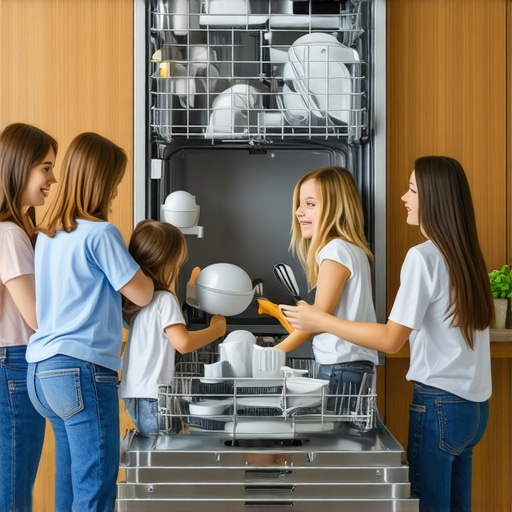
I remember the exact moment I realized my old dishwasher just wasn’t cut out for my busy household. Dishes piled up faster than I could keep up. One afternoon, I opened that stubbornly full machine, and honestly, it looked more like a mini excavation site than a tidy cleanup station. That’s when the lightbulb went off—my family’s needs were changing, and my dishwasher needed to do the same. If you’re constantly battling the mountain of plates, bowls, and utensils from a large family, you’re not alone. Today, I’m going to share my journey toward finding the best dishwashers for those of us who cook in bulk and clean up even more.
Why Your Old Dishwasher Just Can’t Keep Up Anymore
For families like mine, there’s an unavoidable truth: standard dishwashers rarely cut it anymore. According to home appliance experts, households with four or more members often require models that can handle at least 12 place settings in a single load—and even then, you need to be strategic about how you load and run cycles. My early mistake? I thought upgrading to a slightly newer model would solve everything. Instead, I ended up with a machine that still faltered under the pressure, leaving dishes half-clean. It was a costly lesson in understanding that not all dishwashers are created equal, especially when volume is king. To truly choose a machine that fits larger families, you first have to understand what features matter most. Want to avoid my rookie error? Let’s dive into what makes the difference and how you can select a dishwasher that turns cleaning chaos into a quick, manageable task.
Is the Hype About Large-Capacity Dishwashers Just; Overblown?
Many skeptics worry these models are just marketing fluff, promising more than they deliver. I used to be among them—until I faced the daily mountain of mess myself. The early days of my search involved a lot of hype and little substance, and I made the mistake of relying solely on capacity numbers without digging into their actual features or cycle options. Trust me, knowing the difference can save you from buying a machine that’s too large, too complicated, or just plain inefficient. That’s why I’m here—to decode the specs and give you honest advice. Whether you’re considering a top-tier model with smart features or a simple, heavy-duty workhorse, understanding what to look for can be the game-changer in your home.
Assess Your Household’s Cleaning Needs
Begin by counting how many dishes you typically wash daily. If you find yourself filling the dishwasher multiple times a day, prioritize models with 14 or more place settings. Remember, a dishwasher isn’t just about capacity; it must match your family’s volume. For instance, during my last kitchen overhaul, I measured peak load days, which helped me realize I needed a machine capable of handling larger loads without sacrificing cleaning quality.
Compare Capacity and Cycle Options
Think of capacity as the size of your backpack—larger capacity means you can pack more at once. Look for models with adjustable racks and specialized cycles such as heavy-duty, sanitize, or quick wash. I once bought a high-capacity model that lacked a germ-killing cycle, which was a mistake—especially for a family with young children. Test different models’ cycle options to see how they align with your typical loads.
Evaluate Smart Features and User Convenience
Modern dishwashers often include smart functions like app control or cycle alerts. Imagine your dishwasher notifying you when a cycle ends—it’s like having a personal assistant. During my purchase, I tested a model that could detect soil levels and adjust the cycle accordingly, reducing water and energy use. Check if these features are intuitive and genuinely add value to your daily routine.
Focus on Practical Load Configurations
Large families need versatile loading spaces; think of your dishwasher as a well-organized closet. Look for adjustable racks, fold-down tines, and extra racks for utensils. I struggled initially by overcrowding my old dishwasher, leading to poor cleaning results. Learning how to properly load—keeping spray arms unobstructed and spread out—made a noticeable difference in cleanliness.
Review Maintenance Accessibility
Consider how easy it is to access and clean filters and spray arms. A tangled hair or food debris can impair performance. I learned this the hard way when my dishwasher started leaving residue; a quick clean of the filter restored its efficiency. Regular maintenance ensures longevity and peak performance, so choose models with straightforward access panels and clear instructions.
Research Energy and Water Efficiency Ratings
Energy-efficient models save money and protect the environment. Look for ENERGY STAR certification and check the Water Factor ratings. In my test run, switching to an eco-friendly model reduced my water bill significantly. Combining efficiency with capacity ensures your large-family needs are met without excessive utility costs.Many homeowners buy appliances based on marketing claims or common beliefs, but these misconceptions can lead to costly mistakes. One prevalent myth is that modern smart appliances are infallible; in reality, they often require firmware updates and regular maintenance to function optimally. For example, some believe that smart refrigerators automatically order groceries without user input, but in practice, they need careful setup and regular management, or they may end up wasting energy or space. Additionally, many think that more features mean better appliances—yet, complexity can lead to higher failure rates and increased repair costs.
Is Your Smart Appliance Actually Smarter Than You Think
Advanced tech can introduce new vulnerabilities, such as security risks or compatibility issues with other smart home devices. According to a study from the University of California, many smart appliance users are unaware of these potential pitfalls, leading to frustration or even safety concerns. It’s crucial to understand that smart features are not a substitute for regular upkeep and user knowledge.
Another common oversight is neglecting the importance of proper installation. Improper setup can cause underperformance, faster wear and tear, and even safety hazards. For instance, improperly leveled washing machines can cause excessive noise or damage over time. Always ensure your appliances are installed according to manufacturer guidelines or by certified professionals.
A final point often overlooked is the environmental impact of improperly used home appliances. Running an appliance at incorrect settings or using inefficient cycles not only wastes energy but can also shorten its lifespan. Experts suggest always choosing eco-friendly settings when available and performing regular maintenance, such as cleaning filters and seals. For comprehensive tips on maximizing your appliances’ lifespan, visit our [Ultimate Guide to Smart Home Appliances for a Modern Living](https://smartappliancereview.com/ultimate-guide-to-smart-home-appliances-for-a-modern-living).
Before upgrading or replacing, ask yourself: Are you falling for marketing hype, or do you understand the real capabilities and limitations of your devices? If you’ve ever been misled by appliance ads or mismanaged your smart tech, share your experience in the comments—let’s learn from each other’s mistakes.
How Do I Maintain My Appliances Over Time? Practical Tools and Tips
Maintaining home appliances like dishwashers, refrigerators, and washing machines ensures they run efficiently and last longer. One of my go-to tools is a high-quality mulit-purpose set of screwdrivers and a digital multimeter. For example, when I noticed my washing machine wasn’t spinning properly, I used a multimeter to test the motor connections, saving me a service call. Regularly inspecting and cleaning filters and seals is crucial—something I do monthly, often referring to detailed guides such as our refrigerator maintenance tips. For smart appliances, firmware updates are vital; I schedule monthly checks, which keeps my tech fresh and reduces glitches. An underrated tool I recommend is an ultrasonic cleaner for removing buildup from hard-to-reach parts, like spray arms and filters, which significantly improves performance. Prediction-wise, the trend is moving toward IoT-enabled diagnostic tools that can alert you proactively of issues, rather than waiting for failures. Want to keep your appliances running smoothly? Invest in a reliable digital multimeter and commit to monthly inspections—these small steps make a big difference.
What I Wish I Knew Before Overhauling My Home Appliances
One of the most profound lessons I learned was that bigger isn’t always better—especially when it comes to appliances. Investing in a large-capacity dishwasher taught me that understanding your family’s specific needs is crucial; a model with the right features and size can transform your routines. I also discovered that smart features, while appealing, require proper setup and regular updates to truly add value. My journey made me realize that reading reviews and testing cycle options saved me from costly mistakes, and regular maintenance can significantly extend your appliances’ lifespan. Lastly, the importance of environmental considerations guides me to choose models that balance power and efficiency, benefiting both my budget and the planet.