
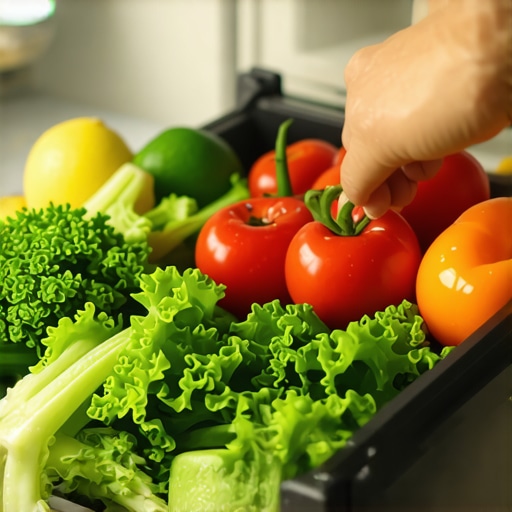
I remember opening my crisper drawer last Tuesday and finding what used to be a vibrant head of kale. It wasn’t kale anymore; it was a dark, weeping puddle of regret. I’d just bought it 48 hours prior! It’s an infuriating cycle that I know you’ve experienced too. You spend a fortune on organic produce, tuck it away neatly, and then—poof—it’s compost before you even get the salad dressing out of the cupboard. Most of us treat those little sliding tabs on the fridge drawers like the ‘close door’ button in an elevator. We slide them back and forth, hoping for the best, but deep down, we suspect they aren’t actually connected to anything. I used to be the king of ‘just shove it in there,’ ignoring those toggles entirely. I’ve spent years tinkering with my kitchen setup, even figuring out how to hide a large refrigerator in a small kitchen, but none of that aesthetic work matters if the food inside is rotting. Today, I’m going to demystify those humidity controls once and for all. No more science-project-gone-wrong in the bottom of your fridge. We are going to make those sliders work for you, not against you. Have you ever pulled out a cucumber that felt more like a soggy water balloon? Let me know in the comments if you’ve faced that particular disappointment!
Why Your Salad Always Turns Into Slime
It took me a long time to realize that my fridge is basically a giant dehumidifier. Its primary job is to pull moisture out of the air to prevent frost, which is great for the machine but terrible for a bunch of cilantro. I used to make the classic mistake of keeping everything on the ‘high’ setting, thinking more was better. In reality, I was suffocating my fruits and drowning my greens. I even struggled with why my fridge was freezing everything on the top shelf before I realized that air circulation is the secret sauce to food preservation. According to the Natural Resources Defense Council (NRDC), the average American family throws away about $1,500 worth of food a year, much of it due to improper storage. That is a staggering amount of money literally going into the bin because we don’t understand a piece of plastic that costs five cents to manufacture. Sometimes I wonder why modern refrigerators don’t last as long as your grandma’s, but then I realize we’re asking them to do so much more—like managing complex micro-climates for our delicate produce.
Are those plastic sliders actually doing anything?
It’s a fair question to be skeptical about. When you move that tab, you are essentially opening or closing a small window. That’s it. Closing the window (High Humidity) keeps the moisture inside the drawer, which is exactly what thin-skinned veggies crave. Opening it (Low Humidity) lets the gases escape. If you’ve been frustrated by your fridge’s performance, you might also want to look into the best refrigerator temperatures for keeping leafy greens crisp to double down on your freshness game. I’ve found that using the best refrigerator shelving hacks for more space helps, but if your humidity settings are wrong, all the organization in the world won’t save your strawberries. Let’s get into the nitty-gritty of which items go where so you can stop wasting your hard-earned cash.
Keep Your Greens from Wilting into Sad Puddles
Think of the ‘High Humidity’ setting as a locked vault. When you slide that lever to the high side, you are completely closing the air vent to the rest of the fridge. This traps the moisture that naturally evaporates from your vegetables inside the drawer. It creates a micro-climate that is essentially a high-pressure rain forest. Thin-skinned vegetables like spinach, kale, and herbs are essentially made of water; if that water escapes into the dry air of the fridge, the cell walls collapse and you get that limp, depressing texture. When you are choosing the right refrigerator tips from industry experts often point out that these drawers are only as good as their seals. If your seal is cracked, no amount of sliding will help. I treat my high-humidity drawer like a spa for anything that wilts. Broccoli, carrots with the tops still on, and every leafy green I buy goes straight into this locked-down environment. 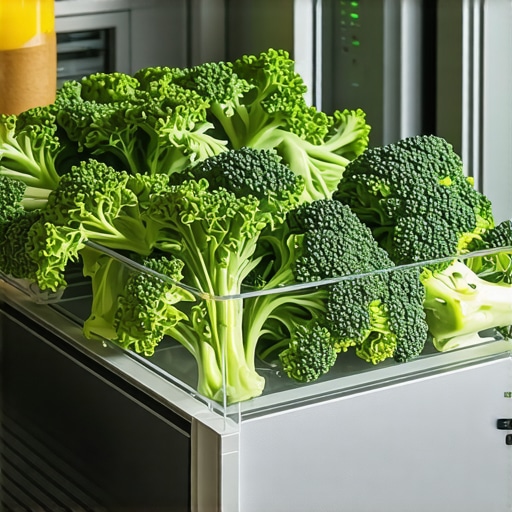
How the Closed Vent Mimics a Rain Forest
The physics here is simple: by cutting off air circulation, you’re preventing the refrigerator’s cooling coils from sucking the moisture out of your greens. Modern refrigerators in 2025 top features that transform your kitchen often include dual evaporators to help with this, but the manual slider is still your best line of defense. If you notice condensation on the walls of the drawer, you’ve done it right. That moisture is what keeps the kale crisp enough to actually enjoy.
Give Your Fruit Some Breathing Room
Now, let’s talk about the ‘Low Humidity’ setting. This is the ‘open window’ of your fridge. By sliding the tab to low, you open the vent and allow air to circulate freely. This is vital for fruits that produce ethylene gas as they ripen. If you trap that gas in a closed drawer, it acts like a biological accelerator, causing everything inside to rot at triple speed. I learned this the hard way when I once stuffed three boxes of expensive organic strawberries into a closed high-humidity drawer. By the next morning, they weren’t just soft; they were covered in a thick, fuzzy white blanket of mold while my nearby peaches had turned into mush. I had essentially created a gas chamber for my fruit. Use the low setting for apples, pears, stone fruits, and anything else that tends to get soft or ‘mealy’ quickly. If you find your fridge is struggling to maintain these zones, you might need to learn how to calibrate your refrigerator thermometer without calling a pro to ensure the base temperature is correct.
Stop the Ethylene Gas Trap
The secret to a long-lasting grocery haul is separation. Never put your gas-producers (apples) in the same drawer as your gas-sensitives (lettuce). Even if you have the settings right, the sheer volume of gas from a bag of apples will murder a head of romaine in 24 hours if they share a drawer. When looking for the best ways to maximize space in a counter-depth refrigerator, prioritize this separation over aesthetics. It might look pretty to have all your produce in one bin, but it’s a recipe for waste. Also, be careful not to block the vents with large containers. One of the common 5 mistakes that are shortening the life of your smart refrigerator is overstuffing drawers to the point where the mechanical sliders can’t actually move or the air can’t reach the back of the cabinet.Moving past the humidity sliders, there is a much bigger misconception about how our kitchen workhorses actually function. Most of us believe that if an appliance is ‘smart’ or ‘high-efficiency,’ it should require less of our attention. In reality, the more advanced the tech, the more specific the care it needs. For example, many people get frustrated when they realize why your high-efficiency fridge runs more often than your old one. They think it’s broken or wasting power, but it’s actually a contrarian truth: running a compressor at a low, steady speed is far more efficient than the old-school ‘blast and stop’ method. It’s like a marathon runner versus a sprinter. If you expect your fridge to be silent and dormant like your grandmother’s unit, you might end up calling a repairman for a ‘problem’ that is actually a feature. Have you ever fallen into this trap of thinking your new machine was malfunctioning? Let me know in the comments!
Stop Drowning Your Laundry in Suds
The ‘oops’ factor hits hardest in the laundry room. I see so many people treating their high-efficiency (HE) washers like the top-loaders from the 90s. They dump in a full cap of detergent, thinking more soap equals cleaner clothes. But because HE machines use so little water, that excess soap has nowhere to go. It creates a slimy biofilm that coats the outer drum—a place you can’t see but can definitely smell. This is exactly why your front-load washer always smells like a damp locker room. You are essentially feeding the mold. I’ve learned that why your washer doesn’t need a whole cup of detergent to get clothes clean is rooted in chemistry; modern surfactants are incredibly concentrated. If you see suds in the window, you’ve used too much. #IMAGE_PLACE_HOLDER_C#
Why does your high-end machine still leave spots?
If you’ve invested in innovative dishwashers with AI technology you must know that even the smartest sensors can be fooled. A common mistake is pre-rinsing dishes until they are spotless before loading them. Modern dishwashers have turbidity sensors that measure how ‘dirty’ the water is to determine the cycle length. If you pre-rinse, the sensor thinks the dishes are clean, triggers a shorter, cooler cycle, and you end up with stuck-on food or a chalky film. According to the American Cleaning Institute (ACI), enzymes in modern detergents actually need food particles to latch onto to work effectively. Without that ‘grip,’ the detergent just bounces off the plates and can eventually etch your glassware. I’ve found that the truth about eco mode on modern dishwashers is that it works perfectly, but only if you trust the machine to do its job without your ‘help’ at the sink. Sometimes, choosing the right refrigerator tips from industry experts or the right dishwasher habits means unlearning everything our parents taught us about chores. It’s about working with the machine’s logic, not against it.It is one thing to know how to load a drawer, but it is another thing entirely to ensure that drawer is still sliding smoothly ten years from now. I have found that the most expensive service calls almost always stem from the ‘invisible’ parts of our machines. For instance, most people don’t realize there is a the secret drain filter at the bottom of your fridge you never knew existed. When this gets clogged with dust or pet hair, your compressor has to work twice as hard, leading to those 5 mistakes that are shortening the life of your smart refrigerator. I personally keep a long, flexible condenser coil brush in my utility closet and use it every six months. It is a messy job, but seeing the mountain of dust come out from under the fridge is weirdly satisfying because I know I am saving myself a $400 repair bill. According to technical guidelines from the Association of Home Appliance Manufacturers (AHAM), keeping these coils clean can improve energy efficiency by as much as 30% in some environments.
How can I make my high-end appliances actually last?
Longevity in the modern kitchen is about proactive hygiene rather than reactive repair. You need to become comfortable with the ‘uncomfortable’ parts of the machine. I make it a habit to how to clean the hidden filter in your energy efficient dishwasher every month. If you wait until the dishes come out gritty, you’ve already allowed biofilm to build up in the internal hoses. The same logic applies to your laundry room. You should learn how to clean a front load washer filter without flooding the room to prevent that ‘old gym sock’ smell from ever taking root. 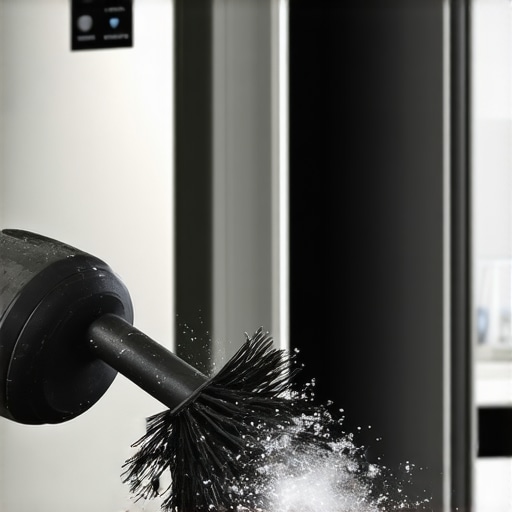 Beyond the physical cleaning, we are now in an era where software maintenance is just as critical. I’ve seen people lose access to their favorite features simply because they ignored a notification. You must know how to update the firmware on your smart kitchen appliances to ensure security patches and efficiency algorithms are up to date. Looking toward the future of home appliances trends to watch in 2025, I predict we will see machines that perform self-diagnostics and even order their own replacement filters before the old ones fail. We are moving toward a ‘self-healing’ kitchen, but until then, the brush and the filter-rinse are your best friends. I challenge you to go check your dishwasher filter right now; if it feels slimy, give it a scrub with some hot water and dish soap. You will be amazed at how much better your next cycle performs!
Lessons My Rotting Produce Taught Me
I used to think my fridge was a static box, but it is actually a living ecosystem. The biggest lightbulb moment for me was realizing that every time I crowded a drawer, I was essentially strangling my vegetables. I also learned that the factory settings are rarely perfect for every home. If you really want to get technical, choosing the right refrigerator tips from industry experts can help you understand the nuances of air flow. Here are a few things I wish someone had told me years ago:
- The ‘Half-Full’ Rule: Drawers work best when they are about 75% full. Too empty, and they lose humidity; too full, and the air stops circulating.
- Seasonal Adjustments: In the winter, when your home heating dries out the air, your high-humidity drawer needs to be extra sealed.
- Ethylene gas is patient: Just one bad apple in a low-humidity drawer really can spoil the bunch if the vent is even slightly blocked.
Gear That Actually Makes a Difference
You do not need a degree in engineering to keep things running, but a few tools can make the journey much easier. I swear by a basic refrigerator thermometer to keep an eye on those micro-climates. If you are tech-savvy, the best apps for tracking food expiration in your smart fridge are absolute game-changers for busy families who want to minimize waste. I also recommend keeping a simple coil brush in your utility closet; it is the most underrated tool in the kitchen for preventing the mechanical burnout we often see in refrigerators in 2025 top features that transform your kitchen. #IMAGE_PLACEHOLDER_E#
Your Roadmap to a Waste-Free Kitchen
Now that you know how to master those humidity sliders and keep your machine clean, you are ahead of 90% of homeowners. Don’t let the fear of ‘doing it wrong’ stop you from experimenting with your settings. Taking these small steps today ensures that your next grocery trip won’t end up in the compost bin. Your refrigerator is your biggest ally in a healthy lifestyle—treat it well, and it will return the favor for years to come. Have you ever discovered a ‘mystery filter’ or a setting that completely changed how your food stayed fresh? Let me know in the comments below!