
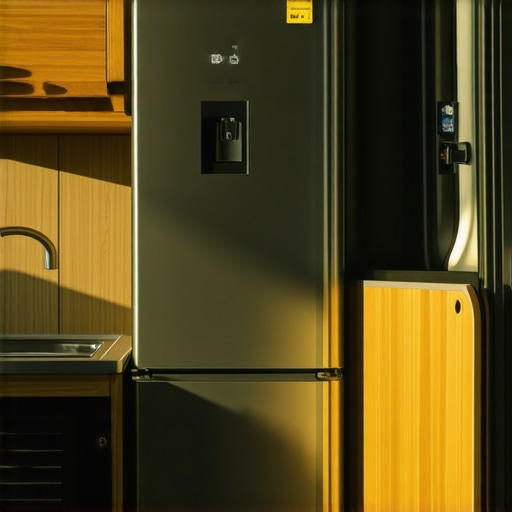
I will never forget the sound of silence. In a van, silence usually means peace, but that afternoon in the blistering Mojave heat, it meant my budget-friendly dorm fridge had finally given up the ghost. I opened the door to a blast of warm, sour air and a puddle of what used to be expensive organic milk. It was a classic rookie move. I had bought a fridge meant for a climate-controlled bedroom and expected it to survive a 100-degree van interior while bouncing down washboard roads. Spoiler alert: it did not. Finding a fridge that fits a footprint smaller than a pizza box but actually keeps your food safe is the ultimate puzzle for tiny living. Whether you are building out a Sprinter or downsizing to a 200-square-foot cottage, every inch is a battlefield. Today, I am going to save you the $300 and the heartache I wasted on that first unit. We are diving into the absolute best slimline fridges that actually survive the rigors of off-grid life without killing your battery bank.
The Day My Milk Turned Into Yogurt (and Not the Good Kind)
When I first started my tiny living journey, I thought I was being clever by grabbing the first small appliance I saw at a clearance sale. I ignored the choosing the right refrigerator tips from industry experts because I was in a rush to get on the road. That was my first big mistake. Most of those units are not built for the vibration of a moving vehicle or the limited power cycles of a solar setup. You see, the best energy efficient appliances for off-grid living are not just smaller versions of what is in your parents’ kitchen. They use entirely different cooling tech. I learned the hard way that the difference between inverter and traditional refrigerator compressors is not just technical jargon—it is the difference between a cold beverage and a warm, flat mess. Have you ever had to throw out an entire week’s worth of groceries because your fridge could not handle a simple power dip? Trust me, it is a soul-crushing experience.
Won’t a Cheap Mini-Fridge Just Do the Job?
I get it. You look at a cheap dorm fridge and a dedicated 12-volt slimline unit and your wallet starts screaming. You think the price difference is just branding. Here is the reality: standard AC fridges are power hogs. According to research by the National Renewable Energy Laboratory, refrigeration is one of the most energy-intensive tasks in a home, and in an off-grid scenario, an inefficient compressor can drain a battery bank 40% faster than a dedicated DC unit. That cheap fridge ends up costing you more in extra solar panels and batteries than the right fridge ever would have. If you are currently staring at a narrow gap in your cabinetry, tell me—what is your biggest worry about going small? Is it the price tag or the fear of things not fitting? Now that we have covered why settling for a standard unit is a recipe for disaster, let’s look at the specific models that actually work in tight spaces.
Measure the Hinge Radius Before You Build
The biggest mistake I ever made was measuring for the fridge body but forgetting about the door swing. I spent three days building a custom walnut pantry only to realize that when the slimline unit was tucked in, the door hit the cabinet trim at 30 degrees. I could not even pull out the crisper drawer to get a lemon. To avoid my fate, check if you need to how to change the door swing on your refrigerator to fit your specific floor plan. Most high-end slimline units allow for a reversible door, but you need to know this before you wire the kitchen. If your cabinet is 20 inches wide, a 19-inch fridge isn’t always enough room for the hinge to pivot outward without gouging your woodwork.

Pick the Inverter if You Value Your Batteries
Think of a traditional compressor like a sprinter: it is either standing still or running at 100% speed, which creates a massive electricity surge that can trip small off-grid inverters. An inverter compressor, however, is like a seasoned marathon runner. It slows down and speeds up gradually to maintain a steady temperature. When looking at refrigerators in 2025 top features that transform your kitchen, the inverter technology is essentially non-negotiable for tiny living. It is the core of the difference between inverter and traditional refrigerator compressors, ensuring your solar panels aren’t working overtime just to kickstart the cooling cycle every twenty minutes.
Stop Your Veggies from Turning into Ice Cubes
In a small fridge, the cooling element is often just inches away from your food. This leads to the dreaded top shelf freeze. I once pulled out a head of romaine that was literally a green popsicle because I jammed it too close to the back plate. To prevent this, learn how to stop your refrigerator from freezing the milk on the top shelf by leaving a strict two-inch air gap. Airflow is the secret sauce of small-scale refrigeration. If the cold air cannot circulate, it pools and freezes whatever it touches. Also, make sure you know how to use your fridges humidity slides to keep produce fresh; in a tiny environment, the internal air gets dry fast, and your greens will wilt into leather without that moisture barrier properly engaged.
Monitor the Power Draw Like a Pro
You cannot manage what you do not measure. In my early days, I was constantly guessing how much juice my fridge was sipping from my battery bank. Now, I use the best smart plugs for monitoring appliance energy use to see real-time data during heatwaves. Even if you are 100% off-grid on a DC system, many modern slimline fridges have Bluetooth apps that act as a digital window into the compressor’s soul. For a truly seamless experience, you can even how to set up your smart refrigerator to alert you when the door is ajar, which is a lifesaver in a van or tiny home where a slightly unlevel floor might cause the door to drift open. This is a staple for the best energy efficient appliances for off-grid living because every single watt-hour counts when the sun goes down.
Stop Rinsing Your Dishes Right Now
We have all been conditioned to believe that scrubbing our plates before they hit the dishwasher is the sign of a ‘good’ houseguest. In reality, you are sabotaging your own appliance. Modern sensors are designed to detect how much food is in the water; if you pre-rinse, the sensor thinks the dishes are already clean and shortens the cycle, leaving a filmy residue. This is often why your dishwasher pod isnt dissolving completely—the machine simply doesn’t run hot enough or long enough because it thinks its job is done. I learned this the hard way after three service calls. Most high-end units today rely on enzymes in the detergent to ‘eat’ the food. If there is no food to eat, those enzymes just end up scratching your glassware. It is a counterintuitive truth, but the dirtier the plate, the better the machine performs.
Your Laundry Soap is Probably Ruining Your Machine
There is a massive misconception that more soap equals cleaner clothes. In the world of high-efficiency (HE) units, this is a dangerous trap. According to the Association of Home Appliance Manufacturers (AHAM), using too much detergent creates a ‘suds lock’ that prevents the water from actually penetrating the fabric. Worse, that excess soap builds up as a slimy biofilm on the outer tub, leading to that ‘old gym sock’ smell. You need to understand why your washer doesnt need a whole cup of detergent to get clothes clean before you burn out your drain pump. This buildup is also a primary culprit for washing machines that save water expert advice for 2025 indicates that modern cycles are so finely tuned that even an extra tablespoon of soap can throw off the balance. Have you ever fallen into this ‘more is better’ trap with your detergent or pre-rinsed your dishes until they were basically clean? Let me know in the comments.
Will Your Smart Appliances Last More Than Five Years?
The question I get asked most by people moving into tiny homes or modernizing their kitchens is about longevity. We are living in an era where why modern refrigerators dont last as long as your grandmas is a genuine concern. The complexity of the boards and the tight tolerances of the compressors mean they are sensitive to things your 1980s fridge never cared about—like software. One of the biggest ‘oops’ factors I see is people ignoring their WiFi connectivity. If you do not know how to update the firmware on your smart kitchen appliances, you are missing out on critical bug fixes that prevent the compressor from overworking. You are effectively letting a 5 mistakes that are shortening the life of your smart refrigerator list dictate your appliance’s lifespan just by staying offline. Real expertise isn’t just about picking the right model; it’s about maintaining the digital and physical components equally to ensure your investment actually survives the decade.
Hunt Down the Hidden Filters You Didn’t Know Existed
If you want your high-tech gear to survive the 2020s, you have to stop treating them like static boxes that just work. Most of the ‘breakdowns’ I see in the tiny house community are actually just maintenance debt. For example, your dishwasher has a heart, and it is usually covered in yesterday’s lasagna. You need to know how to clean the hidden filter in your energy efficient dishwasher at least once a month. If you don’t, that fine mesh gets choked with calcium and grease, forcing the motor to work twice as hard. It is the same story in the laundry room; I have seen perfectly good units get tossed because the owner didn’t know how to clear a blocked pump on your front load washing machine. A single stray bobby pin or a forgotten dime can lock up a high-efficiency pump, causing the machine to throw a cryptic error code that looks like a death sentence but is actually a five-minute fix. 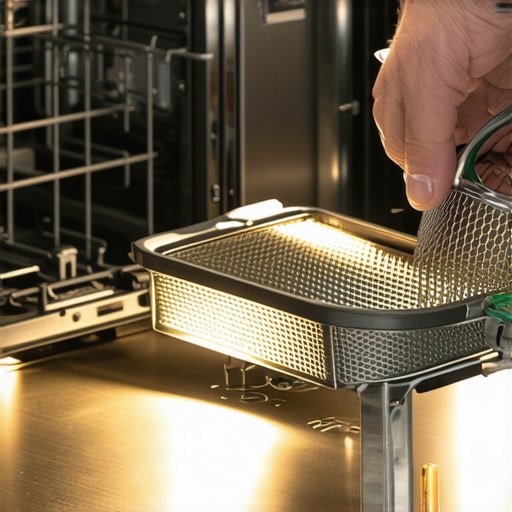
How do I actually maintain this gear over the long haul?
The secret is a mix of digital hygiene and physical deep cleans. Beyond the filters, you have to think about the chemistry of your cleaning. Even if you use the fancy pods, you need to understand why your dishwasher still needs rinse aid even with 3-in-1 tablets to prevent the etching and film that eventually clogs the spray arms. If you have been away for a while, don’t just start a load; learn the best way to sanitize your dishwasher after a long vacation to clear out stagnant water and bacteria. According to the Residential Energy Services Network (RESNET), even a slight loss of calibration in your fridge’s thermostat can increase energy consumption by up to 10% annually. I personally make it a habit to how to calibrate your refrigerator thermometer without calling a pro using a simple ice-water bath test once a season.
The Tools That Saved My Sanity (and My Floor)
I do not leave home without a few specific tools in my kit. First is a high-quality bubble level. It sounds basic, but knowing how to level a washing machine on an old slanted floor is the difference between a quiet spin cycle and a machine that tries to walk through the drywall. Second, I am obsessed with data. I use the best smart plugs for monitoring appliance energy use to track when my fridge compressor starts running longer than usual—which is my early warning system that the coils need a vacuuming.
What Happens When Your Fridge Starts Thinking for Itself?
Looking at the future of home appliances trends to watch in 2025, we are moving toward a world of predictive maintenance. Instead of waiting for a puddle, your washer will likely send a push notification to your phone saying ‘Check valve 4 is 20% restricted.’ We are transitioning from reactive repairs to proactive software updates. My advice? Go grab a flashlight right now and check the base of your dishwasher for that hidden screen; it’s the easiest way to prevent a $500 repair bill tomorrow.
The Realities of Maintenance Experts Forget to Mention
Building out a small space taught me that hardware is only half the battle. One major lightbulb moment was realizing that vibration is the silent killer. In a van or tiny home, those constant micro-jolts loosen connections and mess with the sensors in even the most expensive units. Also, never underestimate the power of airflow; if your slimline fridge is gasping for air behind a tight cabinet, it will die young. I finally understood that preventative care is actually cheaper than a single service call. Sometimes, a simple reboot is all you need, especially if you know how to reset your smart fridge after a power outage before the internal computer gets stuck in a loop. Managing these quirks is just part of the journey toward a truly efficient living space.
The Resources That Keep My Off-Grid Systems Running
To stay on top of things, I rely on a few specific lifelines. First, I keep an eye on the ultimate guide to smart home appliances for a modern living to see which brands are actually prioritizing repairability over flashy features. Second, I am a huge advocate for using the best apps for tracking food expiration in your smart fridge—in a small fridge, things get buried quickly, and food waste is a crime when space is tight. Finally, I always keep a digital copy of maintenance logs; knowing exactly when I last had to how to fix a dishwasher that leaves water in the bottom after the cycle or checked the seals saves hours of troubleshooting when something feels off. These tools take the guesswork out of high-tech housekeeping.
Take the Leap Into a Smarter Small Space
Choosing the right gear should not feel like a gamble. Whether you are hunting for the top smart appliances for a seamless home experience in 2025 or just trying to keep your milk cold in the desert, the key is knowledge. Modern technology has finally caught up with our desire for minimalism, allowing us to live big in tiny footprints without sacrificing the comforts of a cold drink or clean clothes. Don’t let the fear of a technical glitch stop you; with a bit of prep, you can master your home appliances and enjoy the freedom they provide. Have you ever had a small appliance fail on you at the worst possible moment? Let me know in the comments below!