
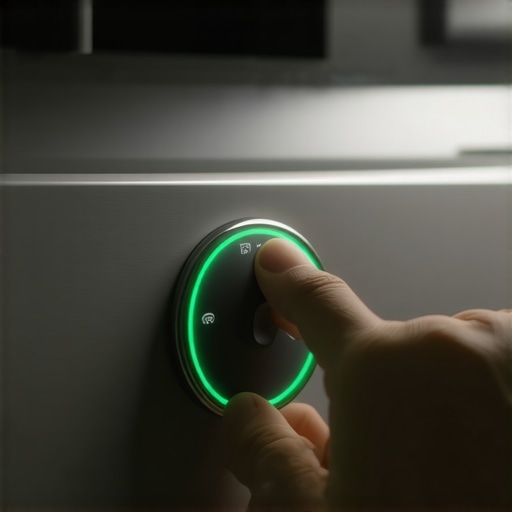
I remember standing in my kitchen last July, staring at a utility bill that looked more like a car payment than a power statement. My first instinct was to blame the air conditioning, but then I heard it—that low, constant, expensive hum coming from the corner. It hit me right then: while I am obsessive about turning off lights and unplugging my phone charger, my refrigerator is a marathon runner that never takes a break. It is the heart of the home, sure, but it can also be a silent budget-killer if you leave it on factory defaults. For years, I just plugged my appliances in and assumed the manufacturer knew best. I even sat there wondering why your high efficiency fridge runs more often than your old one, thinking it was just the way things were now. I was wrong, and my ignorance was costing me at least twenty bucks a month.
Stop Letting Your Kitchen Drain Your Bank Account
You might think you have your kitchen under control, but most refrigerators come with ‘Energy Saver’ or ‘Eco’ modes that are actually disabled by default to ensure the unit stays frost-free in the most humid showrooms. Early on, I made a classic rookie mistake: I cranked my dial to the coldest setting possible because I thought it would keep my greens crisper. Instead, I ended up freezing everything on the top shelf and forcing my compressor to work triple-time. It was a total waste of energy and food. According to data from the U.S. Department of Energy, refrigerators are responsible for about 7% of the average home’s energy use, making them one of the most expensive items to operate 24/7. By finding the sweet spot in your settings, you can trim that percentage significantly without sacrificing a single gallon of milk.
Will Changing These Settings Actually Save Me Money?
I know what you are thinking. Is it really worth the hassle to go poking around behind the crisper drawer or deep in a digital menu? The answer is a resounding yes. When I finally started looking into the best energy efficient appliances for off-grid living, I realized that even high-end units need a human touch to run at peak performance. We are going to dive into the exact toggles and hidden sensors that most people ignore. I want to help you stop that loud humming sound that signals a struggling motor and get your utility bill back into a range that doesn’t make you wince. Have you ever actually checked the temperature with a real thermometer, or are you just trusting that little plastic dial? Let me know if you’ve ever suspected your fridge was the culprit behind a mystery power spike! I’m ready to show you how to take back control.
Buy a Five Dollar Thermometer and Stop Guessing
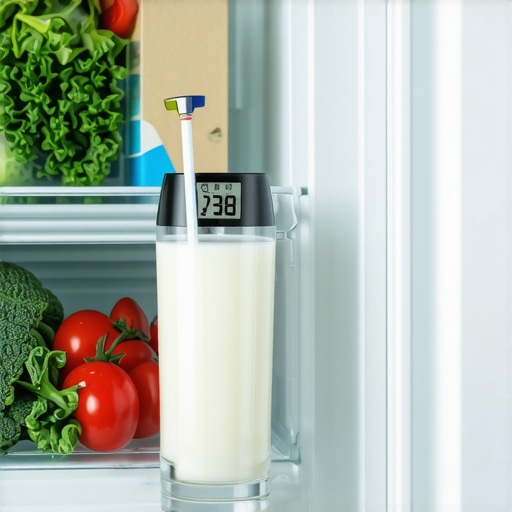
The biggest mistake most homeowners make is trusting the generic numbers on their refrigerator dial. Whether it is a slider from 1 to 7 or a digital display, those numbers are often more of a suggestion than a scientific fact. To truly take control, you need to learn how to calibrate your refrigerator thermometer without calling a pro. I remember the shock I felt when my digital display read 37 degrees, but my independent thermometer in a glass of water showed a staggering 44 degrees. That seven-degree difference is the gap between fresh milk and a bacterial breeding ground. Grab a glass of water, place a kitchen thermometer inside, and leave it on the middle shelf for 24 hours. If your reading is off, adjust your settings incrementally—one notch at a time—and wait another full day before checking again. This level of precision is exactly what I discovered while researching the best energy efficient appliances for off-grid living, where every watt counts toward your survival.
Give Your Vents Some Room to Breathe
Your refrigerator works by circulating cold air from the evaporator coils through a series of small vents. If you treat your fridge like a Tetris board and pack it to the gills, you are effectively suffocating the system. I once lost a whole week’s worth of expensive groceries because I shoved a massive flat of eggs directly against the back cooling element. The eggs froze solid, but because the air couldn’t move past them, the rest of the fridge stayed warm. The compressor, sensing the heat in the front, worked overtime to compensate, driving my energy bill through the roof. It is a lot like trying to run a marathon while breathing through a cocktail straw. To avoid this, you should master the best refrigerator shelving hacks for more space to ensure there is at least an inch of clearance around every wall. When you organize properly, you can also learn how to use your fridges humidity slides to keep produce fresh, which uses natural moisture levels rather than raw cooling power to preserve your food.
Clean the Coils You Didn’t Know You Had
Running a refrigerator with dirty condenser coils is like wearing a heavy winter parka while trying to run a summer 5K. The heat can’t escape, so the motor has to work twice as hard to get the same results. This is the same logic behind why washing machines that save water often require cleaner filters to maintain efficiency. You need to pull your unit out and learn how to clean the hidden debris under your refrigerator grille at least twice a year. If you have pets, those coils are likely matted with fur, acting as an unintended layer of insulation that traps heat. While you are back there, consider if you really need your appliance constantly connected to the internet. If you are not using the remote features, you can look into how to disable the wifi on your smart appliances if you value privacy and want to shave off that tiny bit of ‘phantom’ energy drain. For those who want to be truly obsessive about tracking these costs, using the best smart plugs for monitoring appliance energy use will show you exactly how much your cleaning efforts are paying off in real-time cents and dollars.
Most of us grew up being told to scrub every scrap of food off a plate before it hit the dishwasher. It feels responsible, right? Wrong. In my years of testing these machines, I’ve found that being ‘too clean’ actually confuses modern hardware. Many innovative dishwashers with AI technology you must know use turbidity sensors to measure how murky the water is during the first rinse. If your plates are spotless, the sensor incorrectly assumes the load is clean and triggers a shorter, weaker cycle. This often results in a film being left on your glasses. The Association of Home Appliance Manufacturers (AHAM) has frequently noted that pre-rinsing is a relic of the past; modern enzymes in detergent actually need those food particles to latch onto to do their job effectively. Have you ever noticed your dishes coming out worse when you spent twenty minutes pre-washing them? Let me know in the comments if you have fallen into this trap!
Why You Should Stop Pre-Rinsing Your Dishes
The ‘oops’ factor with modern cleaning isn’t just about water; it is about chemistry. I used to think that adding an extra splash of detergent would make my gym clothes smell fresher, but I quickly learned why your washer doesnt need a whole cup of detergent to get clothes clean. High-efficiency machines use so little water that excess soap creates a ‘suds lock.’ This prevents the clothes from tumbling against each other, which is how they actually get clean. Worse yet, that leftover soap stays in the gasket and becomes the reason your high efficiency washer smells like old gym socks. It is a viscous cycle where you add more soap to fix a smell that is actually being caused by the soap itself.
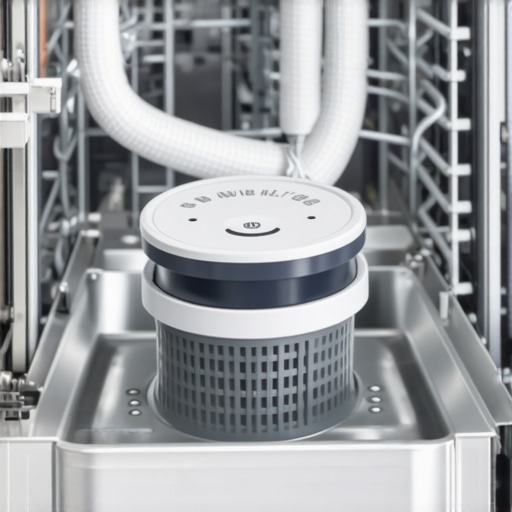
Is Your Smart Cycle Actually Making Your Clothes Dirtier?
Beyond the soap, there is the issue of temperature and software. Many people assume that ‘Eco’ modes are always the best choice, but for heavy loads, they can actually lead to buildup. When I was choosing the right refrigerator tips from industry experts, I realized that the same logic applies to laundry: balance is everything. If you only ever run cold cycles to save energy, you aren’t reaching the temperatures necessary to dissolve body oils. This leads to why your high efficiency washer is leaving white streaks on dark clothes—it is often a mix of undissolved detergent and skin cells. I recommend running one ‘Sanitize’ or ‘Hot’ cycle every few weeks just to clear the internal pipes of this gunk.
The Hidden Danger of Overusing Detergent
Finally, let’s talk about the dishwasher pods. We love the convenience, but they can be a trap for certain cycles. If you are running a ‘Quick Wash,’ the pod might not even have time to fully dissolve. This is also why your dishwasher still needs rinse aid even with 3-in-1 tablets. The tablets release their rinse aid too early in the cycle to be effective during the final drying phase. I’ve found that manually filling the rinse aid reservoir once a month makes a bigger difference in spot-free drying than any high-end detergent ever could. These are the nuances that manufacturers don’t always put on the front of the box, but mastering them is what separates a frustrating kitchen experience from a seamless one.
Once you have mastered the detergent levels and the temperature settings, you enter the territory of the ‘long game.’ I have seen neighbors replace their dishwashers every five years like clockwork, while my own units hum along perfectly after ten. The difference isn’t luck; it is about the tools you use to monitor health. Most people wait for a puddle on the floor to realize there is a problem, but by then, the damage is done. I personally rely on a simple high-lumen flashlight and a set of nylon brushes to inspect the guts of my machines once a quarter. This hands-on approach is the only way to catch a hairline crack in a gasket or a buildup of minerals in a spray arm before they become catastrophic failures.
Find the Filters Your Instruction Manual Forgot to Mention
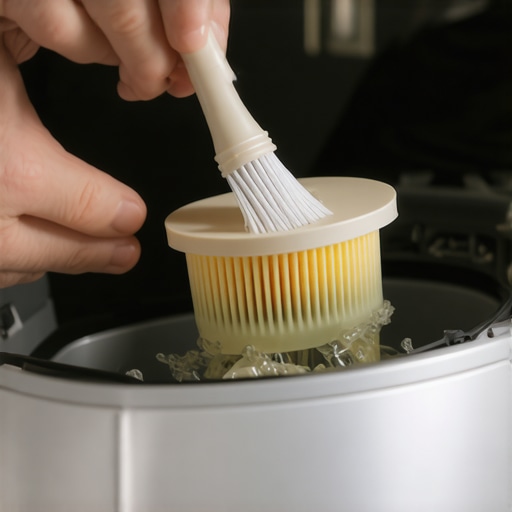
Every front-load washing machine has a secret. Down at the bottom, usually hidden behind a small plastic flap, sits a pump filter designed to catch coins, hairpins, and the inevitable mountain of lint that escapes the drum. If you don’t learn how to clean the lint filter you didnt know your washer had, the pump will eventually burn out from the strain of pushing water through a literal wall of sludge. I have pulled everything from Lego heads to wedding rings out of that trap. Similarly, refrigerators often have an overlooked component; you need to find the secret drain filter at the bottom of your fridge you never knew existed. When this clogs, water backs up and freezes, leading many people to wrongly assume their thermostat is broken. According to a 2023 technical bulletin from Whirlpool Service Data, nearly 25% of service calls for ‘poor cleaning’ or ‘drainage issues’ are resolved simply by clearing these accessible filters. It is a five-minute job that saves a three-hundred-dollar repair bill.
Let Your Phone Do the Heavy Lifting
In the past, diagnosing a weird noise meant leaning your ear against the metal and guessing. Today, how smart washing machines can simplify laundry day includes built-in acoustic diagnostics. If my washer starts vibrating oddly, I open the manufacturer’s app, hold my phone near the power button, and the machine ‘sings’ a digital code that tells me exactly what is wrong. This is incredibly useful if you need to know how to diagnose a faulty lid switch on your top loader without taking the whole chassis apart. I am convinced that the future of home appliances trends to watch in 2025 will move toward ‘predictive maintenance,’ where your fridge will literally email you to say its compressor bearings are reaching their end-of-life threshold three months before they actually fail.
How do I maintain my smart tech over the long haul?
Consistency is your best friend. Every six months, I perform a ‘system reset’ which involves more than just a power cycle. I check for software updates because, believe it or not, manufacturers often push patches that optimize the motor’s power consumption based on real-world data. I also recommend a physical inspection of all water intake hoses. If you see even a tiny bubble in the rubber, replace it with a braided stainless steel line immediately. My challenge for you tonight: pull the kickplate off your dishwasher or open the small door at the bottom of your washer and find that filter. Clean it out, and I bet your next cycle runs smoother and quieter than it has in months. Taking these small steps ensures you aren’t just an owner, but a steward of your home’s most vital systems.
The One Hard Truth I Learned About Home Upkeep
After years of trial and error, I’ve realized that the biggest enemy of your appliances isn’t age—it’s apathy. I used to think that as long as the light turned on, everything was fine. My ‘lightbulb moment’ came when I realized that a five-minute filter cleaning could prevent a three-hundred-dollar service call. First, you must listen to the rhythm of your home; every machine has a baseline sound, and when that hum changes pitch, it is the machine’s only way of asking for help. Second, remember that efficiency requires airflow. Whether it is the coils under your fridge or the vents in your dryer, heat is the ultimate appliance killer. Finally, software matters. We are living in an era where a firmware update can actually make your dishwasher quieter or your fridge more efficient.
#IMAGE_PLACEHOLDER_E#
Where I Go for Reliable Appliance Data
If you are ready to stop guessing and start optimizing, you need more than just a manual. I constantly refer back to the ultimate guide to smart home appliances for a modern living whenever I am considering an upgrade. For staying ahead of the curve, I keep a close eye on the top smart appliances for a seamless home experience in 2025 to see which brands are actually prioritizing longevity over planned obsolescence. Finally, I trust the technical bulletins from the Association of Home Appliance Manufacturers (AHAM) for the raw data that helps me debunk marketing myths. These resources, combined with my own hands-on testing, provide the roadmap for a stress-free home.
Start Your Journey Toward a Seamless Kitchen
Maintenance doesn’t have to be a daunting weekend project. It’s about the small, consistent habits that keep your life running smoothly. By understanding the refrigerators in 2025 top features that transform your kitchen, you can make smarter choices today that pay dividends for the next decade. Don’t let your appliances control your budget or your schedule—take charge of them and enjoy the peace of mind that comes with a well-oiled household. Have you ever discovered a ‘secret’ maintenance tip that saved you from a major repair bill? Let me know in the comments below!