
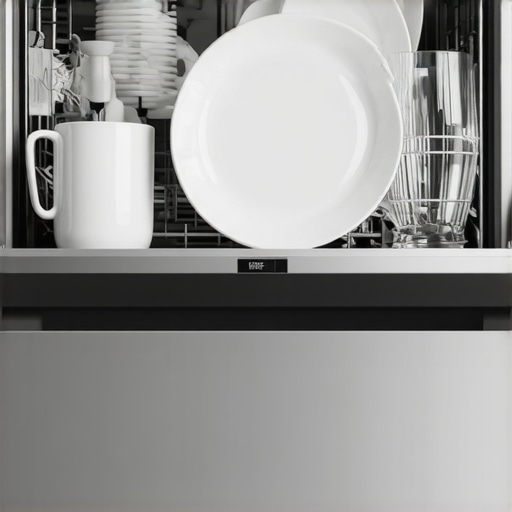
I’ll never forget the Tuesday night I realized I had become a “dish-hoarder.” It wasn’t because I was lazy. It was because my massive, standard-sized dishwasher sat there like a gaping cavern, mocking my single bowl of oatmeal and one coffee cup. I didn’t want to run a full cycle for three items—it felt like a crime against the planet—but I also didn’t want to stand at the sink scrubbing. So, I’d wait. I’d wait for days until I had enough for a “proper” load. By day three, my kitchen smelled like a science project gone wrong. It was a classic case of why your dishwasher pod isn’t dissolving because the load was so sparse and the food so dried on that the machine just couldn’t cope. I finally hit my breaking point when I ran out of clean forks and had to eat salad with a serving spoon. I needed a machine that actually fit my life, not a suburban family of six. Today, I’m going to show you how to pick a machine that doesn’t waste your time, space, or water. We are looking for those hidden gems that fit perfectly into a solo or duo lifestyle without sacrificing cleaning power.
Stop Letting a Huge Appliance Dictate Your Kitchen Routine
Most of us are taught that bigger is better. When I first moved into my apartment, I insisted on a full-size unit. Big mistake. I ended up with standing water in the filter area because the machine didn’t cycle often enough, and it became a breeding ground for nasty odors. If you are living solo or as a duo, those high-capacity drums are often your worst enemy. They encourage you to leave dirty dishes sitting for too long, which leads to bacteria growth and permanent staining. Transitioning to a small-batch mindset isn’t just about saving square footage; it’s about reclaiming your evening. I used to spend twenty minutes every night hand-washing just to avoid the “smell of the half-full dishwasher,” which completely defeated the purpose of owning a machine in the first place. Finding a slimline or countertop model that handles quiet dishwasher operations means you can run a load every single night without guilt.
Is a Tiny Dishwasher Actually Worth the Hype?
You might worry that a smaller unit won’t clean as well or that it’s just a “toy” version of the real thing. I had those same fears. I thought I’d be stuck with dirty spoons and a high utility bill for running it more often. But the reality is that modern slimline and countertop models are absolute powerhouses. According to the experts at The Natural Resources Defense Council (NRDC), even smaller dishwashers use significantly less water than hand-washing, typically using only about 3 gallons per cycle compared to the 20+ gallons you might waste at the faucet. When you learn how to choose the best dishwasher for a smaller footprint, you aren’t just saving space; you’re ending the “crusty dish” cycle. Have you ever found yourself avoiding the kitchen just because the dishwasher wasn’t full enough to run? Let me know in the comments! I’ve been there, and the solution is much simpler than you think. [image_placeholder_1]
Pick Your Perfect Match Without Wasting Space
Selecting a machine for a one-person or two-person household is mostly about balancing footprint with frequency. If you have the floor space, an 18-inch slimline model is usually the ‘Goldilocks’ zone. It’s narrow enough to fit into a tiny galley kitchen but deep enough to handle a full-sized dinner plate. When I first tried to install a countertop unit, I realized I couldn’t even fit my favorite oversized pasta bowls inside. It was a disaster. I ended up returning it and opting for a slimline build that integrated perfectly into my cabinetry. When you look at how to choose the best dishwasher, you have to measure your largest plate first. If it doesn’t fit, the machine is just a glorified drying rack. For those in truly tight quarters, like a studio or a van, countertop models are the heroes of the story, but they require you to be more disciplined with your loading habits.
Forget the Huge Units and Go Slimline
A slimline dishwasher isn’t just a shrunk-down version of a standard unit; it’s designed for high-pressure efficiency. Because the cabinet is smaller, the water jets hit the dishes with more concentrated force. Think of it like a garden hose: if you put your thumb over part of the nozzle, the water comes out faster and stronger. That’s essentially what’s happening in a compact machine. However, this extra pressure means you have to be careful with placement. I once made the mistake of putting a lightweight plastic lid on the bottom rack, and the force of the water flipped it over, filled it with dirty water, and blocked the spray arm entirely. By the time the cycle finished, nothing was clean. If you’re dealing with an open floor plan, you also need to prioritize quiet dishwasher operations so the hum of the pump doesn’t drown out your TV or podcast.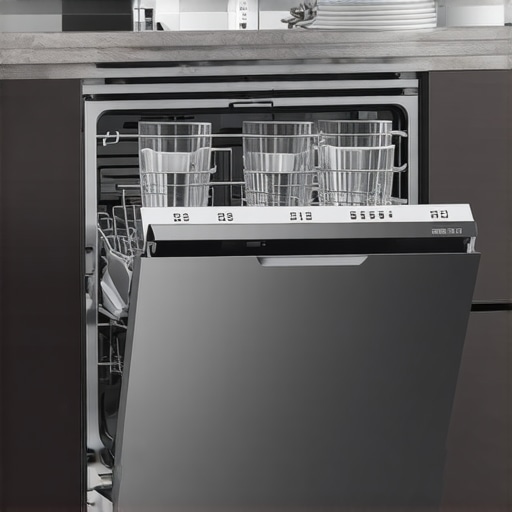
Stop Cramming Your Dishes Like Sardines
The biggest mistake people make with smaller machines is ‘over-stacking’ to avoid running a second load. This is a recipe for failure. You need to treat the racks like a game of Tetris where every piece needs breathing room. If you overlap your plates, the water can’t reach the surfaces, and you’ll end up with those annoying crusty bits. I’ve learned that loading large serving platters without blocking the spray arm is the secret to a successful cycle. If that arm can’t spin 360 degrees, you’re basically just soaking your dishes in lukewarm suds. I now do a ‘spin test’ every time: I manually flick the spray arm with my finger before closing the door. If it hits a spoon or the handle of a pot, I rearrange. It takes five seconds but saves me a two-hour re-wash.
Beat the Hard Water Blues
In a smaller machine, mineral buildup from hard water shows up much faster. If you notice a white haze on your glasses, it’s not the detergent—it’s the minerals. This is why your dishwasher leaves a chalky film and why you need to be proactive. Even if you use high-quality pods, your dishwasher still needs rinse aid to help the water sheet off the dishes rather than pooling and drying into spots. I started using a dedicated rinse aid once a month, and the difference in my glassware was night and day. It’s especially important in compact models that use less water to ‘flush’ out the minerals.
Let Smart Tech Do the Thinking
Modern compact units are surprisingly ‘brainy.’ If you’re someone who forgets to start the machine, look for models with Wi-Fi connectivity. Using innovative dishwashers with AI technology can actually save you money because they can detect how dirty the water is and cut the cycle short if the dishes are already clean. This prevents unnecessary wear and tear on your appliance and your utility bill. I’ve set mine to alert my phone the second the cycle is done, which prevents that ‘musty’ smell that happens when you leave clean, damp dishes in a closed box for twelve hours. It’s all about making the machine work for your specific rhythm, not the other way around.
I used to think that the ‘clean’ smell of laundry was a sign of success. I’d pour in a generous capful of detergent, thinking I was giving my clothes some extra love. But here is the contrarian truth: in the world of high-efficiency machines, more soap actually means dirtier results. When you use too much, the machine can’t rinse it all away, leaving a microscopic layer of film that traps skin cells and bacteria. This is exactly the reason your high-efficiency washer smells like old gym socks despite your best efforts to keep it fresh. I fell into this trap for years until a technician pointed out the ‘biofilm’ coating my outer drum. It’s a hard pill to swallow, but why your washer doesn’t need a whole cup of detergent comes down to modern chemistry; these machines are designed to work with surprisingly small amounts of surfactants.
Your Fridge Isn’t Broken Just Because It’s Always Running
One of the most common ‘nuisance’ complaints I hear is about new refrigerators that never seem to shut up. We are conditioned to think that an appliance should cycle on, roar for ten minutes, and then go silent. However, if you’ve recently upgraded, you might notice why your high-efficiency fridge runs more often than your old one. This isn’t a defect; it’s a feature. Modern units use inverter compressors that stay at a low, consistent hum rather than the aggressive ‘on-off’ cycle of the past. Understanding the difference between inverter and traditional refrigerator compressors is key to maintaining your sanity. If you expect total silence, you’re going to be disappointed. These machines are built to sip energy over long periods rather than gulping it in short bursts.
Does the Eco Cycle Actually Save You Money in the Long Run?
This is where the ‘Oops’ factor really bites. Everyone wants to be green, so we default to the ‘Eco’ or ‘Express’ settings. But here is the expert secret: those low-temperature cycles are terrible at dissolving animal fats and heavy oils. According to research by the Association of Home Appliance Manufacturers (AHAM), consistent use of low-temp cycles without an occasional ‘sanitize’ or ‘heavy duty’ run leads to internal grease buildup that can eventually kill your pump. While the best eco-friendly settings for your modern washing machine are great for lightly soiled loads, you must balance them with high-heat cycles to keep the internals clear. If you only ever run cold, you’re essentially asking for a repair bill in three years. Have you ever fallen into this ‘Eco’ trap and wondered why your dishes still felt greasy? Let me know in the comments!
Lastly, don’t ignore the ‘maintenance’ wash. Just like we need a detox, your machine needs a reset. Using the best way to sanitize a washing machine once a month—usually with an empty hot cycle and a dedicated cleaner—removes the buildup that the ‘quick’ cycles leave behind. It’s the difference between an appliance that lasts eight years and one that lasts fifteen. When you look at the future of home appliances, we see even more sensors, but those sensors can’t scrub the gunk out for you. You still have to be the pilot of your kitchen tech.
I’ve spent too many Saturday mornings on my hands and knees with a flashlight, realizing that most appliance failures are actually just neglect. If you’ve ever wondered why your washing machine is moving across the floor during the spin, it’s rarely a broken motor. Usually, it’s a lack of precision during the initial setup. I don’t trust the built-in leveling apps on smartphones; I use a physical two-foot spirit level. Even a quarter-inch of tilt can cause the internal drum to exert uneven force, which is exactly why your washing machine vibration pads aren’t working as advertised. If the machine isn’t dead-level on a solid surface, those pads just become expensive coasters. For anyone living in an older home, you need to learn how to level a washing machine on an old slanted floor using plywood reinforcement or heavy-duty adjustable legs. It’s the single most important thing you can do to prevent the bearings from screaming like a jet engine in three years.
Stop Your Washer From Walking Out the Door
To truly master your machines, you have to go beyond the surface. I’ve found that the long-term results of ‘set it and forget it’ are almost always expensive repairs.
Invest in a Mini Wet-Vac for Your Dishwasher
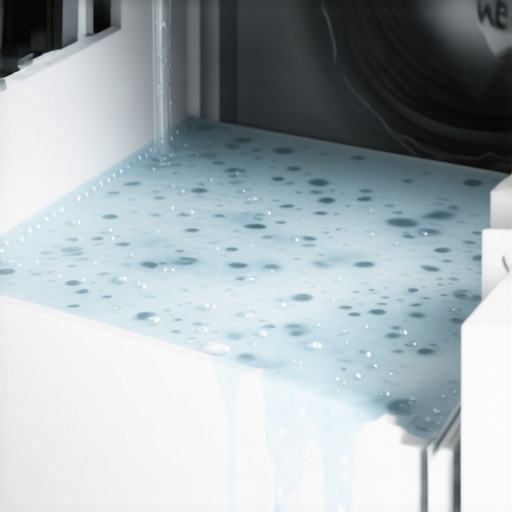
It sounds extreme, but a handheld wet-dry vacuum is my secret weapon. When you need to manually drain a dishwasher when the pump fails, you don’t want to be using a coffee mug and a sponge for two hours. The wet-vac sucks the stagnant, smelly water out of the sump in seconds, allowing you to actually see the mystery object—usually a toothpick or a cherry pit—that’s jamming the impeller. While you’re down there, take a second to deep clean the gasket on your dishwasher to prevent leaks. I use a soft-bristled toothbrush dipped in a mix of warm water and white vinegar. This prevents the rubber from becoming brittle and ensures you won’t have to learn how to prevent mold growth in your dishwasher seal the hard way after the kitchen floor is already soaked. 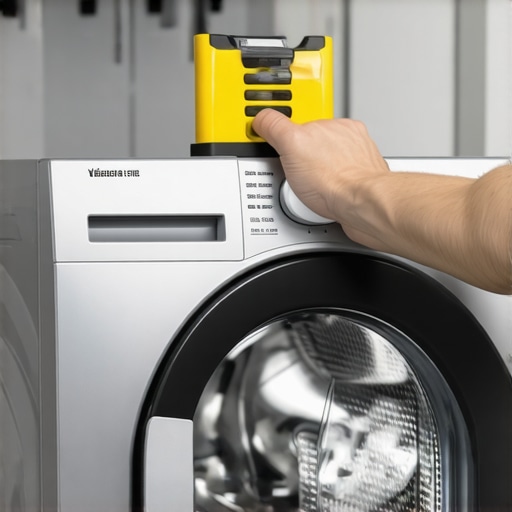
How Do I Keep My Appliances From Dying Early?
Maintenance isn’t just about cleaning; it’s about observation. The engineering team at Miele, known for their rigorous life-cycle testing protocols that often simulate 20 years of use, suggests that the majority of premature failures are caused by over-stressing components through improper loading or chemical buildup. To avoid the 5 mistakes that are shortening the life of your smart refrigerator, you have to treat the coils like the lungs of the machine. I pull my fridge out every six months and use a long-handled coil brush to remove the pet hair and dust. If those coils can’t breathe, the compressor works twice as hard, and you’ll find yourself shopping for a new unit years before you should have to. In the very near future—likely by the time we are looking at the future of home appliances in late 2025—we will see predictive vibration analysis. Instead of waiting for a bang, your machine will use its internal accelerometers to tell you exactly which leg needs a half-turn to stay balanced. We are moving toward a seamless home experience where the appliance acts as its own mechanic. My best tip for you right now? Go grab a level and check your washer tonight. You might be surprised how far off it is, and fixing it today could save you a massive repair bill tomorrow.
Lessons the Repairman Taught Me After the Warranty Expired
I used to think I was saving money by stuffing every last fork into the rack, but I was actually shortening the lifespan of my pump. Now, I embrace the frequent, smaller load—it keeps the seals moist and prevents food from welding itself to the plates. I also stopped buying the ‘bulk’ detergent that promised to last a year; I found it just clumps up and causes dishwasher pods to stop dissolving completely. My biggest lightbulb moment? Realizing my washer wasn’t failing; it was just sitting on a slight tilt. Once I used a real level, the noise vanished instantly. #IMAGE_PLACEHOLDER_E#
The Low-Tech Toolkit That Saves High-Tech Appliances
To keep your home running smoothly, you need a few non-digital essentials. First, get a physical spirit level; don’t trust your phone’s sensor when you need to level a machine on a slanted floor. Second, I highly recommend using apps for tracking food expiration which helps reduce the load on your fridge by preventing over-stuffing. Finally, keep a handheld wet-dry vacuum in the utility closet; it’s the fastest way to manually drain a dishwasher during a pump blockage.
Reclaim Your Evening and Stop Being a Slave to the Sink
You don’t need a massive suburban kitchen to have a professional-grade experience. By focusing on how to choose the best dishwasher for your actual lifestyle, you stop living around your appliances and start making them work for you. Whether it’s a slimline unit or a high-efficiency washer, the goal is to create a seamless home experience that lets you focus on what matters. Don’t be afraid to go small; often, the smallest machines provide the biggest freedom. Have you ever let your dishes pile up for days just to avoid running a half-empty cycle? Let me know your worst ‘dish-hoarding’ story in the comments!