
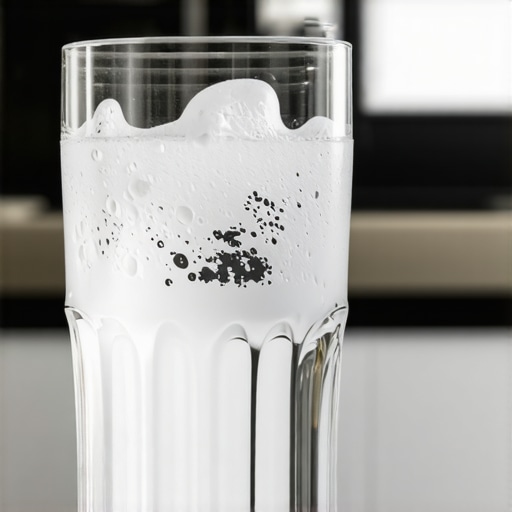
I stood there, squinting at my supposedly clean wine glasses under the kitchen light, feeling a mix of frustration and genuine confusion. They looked like they’d been pulled from a shipwreck. That stubborn, milky film wasn’t just a cosmetic annoyance; it felt like a personal failure of my kitchen routine. If you’ve ever felt the urge to hide your glassware when guests come over, I’ve been in your shoes. We buy these high-end machines to make life easier, yet here we are, hand-polishing ‘clean’ dishes. Today, we’re going to stop the cycle of foggy glass and get back that factory-floor sparkle.
Stop Blaming Your Soap for Those Foggy Glasses
It’s tempting to just switch brands or double the dose when things look dingy. I’ll be honest: early on, I was convinced that more soap meant more power. I was practically filling the dispenser to the brim. It was a total disaster. The truth is, that white haze is usually one of two things: hard water minerals or ‘etching’ from too much heat and detergent. If you live in an area with ‘liquid rock’ coming out of your pipes, you need the best detergent for hard water specifically formulated to bind those minerals before they stick to your glasses. According to the Water Quality Research Foundation, hard water can reduce the efficiency of your cleaning agents by up to 50%, which explains why your dishes still feel ‘gritty’ even after a heavy cycle. I also discovered that why your dishwasher still needs rinse aid is a non-negotiable fact of life, even if your pods claim to have it built-in. Rinse aid lowers the surface tension of the water, allowing it to slide off the glass instead of drying into a spotty mess. Have you ever noticed that the cloudiness actually gets worse the more soap you use?
Is your dishwasher actually broken or just misunderstood?
Many people jump straight to browsing for how to choose the best dishwasher the second they see a film, thinking their current unit has given up the ghost. But before you drop a grand on a new appliance, let’s look at the simple mechanics. Sometimes, the problem is just a clogged spray arm or a filter that hasn’t seen the light of day in months. I’ve seen innovative dishwashers with AI technology struggle with the same issues if the basic maintenance is ignored. We’re going to walk through the ‘vinegar test’ to see if your glasses are actually ruined or just need a better wash environment. Stick with me, because your cabinets are about to look a whole lot brighter.
How to tell if your glasses are actually ruined
To fix the problem, you first have to know what you’re fighting. Grab one of your foggiest glasses and soak it in a bowl of white vinegar for about five minutes. If that cloudy film wipes right off with a microfiber cloth, congratulations—you’re dealing with hard water mineral buildup. If the haze remains, I’m sorry to say it’s likely ‘etching,’ which is actual physical damage to the glass surface caused by high heat and soft water reacting with detergents. For the hard water crowd, switching to the best detergent for hard water that won’t kill your dishwasher is your first line of defense. This isn’t just about brand loyalty; it’s about chemistry. Detergents designed for hard water contain sequestrants that grab onto calcium and magnesium so they can’t bond to your glass. 
Clean the machine that cleans your dishes
I used to think the dishwasher was a self-cleaning environment. I was wrong. Think of your dishwasher filter like the lint trap in your dryer—or better yet, like a kidney. If it’s clogged, the whole system starts circulating ‘dirty’ water back onto your clean plates. I remember a month where every single glass came out looking like it had been dusted with flour. I finally crawled down there, twisted out the filter, and found the soggy remains of a ‘Product of Mexico’ sticker and a single, calcified olive pit. It was disgusting. Once I cleared it, the water could actually flow. If you’re seeing moisture hang around after a cycle, check out why your dishwasher bottom is full of standing water to see if a blockage is your real enemy. You should also take a damp cloth to the edges of the tub; learning the best way to clean your dishwasher door seal without tearing it prevents black mold spots from transferring onto your racks. Don’t forget the spray arms; if the tiny holes are plugged with seeds or lime, the water pressure drops, leaving your glasses half-rinsed.
Stop overloading the racks like a game of Tetris
We all want to be efficient, but nesting bowls and overlapping plates create ‘blind spots’ where the water jets can’t reach. If you have a newer model, you might be wondering about the truth about third racks and if your dishwasher is losing space for taller glasses. The key is to ensure the spray arms can spin freely. Reach in and give them a flick before you close the door. If they hit a spatula or a tall wine glass, you’re guaranteed to have a ‘dead zone’ where soap just sits and dries into a film. Angle your glasses downward so water runs off the base; flat surfaces are where mineral deposits love to pool and dry.
Why you can’t skip the rinse aid
I used to treat rinse aid like an optional ‘extra,’ like the premium car wash wax. It’s not. Water has a natural surface tension that makes it want to form beads. In a dishwasher, those beads act like little magnifying glasses for minerals, drying into those white spots we hate. Rinse aid is a surfactant that makes the water ‘wetter,’ so it sheets off the glass before it has a chance to dry. This is why why your dishwasher still needs rinse aid even with 3-in-1 tablets is the most common advice I give. Those tablets dissolve too early in the cycle to provide the sheeting action needed during the final rinse and dry phases.It sounds counterintuitive, but if you’re scrubbing your plates until they’re spotless before loading them, you’re actually making your dishwasher less effective. Modern units are equipped with soil sensors that detect how dirty the water is. According to the Association of Home Appliance Manufacturers (AHAM), pre-rinsing can trick these sensors into thinking the load is already clean, leading to a shorter, weaker cycle that leaves behind that gritty residue. It’s a classic ‘over-care’ mistake that ends up costing you more in water and energy. If you really want to optimize, focus on scraping off the solid chunks and let the enzymes in your detergent do the heavy lifting they were designed for. The same logic applies to your laundry room. I see so many people dumping a full cap of soap into their HE machines, thinking it’ll tackle that gym smell. In reality, why your washer doesn’t need a whole cup of detergent to get clothes clean is a lesson in chemistry; excess suds actually cushion the clothes, preventing the friction needed to scrub away dirt. This leads to a ‘biofilm’ buildup that makes your machine smell like a swamp. I once thought my washer was dying because of a persistent mildew smell, only to realize I was effectively ‘suffocating’ the drum with luxury-scented sludge. 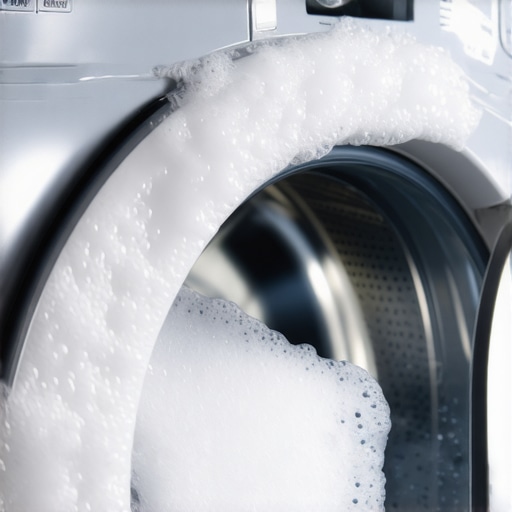
Why do high-efficiency cycles take forever to finish?
This is the number one complaint I hear from people moving from old-school appliances to modern ones. You’re used to a 40-minute wash, and suddenly the screen says 2 hours and 45 minutes. You might think it’s broken, but why your high efficiency washer takes so long to complete a load is actually a deliberate design for energy savings. It uses less water but tumbles longer to achieve the same cleaning results. If you force a ‘quick wash’ every time, you’re likely skipping the parts of the cycle that handle heavy soil or proper rinsing, which leads to those mysterious white streaks on your dark clothes. We also need to talk about the ‘set it and forget it’ trap with refrigerators. Most people never touch the settings after the initial install, but 5 mistakes that are shortening the life of your smart refrigerator often start with ignoring the internal environment. For example, if you don’t know how to use your fridges humidity slides to keep produce fresh, you’re essentially turning your expensive crisper drawer into a generic plastic box that wilts your greens in days. Even as we look toward the future of home appliances trends to watch in 2025, the basics of maintenance—like vacuuming the coils under the fridge or checking the door seals—will still be more important than any touch-screen feature. Another hidden nuance is how we treat ‘Eco’ settings. Many users assume ‘Eco’ is always best, but on a dishwasher, an Eco cycle often runs at a lower temperature. If you have extremely hard water, that lower temp might not be enough to fully dissolve the detergent pods, leading to more of that white film we discussed earlier. It’s about matching the tool to the task, not just clicking the button that sounds the greenest. Have you ever fallen into the trap of ‘over-cleaning’ your dishes or using too much soap? Let me know in the comments below—I’d love to hear if these changes actually fixed your foggy glass or smelly washer issues.Beyond the daily settings, maintaining a smart home is really about the small, monthly wins. I keep a dedicated ‘appliance kit’ in my laundry room—nothing fancy, just a soft toothbrush for gasket grooves, a bottle of white vinegar, and a digital thermometer. Why the thermometer? Because built-in sensors can drift. I’ve found that how to calibrate your refrigerator thermometer without calling a pro is the single most effective way to prevent your milk from spoiling or your lettuce from turning into ice. It’s about precision. If your fridge thinks it’s 37 degrees but it’s actually 42, you’re in the danger zone for bacteria. This kind of drift is one of the 5 mistakes that are shortening the life of your smart refrigerator, as the compressor works overtime to compensate for inaccurate readings.
How do I keep these machines alive for the long haul?
Maintenance isn’t just about cleaning; it’s about monitoring mechanical health. For your washing machine, I recommend a ‘service wash’ every 30 cycles—run the hottest setting with a dedicated cleaner to melt away the fatty deposits from modern detergents. If the machine starts acting up, don’t panic. Learning how to reset the error codes on your modern smart washer can save you a $150 service call just for a simple computer glitch. For refrigerators, pay attention to the sounds. If you understand the difference between inverter and traditional refrigerator compressors, you’ll know that a constant, low-level hum is normal for high-efficiency models, whereas a rhythmic clicking might signal a relay failure. 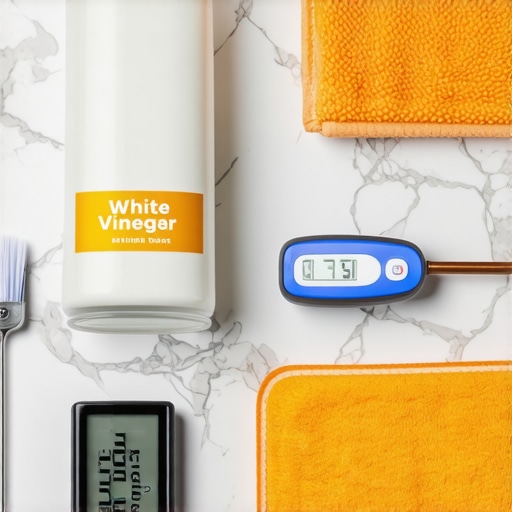 Looking ahead, the future of home appliances trends to watch in 2025 points toward predictive maintenance. We’re moving to a world where your dishwasher will ping your phone to say a bearing is starting to wear out before it actually breaks. But until that tech is standard, you’re the primary sensor. According to Miele’s technical documentation for their G 7000 series, using the best energy efficient settings for your new dishwasher while periodically running a high-temp intensive cycle is the gold standard for longevity. This prevents the ‘sludge’ buildup that eventually kills the circulation pump. Give your dishwasher filter a scrub tonight—just five minutes under hot water. You’ll be shocked at what’s been hiding there. If you’ve already mastered the basics, I want to challenge you to check your fridge door seals with the ‘dollar bill test.’ If you can pull the bill out easily while the door is closed, your fridge is bleeding money and energy.
Hard Truths About Your Smart Kitchen Hardware
After years of tinkering, I’ve realized that less is almost always more when it comes to soaps and chemicals. We’ve been conditioned to think bubbles mean clean, but in a high-efficiency environment, bubbles are often just obstacles. I’ve also learned that the most advanced sensors can’t overcome a basic physical blockage; no amount of top smart appliances for a seamless home experience in 2025 will work if the drainage is clogged with old labels. Finally, trust your eyes and ears—if a cycle feels too short or a sound seems ‘off,’ it usually is. Most people wait for a total breakdown, but catching a drift in temperature early is what separates an appliance that lasts five years from one that lasts fifteen.
My Go-To Toolkit for a Trouble-Free Kitchen
I don’t believe in buying a dozen specialty cleaners. Instead, I keep a few essentials that handle 90% of issues. First, a simple bottle of white vinegar is your best friend for descaling and testing for hard water. Second, I highly recommend keeping a dedicated digital thermometer in your fridge; it’s the only way to know if your settings are actually being met. Third, if you’re struggling with wet dishes, mastering how to get your dishwasher to finally dry your plastic tubs involves using a quality rinse aid—it’s the one ‘extra’ I never skip. For laundry, I always look toward washing machines that save water expert advice for 2025 to ensure I’m using the right load sizes for the mechanics of the drum.
Take Back Control of Your Household Gear
You don’t need a degree in engineering to have a perfectly functioning home. It’s about building those small habits—clearing the filter once a month, checking the seals, and not overworking the motor with excessive detergent. When you treat your home appliances as partners in your daily life rather than just boxes in the corner, they reward you with reliability and a lot less stress. If you ever run into a digital wall, remember the hidden reset button on your smart refrigerator that fixes glitches exists for a reason. Go give your dishwasher a quick check-up today; your future self (and your wine glasses) will thank you. Have you ever found something truly bizarre in your dishwasher filter? Let me know in the comments below! #IMAGE_PLACEHOLDER_E#