
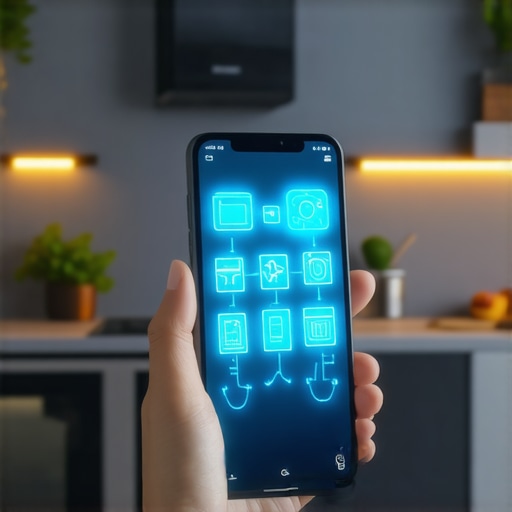
I was standing in my kitchen at 6 PM, balancing a crying toddler on one hip and a bag of frozen peas on the other, trying to remember if I’d actually hit ‘start’ on the dishwasher. I pulled out my phone and groaned. I had to open the LG app for the fridge, then the Samsung app for the laundry, and then—wait, where was the GE app for the oven? I felt like a 1920s switchboard operator instead of a homeowner in a high-tech paradise. It was a mess. This wasn’t the life promised when I started looking into the top smart appliances for a seamless home experience. It was just digital clutter, and I was over it.
Why Having Five Different Apps is Making Your Kitchen Dumber
We’ve all been there. You get a fancy new refrigerator because of those top features that transform your kitchen, and then you add a smart washer, and suddenly your phone has a dedicated folder just for your appliances. It’s exhausting. The goal isn’t just to have technology; it’s to have technology that actually saves you time. If you have to toggle between different platforms just to check on your chores, you’re losing the battle against your own home. Today, I’m going to show you how to cut through that noise and finally get these machines talking to each other using one central hub.
Is a single-app kitchen actually worth the setup time?
I get it. You’re skeptical. You’ve probably already dealt with a smart fridge app that refuses to sync or a hub that keeps dropping connection every time the microwave runs. You might think it’s easier to just walk over and press the button manually. But once you have your washer’s remote start feature integrated with your voice assistant or a single dashboard, that friction vanishes.
My biggest mistake when I first started syncing
I’ll be the first to admit I messed up early on. I bought my first round of gadgets based on brand loyalty rather than compatibility. I assumed staying in one ecosystem would be enough. But life happens. You find a dishwasher with AI technology from one brand that you absolutely love, while your fridge is from another. I ended up with a fragmented system that drove me crazy. According to a study by Deloitte, the average consumer now manages 22 connected devices in their home, yet interoperability remains the biggest pain point for nearly 40% of users. Have you ever felt like throwing your phone across the room because your oven wouldn’t talk to your smart hub? You aren’t alone, and I promise it doesn’t have to be this hard.
Pick a Hub That Actually Plays Nice
Choosing a central hub is like hiring a conductor for an orchestra. If the conductor doesn’t speak the same language as the violinists, you’re just going to hear noise. I personally recommend starting with a platform that supports Matter, the new industry standard designed to make these gadgets play together. Whether you choose Samsung SmartThings, Apple Home, or Amazon Alexa, this hub becomes the ‘one app to rule them all.’ This is the foundation of the ultimate guide to smart home appliances for a modern living. Once you have a hub, you stop opening individual manufacturer apps and start controlling everything from a single dashboard.
Look for the Matter and Thread Logos
When you are out shopping for a refrigerator with the latest features, look for the ‘Matter’ or ‘Thread’ logo on the box. Think of Matter as a universal translator. If your dishwasher and your hub both speak Matter, they will find each other instantly. This eliminates the headache of proprietary software locks that brands used to use to keep you in their ‘walled garden.’ 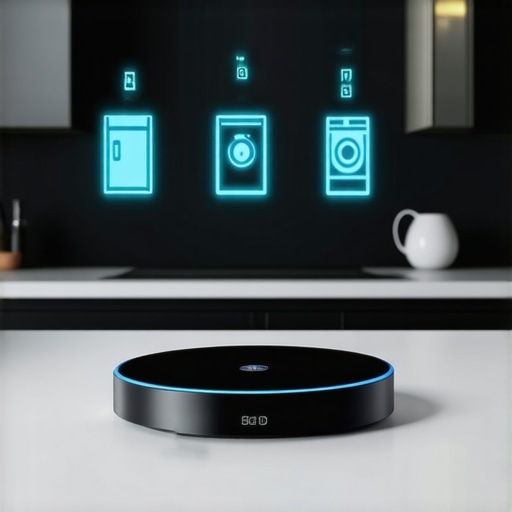
The Wi-Fi Trap That Stops Most Setups Cold
I remember spending three hours on a Saturday afternoon trying to link my new oven to my phone. I was sweaty, frustrated, and about five minutes away from returning the thing. It turned out my phone was on a 5GHz Wi-Fi band, while the oven only supported 2.4GHz. They were in the same house but on different ‘frequencies.’ If you find that your smart oven refuses to connect to your Alexa, check your router settings first. Most smart appliances prefer the longer range of 2.4GHz. Once I put both on the same channel, they synced in seconds.
Make Your Appliances Work for Each Other
The real magic isn’t just seeing the timer on your phone; it’s the automation. You can set a ‘Recipe’ or ‘Scene’ where your washer’s remote start feature triggers only when your smart meter detects lower energy rates. Or, imagine your kitchen lights flashing blue when the dishwasher finishes its cycle. This kind of cross-talk is the future of home appliances. It moves the tech from being a ‘neat trick’ to a genuine household assistant.
Why Firmware Updates Are Your New Best Friend
We often ignore the ‘Update Available’ notification on our fridge, but that’s a mistake. These updates often contain the ‘keys’ to better interoperability. If you notice your smart fridge isn’t updating its software, you’re likely missing out on security patches and new ways to connect to your hub. Think of it like a quick tune-up for a car; it keeps the digital engine running smoothly so your whole connected kitchen doesn’t suddenly fall silent.Stop treating your detergent drawer like a buffet. Most people think that if their clothes are extra dirty, they should just add an extra capful of soap. It sounds logical, but this is actually the quickest way to kill your machine’s efficiency. In reality, your washer doesn’t need a whole cup of detergent to get clothes clean. Excess suds don’t just disappear; they create a sticky ‘biofilm’ that traps bacteria and mold in the outer drum where you can’t see it. If you’ve ever wondered why your front load washer always smells like a damp locker room, your ‘more is better’ philosophy is the likely culprit. One of the best ways how smart washing machines can simplify laundry day is by using sensors to detect soil levels, but they cannot compensate for a human dumping in excess soap that clogs the sensors. 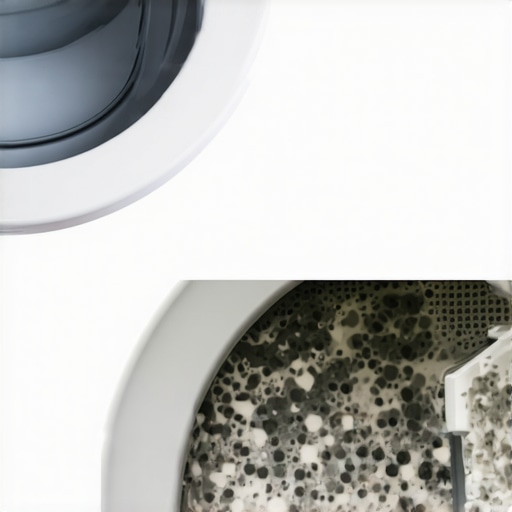
Why does my dishwasher still need rinse aid even with 3-in-1 tablets?
This is a nuance that trips up even tech-savvy homeowners. You buy the premium pods and assume they are an all-in-one solution, but then you wonder why your dishwasher still needs rinse aid even with 3-in-1 tablets. The chemistry tells a different story. A tablet releases its surfactants during the main wash, but rinse aid is designed to be released specifically during the final rinse to lower the surface tension of the water. Without it, water ‘sheets’ off poorly, which is the real reason why your dishwasher is leaving a cloudy film on glasses. Even the most innovative dishwashers with AI technology need that physical surfactant to ensure a spot-free dry because modern machines no longer use high-heat coils that could melt plastics.
The Eco-Mode Trap That Gums Up Your Pipes
We all want to save energy, but using ‘Eco’ or ‘Cold’ settings exclusively is a secret recipe for a service call. Low temperatures fail to fully dissolve animal fats and grease. According to the Association of Home Appliance Manufacturers (AHAM), modern machines are highly efficient, but they still require occasional high-heat cycles to clear out internal organic buildup. If you are exclusively following expert advice for washing machines that save water in 2025, you must still mix in a hot ‘Sanitize’ cycle once a week. Similarly, if you notice why your high-efficiency washer doesn’t fill all the way to the top, do not try to add water manually. These machines use an impeller action that requires a high clothes-to-water ratio to create cleaning friction. Neglecting these operational nuances is one of the 5 mistakes that are shortening the life of your smart refrigerator and other major appliances. Have you ever fallen into the ‘more detergent’ trap and ended up with a suds-pocalypse? Let me know in the comments.
I used to think that buying ‘smart’ meant I could finally stop worrying about maintenance. I figured if the machine was smart enough to order its own detergent, it was smart enough to take care of itself. I was wrong. Maintenance isn’t just about preventing a breakdown; it’s about protecting the sensors that make the tech work in the first place. When those sensors get covered in grime, your ‘smart’ machine becomes an expensive, frustrated box of metal.
Stop ignoring the secret filters in your laundry room
Most of us know about the lint trap in the dryer, but did you know your washing machine has one too? If you have a front-loader, there is likely a small door at the bottom. This is where the ‘gunk’ lives. I make it a habit to check mine once a month because a clogged filter is the #1 reason why your clothes are still sopping wet after the spin cycle. It takes five minutes, but it saves you a $200 service call. While you are down there, you should also learn how to clean the lint filter you didn’t know your washer had to ensure the drainage pump doesn’t burn out prematurely. Trust me, the smell of a neglected pump filter is something you never forget.
How do I maintain my smart appliances without an engineering degree?
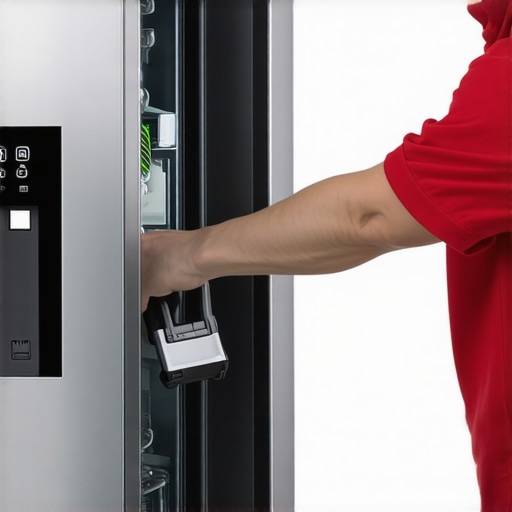
Maintenance for modern tech boils down to three things: physical cleanliness, power stability, and software updates. For physical care, I swear by a long-reach coil brush and a vacuum attachment. According to technical guidelines from the Association of Home Appliance Manufacturers (AHAM), even a thin layer of dust on your refrigerator’s condenser coils can reduce its cooling efficiency by nearly 20%. This explains why your high-efficiency fridge runs more often than your old one and eventually leads to a compressor failure. I personally pull my fridge out every six months to clear the hidden debris. If you’ve noticed why your new refrigerator is making a loud humming sound lately, the coils are likely the culprit.
The software side of appliance longevity
We need to talk about the ‘brain’ of these machines. Smart appliances are essentially computers that happen to wash dishes or freeze kale. If you ignore the digital side, the hardware suffers. For instance, a bug in an old firmware version might cause a heater to stay on too long or a pump to cycle unnecessarily. Staying updated is one of the easiest ways to avoid the 5 mistakes that are shortening the life of your smart refrigerator. I also recommend using one of the best smart plugs for monitoring appliance energy use for your smaller gadgets; it lets you see if a machine is drawing ‘vampire power’ or acting erratically before it actually breaks.
Where the smart kitchen is headed in 2026
The trend is moving toward ‘predictive maintenance.’ We are already seeing innovative dishwashers with AI technology that can tell you when the internal bearings are beginning to wear out before you ever hear a grinding noise. In the next year, expect your hub to send you a text saying, ‘Hey, your washer’s vibration patterns have changed; you might need to relevel it.’ This isn’t science fiction; it’s the logical conclusion of the future of home appliances. My advice? Don’t wait for the text. Go into your washer settings today and run a ‘Calibration Cycle’—it’s a hidden feature in most Samsung and LG units that recalibrates the weight sensors for a more balanced spin.
Lessons from My Year of Managing a Fragile Smart Home Ecosystem
Building a truly connected kitchen isn’t just about buying the latest gadgets; it’s about making them work for you, not the other way around. Here are a few lightbulb moments from my own journey. First, compatibility is king. I learned the hard way that a fancy feature is useless if it won’t talk to your main hub. Second, tech cannot fix poor habits; for instance, knowing why your washer doesn’t need a whole cup of detergent to get clothes clean is more important than having an app that tells you the cycle is done. Finally, treat your appliances like computers. If you notice a glitch, look for the hidden reset button on your smart refrigerator before calling a technician. It saves time, money, and sanity.
The Minimalist’s Toolkit for Stress-Free Kitchen Management
You don’t need a massive budget to keep your home running smoothly. I personally rely on these three essentials. 1. The Matter Standard: I only buy new devices that support Matter to ensure they actually talk to each other. 2. Smart Power Monitoring: Using the best smart plugs for monitoring appliance energy use helps me identify which older machines are about to quit on me. 3. Physical Maintenance Tools: A simple long-reach brush for your fridge coils is the best defense against the 5 mistakes that are shortening the life of your smart refrigerator. I trust these methods because they focus on longevity and interoperability rather than just flashy screens.
Reclaim Your Time with a Smarter Kitchen Strategy
The transition from a frustrated ‘switchboard operator’ to a relaxed homeowner happens the moment you stop fighting the technology. When you properly sync your devices and follow the ultimate guide to smart home appliances for a modern living, you aren’t just adding gadgets—you’re buying back your Saturday afternoons. Don’t let a smart oven that refuses to connect to your Alexa ruin your evening. Take it one step at a time, prioritize compatibility, and remember that these home appliances are here to serve you. You’ve got this! Have you ever had a smart appliance that actually made your life harder instead of easier? Let me know in the comments below.