
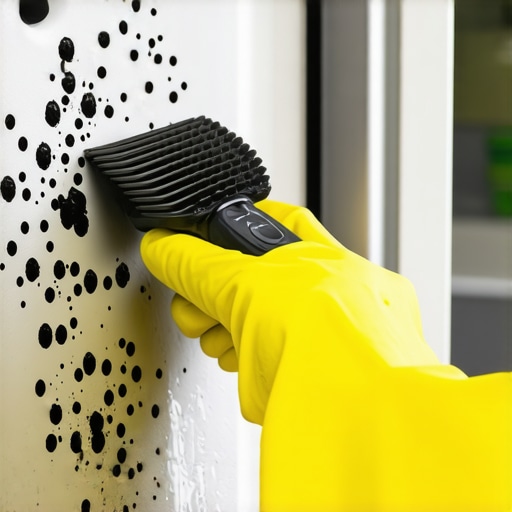
I remember the exact moment I realized my kitchen wasn’t as clean as I thought. I’d just finished a cycle in my fancy new dishwasher—one of those innovative dishwashers with AI technology that cost a pretty penny. I pulled back the door, expecting a puff of lemon-scented steam. Instead, I got a face full of damp basement smell. It was visceral. I peeled back the rubber gasket with my thumb, and there it was: a slimy, jet-black colony of mold living its best life in the crevices. My heart sank. How could something designed to sanitize my plates be so fundamentally gross? I realized then that while we obsess over the tech inside, we often neglect the humble rubber seal that keeps the water in. Today, I’m going to show you exactly how to banish that sludge without damaging your machine.
That Funky Smell Isn’t Just Your Leftovers
Most of us assume the dishwasher is self-cleaning. It’s full of hot water and soap, right? Wrong. The gasket stays cool, damp, and frequently trapped with organic debris. It is a literal Five-Star resort for fungi. If you’ve noticed your dishwasher door leaking or just smelling like a locker room, the gasket is almost certainly the culprit.
Is a little mildew actually a health risk?
You might be tempted to just ignore it. I mean, it’s just a bit of discoloration, right? Think again. A surprising study published in the journal Fungal Biology found that 62% of dishwashers sampled contained opportunistic fungi, including some that can be harmful to humans with compromised immune systems. This isn’t just about aesthetics; it’s about the air you breathe and the plates you eat from. Have you ever noticed a dark residue on your fingers after touching the door seal? If so, you’re already overdue for a deep clean.
The Mistake I Made So You Don’t Have To
When I first saw that black gunk, I panicked. I grabbed the harshest bleach spray I had and a stiff wire brush. Huge mistake. I nearly shredded the rubber, and for weeks, I was terrified I’d need a way to clean the door seal without tearing it after the damage I’d caused. Modern gaskets are delicate. If you use the wrong chemicals or too much force, you’ll end up with a permanent leak that no amount of AI can fix. Learning how to deep clean the gasket gently is the only way to ensure your machine survives the process. It takes more than a quick wipe, but it’s simpler than you think once you have the right tools. Ready to get your hands a little dirty to get your kitchen truly clean? Let’s dive into the step-by-step process.To start, you need to abandon the idea that stronger is better. Think of your dishwasher gasket like a high-performance tire; it needs to be flexible and perfectly smooth to create a vacuum-tight seal. If you use a wire brush or harsh chemicals, you’re basically taking sandpaper to a windshield. Instead, grab a clean microfiber cloth, an old soft-bristled toothbrush, and a bowl of warm water mixed with a few drops of mild dish soap or white vinegar. This gentle approach is the best way to clean your dishwasher door seal without tearing it. I learned this the hard way when I once used a plastic scraper and ended up with a tiny nick that caused a slow, maddening drip for months.
Your Softest Tools are Your Best Weapons
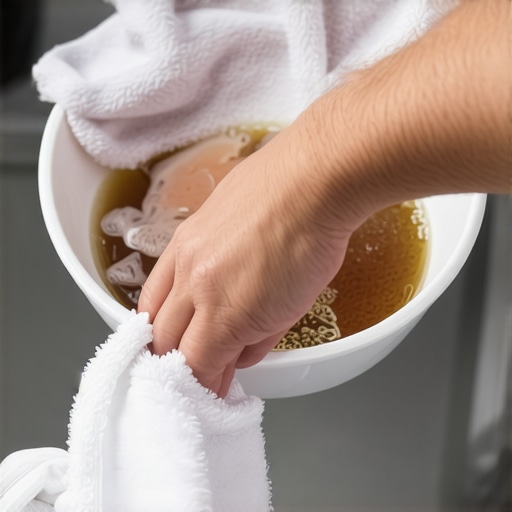 The gasket is the gatekeeper of your kitchen floor. To keep it functional, you need to reach for things that lift grime rather than scrub the surface away. I found that using a high-quality microfiber cloth acts like a magnet for that oily residue that builds up from dish fats. It’s far more effective than a paper towel, which just shreds and adds more debris to the mess. If you find your dishwasher pod isnt dissolving completely, it might be an early warning that your machine’s internal environment is struggling with circulation, often caused by a lack of proper maintenance on these outer seals.
Mix Up the Magic Potion
While many people reach for the bleach, I’ve found that a 50/50 mix of white vinegar and water is the gold standard. It’s acidic enough to kill most mold spores but gentle enough that it won’t dry out the rubber over time. If you’re dealing with a particularly stubborn, crusty buildup—maybe some old detergent that didn’t dissolve—let the solution sit on the rubber for five minutes before wiping. This is one of the best ways to clean a smelly dishwasher without using bleach while still achieving that new machine freshness.
The Hidden Fold Where Gunk Goes to Hide
This is the step most people skip. Open your dishwasher door all the way. Now, take your fingers and gently peel back the edge of the rubber gasket. You’ll likely see a deep channel behind the seal. This is the gutter where food particles, hair, and grease accumulate. It’s like the lint trap in your dryer but much slimier. This is exactly how to deep clean the gasket on your dishwasher to prevent leaks because if that channel fills up, water cannot drain back into the tub and instead overflows onto your floor. I once spent twenty minutes digging out what appeared to be a petrified piece of bacon that had been fermenting there for weeks. The smell was enough to make a person reconsider their life choices, but once it was gone, the locker room odor vanished instantly.
Don’t Forget the Bottom Edge
There is often a secondary seal or a splash shield at the very bottom of the door that never sees the light of day. If you notice your dishwasher is leaving a cloudy film on glasses, it might be because old, dirty water is splashing back up from a filthy bottom seal during the rinse cycle. Wipe this area with your toothbrush, getting into the corners where the gasket meets the frame. You’ll be shocked at how much black sludge comes off on the bristles. Finish by drying the seal with a clean towel; leaving the gasket wet is like putting a wet rain jacket in a closet—you are just inviting the mold to come back for a second visit.It is easy to get lulled into a false sense of security by modern marketing. We see those smart home appliances for a modern living and assume they are essentially self-maintaining. But here is the contrarian truth that most manufacturers won’t tell you: the ‘smarter’ the machine, the more it relies on your manual intervention for the basics. Everyone says AI sensors will detect every issue, but in my experience, a sensor only alerts you to a problem after the damage is done. A sensor can tell you if a motor is failing, but it can’t feel the sticky bio-film forming on your gasket. This is a common trap in the world of future home appliances; we trade physical vigilance for digital convenience.
Smart Tech Won’t Scrub Your Seals for You
Whether you are dealing with a dishwasher or a laundry unit, the physics of moisture remains the same. If you’ve wondered why your front load washer always smells like a damp locker room, it is almost certainly because you trusted the machine to dry itself out. I’ve seen homeowners drop thousands on high-end units only to neglect the five-minute wipe-down that prevents a hundred-dollar repair bill. The ‘Oops’ factor here is usually over-reliance on automated ‘Clean’ cycles. These cycles are great for the internal drum, but they rarely reach the external-facing rubber where the real bacteria colonies thrive.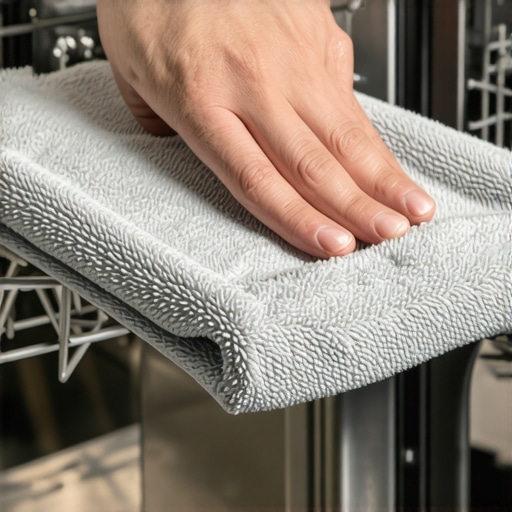
Stop Thinking More Soap Means a Cleaner Machine
One of the most expensive mistakes I see people make is the ‘more is better’ approach to detergent. If the machine smells, we add more soap. This is a disaster for your gaskets. Excess suds create a ‘scrubbing’ residue that actually eats away at the elasticity of the rubber over time. This isn’t just limited to the kitchen; it is one of the 5 mistakes that are shortening the life of your smart refrigerator and other appliances too. When chemicals sit in the crevices of a seal, they cause the material to become brittle and prone to cracking. I always tell my readers: if you can see bubbles halfway through the cycle, you’ve used too much.
Does your energy-saving mode actually encourage mold growth?
This is the question that separates the beginners from the experts. While we all want to save on utilities, there is a hidden nuance to ‘Eco’ modes. A study by the American Society for Microbiology highlighted that low-temperature cycles—often used to save energy—are frequently insufficient to kill off complex bio-films and thermophilic fungi. By constantly running your machine on the coolest setting, you are essentially creating a temperate greenhouse for mold. To combat this, I recommend running one ‘Heavy Duty’ or ‘Sanitize’ cycle with a vinegar-based cleaner once a month. This high-heat blast resets the environment and prevents the buildup that leads to those permanent stains. Have you ever fallen into this trap by trying to save a few cents on the power bill? Let me know in the comments. If you’re still struggling with a machine that won’t cooperate, check out my tips on the 5-minute fix for a dishwasher that wont start its cycle to see if a simple reset is all you need.Moving past the panic of finding mold, let’s talk about the long-term survival of your machines. If you want to avoid expensive repairs, you need a specialized toolkit that goes beyond a basic sponge. I keep a small ‘appliance kit’ in my utility drawer that includes a narrow nylon brush set, a headlamp so I can actually see into the dark corners of the machine, and—most importantly—food-grade silicone lubricant. This isn’t just me being obsessive; it is the secret to making your refrigerator last twice as long and ensuring your dishwasher stays watertight for a decade. According to technical bulletins from Miele’s Service Documentation, the mechanical degradation of EPDM (Ethylene Propylene Diene Monomer) gaskets is significantly accelerated by fatty acids from food oils that aren’t wiped away, which eventually causes the rubber to swell and lose its shape.
The Maintenance Gear That Actually Lives in My Drawer
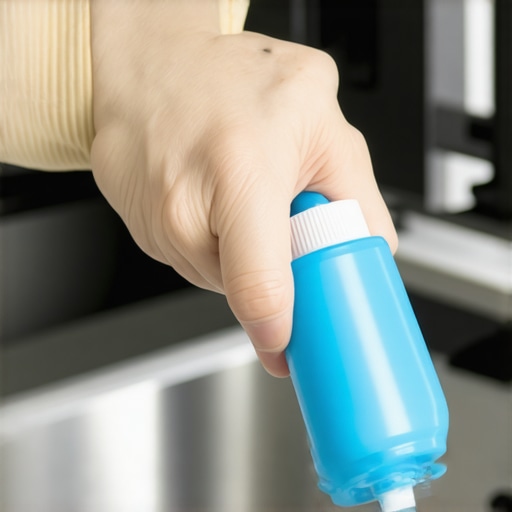 I use the silicone lubricant once every six months. After a deep clean, I apply a tiny, almost invisible film to the rubber. This keeps the material supple and prevents it from sticking to the metal frame when the door is closed for long periods. If you skip this, the rubber can ‘bond’ slightly to the frame, and every time you yank the door open, you are creating microscopic tears. This same logic applies to your laundry room; you should also clean the lint filter you didnt know your washer had to ensure that internal pressure and heat don’t stress the seals from the inside out.
How can I keep these seals from cracking for the next ten years?
The answer is consistency over intensity. I recommend setting a calendar alert for the first day of every season. Use that time to check the ‘squish’ of your gaskets. If the rubber feels hard or brittle like plastic, it’s already failing. For those with high-end cooling units, you should also learn how to calibrate your refrigerator thermometer without calling a pro because an over-chilled fridge doesn’t just freeze your lettuce—it puts unnecessary thermal stress on the door seals. While you’re down there, don’t forget to check the secret drain filter at the bottom of your fridge, as clogs there can cause moisture to back up and sit against your gaskets.
The Future is Self-Cleaning—But Not Yet
Looking ahead at the future of home appliances, I predict that by 2027, we will see the integration of biomimetic self-healing polymers in gaskets. These materials will be able to ‘heal’ small nicks and scratches automatically using the heat from the wash cycle. Until then, we are the primary defense against leaks and mold. My challenge for you tonight is to try the ‘paper test’: close your dishwasher or fridge door on a single sheet of paper. If you can pull the paper out with zero resistance, your seal is failing. If it sticks, you’re in the clear! Let me know in the comments how your ‘paper test’ went—I’m curious to see which brands are holding up the best for you.
Hard Truths from a Decade of Fighting Kitchen Grime
After years of maintaining everything from budget units to high-end tech, I’ve realized that deep cleaning is actually much faster than dealing with a localized flood. First, never underestimate the power of the nose; if you smell anything funky, the bacteria colony is already established. Second, heat isn’t always the enemy, but consistent low-temperature washes are exactly how bio-films gain a foothold. If you are part of the smart appliances revolution, you know that tech is only as good as its weakest seal. Third, a vinegar soak is almost always superior to a bleach scrub when it comes to preserving the life of rubber components.
The Only Tools You Actually Need to Keep Seals Supple
You don’t need a massive cleaning cabinet to succeed. I trust a simple kit: high-quality microfiber cloths because they don’t leave lint in the seal channels, a soft-bristled toothbrush for the corners, and food-grade silicone lubricant to prevent the rubber from bonding to the metal. I also found that keeping these areas dry and clear is the only way to get your dishwasher to finally dry your plastic tubs without leaving that lingering damp scent. The same maintenance rules apply to the laundry room, where a washer smells like old gym socks if you neglect the door gasket for too long. Stick to these basics, and you’ll avoid the most common repair calls.
Stop Letting Your Machines Run You
It is incredibly empowering to realize that you are the expert of your own home. By taking ten minutes once a month to inspect your seals, you are extending the life of your expensive smart appliances by years. Finally, take a moment to check the hidden settings on your fridge to ensure you aren’t overworking your door gaskets with extreme temperature settings that cause condensation buildup. You’ve got this, and your kitchen will thank you for it! When was the last time you actually pulled back the rubber seal on your dishwasher to see what was hiding there? Let me know what you found (or the last time you cleaned it) in the comments below!