
I’ll never forget the day I finally upgraded my old, rattling top-loader to a sleek, high-tech front-loading beauty. I felt like I’d finally joined the modern age of home management. But the first time I pulled my ‘clean’ clothes out, I didn’t smell lavender or mountain spring. I smelled a pungent, industrial cocktail of burning rubber and fresh plastic that honestly made my eyes water. It was devastating. I’d spent a small fortune on an upgrade, only to have my laundry room feel like a chemistry lab. If you’re standing in your laundry room right now wondering if you bought a lemon, take a deep breath (well, maybe not too deep). You aren’t crazy, and your machine isn’t broken.
That Brand New Machine Stink is Real
Most people think a new appliance should smell like nothing at all, but the reality is a bit more industrial. What you are likely smelling is a combination of ‘off-gassing’ from plastic components and residual oils used during the manufacturing process. When these parts get warm for the first time, they release volatile organic compounds (VOCs). According to the Environmental Protection Agency, these compounds are common in many new household products, though that doesn’t make them any less annoying when they’re stuck to your socks. In my early days of troubleshooting, I actually made things worse by dumping in extra scent boosters, which just created a weird ‘perfumy-plastic’ hybrid scent. I’ve learned that how smart washing machines can simplify laundry day often starts with a proper break-in period rather than just masking the problem. We’re going to look at how to strip those residues away safely so your clothes actually come out smelling like clothes again. Have you noticed this smell getting stronger after a hot cycle, or is it just a constant low-level funk in your laundry room?
Do I really need to worry about these fumes?
It’s natural to feel skeptical or even a bit worried about whether these smells are safe for your family. I certainly was. Early on, I worried that my washing machines that save water were somehow concentrating these chemicals because they weren’t rinsing enough. While the smell is unpleasant, it’s usually a temporary phase of the machine’s life cycle. The trick is knowing the only way to get that weird smell out of your front loader effectively without using harsh chemicals that could damage the delicate seals or sensors. I once tried a heavy-duty industrial degreaser on a different appliance and ended up melting a plastic trim piece—definitely don’t do that. Stick with me, and we’ll get your laundry room back to normal.
Flush the Factory Out with High Heat
The first thing you need to do is force those residual oils out of the system. I remember when I brought my first high-efficiency unit home; I was so excited to save on my water bill that I immediately used the eco-settings. Big mistake. Those settings don’t get the water hot enough to dissolve the protective lubricants used during shipping. To truly purge the machine, you need to select the highest temperature setting available—usually labeled as ‘Heavy Duty’ or ‘Sanitize.’ This heat acts like a solvent, softening the ‘new car smell’ plastic residues so they can be flushed away. If you find that why your high-efficiency washer takes so long to complete a load is frustrating during this first run, just remember that the extra time is actually helping the heat penetrate the drum’s outer casing where most of the smell originates.
Why You Should Ditch the Detergent for Cycle One
It is incredibly tempting to throw a capful of soap into that first empty load, but resist the urge. Modern detergents are designed to latch onto dirt, not industrial machine oil. When you add soap to a brand-new, oily machine, you often just create a chemical slurry that sticks to the drum. Instead, use two cups of distilled white vinegar poured directly into the drum. The acidity breaks down the VOCs without creating a sudsy mess. I once tried to ‘super-clean’ a new unit by mixing vinegar and a specialized cleaner, and I ended up with a foam fountain that leaked through the bottom panel. Learn from my laundry room flood: stick to one neutralizing agent at a time. This is also a great time to check the best energy saving tips for your front load washing machine to ensure you aren’t overworking the heater during this initial setup phase.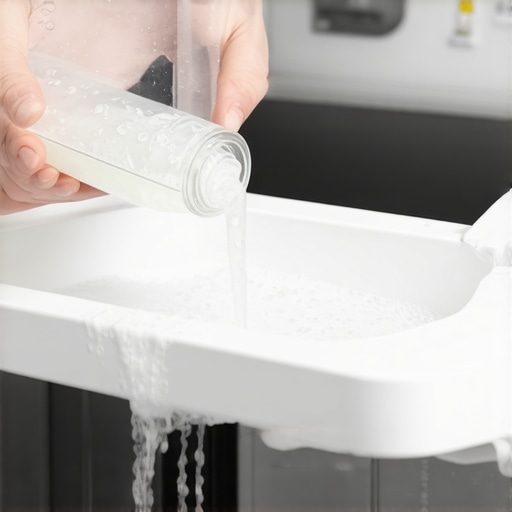
Target the Rubber Gasket Trap Early
The thick rubber seal around the door, known as the gasket, is the primary source of that ‘burning rubber’ aroma. Because this part is often made of dense EPDM rubber, it holds onto manufacturing scents longer than the stainless steel drum does. Take a microfiber cloth soaked in a 50/50 mix of water and vinegar and wipe every single fold of that gasket. You’ll likely see a greyish residue on your cloth—that’s the factory dust you’re trying to eliminate. While you are down there, it’s worth checking how to clean the lint filter you didn’t know your washer had, as some factory debris can occasionally settle in the pump filter before you’ve even washed a single sock.
Let the Machine Breathe to Prevent New Odors
Once that hot cycle finishes, do not close the door. This is where most people fail. A new machine is a sealed environment, and closing the door while it’s still damp from a hot cycle traps the steam, which can react with the remaining plastic out-gassing to create a permanent ‘stale’ scent. Leave the door wide open for at least four hours. If you’re worried about the electronics, most how smart washing machines can simplify laundry day by having a ‘standby’ mode that won’t drain your power while the door is ajar. I personally keep a small fan pointed at the open door for the first few days. It might look a bit overkill, but it ensures that the ‘industrial’ smell leaves your house rather than soaking into your drywall. This method is far more effective than over-using additives, which is why your washer doesn’t need a whole cup of detergent to stay fresh; air and acidity are your real secret weapons here.Most people assume that once the ‘new car smell’ of a laundry room fades, the hard work is over. In reality, the way you treat your machine during the first six months determines whether it lasts five years or fifteen. I used to think that ‘high-efficiency’ meant the machine was fragile, but the truth is quite the opposite. These machines are precision-engineered tools that fail only when we try to force them to act like the clunky 1990s models we grew up with.
Stop Blaming the Machine for Detergent Overload
The biggest mistake I see—and one I’m guilty of myself—is the ‘more is better’ philosophy with soap. We see a large load of towels and think a double shot of detergent is necessary. This is a recipe for disaster. Modern sensors are tuned to specific viscosity levels in the water. When you over-sud, you aren’t just leaving residue on your clothes; you are putting immense strain on the drive motor and the drainage pump. This is why your washer doesn’t need a whole cup of detergent to actually get things clean. According to data from the Association of Home Appliance Manufacturers (AHAM), detergent buildup is one of the leading causes of service calls for ‘leaks’ that are actually just foam overflows. 
The Eco-Mode Trap You Need to Escape
Everyone tells you to use the cold water eco-settings to save money. While that’s great for your utility bill, it’s terrible for the internal health of the machine if used exclusively. Cold water cannot fully dissolve the fatty acids found in body oils and skin cells. Over time, these fats solidify inside the outer drum, creating a waxy sludge. I’ve found that running at least one ‘Sanitize’ or high-heat cycle every two weeks is non-negotiable. If you notice why your high-efficiency washer uses barely any water, remember that it relies on the chemical energy of the detergent and the thermal energy of the water to compensate for the low volume. Skipping the heat means the chemistry can’t do its job.
Can your smart washer really diagnose its own mechanical failures?
Many owners get frustrated when a machine pauses or displays a cryptic code, assuming it’s a hardware failure. However, smart machines are often just protecting themselves from your mistakes. If the machine senses an unbalanced load, it will stop to prevent the bearings from shattering. Learning how to reset the error codes on your modern smart washer is a vital skill, but understanding the *cause*—like a heavy rug or a clogged drain—is what saves the machine. It’s not just about the washer, either; this logic applies to your kitchen too, where avoiding 5 mistakes that are shortening the life of your smart refrigerator is often about simple airflow and coil cleaning rather than complex electronics. Have you ever fallen into the trap of thinking a ‘broken’ appliance just needed a simple habit change? Let me know in the comments. Investing in quality pays off, but only if you respect the engineering. Don’t ignore the secret to making your refrigerator last twice as long or your washer hum quietly for a decade: it’s all about working with the tech, not against it.I’ve spent thousands on appliances over the years, and I’ve learned that the ‘set it and forget it’ mentality is the quickest way to end up with a service technician in your kitchen. Beyond the initial setup, you need a small toolkit and a shift in perspective. Tools that saved my floors and my sanity aren’t expensive, but they are precise. I personally swear by a simple 9-inch magnetic spirit level. If your machine is even a fraction of an inch off-kilter, the centrifugal force during a 1200 RPM spin will eventually chew through your drum bearings. I discovered this the hard way after my first front-loader started sounding like a jet engine after only three years. Learning how to level a washing machine on an old slanted floor is the most underrated skill for any homeowner. I also use heavy-duty anti-vibration pads, but you have to be careful; if they are too soft, they actually amplify the sway. Checking the reason your washing machine vibration pads arent working often reveals that the machine wasn’t leveled before the pads were installed. 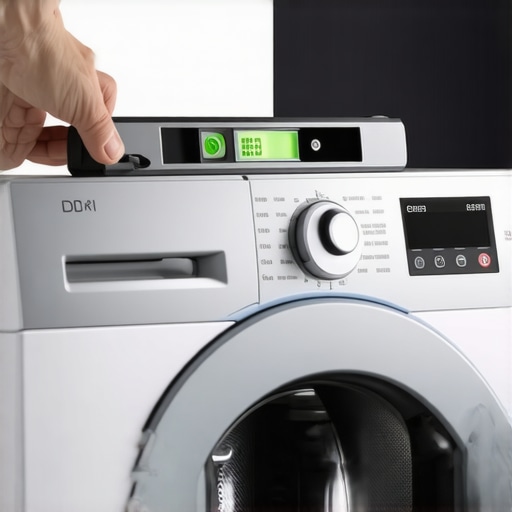
How do I maintain these high-tech systems over the long haul?
Maintenance isn’t just about the parts you can see; it’s about the hidden components that manufacturers bury in the manual’s fine print. Every six months, I pull the bottom grille off my refrigerator to vacuum the coils. Most people don’t realize there is also the secret drain filter at the bottom of your fridge you never knew existed, which can cause ‘mysterious’ puddles if it gets clogged with dust. For the dishwasher, I’ve stopped using those cheap plastic-bottled cleaners and switched to a monthly run with a cup of citric acid. It’s a trick I picked up from a retired Miele technician. Citric acid is far more effective at stripping calcium buildup from the spray arms than standard detergent. According to the repair experts at iFixit, the lack of consumer-accessible service manuals is a major hurdle for modern appliance longevity, which makes these small, preventative habits even more critical for keeping your gear out of the landfill. Look out for the AI-driven repair revolution as we head into the next few years. I predict that the future of home appliances trends to watch in 2025 will focus heavily on predictive maintenance. We are already seeing machines that can sense a failing pump weeks before it actually dies, sending a notification to your phone. This shift toward ultimate guide to smart home appliances for a modern living means we’ll spend less time troubleshooting and more time simply enjoying the convenience. My challenge for you this weekend: grab a level and check your washer. If that bubble isn’t perfectly centered, take five minutes to adjust the feet. Your floor (and your ears) will thank you.
Hard Lessons from My Own Laundry Room Disasters
I’ve learned the hard way that a ‘smart’ label doesn’t mean the machine is self-healing. One of the biggest lightbulb moments I had was realizing that modern efficiency comes at a cost of physical residue. Because these machines use so little water, they can’t simply flush away mistakes like the old top-loaders did. If you ignore the maintenance, you’ll quickly find out the reason your high-efficiency washer smells like old gym socks is usually tied to a combination of cold-water washes and fabric softener buildup. I also discovered that the door gasket isn’t just a seal; it’s a debris trap that requires a manual wipe-down after every heavy load of towels. Finally, never underestimate the power of a simple leveling adjustment; a machine that isn’t perfectly flat will literally vibrate its own internal components into an early grave.
The Survival Kit for Modern Appliance Owners
To keep your home running smoothly, you need more than just a repairman’s phone number. I’ve curated a small list of items that have saved me thousands in potential service calls. First, a 9-inch magnetic spirit level is non-negotiable for anyone with a front-loader. Second, keep a gallon of distilled white vinegar on hand—it’s the safest way to strip factory oils without damaging delicate sensors. For those looking to dive deeper into the technical side, I always recommend checking out the ultimate guide to smart home appliances for a modern living to understand how your different devices can work together. I also rely heavily on citric acid powder for descaling internal heaters, which is far more eco-friendly and effective than the chemical-heavy alternatives found in most grocery stores. #IMAGE_PLACE_HOLDER_E#
Step Into a Smarter, Simpler Laundry Routine
Taking care of a high-tech appliance doesn’t have to be a full-time job. It’s about building those tiny habits—like leaving the door ajar and choosing the right temperature—that preserve the integrity of the machine. When you respect the engineering, washing machines that save water can actually provide a better cleaning experience than the water-guzzlers of the past. Don’t be intimidated by the sensors or the touchscreens; they are there to help you, provided you give the machine the basic airflow and level surface it needs to perform. You’ve put in the work to clear out that initial factory funk, so now you can finally enjoy the silence and efficiency of a truly clean home.
Have you ever struggled with a persistent smell even after running a cleaning cycle? Let me know in the comments below.