
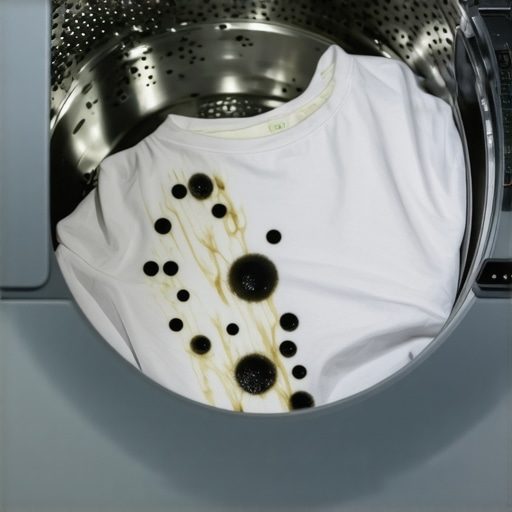
I remember standing in my laundry room, staring at my favorite white linen shirt with a mix of confusion and pure rage. It was covered in tiny, greasy black specks that looked like a mechanic had used it as a rag. I’d just bought the machine, and I was convinced the transmission was leaking oil. I almost called a repairman on the spot, ready to demand a refund. But then I did a little digging and realized the culprit wasn’t a mechanical failure at all—it was me. I was making a classic mistake that thousands of homeowners make every single day. Today, we are going to dive into why this happens and how you can stop your washer from ruining your wardrobe for good. Have you ever pulled a ‘clean’ load out only to find it looks worse than when it went in? Let me know in the comments if you’ve felt that same heartbreak.
Your Washer Is Drowning in Waxy Residue and Biofilm
Most of us assume that more soap equals cleaner clothes. I used to be the person who filled the detergent cap to the very brim, thinking I was being extra thorough. That was my first big mistake. When you use too much soap, your machine can’t rinse it all away. This leftover soap, combined with body oils and fabric softeners, creates a sticky, waxy substance known as ‘scrud.’ Over time, this gunk clings to the outer drum where you can’t see it. According to experts at Consumer Reports, the overuse of detergent is actually the leading cause of appliance buildup that eventually flakes off as those dreaded black spots. You might also notice that your new washing machine smells like chemicals or mold because of this damp, trapped residue. The fix isn’t just buying a new machine; it’s about changing how we treat the one we have. Often, why your washer doesn’t need a whole cup of detergent becomes clear once you see the sludge that builds up in the hidden corners of the drum. It’s a mess. A literal, waxy mess that ruins your laundry.
Is My Washing Machine Actually Ruined Beyond Repair?
I hear this question all the time from neighbors who are ready to scrap their appliances. It feels like the machine is failing you, but usually, it’s just crying out for a deep clean. You don’t need a degree in engineering to fix this. You likely just need to find the only way to get that weird smell out of your front loader and those spots off your shirts by breaking down that internal biofilm. I once spent an entire Saturday morning learning how to clean the lint filter you didn’t know your washer had, and the amount of grey sludge I pulled out was enough to make my stomach turn. This buildup is essentially a breeding ground for bacteria and mold, which is exactly what is transferring onto your clothes during the spin cycle. We’re going to walk through the exact steps to sanitize the system and get your whites looking white again.
Slash Your Detergent Usage Immediately
Most people treat laundry detergent like pasta sauce—they think more is always better. But your washer is more like a precision-engineered engine; if you overload it with fuel, it floods and stalls. The first thing I did after finding those greasy spots on my linen was cut my detergent use by 75%. It felt wrong, almost like I was skipping the cleaning step entirely, but the results were instant. Modern high-efficiency machines are designed for concentrated formulas. If you are still pouring in a full cap for every load, you are essentially coating your clothes in a layer of invisible, sticky wax. This is exactly why your washer doesn’t need a whole cup of detergent to actually get things clean. When that excess soap doesn’t rinse away, it turns into the ‘scrud’ that eventually flakes off as black specks. Think of it like plaque on teeth; if you don’t brush it away, it hardens and creates a massive problem behind the scenes. 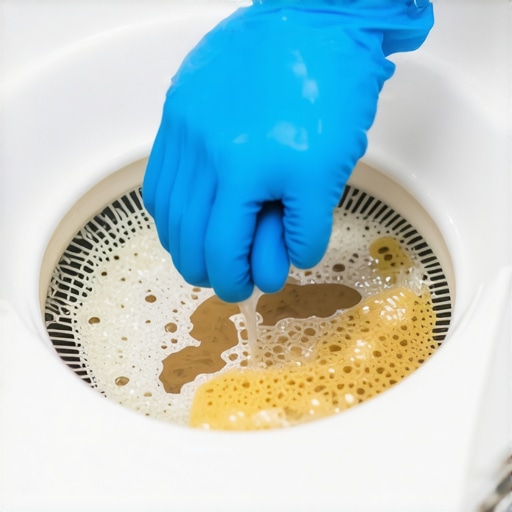
Give Your Drum a High-Heat Detox
Once you have stopped the incoming flood of soap, you have to melt away the existing buildup that has claimed your outer drum as its home. I tried doing a ‘clean’ cycle with cold water once, thinking I was being eco-friendly. It was a total waste of time. To break down waxy biofilm, you need heat—the hottest setting your machine offers. Many washing machines that save water use lower temperatures by default to meet energy standards, so you have to manually override the settings for a maintenance wash. Throw in a specialized cleaning tablet or two cups of white vinegar and run the longest, hottest cycle available. You will likely see grey flakes floating in the water as the machine drains—that is the internal sludge finally leaving the building.
Clear the Gunk Out of the Secret Filter
If you have never opened the small access door at the bottom of your front-loader, prepare your stomach. This is the debris trap, and it is usually where lost buttons, hair ties, and a thick layer of grey slime reside. The first time I opened mine, I had to lay down a towel because about a quart of stagnant, stinky water poured out immediately. It is vital to learn how to clear a blocked pump on your front load washing machine because if this filter is even partially clogged, the dirty, soap-laden water just recirculates through your clothes. Scrub the filter with an old toothbrush and some dish soap. It is a five-minute job that prevents those black specks from ever reaching your favorite shirts. While you are down there, check the rubber gasket. Finding the only way to get that weird smell out of your front loader usually involves wiping out the deep folds of that seal where moisture and lint like to hide and rot.
Balance the Load for a Better Rinse
If your washer is jumping around like it is trying to escape the laundry room, it is not just an annoying noise; it is actively preventing a proper rinse. An unbalanced machine cannot reach the high RPMs needed to spin out all the soapy water. If you have been hearing a rhythmic thumping, you should look into how to fix a washing machine that keeps banging during spin cycles. A stable machine ensures that the water is actually forced out of the fibers, taking any remaining residue with it rather than letting it settle back onto your garments.It sounds counterintuitive, but if you’re standing at the sink scrubbing every scrap of food off your plates before they hit the dishwasher, you’re actually sabotaging the wash cycle. Most modern units are equipped with turbidity sensors that detect how dirty the water is. If the water stays clear because you’ve pre-cleaned everything, the machine assumes the load is lightly soiled and shortens the cycle, often leaving you with a cloudy film. It’s a classic case where doing more work leads to a worse result. In fact, the Association of Home Appliance Manufacturers (AHAM) notes that pre-rinsing can waste more than 6,000 gallons of water per year per household without actually improving cleanliness. You just need to scrape off the big chunks. The enzymes in your detergent actually need food particles to latch onto; without them, the chemicals can eventually start etching your glassware. Learning the best way to stack your dishwasher for maximum clean is far more effective than any pre-rinse routine. Many homeowners also fall into the ‘Eco-Mode Trap.’ They run every single load on the lowest temperature to save a few cents, but over time, this leads to an accumulation of undissolved fats that ‘Eco’ cycles aren’t hot enough to flush out. This is often why your dishwasher pod isn’t dissolving completely and why your machine might start to smell. Have you ever fallen into this trap? Let me know in the comments. There is also a hidden danger in the ‘set it and forget it’ mentality of smart home tech. We often think that because a machine is ‘smart,’ it can diagnose its own mechanical failures. I’ve seen people ignore a loud hum because the app didn’t send an alert. But why your new refrigerator is making a loud humming sound is often a physical blockage that no software can fix. If you rely solely on the screen, you might miss the signs of a failing compressor until it’s too late. One of the biggest ‘experts-only’ secrets is that your fridge actually works harder when it’s empty. Thermal mass is your friend. An empty fridge loses its cold air every time you open the door, whereas a full one retains that cold in the food itself. To make things last, the secret to making your refrigerator last twice as long usually involves keeping it well-stocked but not so crowded that air can’t circulate. 
Why does my high-efficiency fridge run so much more than my old one?
It’s the most common complaint I get. People think their new unit is broken because they hear it running 80% of the day. The nuance here is that modern inverter compressors are designed to run at variable speeds. Unlike old ‘on-off’ motors that blasted cold air and then shut down, these units sip energy constantly to maintain a rock-steady temperature. It’s actually more efficient this way. If you find why your high-efficiency fridge runs more often than your old one confusing, just know that a constant, low-level hum is usually a sign of health, not a looming repair bill. Just make sure you know how to keep your refrigerator coils clean in a pet-friendly home so the motor doesn’t have to fight through a layer of fur.I used to think that “appliance maintenance” was just a fancy term manufacturers used to sell extended warranties. But after seeing my energy bill drop by 15% just by vacuuming my fridge coils, I’m a believer. If you really want to protect your investment, you need a few specific tools in your junk drawer. My absolute must-have is a long, flexible refrigerator coil brush. I use the 26-inch version because it reaches all the way to the back of the compressor housing where the “dust bunnies from hell” live. If you have pets, this isn’t optional; it’s a survival tactic for your compressor. You can find more on how to keep your refrigerator coils clean in a pet-friendly home if you’re tired of that constant humming. For the dishwasher, I’ve stopped using those generic all-in-one cleaners. Instead, I keep a gallon of food-grade citric acid on hand. It’s the active ingredient in most expensive descalers but costs pennies when bought in bulk. Running a cycle with two tablespoons of this stuff melts away the hard water deposits that cause why your dishwasher is leaving a cloudy film on glasses. It’s far more effective than vinegar because it doesn’t degrade the rubber seals over time.
How can I keep my appliances running for decades?
The secret isn’t just cleaning; it’s calibration. Most people don’t realize that smart sensors can drift over time. Once a year, I use a standalone digital thermometer to check my fridge’s internal temperature against what the screen says. If they don’t match, you need to learn how to calibrate your smart fridge temperature sensors. This prevents the motor from overworking based on false data. According to the Association of Home Appliance Manufacturers (AHAM), a refrigerator that is just 5 degrees too cold can increase energy consumption by up to 25%. That’s money literally disappearing into thin air. 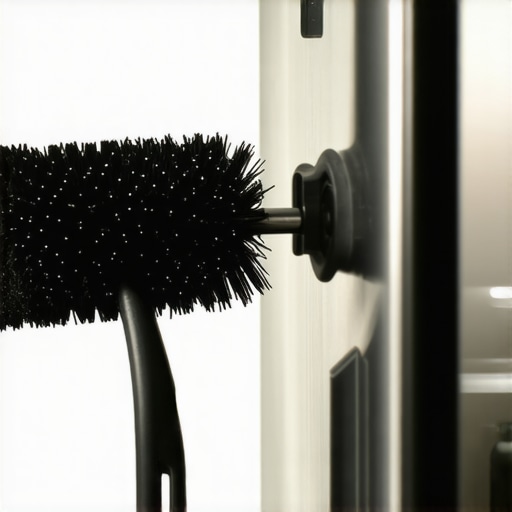 I’m also seeing a massive shift toward AI-driven diagnostics. We are moving away from the “break-fix” model toward “predictive maintenance.” In the next few years, future of home appliances trends to watch in 2025 suggest your washer will tell you a bearing is about to fail three months before it actually starts banging. It’s all about the data. But for now, you still have to do the legwork. If you’re feeling bold, I highly recommend checking out the hidden settings on your fridge that can save you money on utilities. Most units ship in a showroom mode that isn’t optimized for home use. Go grab your fridge manual or find it online and check those sensor offsets today—your utility bill will thank you.
The Lessons My Repair Bills Taught Me So You Can Save Your Cash
The biggest lightbulb moment for me was realizing that appliances are usually ‘user-error-prone’ rather than ‘broken.’ I once spent a fortune on a technician only to find out that a single stray sock had clogged my drain pump. Another massive realization was the damage caused by ‘over-care.’ We think pouring in extra chemicals helps, but learning why you should never use too much fabric softener in your smart washer was the key to finally getting rid of those greasy black stains. I also learned that the ‘Quick Wash’ setting is often a trap; it rarely reaches the temperatures needed to dissolve modern detergents, leading to that nasty biofilm buildup. Lastly, I’ve found that trust in your machine grows when you stop fighting its sensors—sometimes, using the best eco-friendly settings for your modern washing machine actually results in a better clean because the longer soak time does the heavy lifting for you.
My Personal Maintenance Kit for Every Kitchen Crisis
I don’t believe in filling my cabinets with every cleaning gadget marketed on social media, but there are a few non-negotiables in my toolkit. First is a 26-inch flexible coil brush; if you have pets, this is the only way to keep your fridge from working itself to death. Second, I swear by food-grade citric acid. It is the active ingredient in expensive descalers, and it is perfect for how to get rid of hard water build-up inside your smart coffee maker without leaving a vinegar smell. I also rely on the Association of Home Appliance Manufacturers (AHAM) digital guides; they offer the most accurate technical data on water consumption and energy efficiency that you won’t find in a sales brochure. Finally, keeping a simple digital thermometer helps me verify my fridge’s health, ensuring my food stays safe even if the onboard display is slightly off.
Take Control of Your Laundry Room Before the Next Load
Your home appliances represent a significant investment in your daily comfort, and they deserve better than the ‘run it until it breaks’ approach. By shifting your focus toward simple monthly maintenance, you can save thousands of dollars over the lifetime of these machines. Staying informed about the future of home appliances trends to watch in 2025 will also help you decide when it is truly time to upgrade versus when a simple deep clean will do the trick. You have the power to make your machines last decades just by being a little more intentional with your detergent and your screwdriver. Have you ever discovered a hidden filter or a secret setting that completely fixed a problem you thought was terminal? Let me know in the comments below!